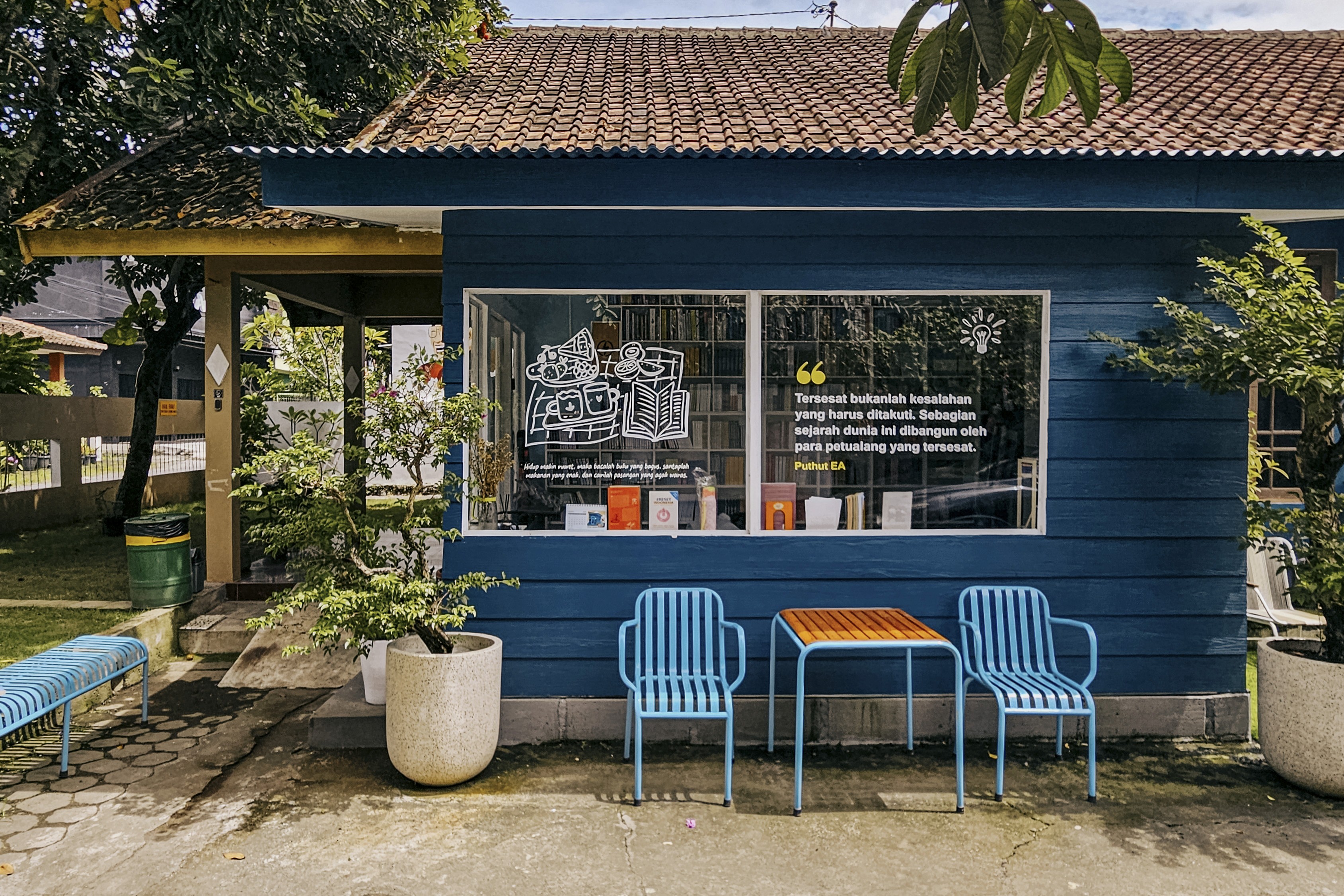
It’s not a UNESCO city of literature, nor does it have an international writers festival. But surprisingly yet surely, Yogyakarta has become Indonesia’s undisputed capital of independent bookstores.
✦
Even as outlets elsewhere in the country are struggling, the south-central Java city’s bookshops are thriving – some so much so that they’ve become tourist attractions. These days, a Yogyakarta itinerary is as likely to include a visit to a bookstore as to the Kraton (the royal palace) or the city’s art galleries.
Take Buku Akik, Indonesia’s most popular indie bookstore with over a million followers on Instagram. Tucked in a residential area and connected by narrow alleys, the warm, intimate store is almost always full of people, and it isn’t uncommon to spot some of the country's biggest public figures here.
The place is so famous that the community uses it as a directional point: “Land for sale, 500 metres from Buku Akik.”
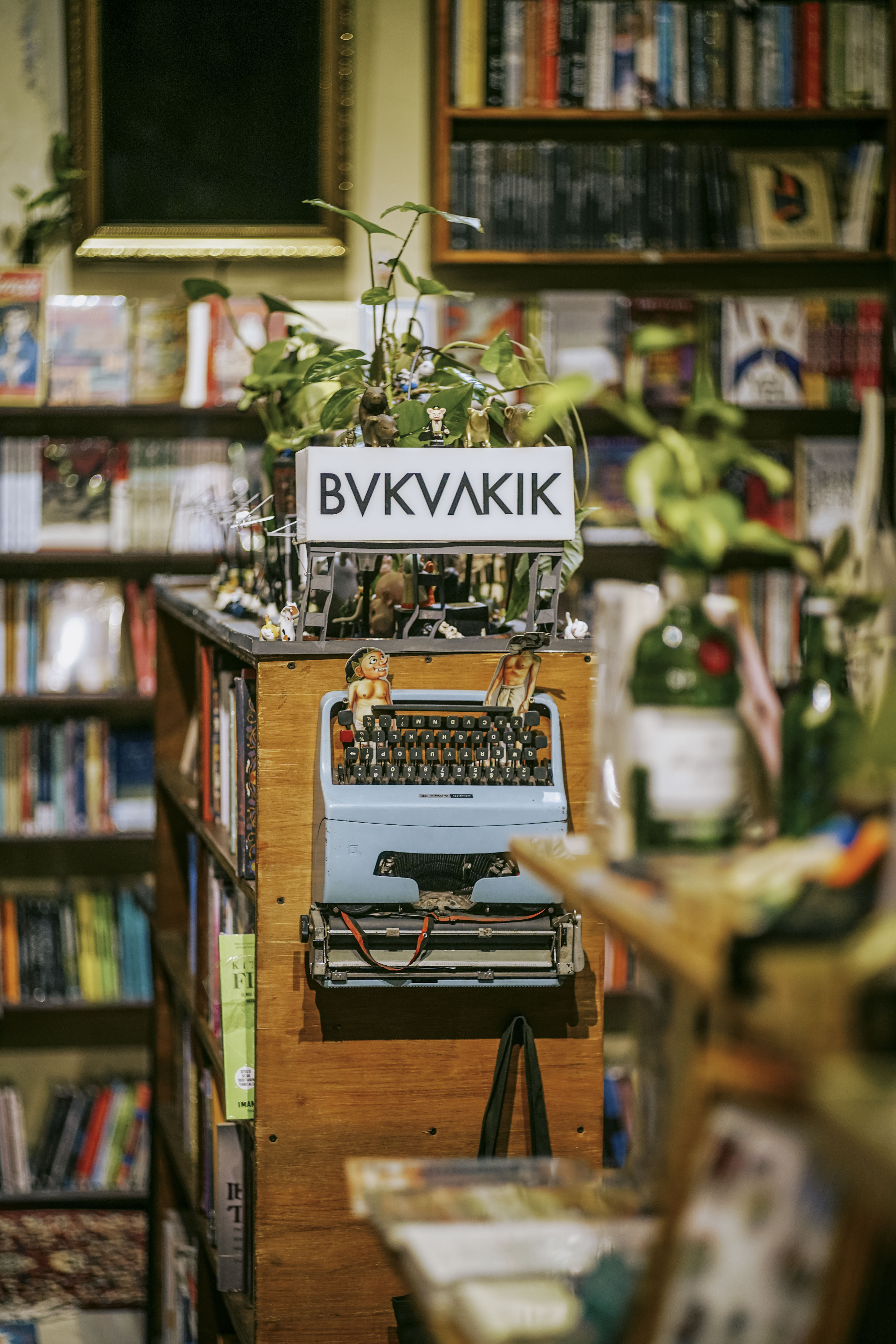
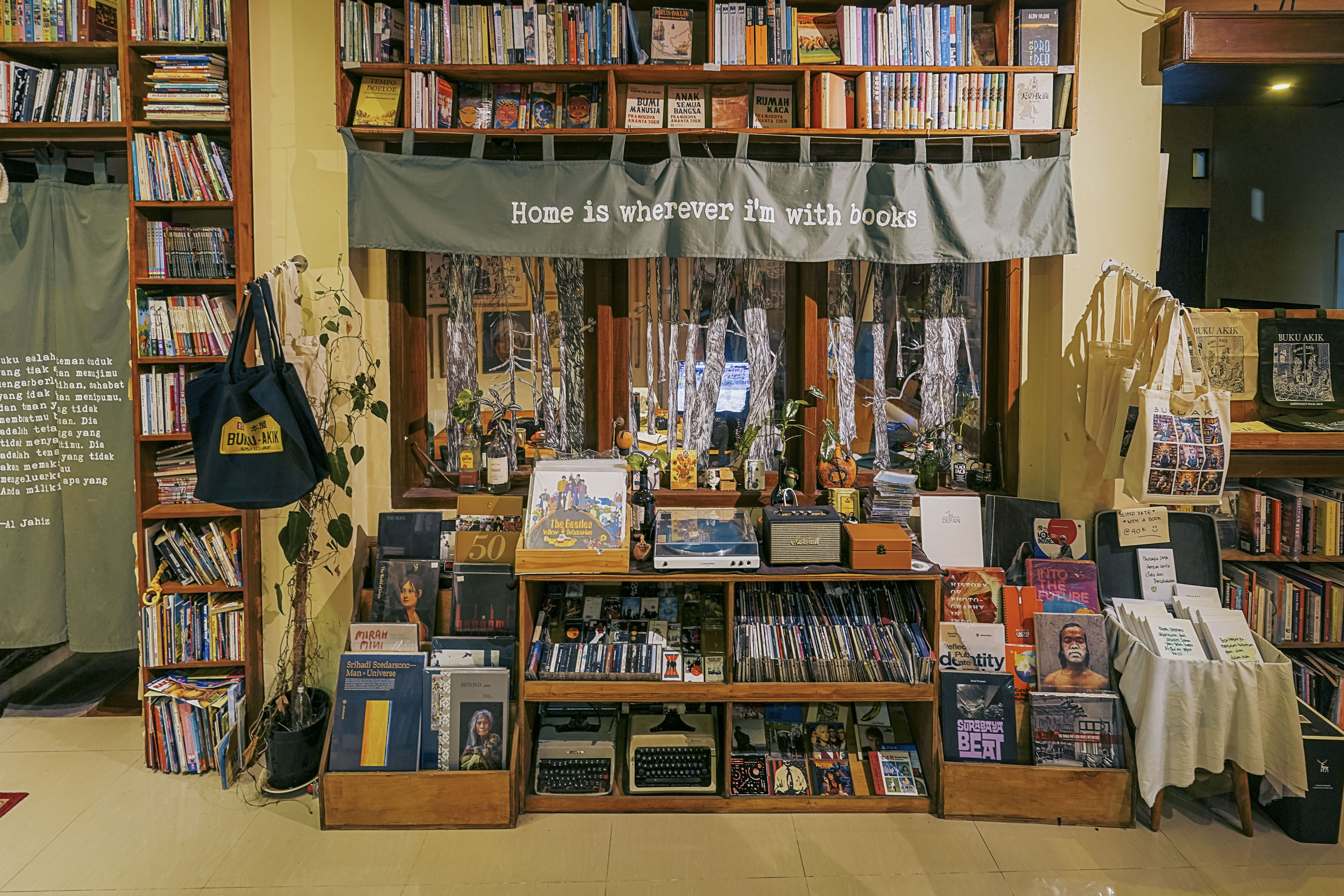
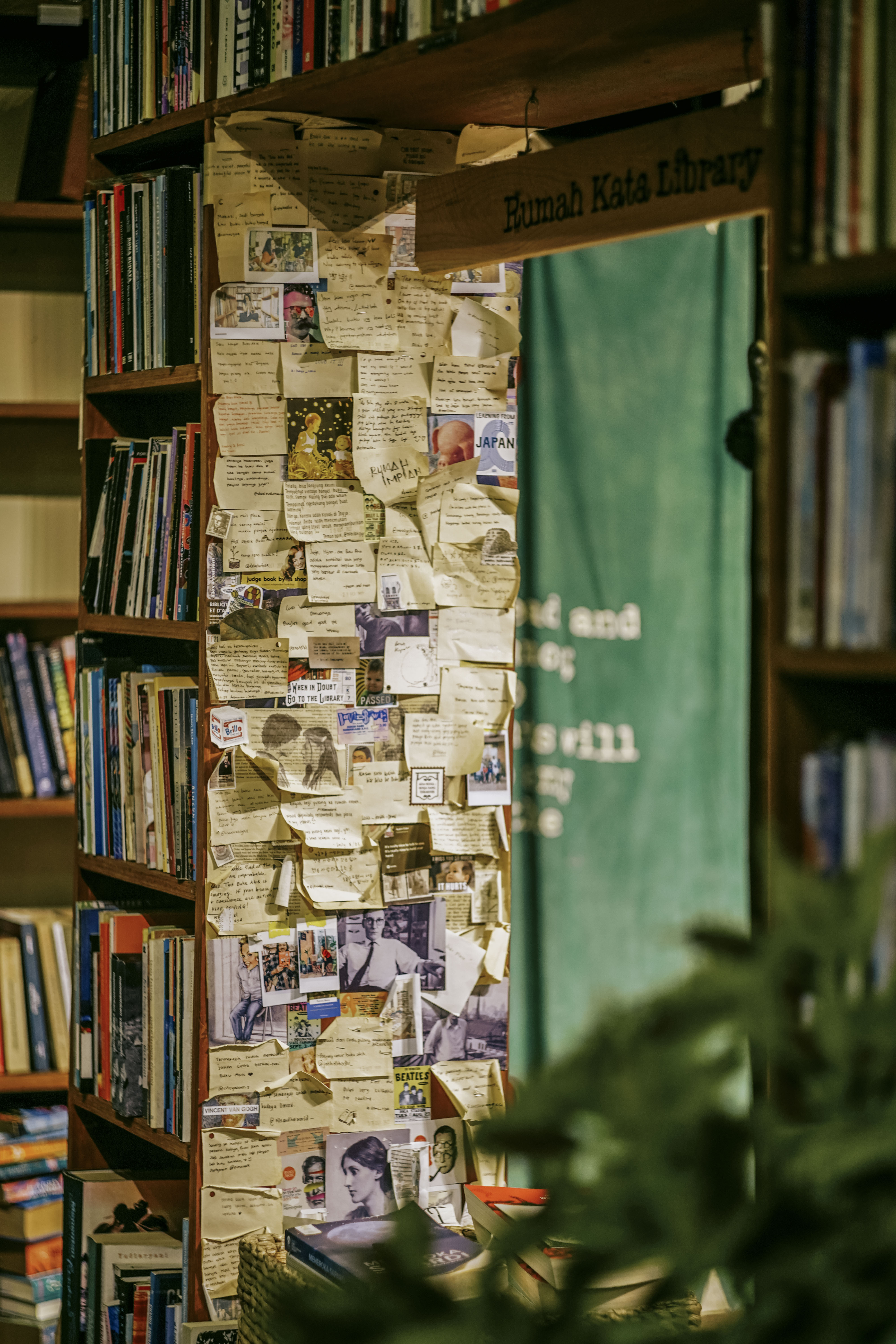
Lead photo: Cristian Rahadiansyah. Above photos: Buku Akik
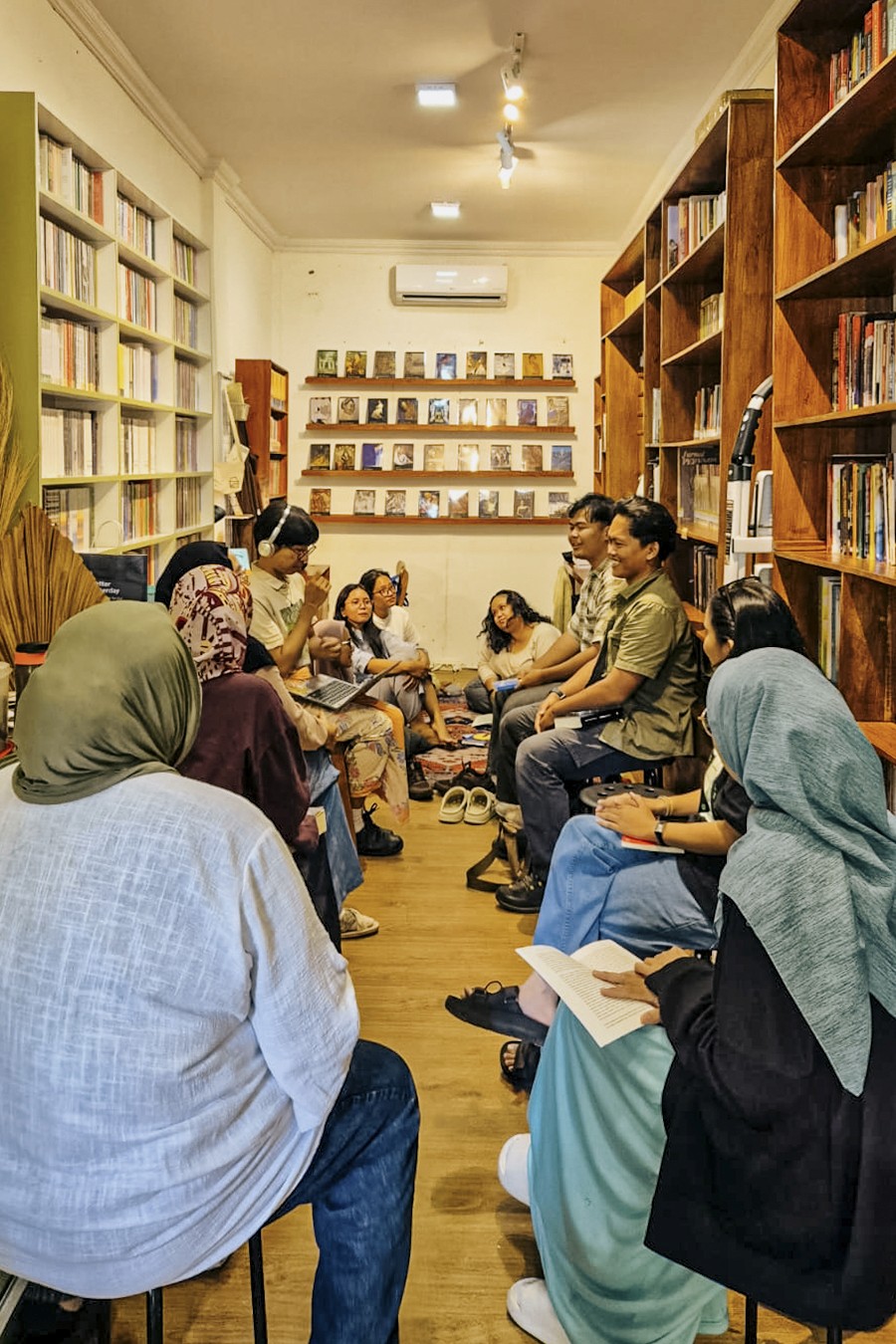
Another one of Yogyakarta’s celebrated bookstores is Warung Sastra, which is known for its stimulating public programs. The monthly Malam Buku (A Night with Books) is almost always fully attended. During the fasting month, the shop organises a Ramadan Literary discussion.
Last year, Warung Sastra hosted the Literary Scholarship, a four-day intensive writing workshop for emerging talents. “We are now preparing the new scholarship batch for this year,” says Andrean Ilham Listiady, the co-founder.
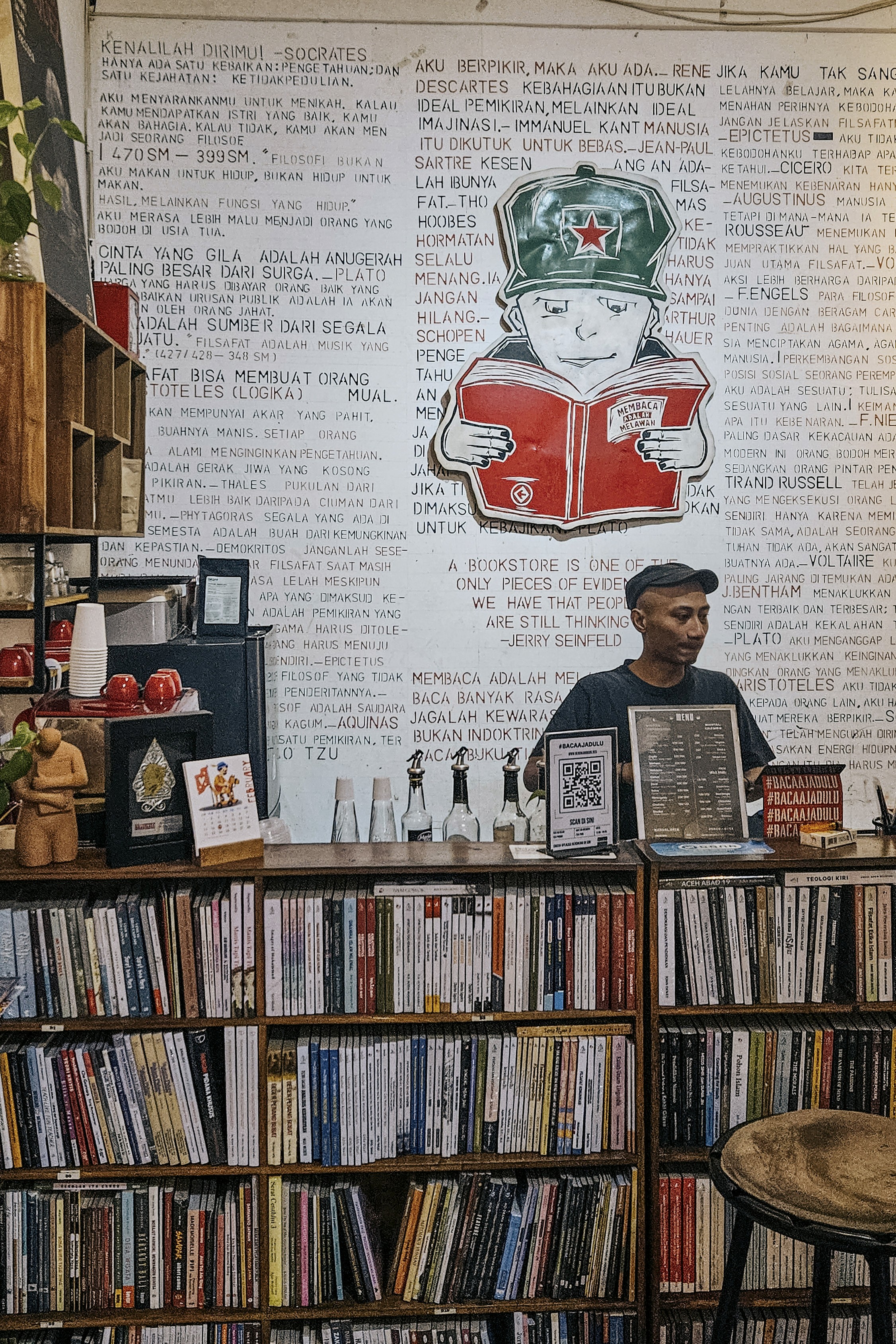
Then there’s Berdikari Book, which has built a reputation as a leftist book sanctuary. Its facade is decorated with murals of Che Guevara, Fidel Castro and Indonesian Marxist philosopher Tan Malaka, alongside manifestos that position reading as a mandatory weapon for everyone.
This is a popular hangout for students from nearby universities, who hang out till midnight – reading, talking, having coffee.
“Sometimes, I need to kick them out just so I can close the store!” says proprietor Dana Gumilar jokingly.
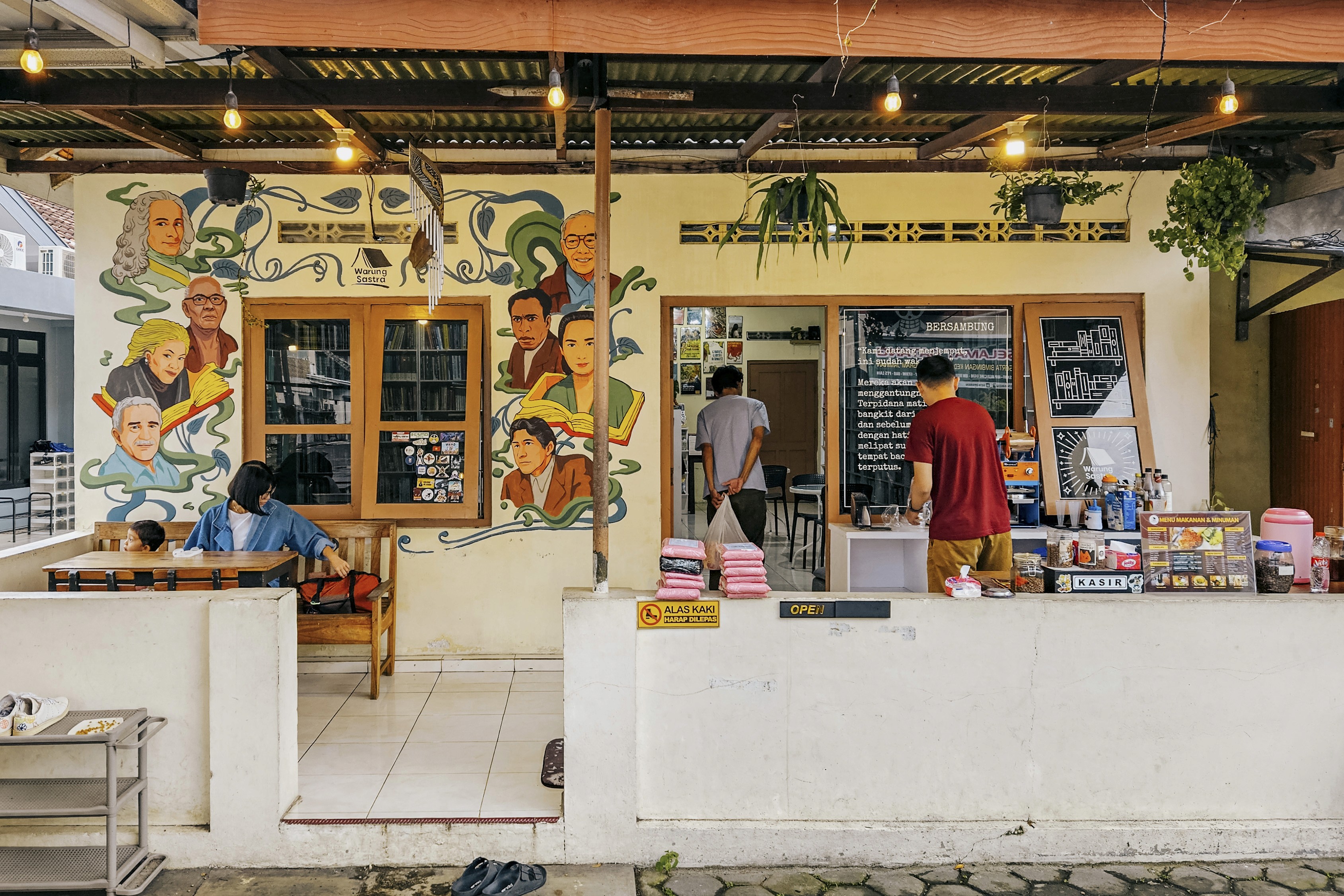
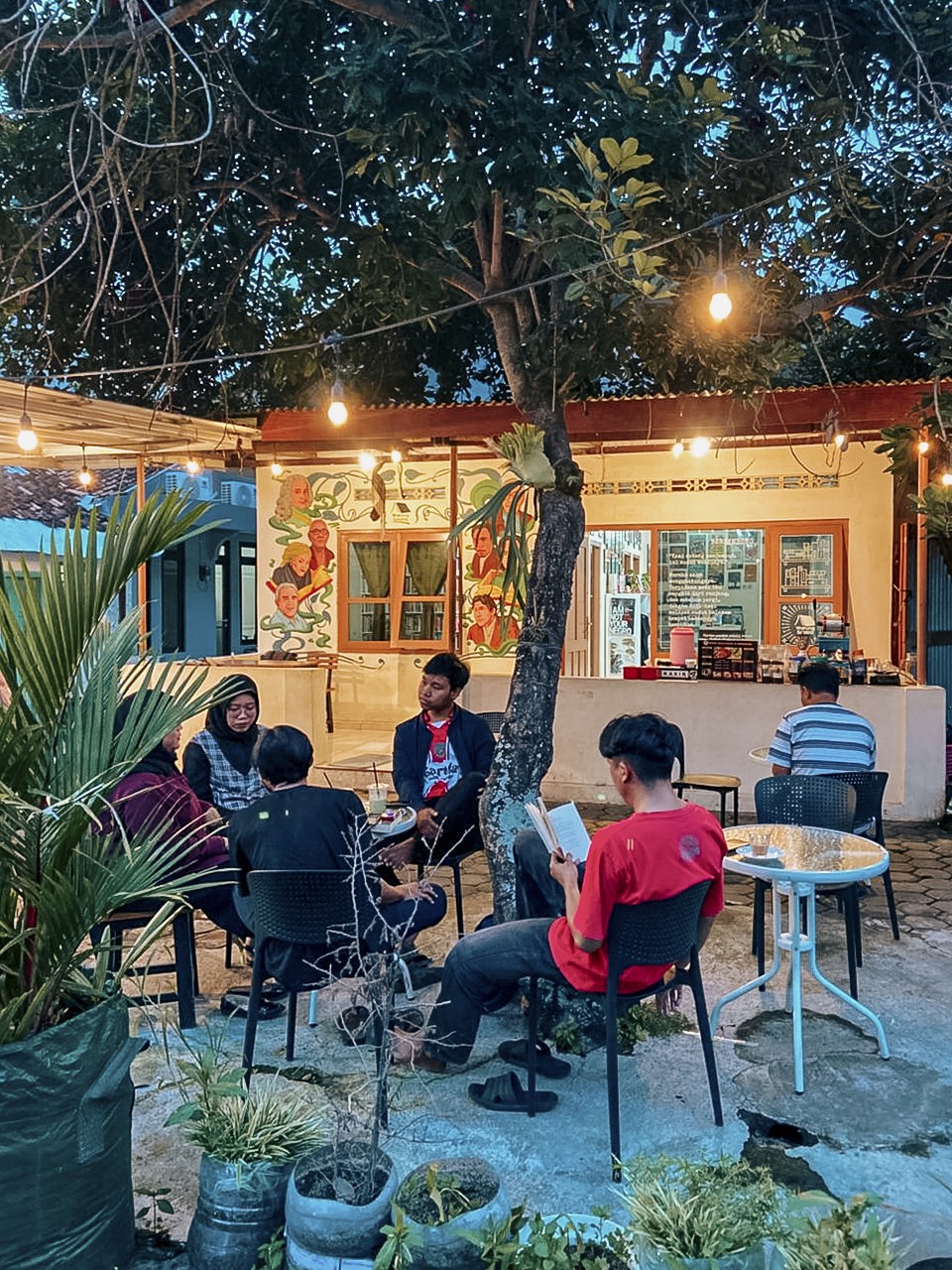
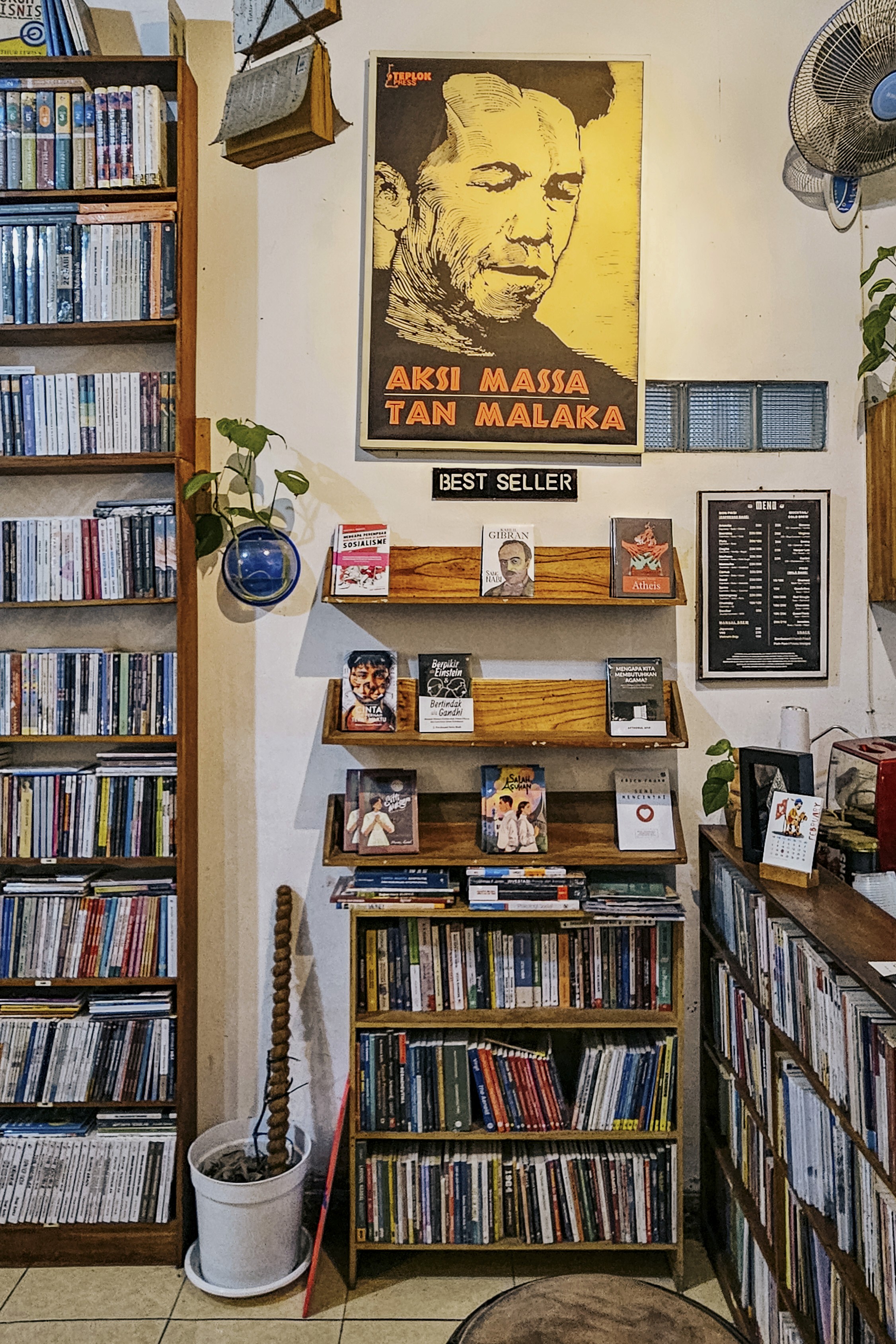
Photos: Cristian Rahadiansyah, Warung Sastra, Berdikari Book
A decade-long development
Home to 105 colleges and about 145,000 students from all over Indonesia, Yogyakarta is undoubtedly fertile soil for bookstores like Akik and Berdikari, whose fame has spread through social media.
But its seemingly overnight transformation into the country’s bookstore capital is actually an organic development that stretched over a decade, beginning with owners who passionately (some might say stubbornly) started out selling books as a personal hobby.
Buku Akik, Berdikari and Warung Sastra all began in rented boarding rooms, launched by college students with limited budgets but a limitless fondness of books.
“The revival of bookstores has been a hot topic in recent years. Yet, Yogyakarta has been at it for the past 10 years,” says Tomi Wibisono of Buku Akik. “Perhaps a distinctive trait among Yogyakarta’s bookstores, they began with the owners’ love of books, and this is the reason why most bookstores here provide thoughtful reading spaces besides attractive book displays, something that I don’t always see in other countries.”
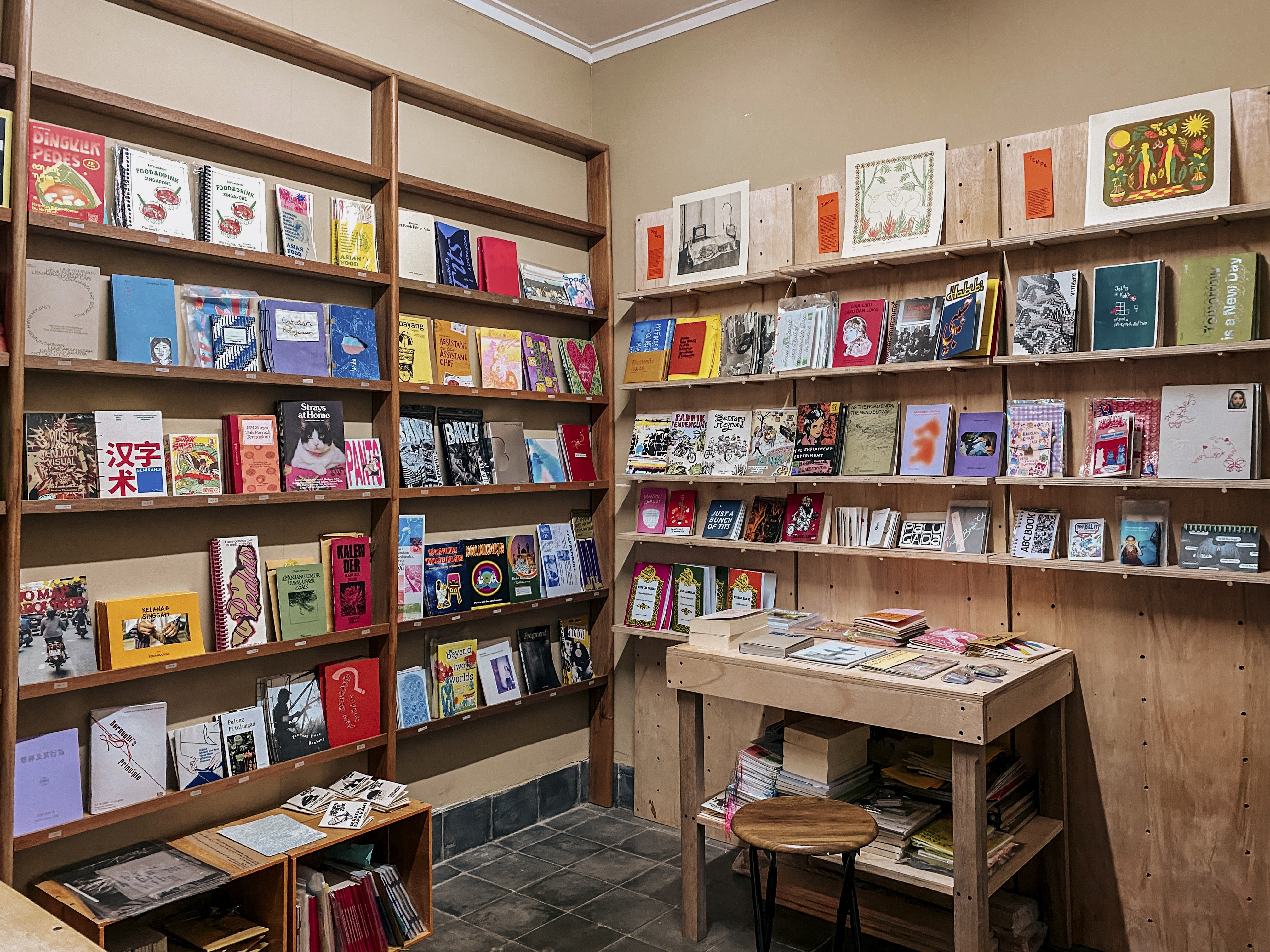
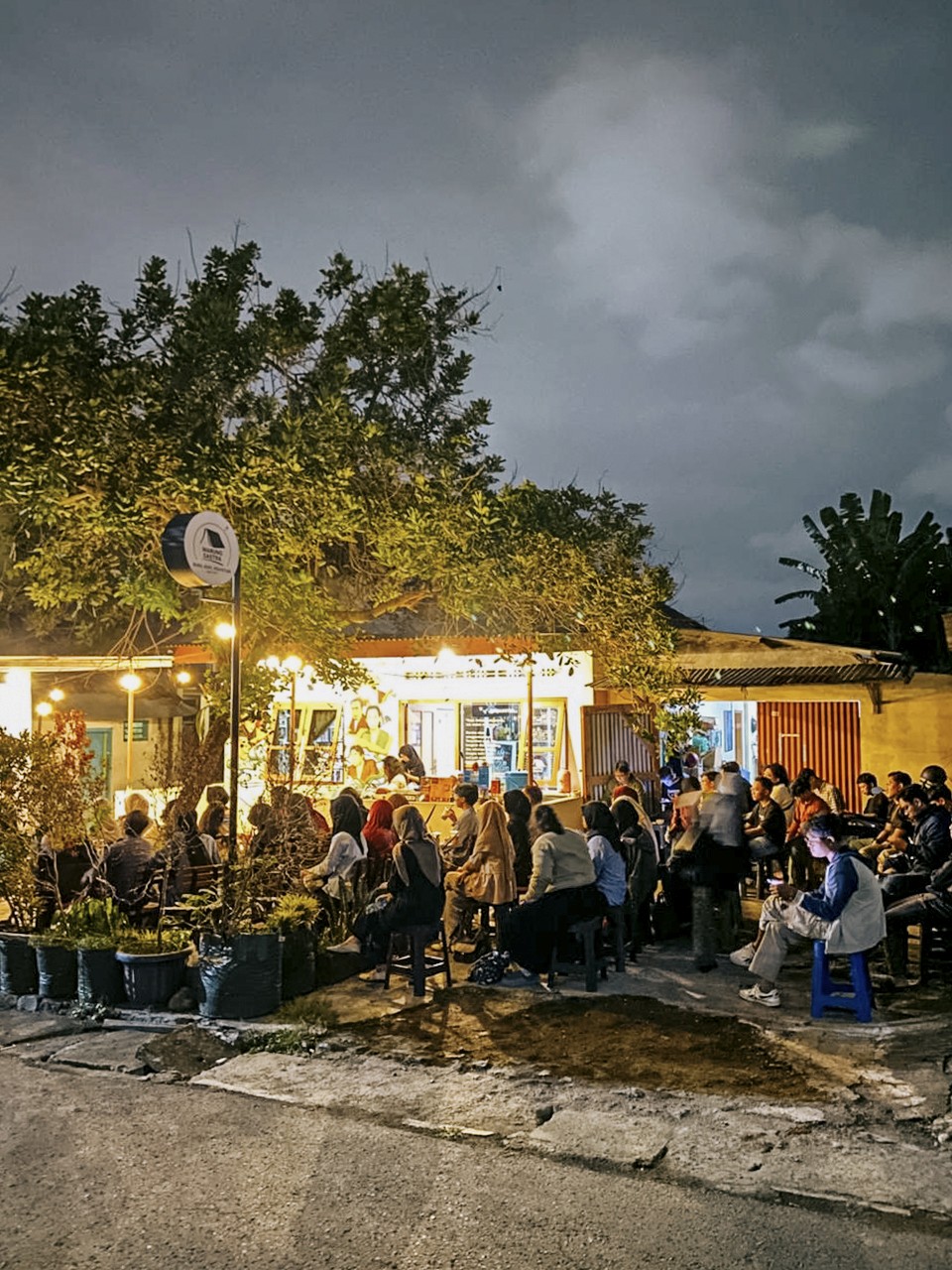
Photos: Cristian Rahadiansyah, TOS!, Warung Sastra
Rebel yell
Careful curation is another factor that propels these indie bookstores. Most have a distinctive character in what they offer, reflecting the preference of the owner. An example is Bawa Buku, which spotlights niche 'ideological' topics in Indonesia: queer culture, feminism and marginalised communities.
Intriguingly, the store is located within the historical compound of Taman Sari, a former royal bathing palace for princesses. Once in a while, Inun, the owner, gets summoned by the local officials to ensure that her book discussion is not violating “social norms”.
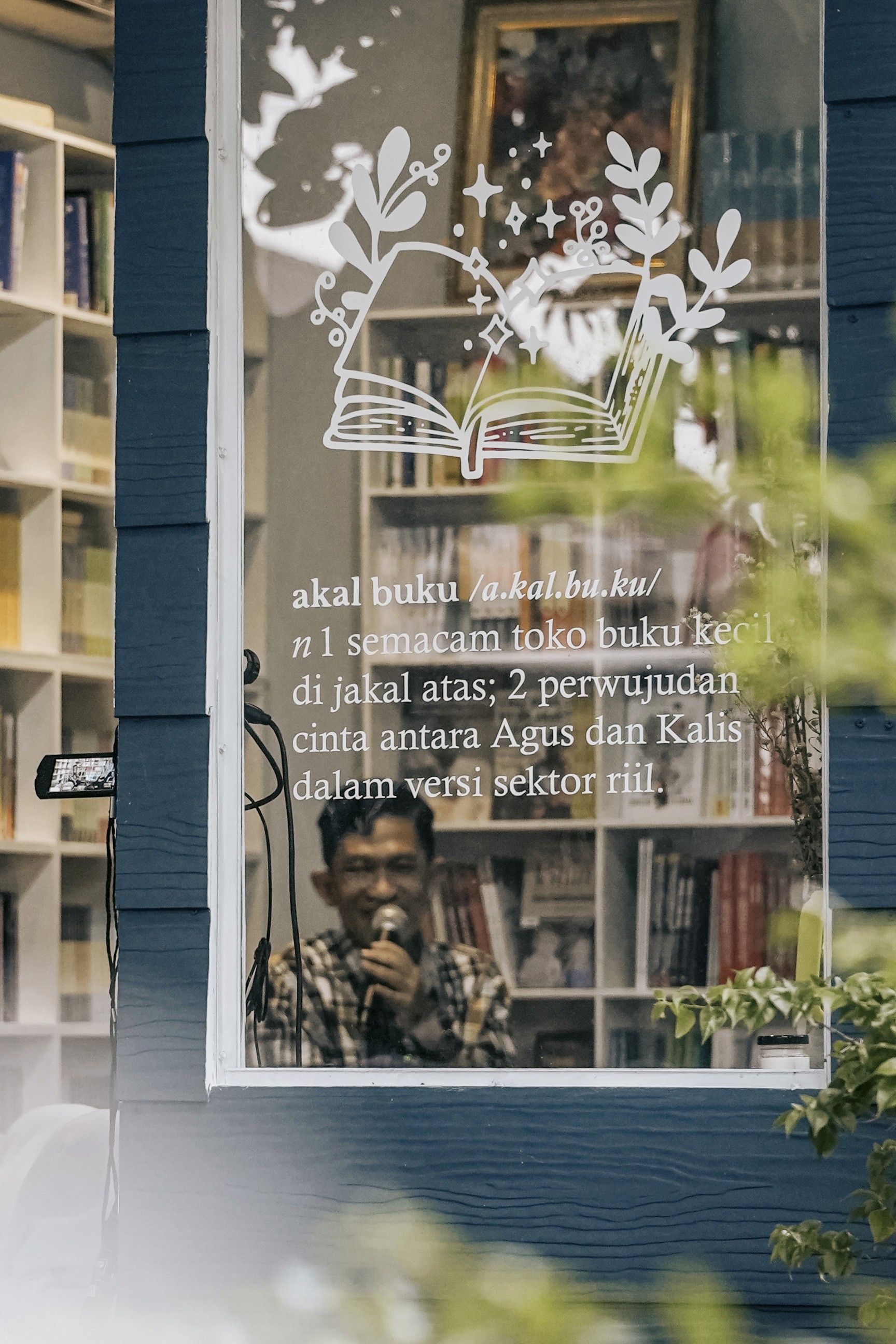
Also worth visiting for its solid curation is Akal Buku, run by celebrity couple Agus Mulyadi and Kalis Mardiasih, both writers and social media personalities. In the newly renovated shop nestled within the yard of their rented home, you’ll find many books published by indie publishers, and others that aren’t available elsewhere in Yogyakarta.
“We select books that we believe in, that we feel are important for people to read,” says Agus. It’s a risky bet, but Agus and Kalis seem to have a knack for business. Akal Buku once stunned the public when it sponsored a local football club – the first, and so far the only, bookstore to ever do so.
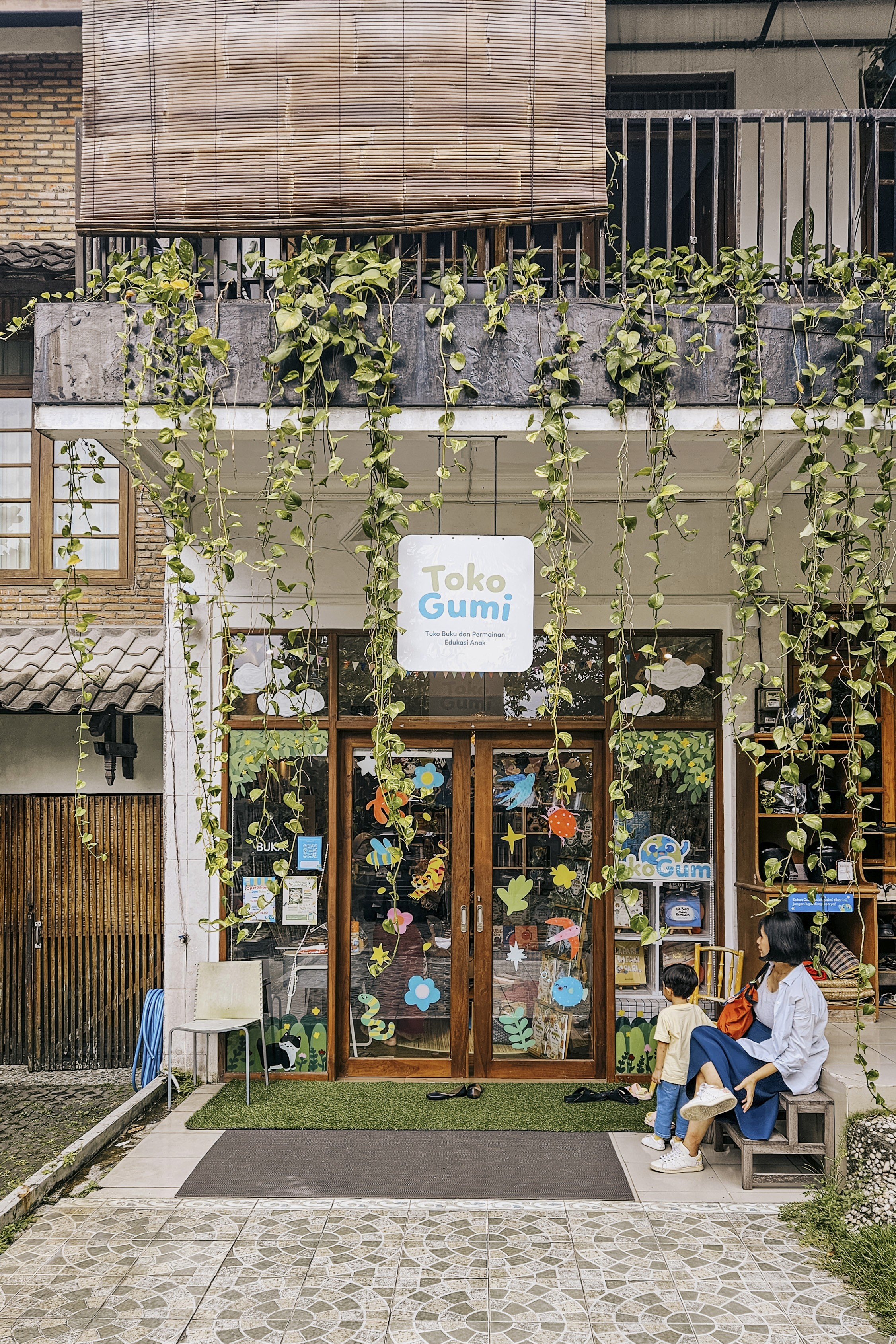
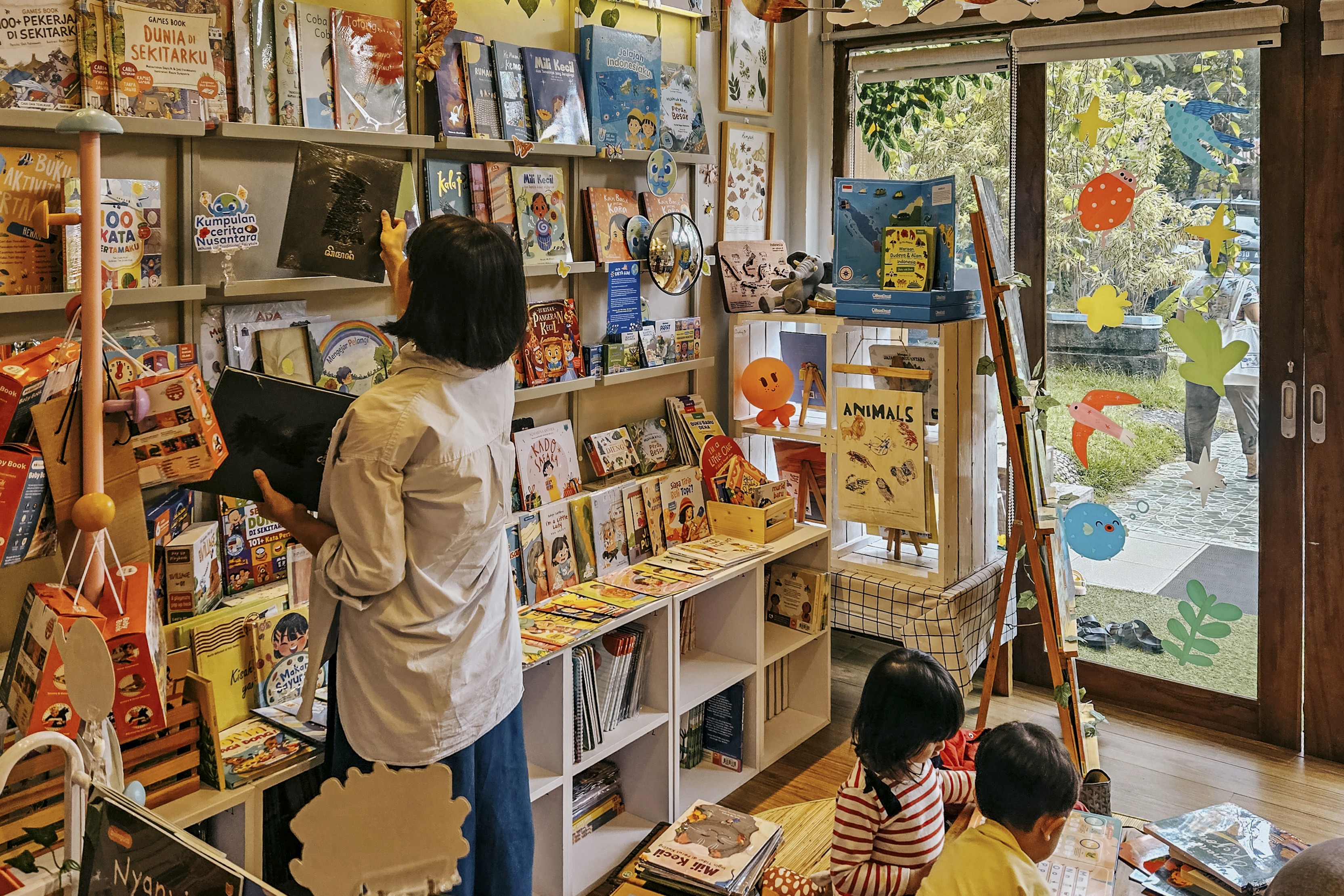
Photos: Bawa Buku, Akal Buku, Toko Gumi, Tos!
Catering to niche interests
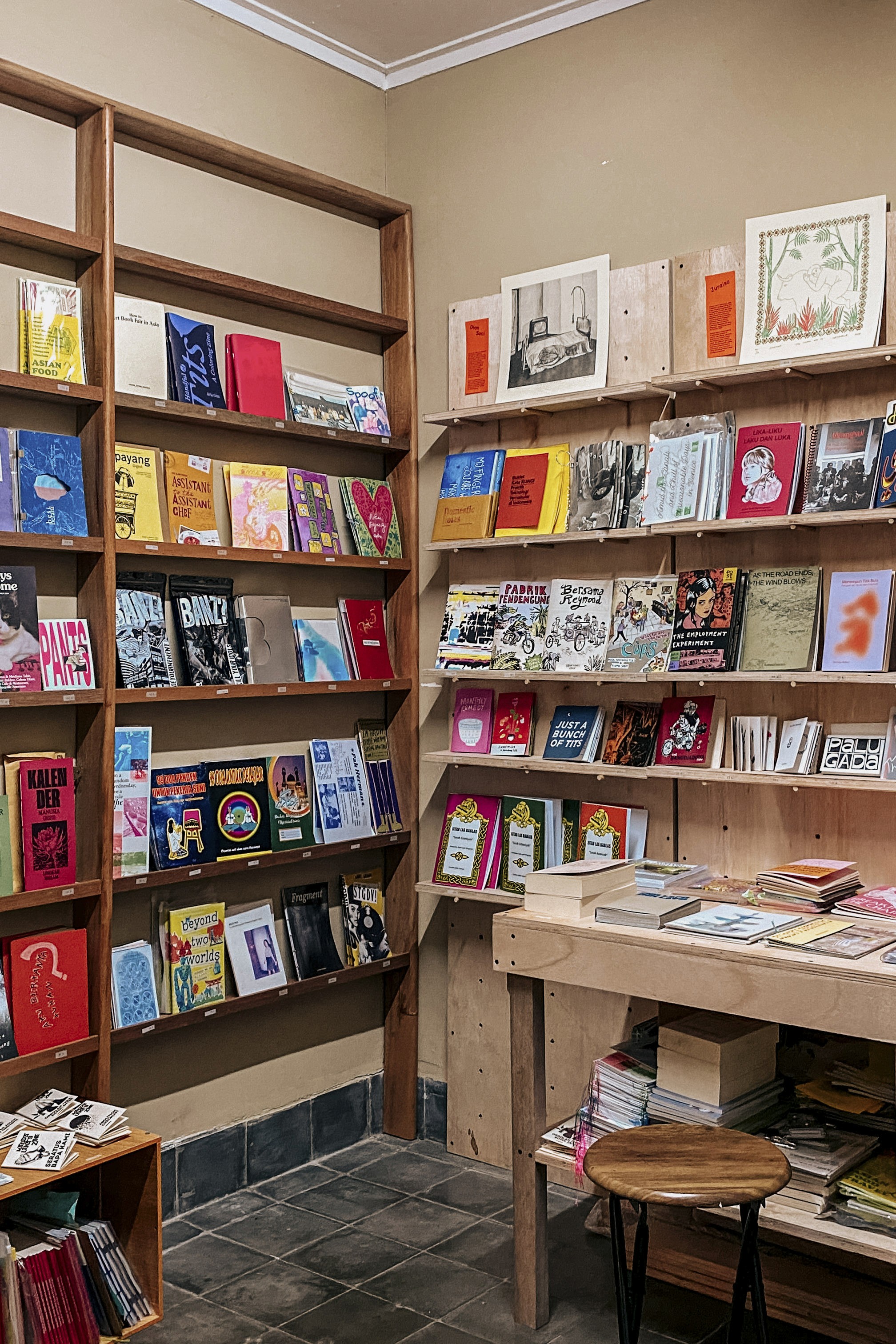
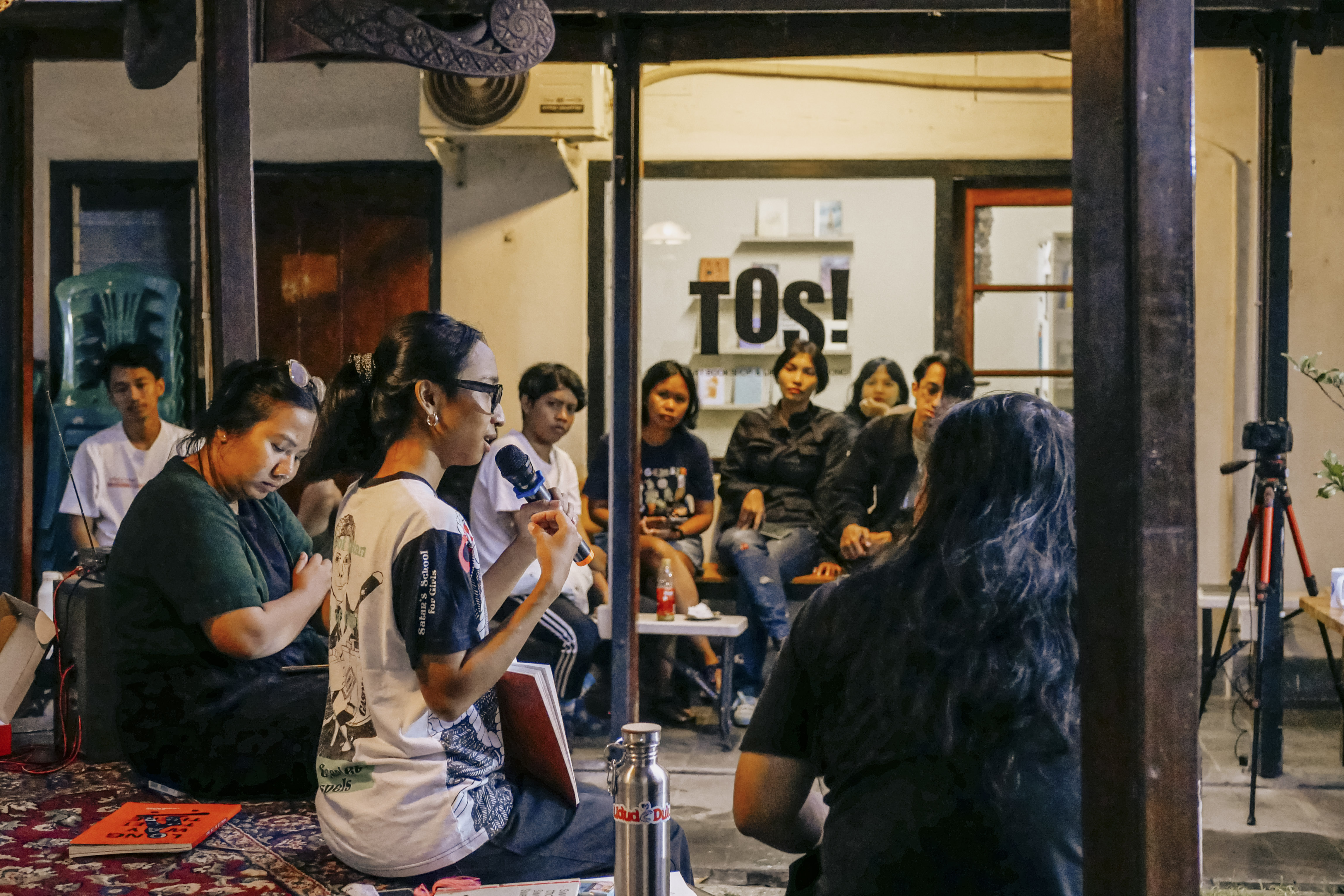
Other indie bookstores target specific markets. Toko Buku Seni Rupa, for example, focuses on selling art books, while Toko Perihal Cinta specialises in romance for young adults. TOS!, one of the newest additions to Yogyakarta’s indie bookstore scene, serves photobook and zine aficionados.
“In our first year, we surprised ourselves by selling over 1,000 copies,” says Kurnia Yaumil Fajar, TOS! co-founder.
“One of our most fulfilling moments was finding out that TOS! has encouraged people to publish their own zines, because now they know that they have a distribution channel.”
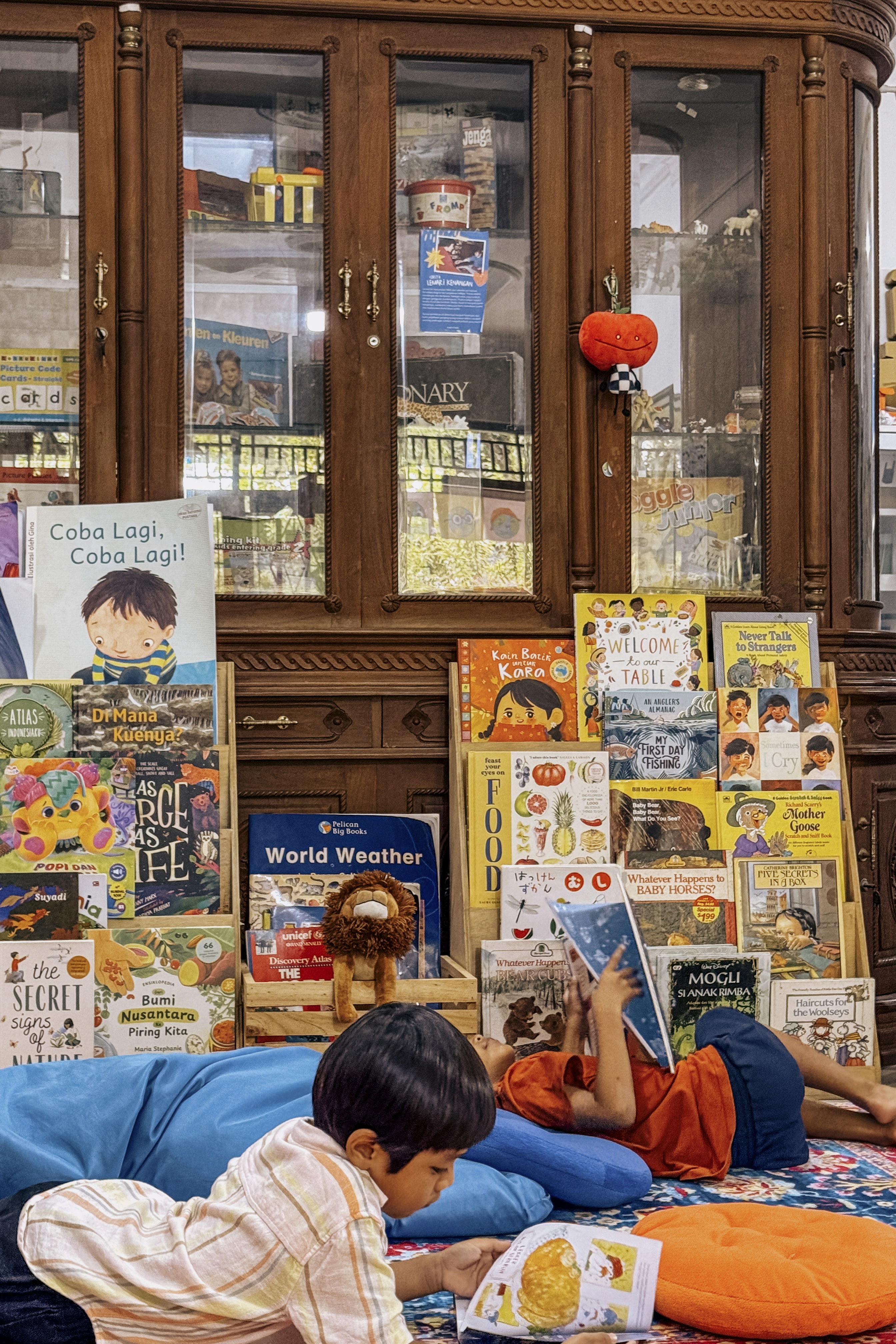
Children’s books, one of the fastest-growing markets, also has a dedicated indie store here. Toko Gumi, run by husband and wife Bob Singadikrama and Nathania Tifara, curates Indonesian children’s books from various publishing houses, including their own.
“Children’s books with strong visuals and narratives really helped me to make sense of the world,” says Nathania, who grew up with hearing disabilities and found she learned best through books and games.
“I realised there was a lack of educational media that highlighted local contexts. I strongly felt Indonesian children had every right to grow up with knowledge of their surroundings, so I started creating tools for them to learn with.”
Photos: Tos!, Toko Gumi (middle, right).