A tangle of horseshoe crabs sits in a plastic basin on a table, their shells overlapping, tails jutting out at odd angles. One tries to scramble over the others, then slips back into the heap with a dull clack.
✦
The young woman selling them reaches in and lifts one out to show me the underside. The eggs, she says, are the best part – cooked in lemak chilli padi, an unctuous gravy of heat and coconut milk.
This is the Pasar Ikan Bakar Batu, set along the riverbanks of Sungai Tebrau, where members of the Orang Seletar community bring in their catch and sell it along the shoreline.
For centuries, the Orang Seletar have called the strait between Malaysia’s Johor state and Singapore home. They share a close, ancestral relationship with the sea and used to live along the coastal waters of Seletar, before moving north to Stulang in Johor after Singapore’s independence. Eventually, they settled along these riverbanks as Johor Bahru expanded around them.
To sell their day’s produce, many still arrive by boat, pulling up to the river’s edge before tipping their catch into waiting basins – crabs scuttling in every direction, fish so fresh the creatures are still gasping for air.
✦
Later that day, I am in a car with Johor-born chef Kenny Tan – known amongst his chef peers as Wagyu Tan – driving through Taman Melodies, a Johor Bahru township with a fast-evolving dining scene.
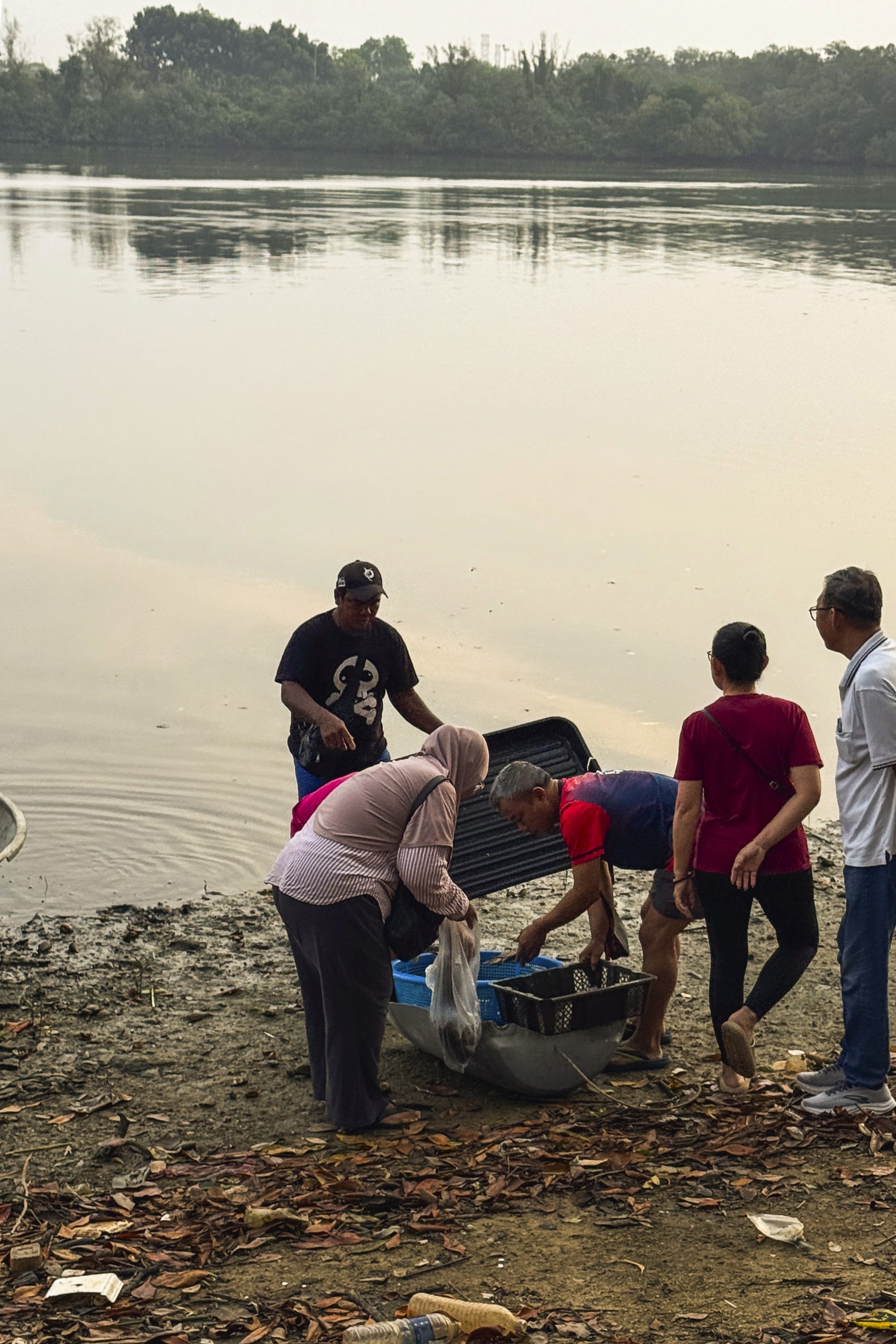
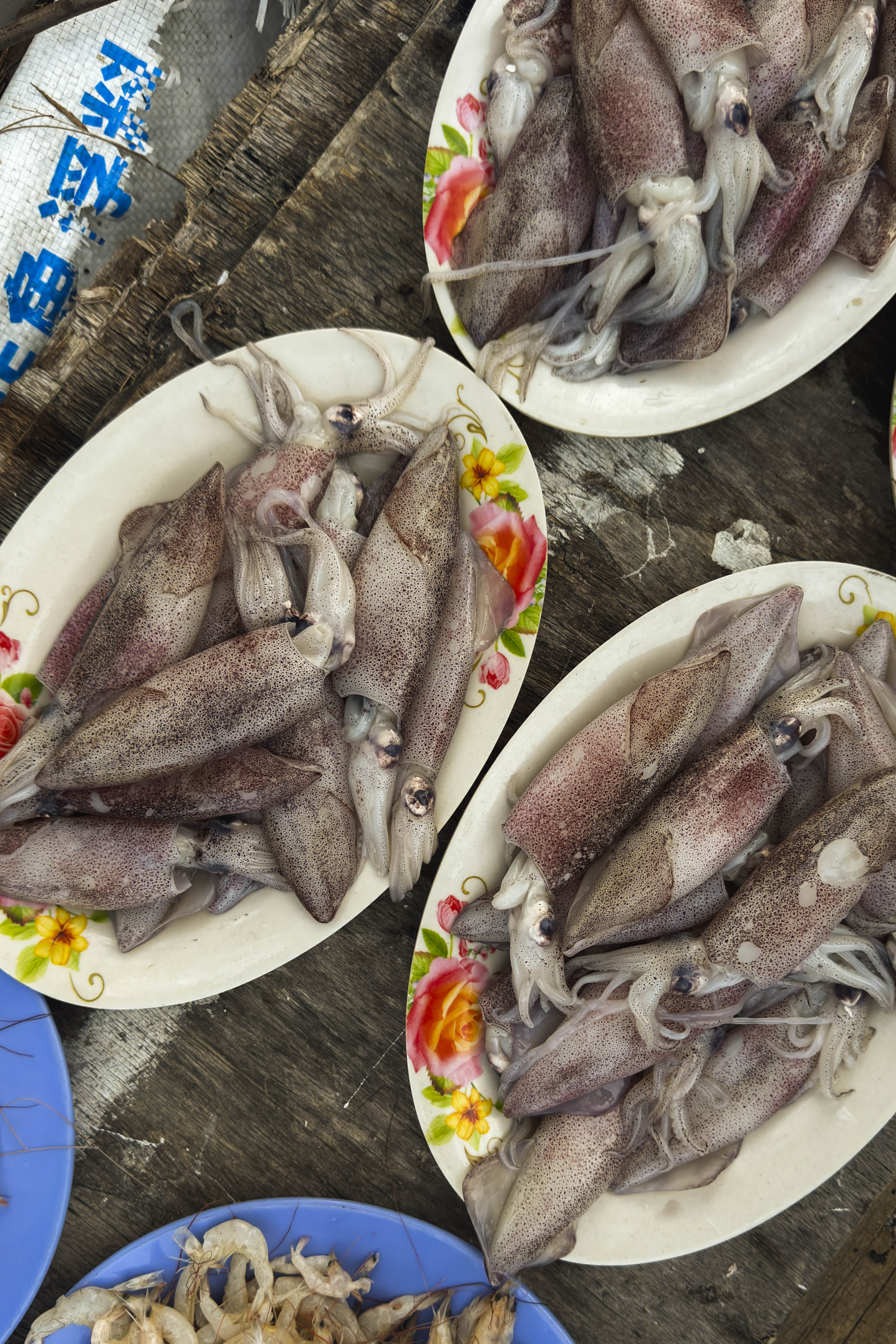
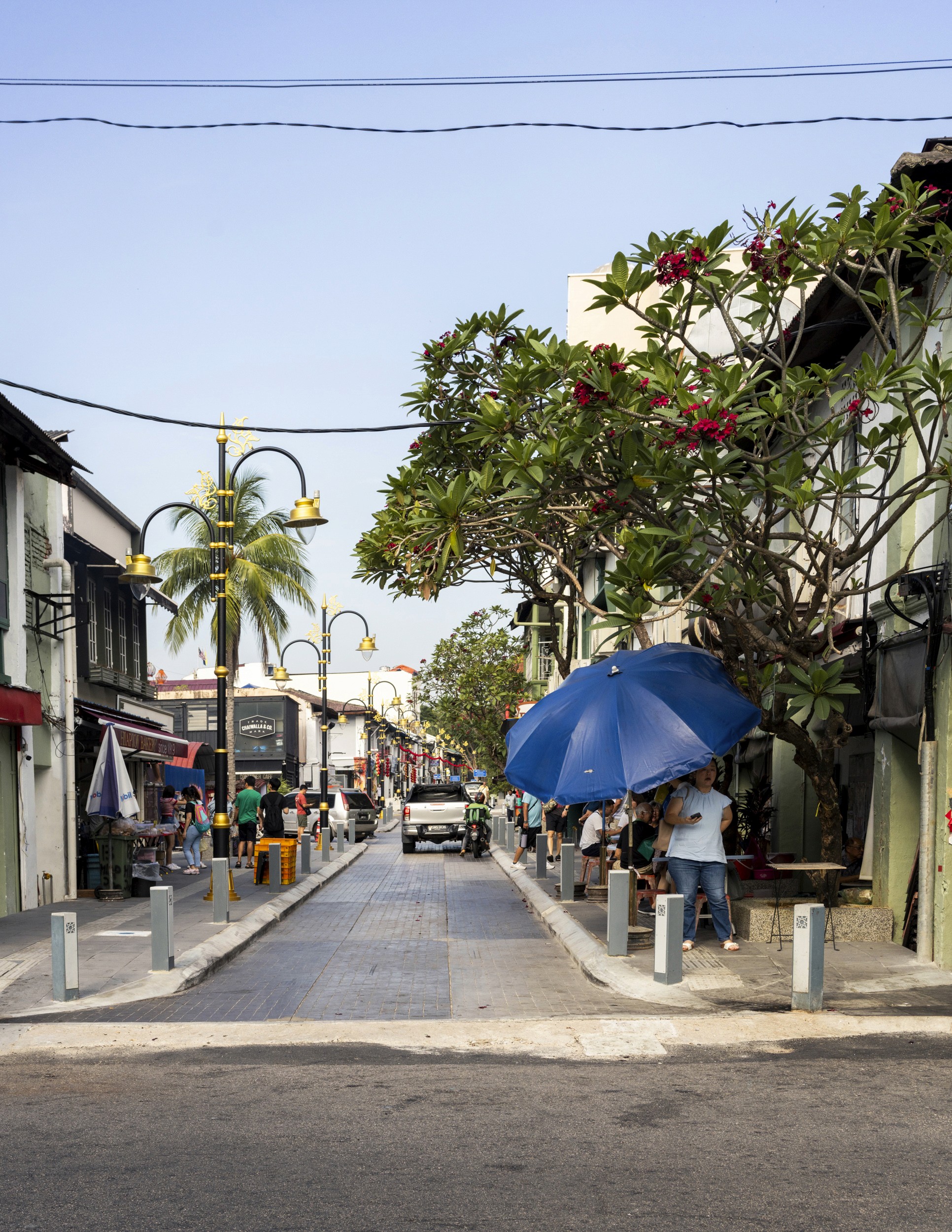
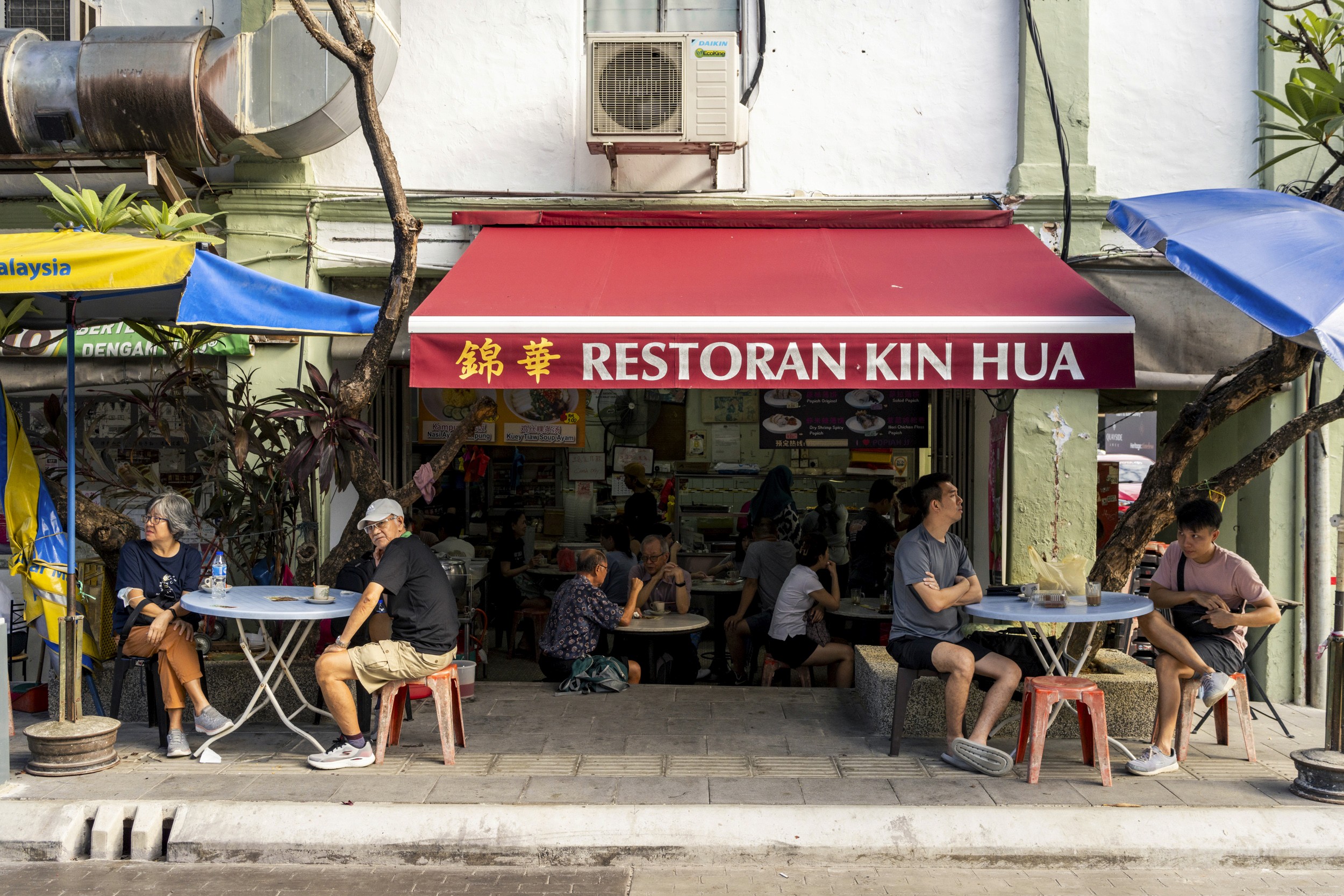
Lead photo: Lauryn Ishak. Photos: Azimin Saini (left, centre), Lauryn Ishak (right)
He left 10 years ago to pursue a culinary career in Penang, working at several award-winning restaurants. As we move, he points things out : a row of shoplots turned into cafés, a new concept that has just opened, another on its way.
He gestures towards Chaos Natural Wine Bar, where he is the chef-in-residence, then further down to Nooduo by Kioku, an artisanal noodle bar where every element is made from scratch and serves only 100 bowls each day.
“I left because I felt like nobody here wanted to do more,” he says, eyes on the steering wheel.
“But I came back because I can feel that JB has changed. I want to open my own restaurant here one day.”
Between the riverbanks and the shoplots of Taman Melodies, Johor Bahru is in the midst of a tidal shift. For decades, it has been defined as a wallet-friendly weekend destination for those in Singapore, while Kuala Lumpur’s residents barely think of visiting it at all.
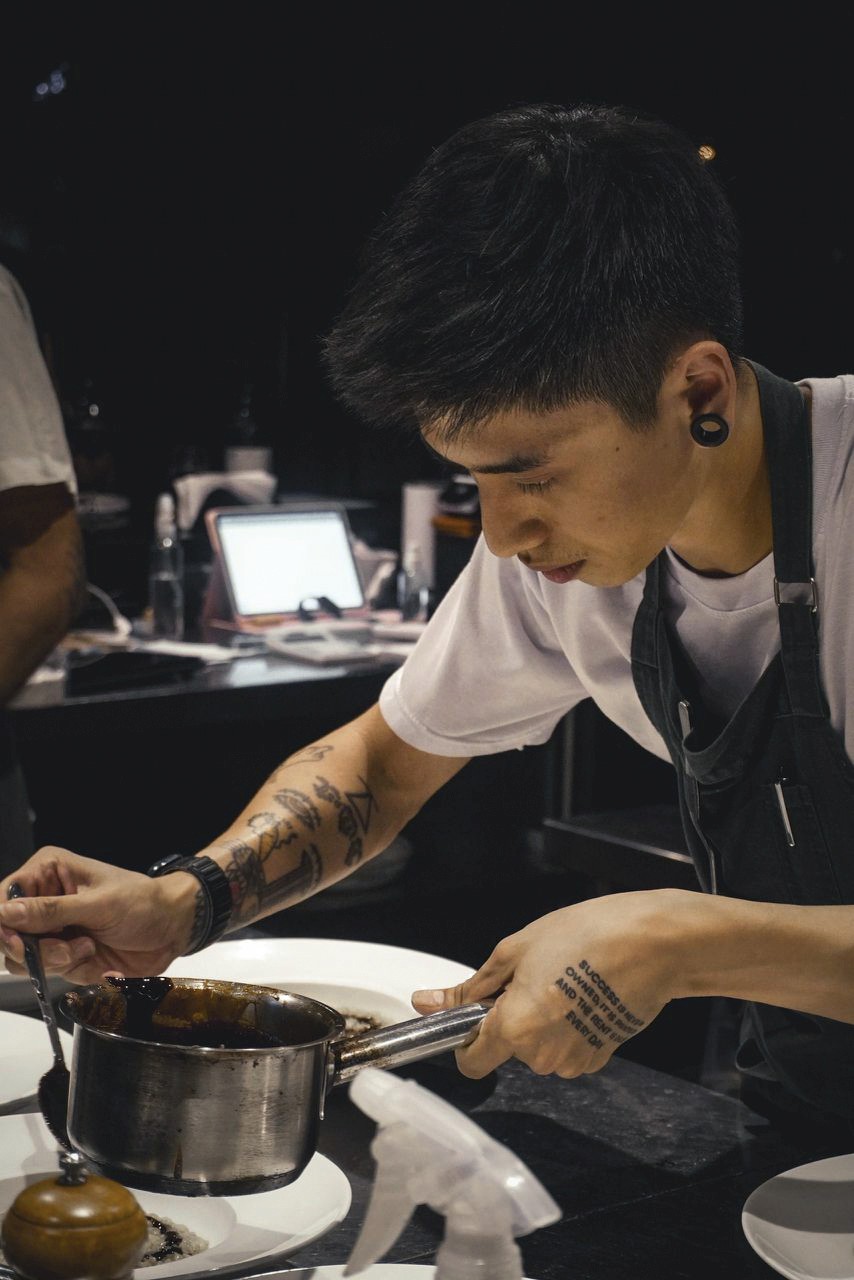
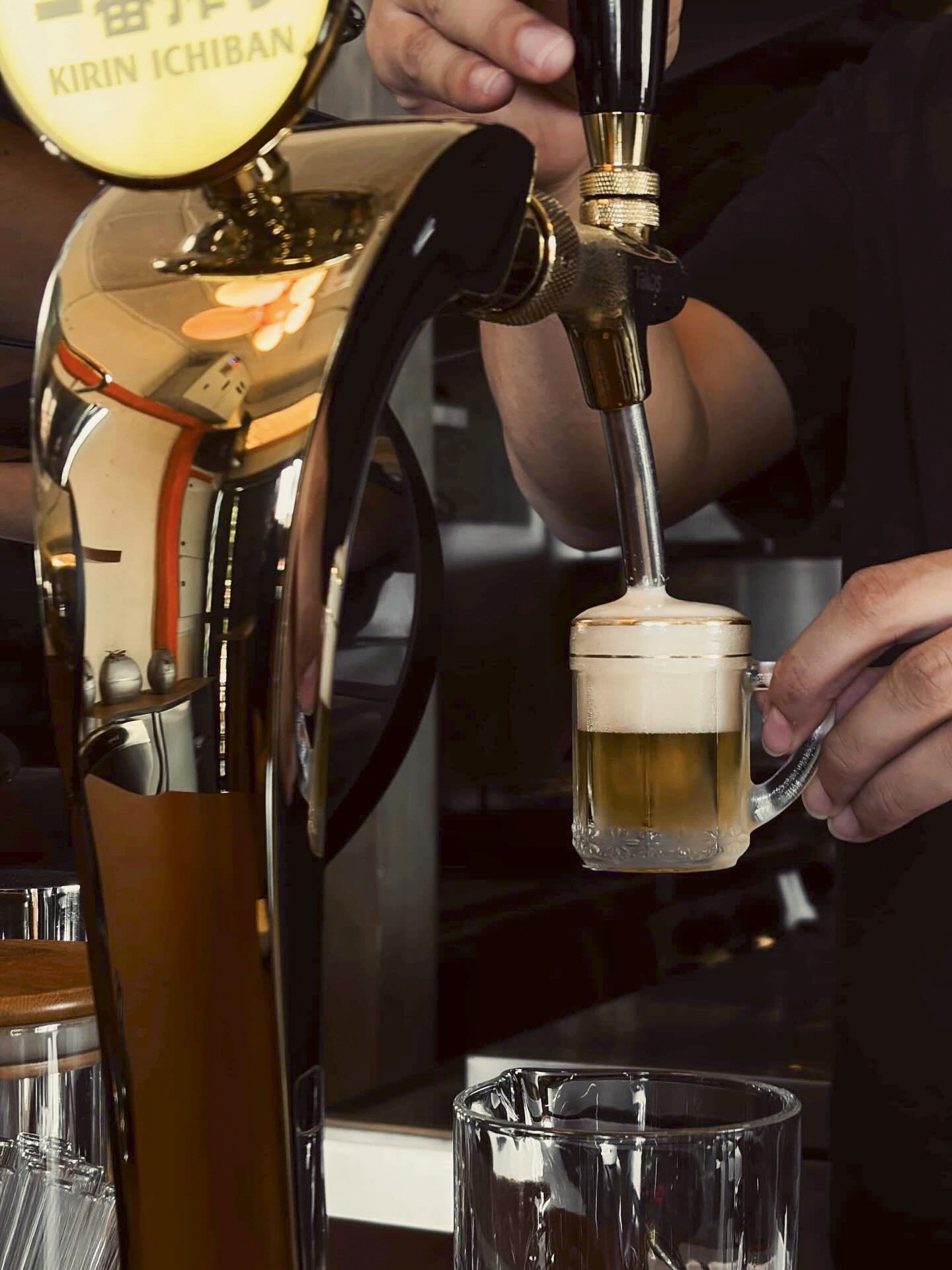
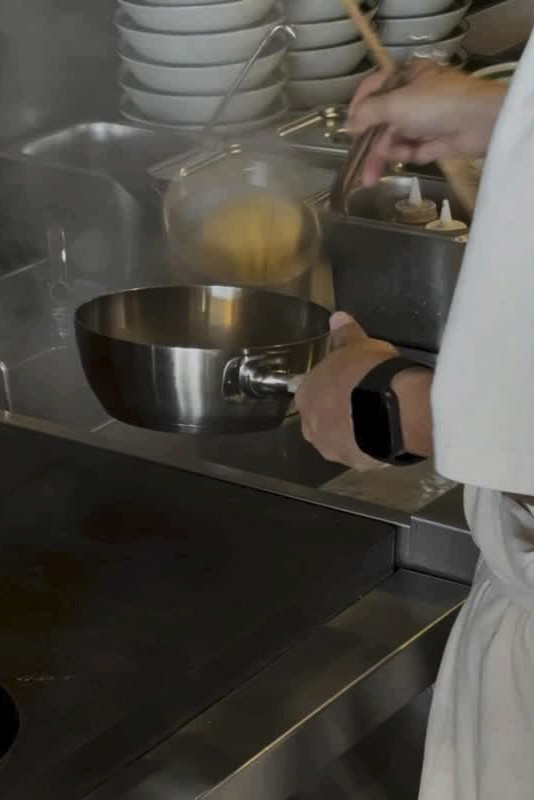
Photos: Chaos Natural Wine Bar (left), Nooduo by Kioku (centre, right)
That’s beginning to change. With the Electric Train Service (ETS) linking Johor Bahru directly to Kuala Lumpur and the Rapid Transit System (RTS) set to connect it to Singapore’s metro system, movement is set to be faster and convenient.
The effects are already visible. Across the city, a new crop of cafés, restaurants and bars are emerging alongside long-standing businesses.
Neither replaces the other. They exist side by side, often just minutes apart on foot or a short car ride away.
A city in motion
Shuu Patisserie in Taman Abad is one of the newer openings. Co-founder and patissier Annie Low trained in Kuala Lumpur before returning to Johor Bahru, drawn back by both familiarity and a sense that the city was beginning to evolve.
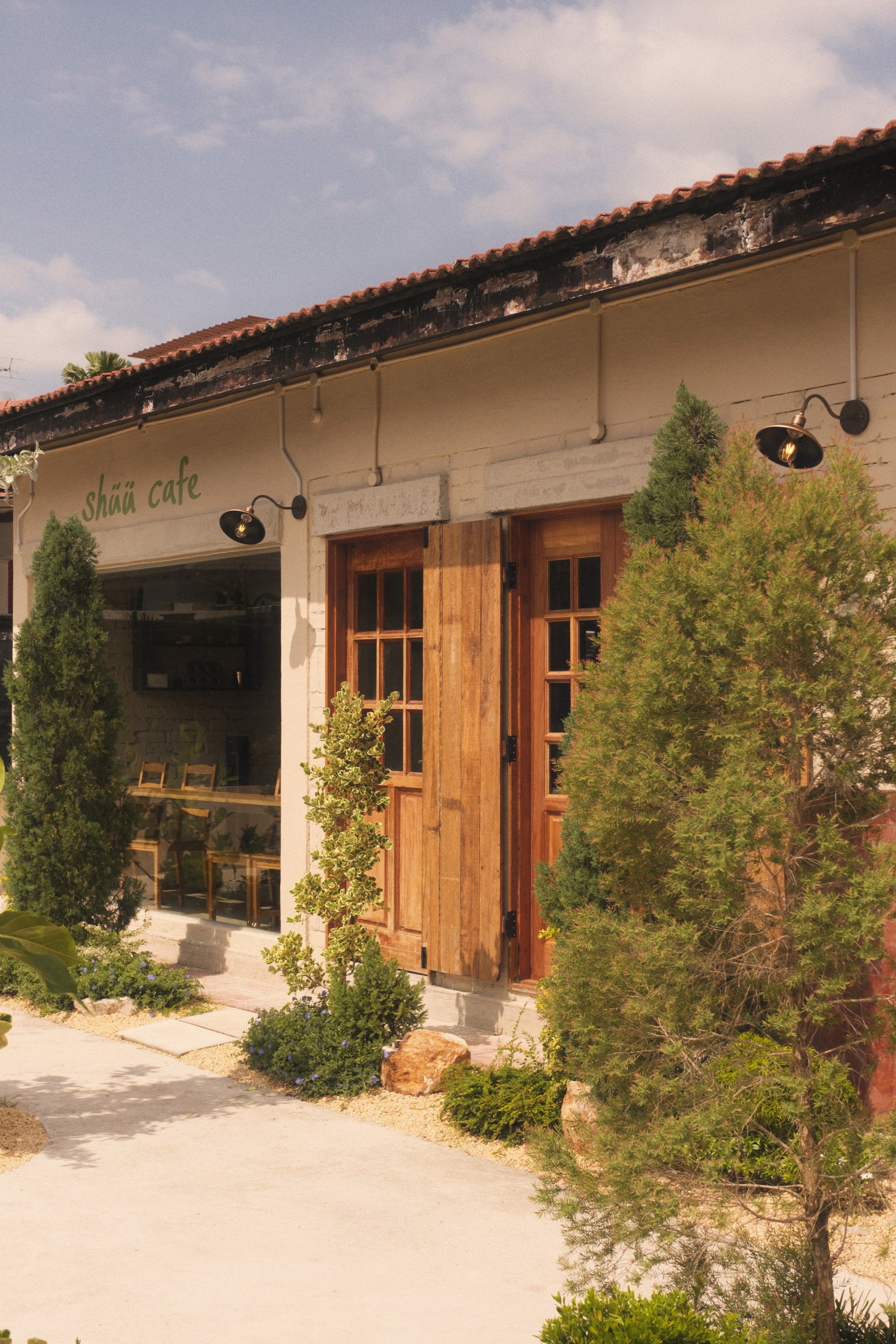
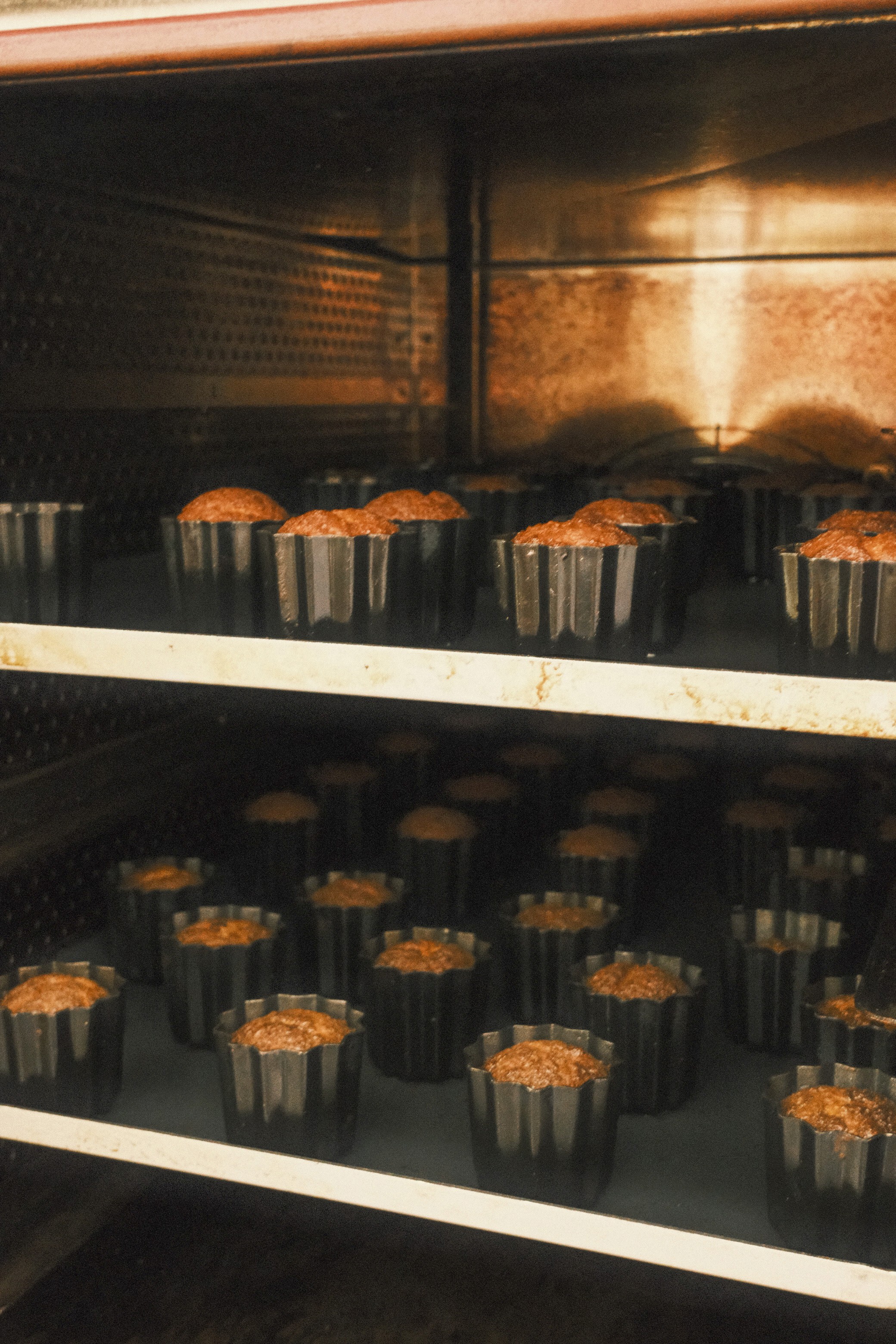
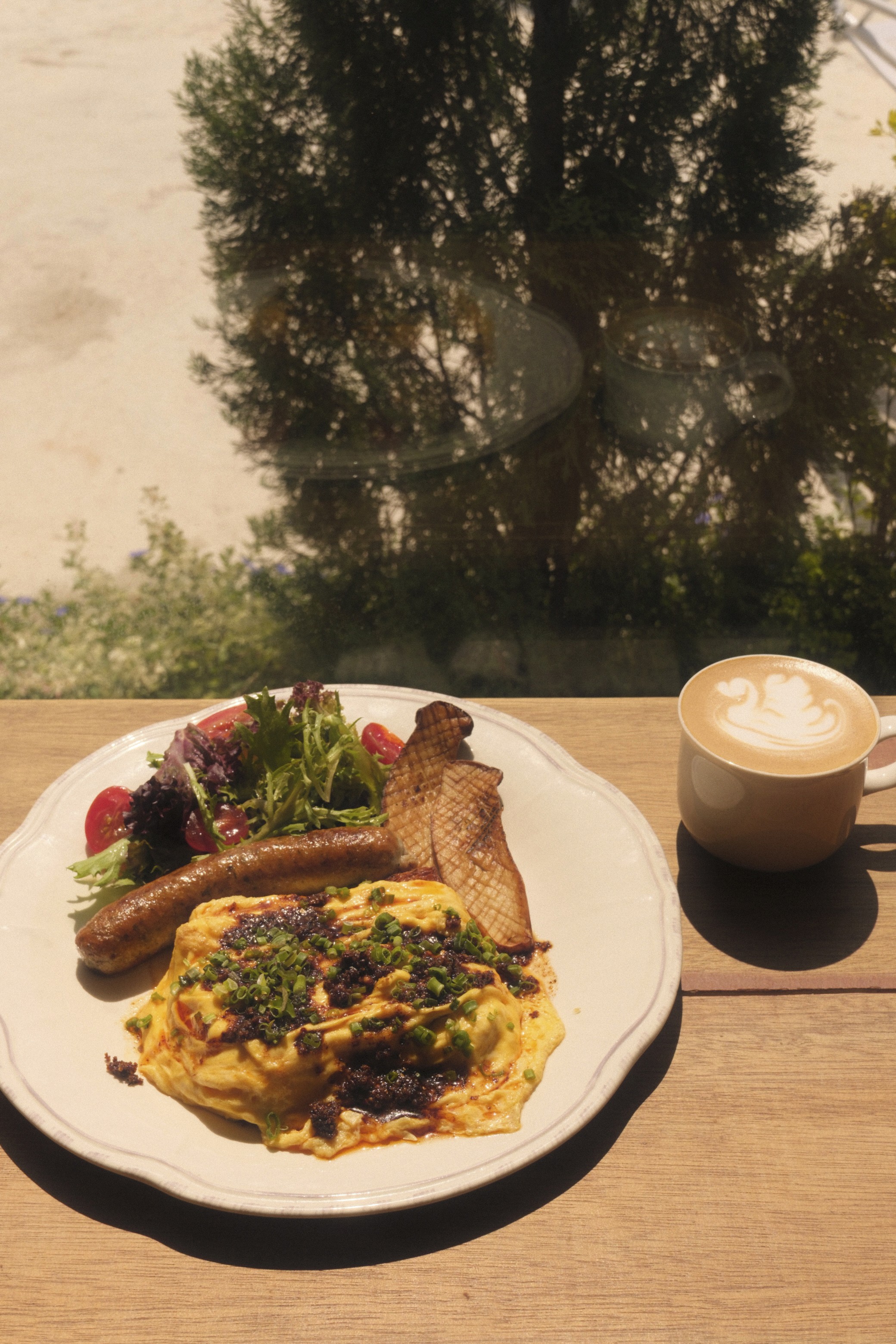
Photos: Shuu Patisserie
“This is my hometown – it’s where I first discovered my passion for baking, and also where I found my first customers when I started my online business during Covid,” she says.
“Coming back to JB felt very personal. It wasn’t just about opening a café, but about building something meaningful in the place that shaped me.”
The patisserie’s glass displays teem with plump choux pastries and thick slices of cake, the kind of spread that would have been difficult to find in Johor Bahru just five years ago.
In recent months, too, operators from Kuala Lumpur have begun moving in, moulding the city in ways that once felt premature.
CookieCrumbs, a cult favourite from KL and loved for its giant soft cookies, opened its JB outpost earlier this year, drawing the same crowd that once made the journey north.
Along heritage street Jalan Tan Hiok Nee, contemporary Malaysian label Anaabu has set up a physical space, signalling a confidence that extends beyond food and into retail.
The store carries its line of clothing – relaxed, often genderless pieces in cotton and linen, with loose, deconstructed silhouettes that draw from traditional Malay and Chinese garments, reworked for everyday wear.
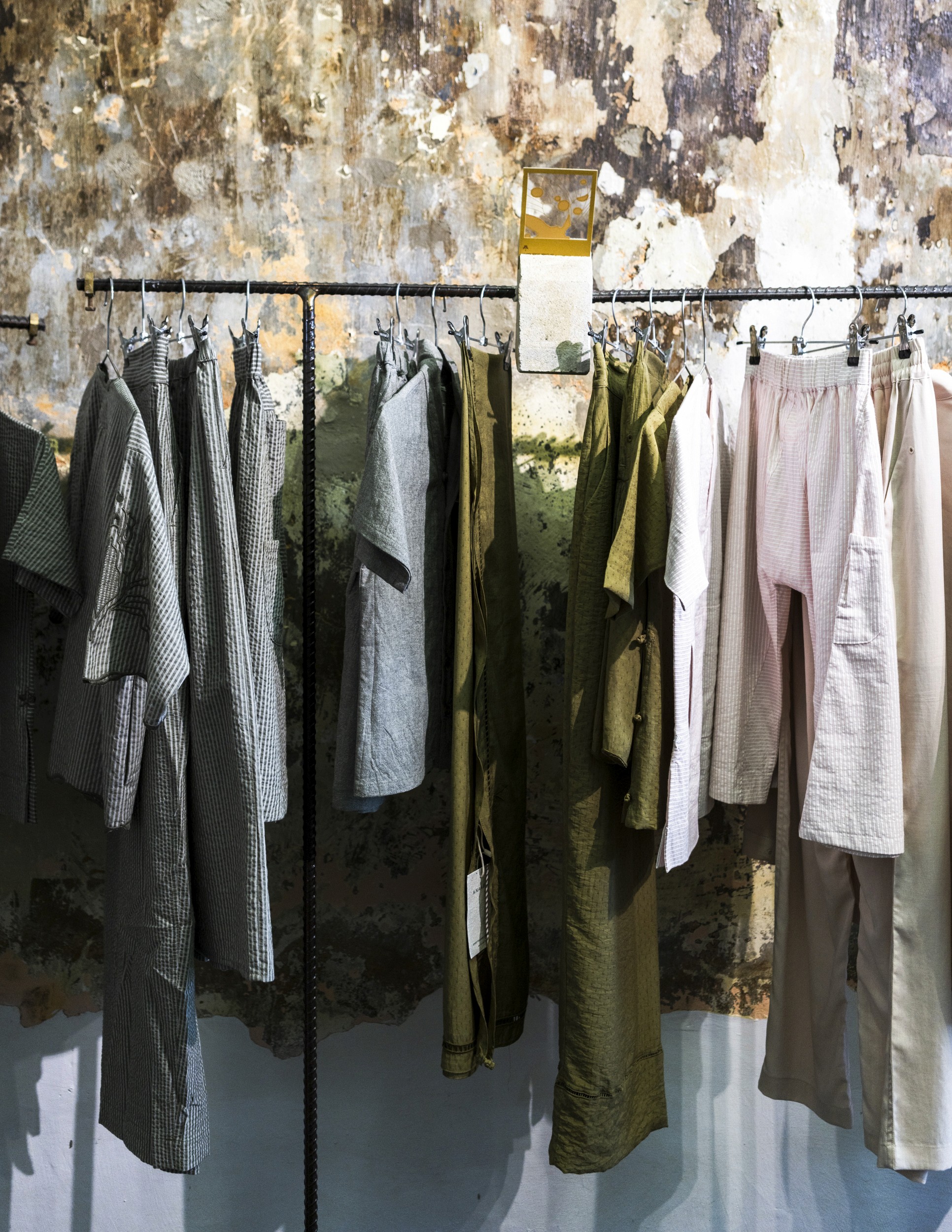
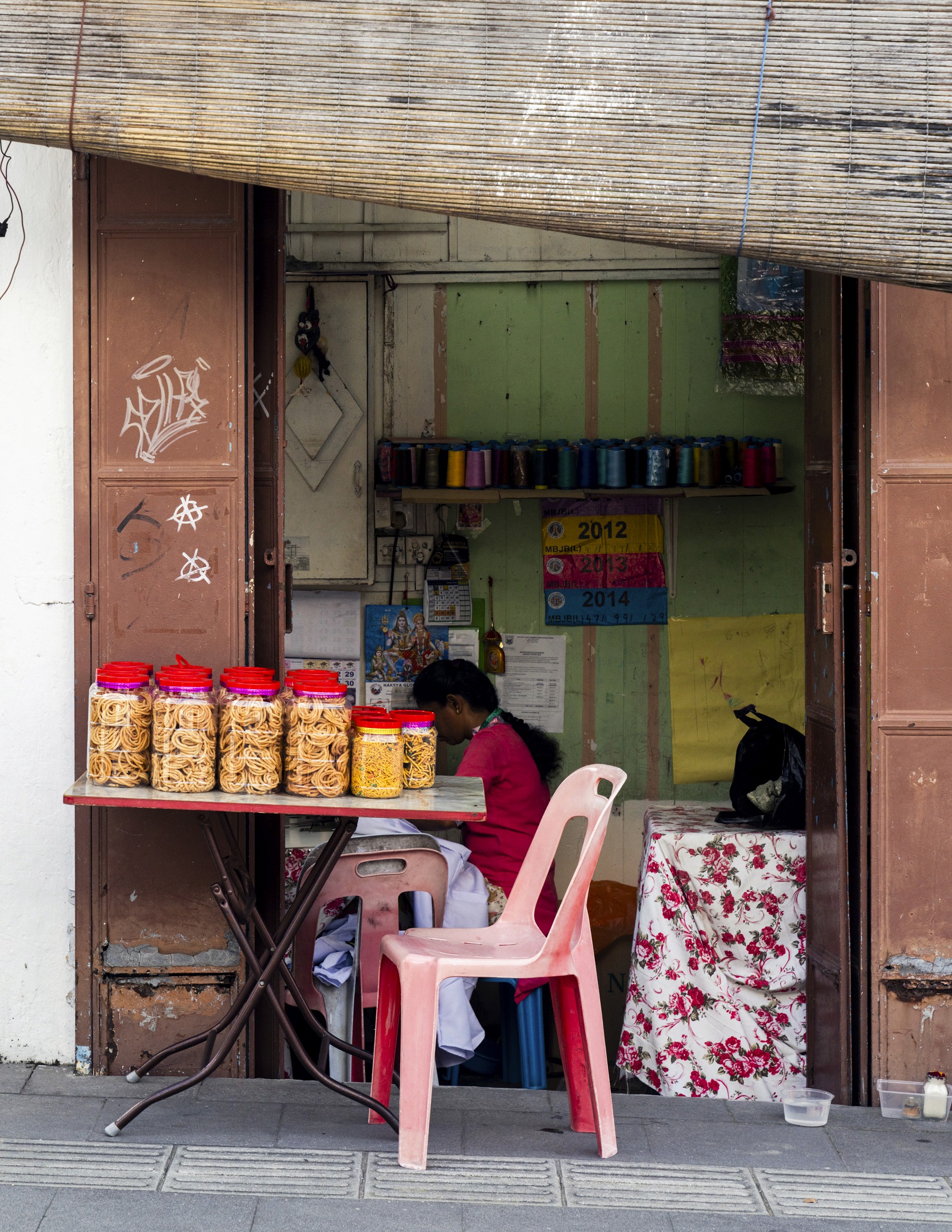
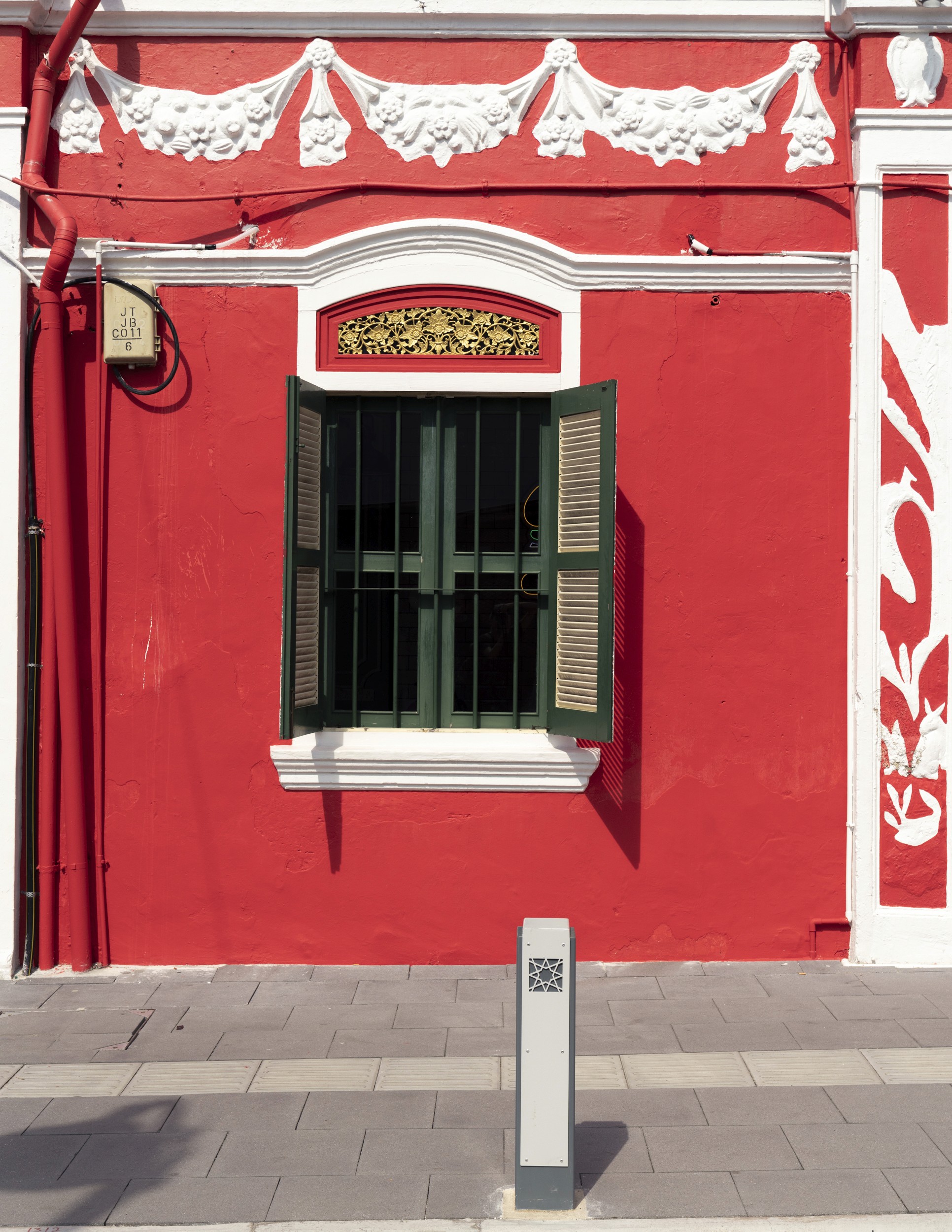
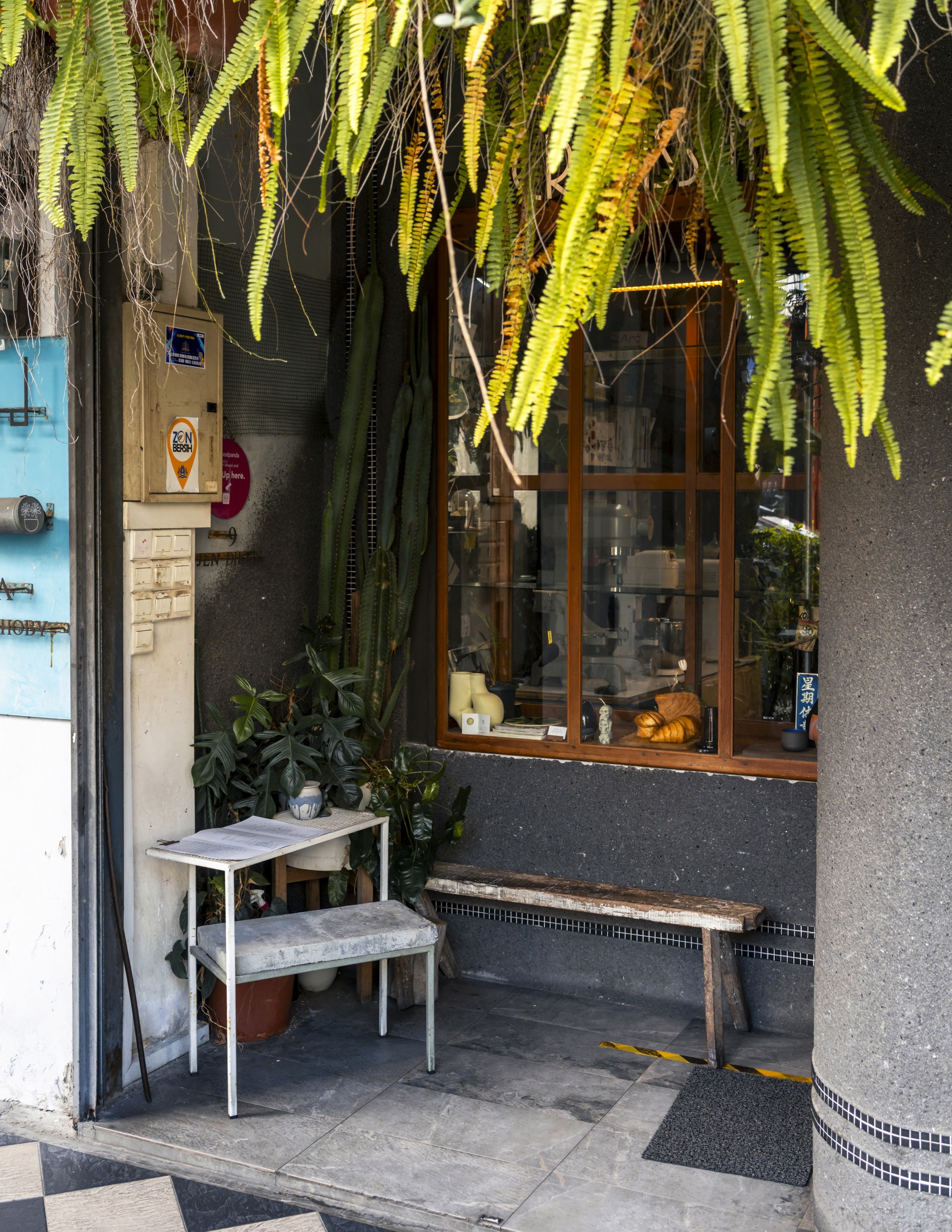
Photos: Lauryn Ishak
Staying in Johor Bahru is beginning to look different as well. YTL Hotels – the group behind properties like The Ritz-Carlton, Kuala Lumpur and resorts from Niseko to Saint-Tropez – has announced plans to open a JW Marriott in December 2026, its second in Malaysia after Kuala Lumpur. It follows the arrival of international names like Sheraton in Bukit Senyum, giving travellers more reason to stay the night.
✦
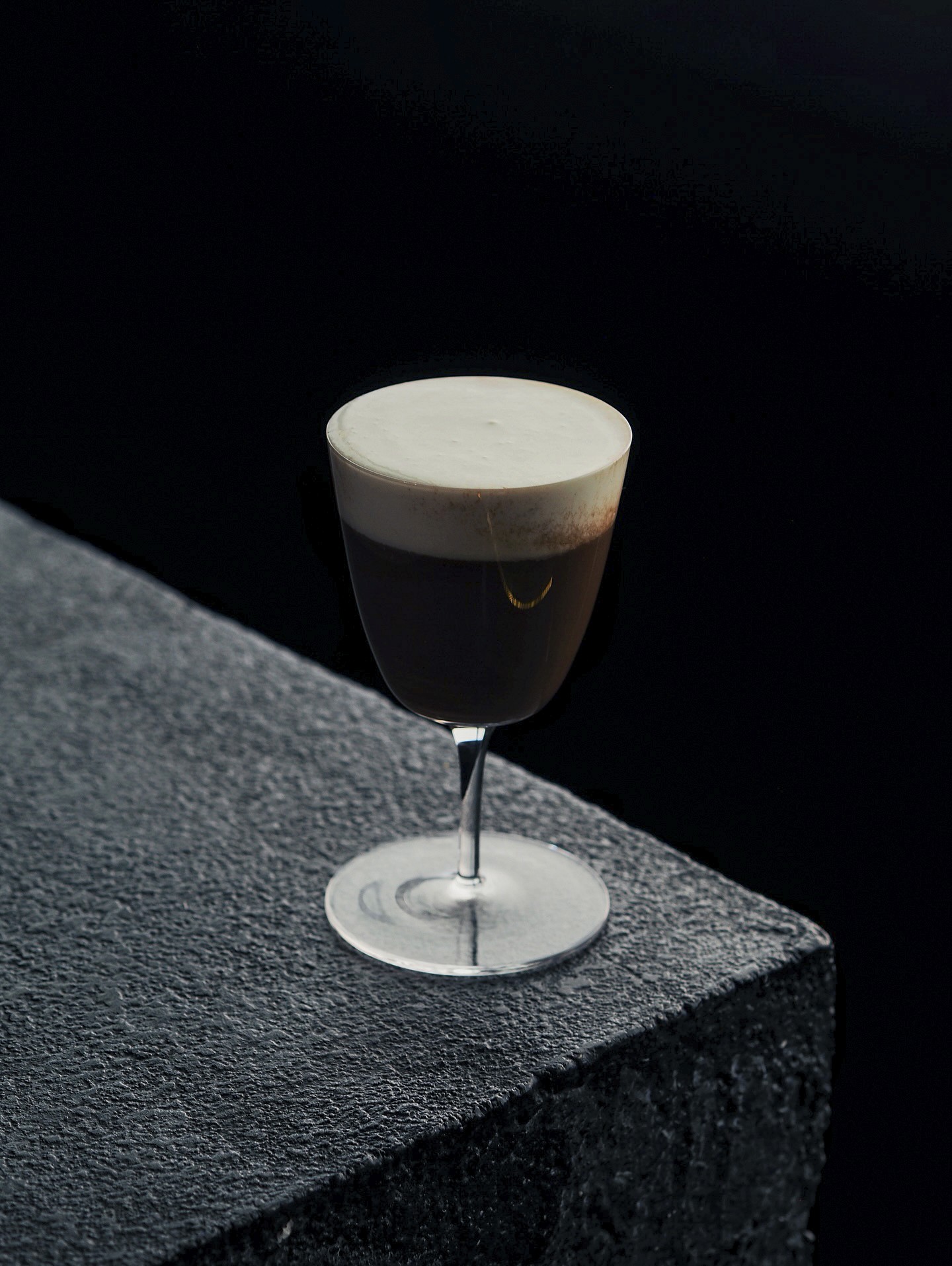
The drinks scene doesn’t disappoint, either. For cocktails, head to Shui, an award-winning mixology bar known for its clear, spirit-forward drinks that look simple but take far more work than they suggest.
Here, clarified cocktails, house-made amazake, and negronis infused with local ingredients like pandan sit on the menu, each conceived with precision.
For craft beer, head back to Taman Melodies. Shoot Taproom keeps a rotating selection on tap, tucked behind a back alley entrance along Jalan Beringin for those in the know.
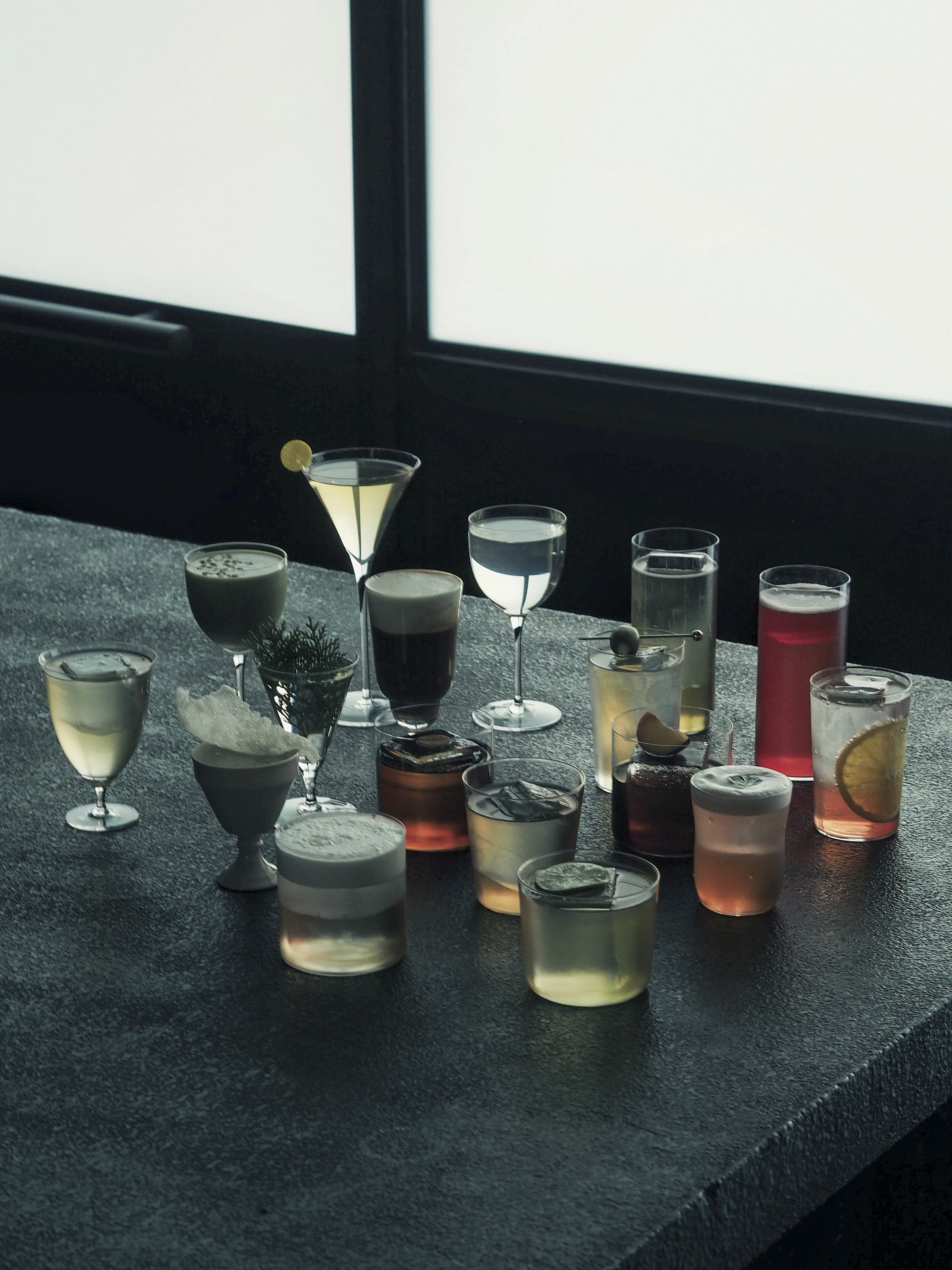
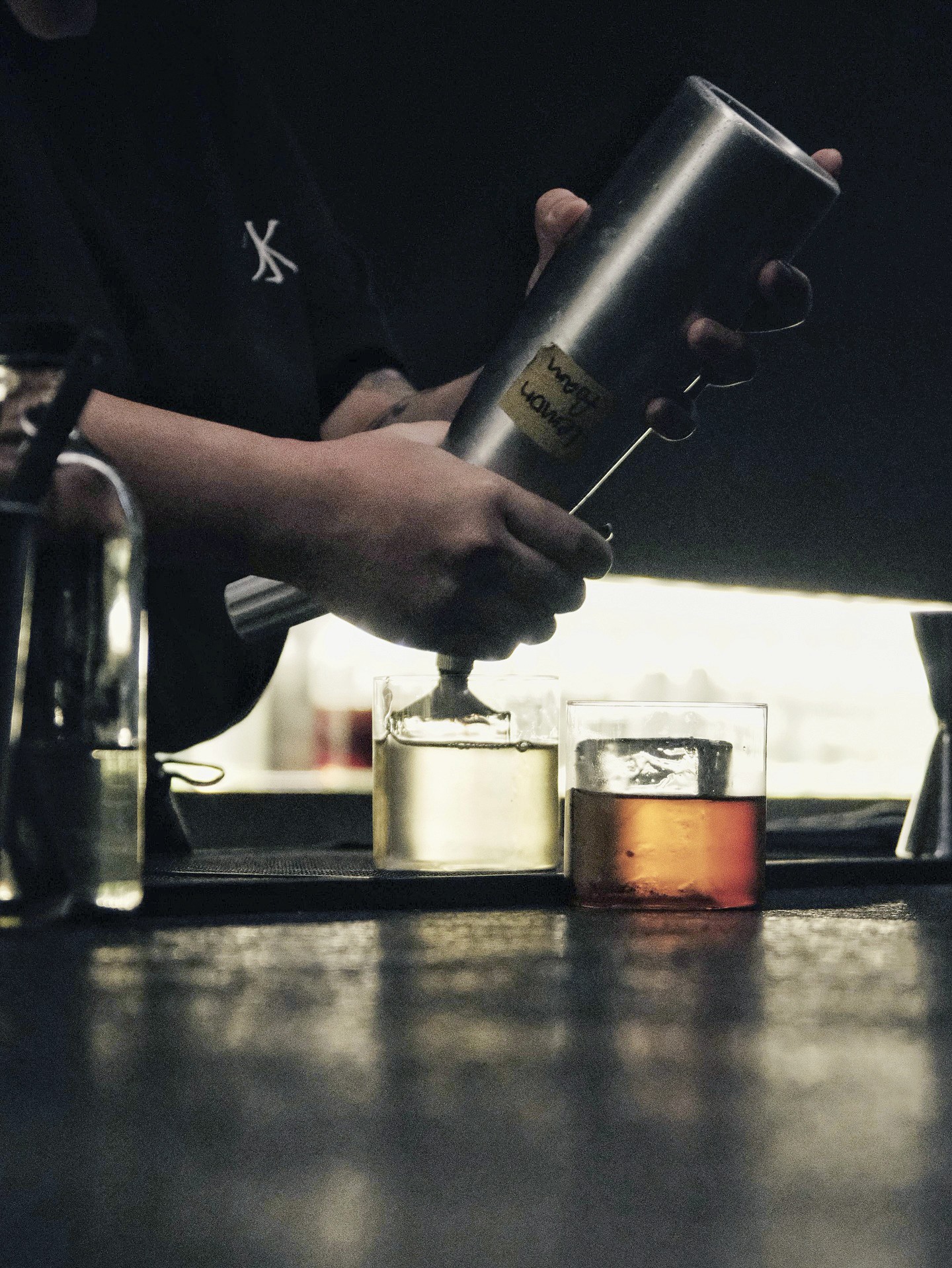
Photos: Shui
Where it begins
Not everything worth visiting, however, is new or hip.
JB continues to do traditional fare rooted in Malaysia’s culinary traditions well. At Santapan Village, food is laid out as a spread, with rice at the centre and dishes taken as you like. The gulai itik salai carries a deep, smoky richness, the duck is slow-cooked in a coconut-based gravy, while the pekasam – a fermented and fried fish product – cuts through with a sharp, savoury edge.
Over at Lauk in Taman Tasek, the cooking stays closely traditional to what people know: sambals that hit fast and linger on the palate, vegetables cooked just shy of soft, gravies built to go with rice rather than stand on their own. Nothing here is reworked or reframed.
The food is made the way it has always been, and people return because it tastes the way they remember.
But to truly understand the culinary DNA of south Malaysia, one must visit the farmer’s market Pasar Tani Datin Halimah. This is where farmers gather to sell produce from across the state – bundles of herbs and fresh local greens are stacked beside baskets of okra and eggs of every variety. There are trays of dried fish and bottles of foraged honey set out beside a massive hot wok, where banana chips crackle as they hit the oil.
This is the part of the city Tan keeps returning to in his head.
Back in his car, he talks about the kind of restaurant he wants to open eventually, one that begins with what is already available, rather than what needs to be brought in. He talks about going to the markets himself, getting to know the people behind the produce and building a meaningful space that grows out of those relationships.
“I want to create something more community-driven, that showcases what JB has to offer,” he adds.
I think back to Pasar Ikan Bakar Batu – the basins of crabs, the sellers arriving on the river banks by boat and all manner of fish still flopping around the bare tables.
Everything he needs is already in place. And for the intrepid traveller, it’s becoming easier to see it all now – one only needs to know where to look.