At Sunday Service, your coffee preferences are remembered. Kopikhoo notices when you haven’t visited in a while. Side Quest takes note of which bakes you’ve tried and which ones you loved.
✦
This is unusual enough in an F&B landscape dominated by commercial brands and ubiquitous uniformity. But what’s really surprising is where it’s happening.
Out of living rooms, kitchen counters and takeaway windows cut into residential walls, a growing movement of home cafes is crafting deeply personal experiences – and reshaping what hospitality can feel like in pragmatic Singapore.
Built on intimacy and whimsy, these places offer coffee as cultural encounter rather than commodity. And guests aren’t just numbers on a ticket. On most days, a visit feels more like a casual gathering with friends and like-minded coffee lovers than stopping by a retail operation.
✦
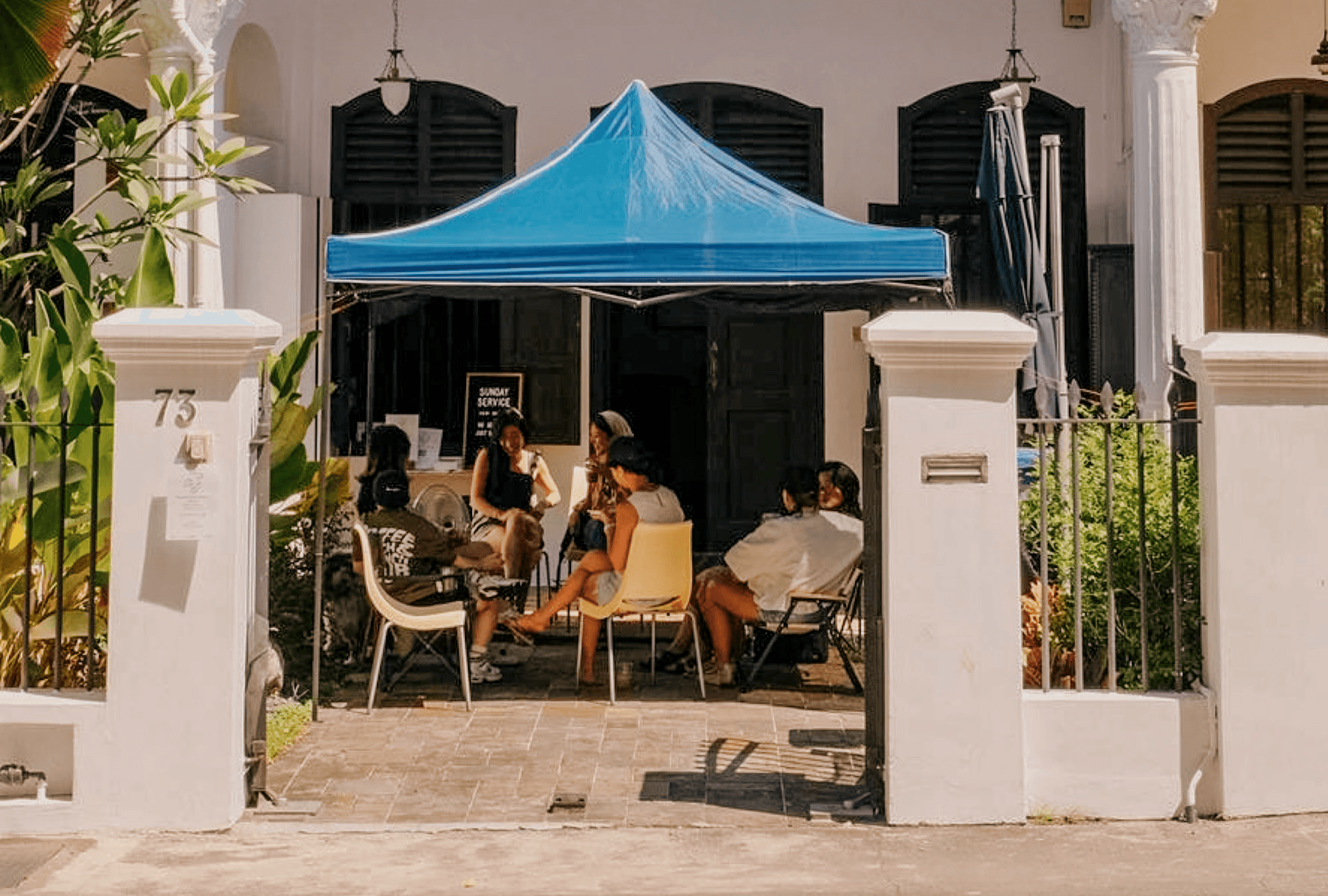
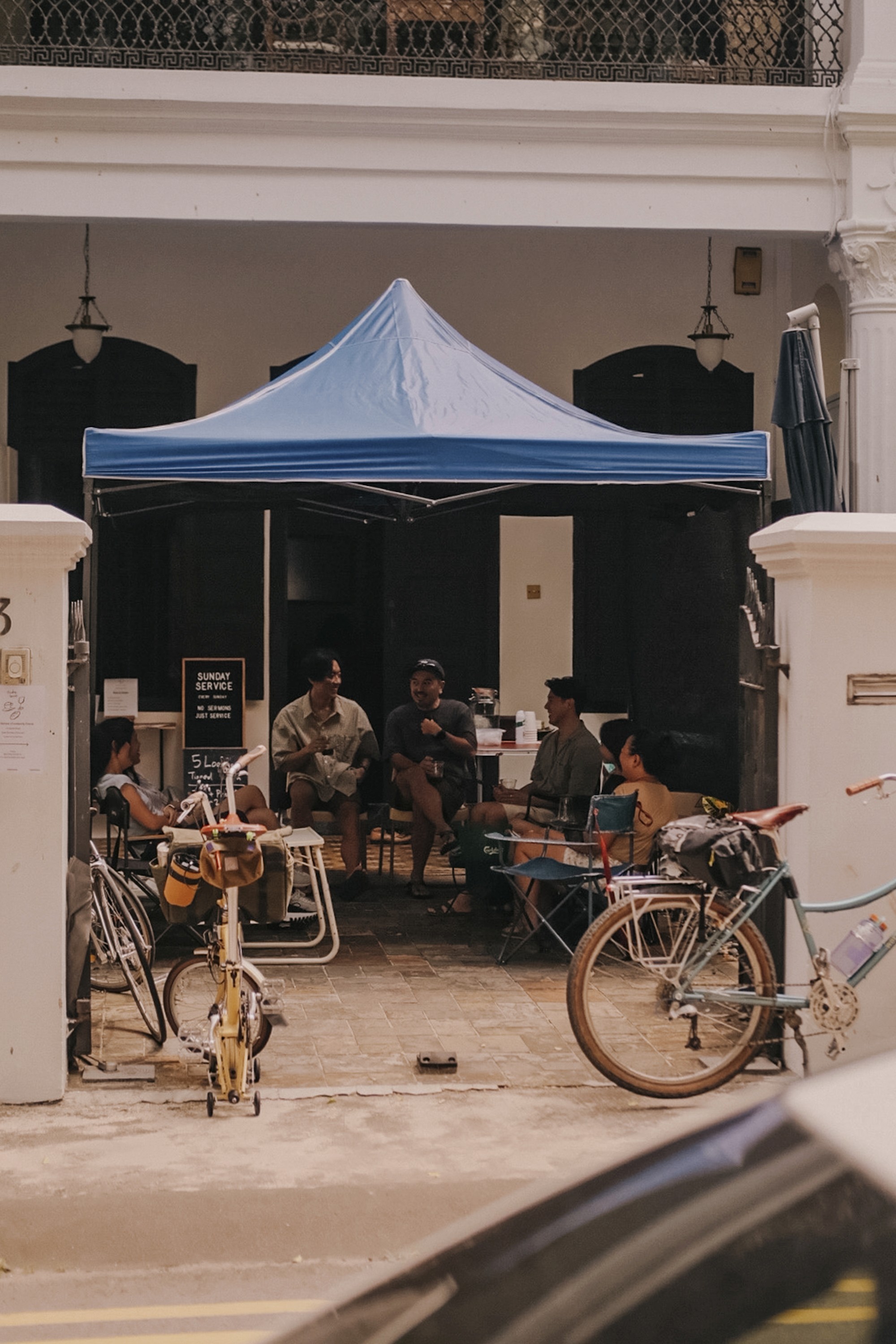
At Sunday Service, founder Byron Lim doesn’t pretend to be running a cafe. “I don’t see it as a cafe at all. It’s my house,” he says. “It’s where I live, where I make coffee, where I have amazing food and drink.”
Guests aren’t customers so much as invited regulars. “My guests become my friends,” he adds, describing a dynamic closer to a recurring dinner party than a retail operation.
That distinction matters to Byron, a former cafe owner who’s candid about his disillusionment with conventional cafe culture. In his previous retail operations, he found himself exhausted by people “obsessed about getting the best deal” and the constant price comparisons and transactional expectations involved. “I really hated having to focus on getting buy-in from guests,” he reflects.
With Sunday Service, he attracts a different crowd: those who “understand authenticity and experience”. This allows him to serve what he actually enjoys – small-batch brews, rotating coffees chosen for taste rather than marketability, drinks that don’t require value propositions.
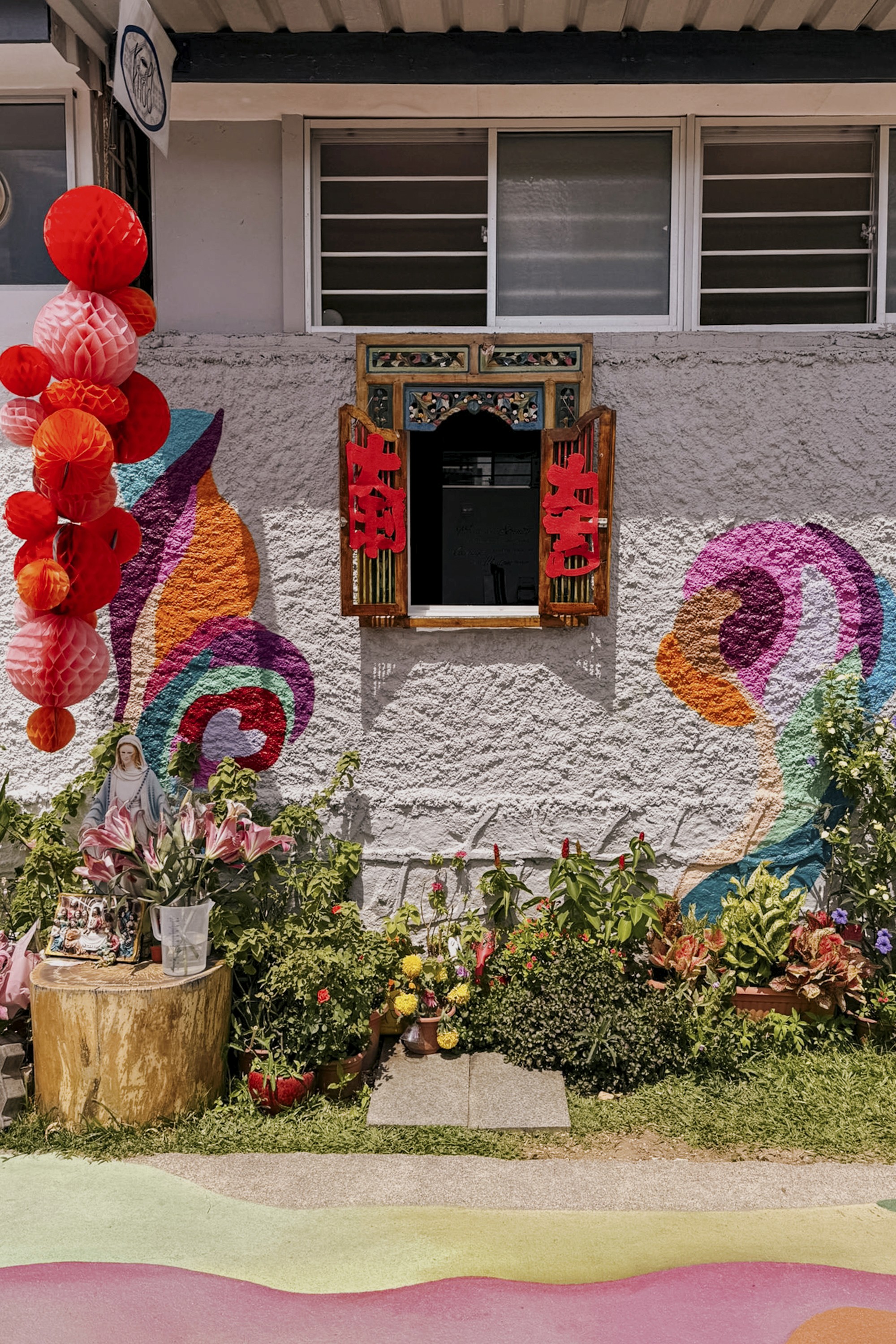
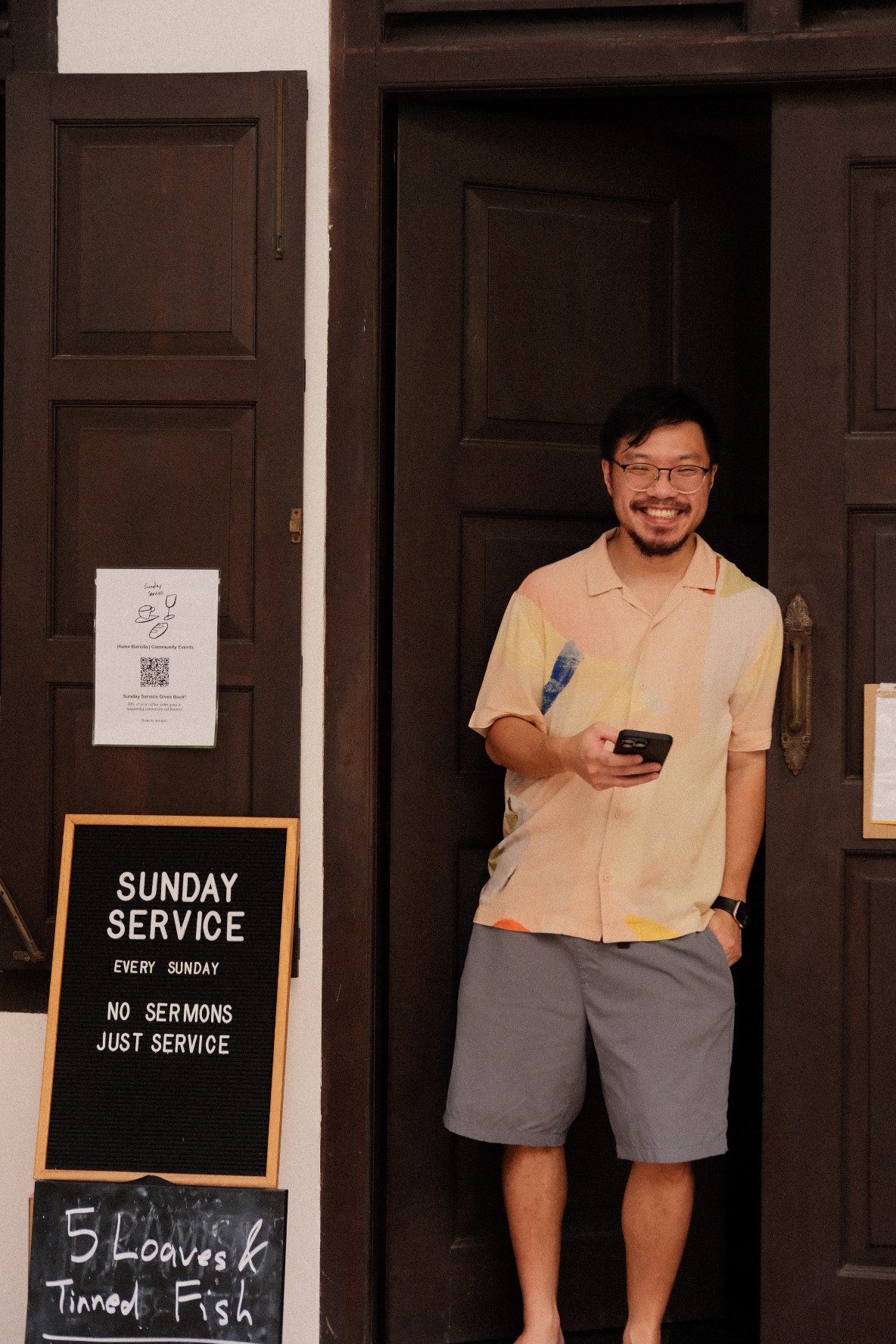
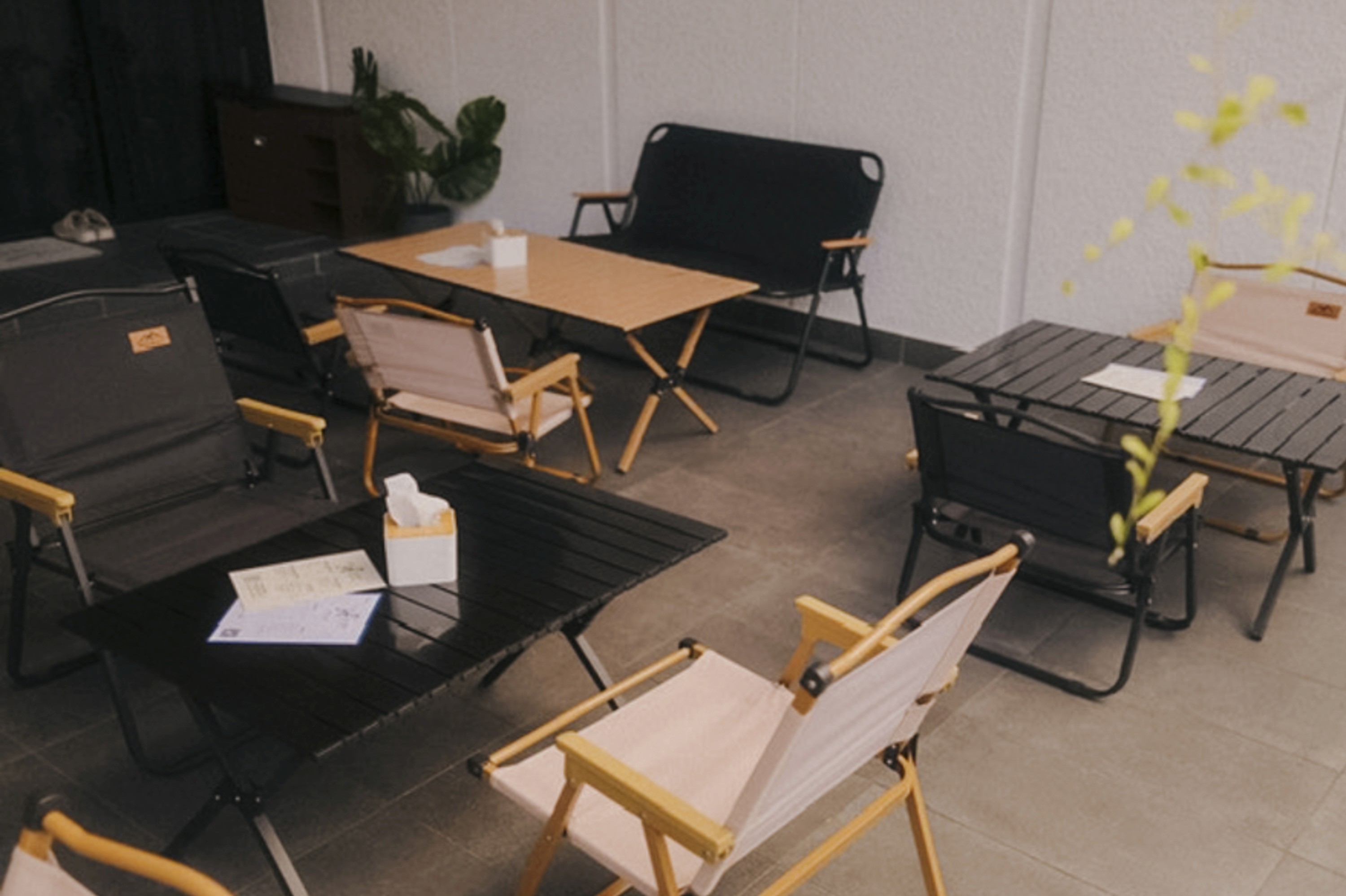
Photos: KopiKhoo, Sunday Service, Side Quest
Paulin Khoo’s Kopikhoo operates on similar emotional logic, though in a more compact format. Customers order through a window, but the exchange remains personal.
“Everything starts with intimacy in a cup,” explains the former kindergarten teacher turned TikTok-famous coffee-brewing grandma.
“Every cup is brewed for someone I actually see, talk to, and welcome into our space through our window.”
The appeal isn’t novelty so much as warmth – regulars return for both caffeine and connection. “Many tell us it feels like visiting a friend who happens to take coffee conversations seriously,” she reflects.
There’s a subtle but important shift here. Unlike high-turnover enterprises, home cafes prioritise memory over margin. You’re someone whose preferences are remembered, whose presence is noticed – and whose absence might even be felt.
✦
For former pastry chef Stanley Ho, Side Quest began modestly: as a weekend meeting point for neighbours to enjoy Indonesian espresso beans and rotating bakes. It’s since evolved into something slightly more – a low-pressure social space that is also a testing ground for Stanley’s passions.
Having trained professionally in pastry before pivoting to coffee, he deftly maintains both crafts here. The menu shifts almost every weekend with different bakes and rotating beans from Indonesian roastery Coffeenatics – evolving flavours that regular neighbours now track.
“What I hoped it wouldn’t be?” Stanley says. “Just a place to try strawberry matcha and be forgotten.”
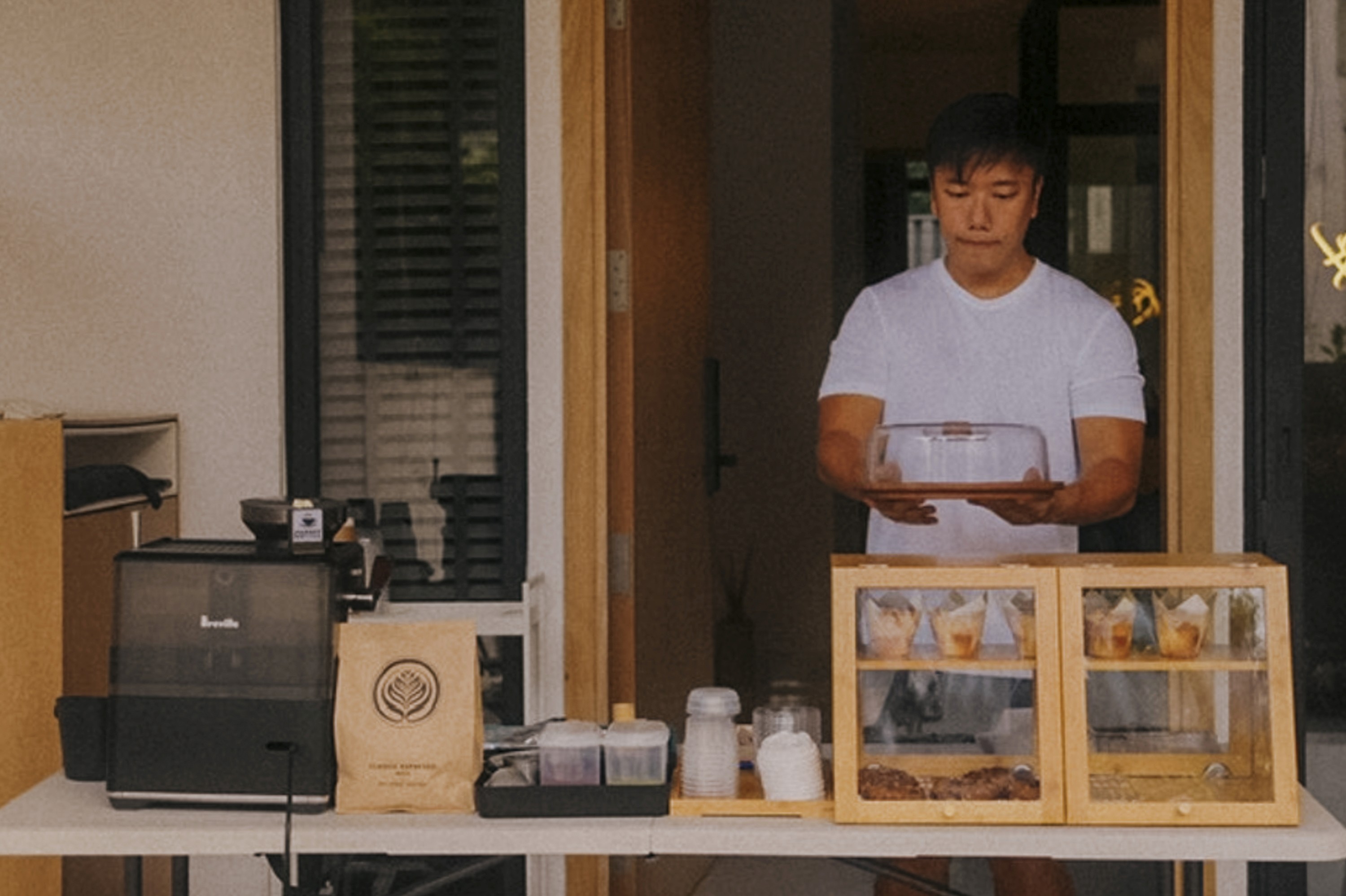
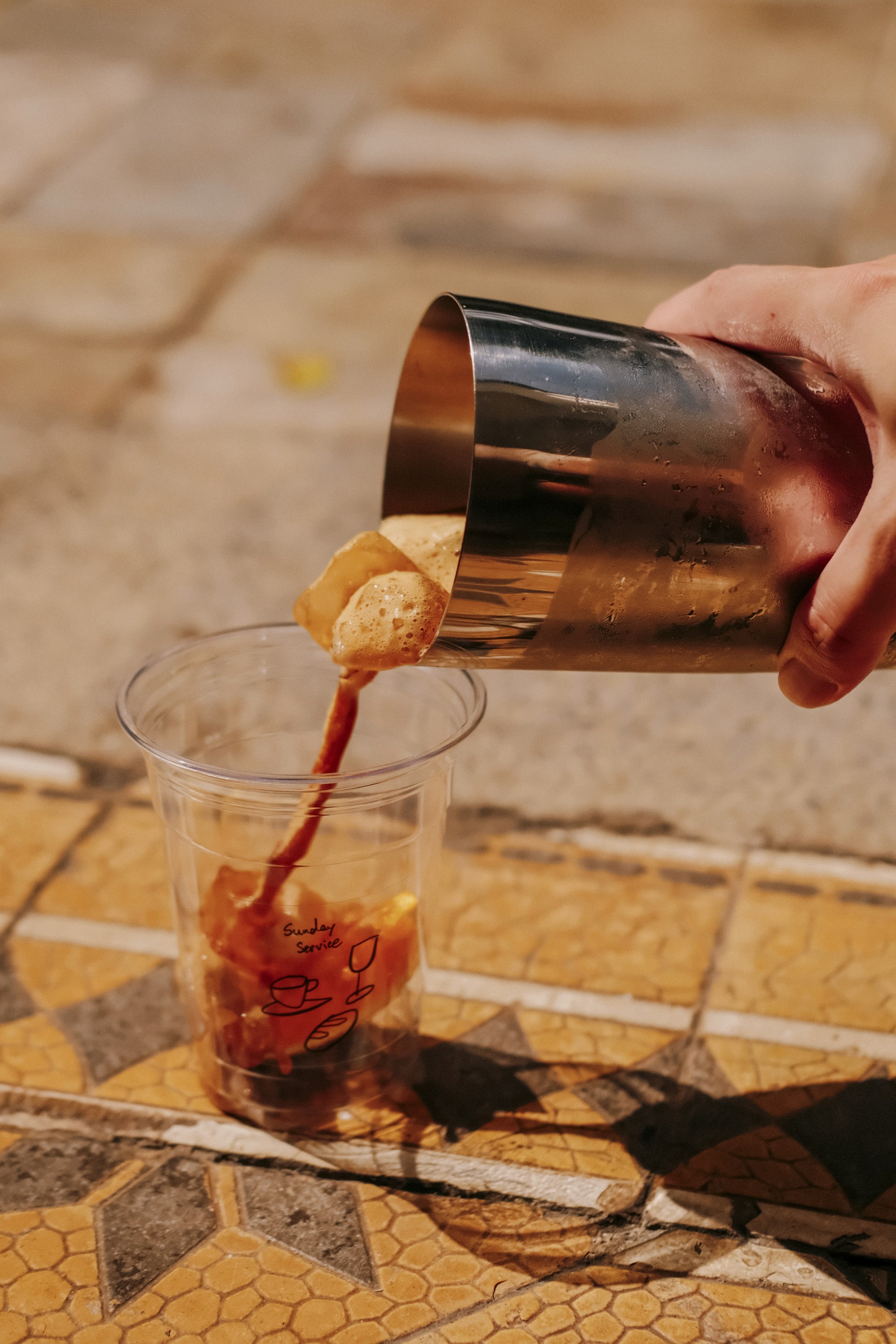
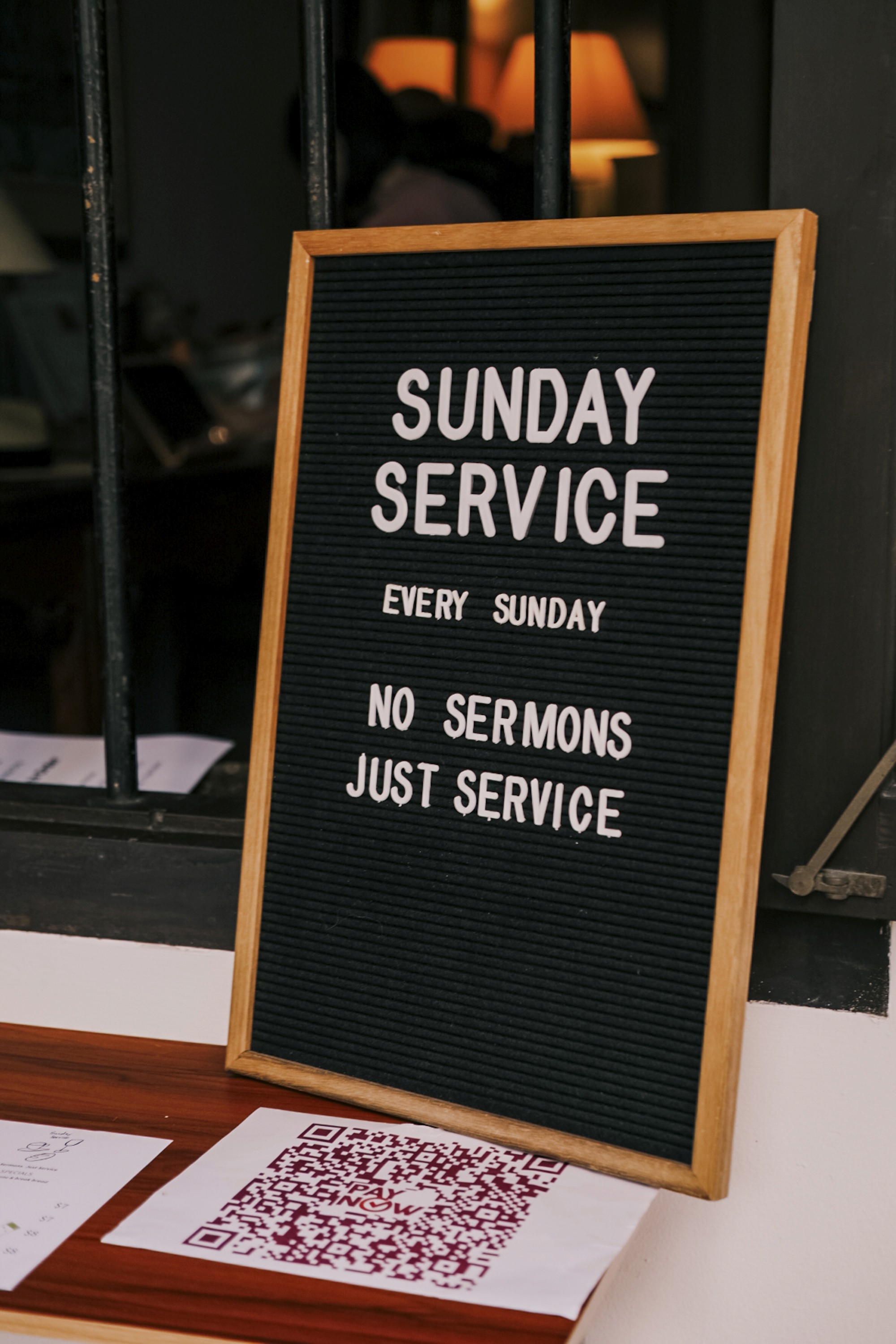
Photos: Side Quest (left), Sunday Service (centre, right)
Refuges from the rat race
Ask these founders why home cafes resonate now, and two forces emerge: one emotional, one structural.
The emotional current stems from an exhaustion with impersonality. Paulin believes people are craving experiences that feel “slower, more intentional and more human”, describing home cafes as a “small refuge” in a hyper-efficient city. It’s a familiar critique of Singapore’s relentless optimisation, but the timing matters.
After years of pandemic-era isolation followed by an aggressive return to normalcy, intimacy feels less like luxury now and more like necessity.
The structural opportunity is simpler: regulatory ambiguity. Byron sees it as a temporary pocket of freedom in a tightly regulated country. “For now, no one is checking yet. But it’ll happen someday,” he predicts. “Eventually the regulators will start giving all of us more hoops to jump through.”
He’s probably right. Singapore generally doesn’t tolerate grey areas for long, particularly in food service. Whether the fragile equilibrium holds depends partly on how carefully operators manage their neighbourhoods, and partly on whether anyone, as Byron puts it, “messes up big time”.
Until then though, the creative latitude – the liberty to experiment with flavours and menu pivots without the weight of landlord or legal demands – is real. Paulin calls it “a luxury, and it shows in the product”. Byron is more blunt: “I don’t have to really think about what people want. I know what I like and what I want to share.”
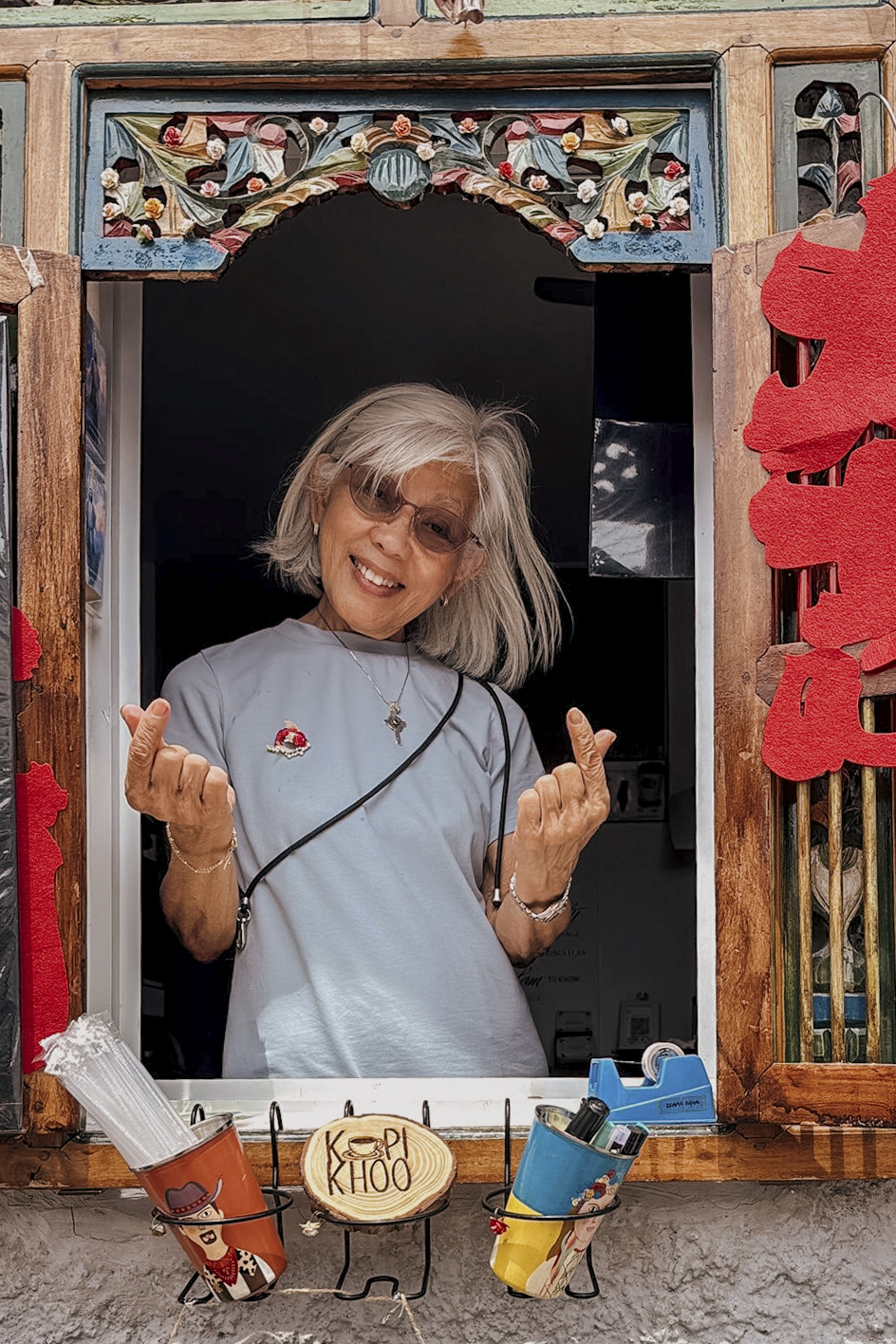
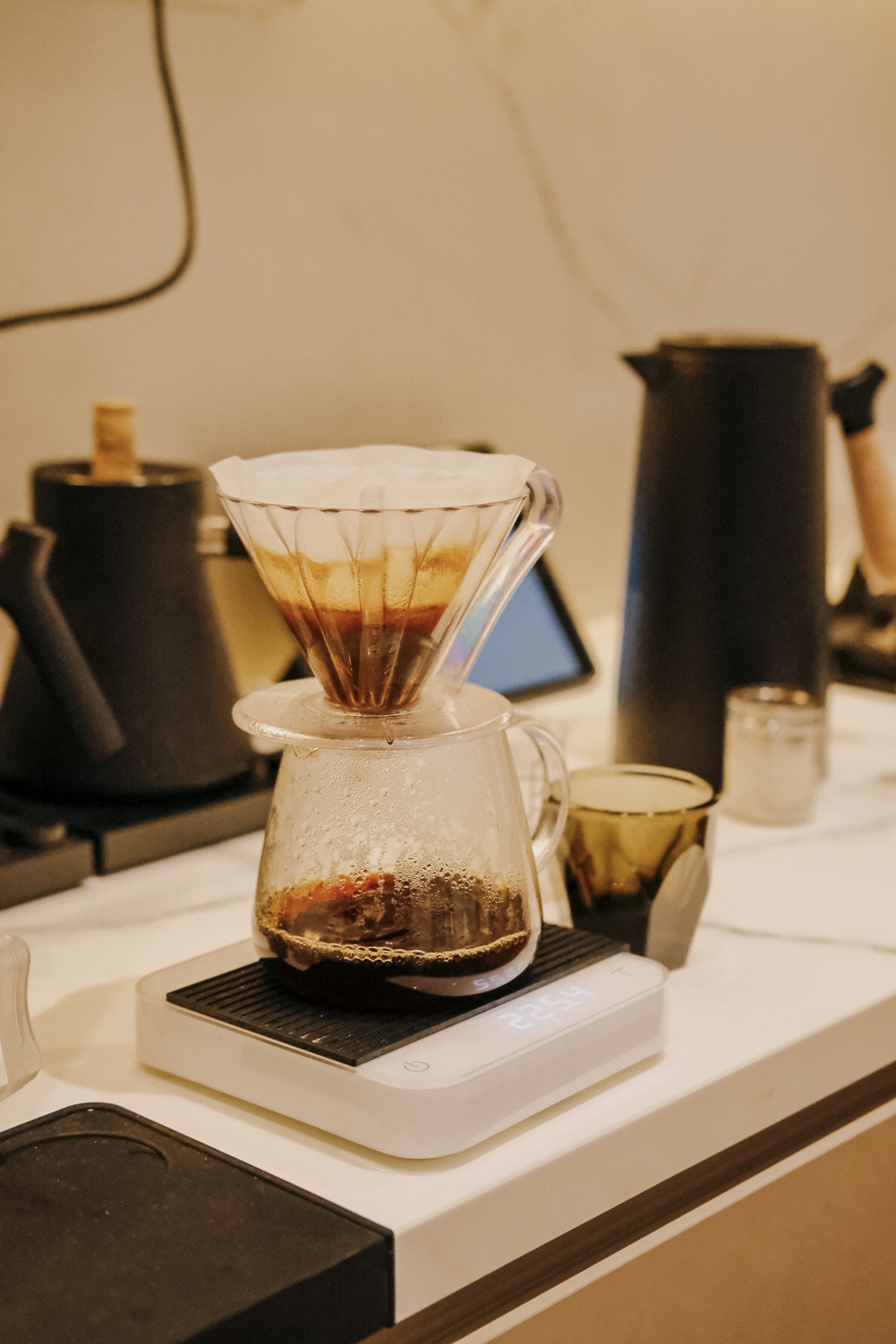
Photos: KopiKhoo (left), Sunday Service (centre, right)
Staying small, on purpose
What’s striking is how deliberately modest these founders’ ambitions are. Byron jokes that success means continuing Sunday Service “without getting evicted by my parents”. Paulin measures impact through emotional resonance: guests who feel seen, remembered, welcomed.
Stanley hopes that even if Side Quest someday closes, the friendships formed in the space will endure.
None of these operators see themselves competing with brick-and-mortar cafes. For Paulin, home cafes are complementary – alternatives that demonstrate the “artisanal, experimental or emotional side” of coffee. Byron supports the wider ecosystem, brewing beans from Singapore roasters and encouraging guests to visit other cafes.
In a culture that often equates success with scale, their endeavours present a quiet and inspiring counter-ethic: bigger isn’t always better. At these places, what you get beyond brew and bites – and what guests keep returning for – are depth, community and resonance.
Home cafes worth visiting in Singapore
Sunday Service
📍 73 Sophia Road
A cafe run out of professional barista and roaster Byron Lim’s family home, with a picturesque front porch where guests can hang out.Kopi Khoo
📍 112C Tembeling Road
A viral coffee window in the eastern neighbourhood of Joo Chiat, operated by TikTok-famous retiree and former preschool teacher Paulin Khoo.Side Quest
📍 7A Lorong Selangat
A cafe on the front porch of a terrace house in the northeast Serangoon district. Run by former baker Stanley Ho, it specialises in beans from indie roasters and artisanal bakes.Lokys
📍 951A Tampines Street 96
A stylish home cafe in a HDB flat that mainly uses Indonesian Geisha beans (top shelf filter coffee). Reservations only, with limited seating.Coffee Near Me
📍 20 Casuarina Walk
A popular cafe in a spacious terrace house in the quiet Thomson hood that was created by Sonia Ng to bring coffee closer to her neighbours.Curious Bee Coffee
📍 485B Sengkang West Road
A cosy living room lounge in northeast Punggol serving up filter coffee and home bakes.Knead Kopi
📍 7 Watten Rise
A local kopitiam (coffee shop) themed home cafe with traditional Singaporean breakfast sets and light bites.Xin Chào Baby Cafe
📍 541 Hougang Ave 8
Legitimate Vietnamese coffee brewed and dripped from a phin filter, served out of a HDB flat. Milkshakes and sweet treats are also available; everything is pick-up only.