Singapore is perhaps best-known as a playground for the wealthy. And few, including locals, pay attention to what lies underneath – its plethora of religious houses nestled in the shadows of gleaming skyscrapers.
✦
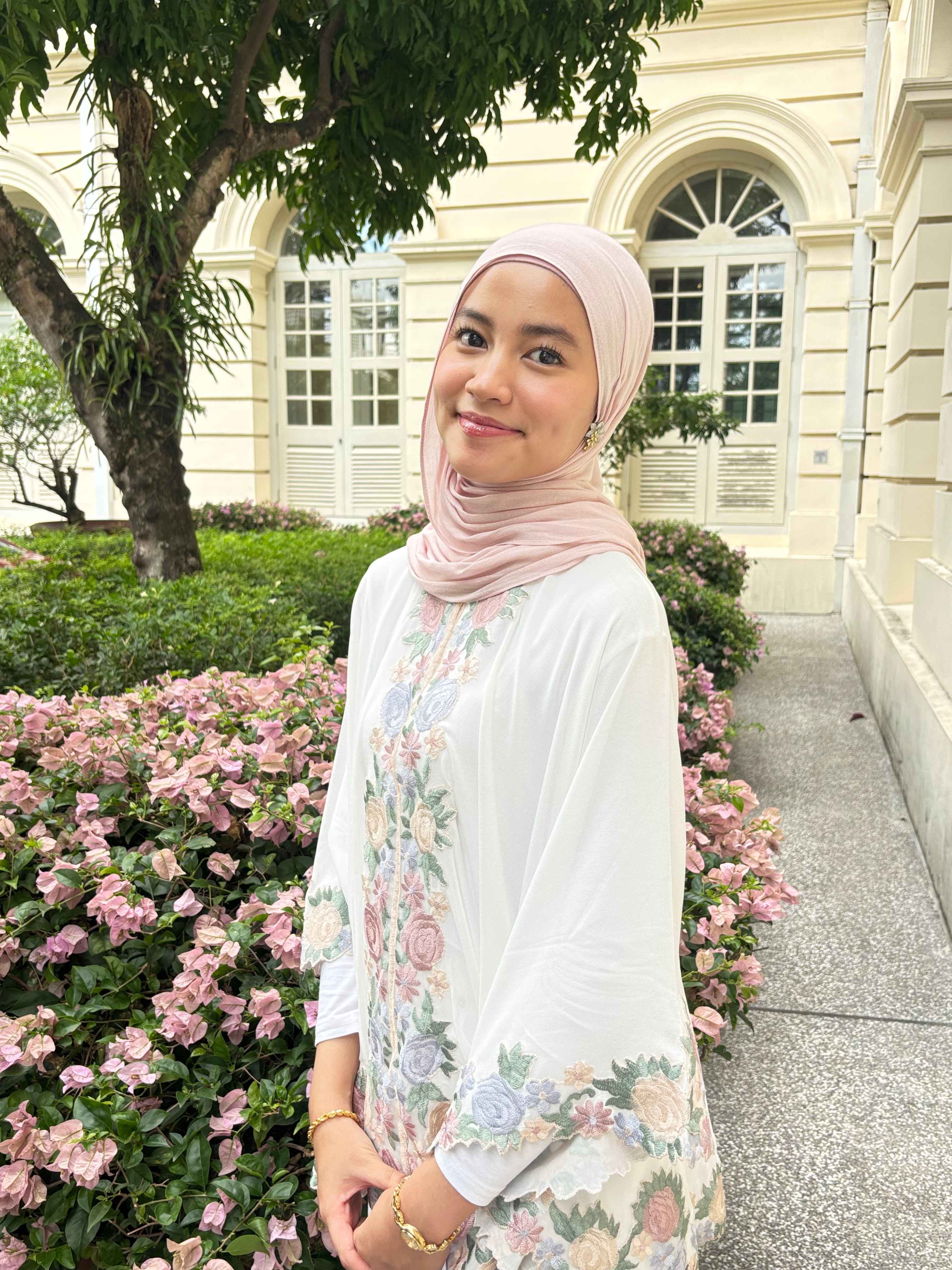
I’m a Muslim girl who went to Catholic schools and walks by temples daily. Yet I’ve spent my life being a respectful neighbour to these altars without ever being their guest.
With conflict and fear dominating the world today, a conversation about differences felt urgent. So I decided it was time to immerse myself in other houses of worship – something that seemed fairly simple to do in multicultural Singapore. I chose landmarks that stood out historically and architecturally, and were clustered along a walkable route.
All photos: Eriqa Nayly Qistina
However, as I boarded the bus to my first stop, Maha Sasanaramsi Burmese Buddhist Temple, my palms began sweating. The thought of entering Singapore’s only Burmese Buddhist temple and standing before its towering Buddha statue made my anxiety spike.
Growing up, our textbooks taught us about the Maintenance of Religious Harmony Act, a national inheritance to protect social peace by separating religion from politics.
But the law couldn’t change how I felt: like an intruder. It felt as though I had no right to explore a place where I didn’t share the faith.
Maha Sasanaramsi Burmese Buddhist Temple
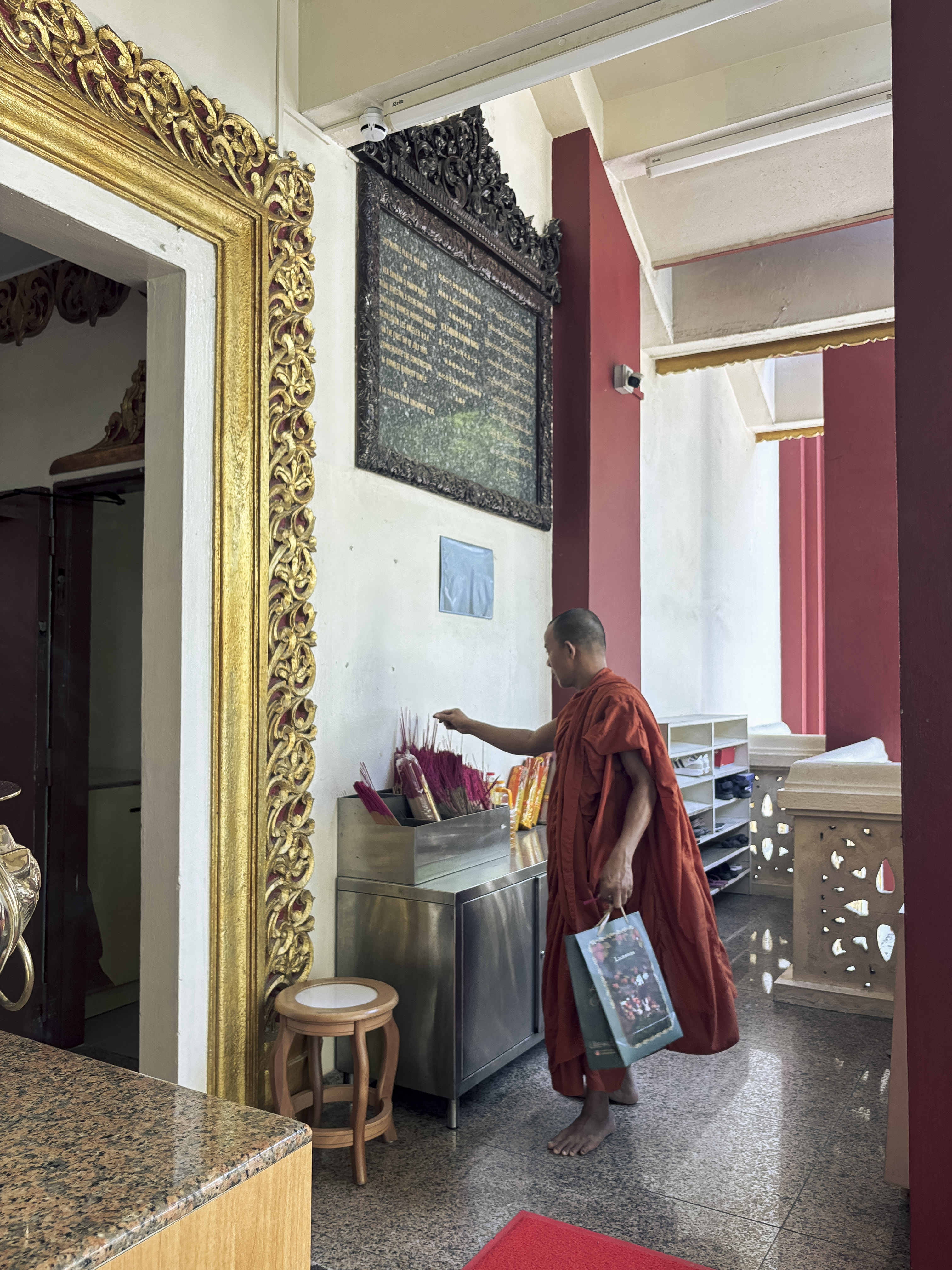
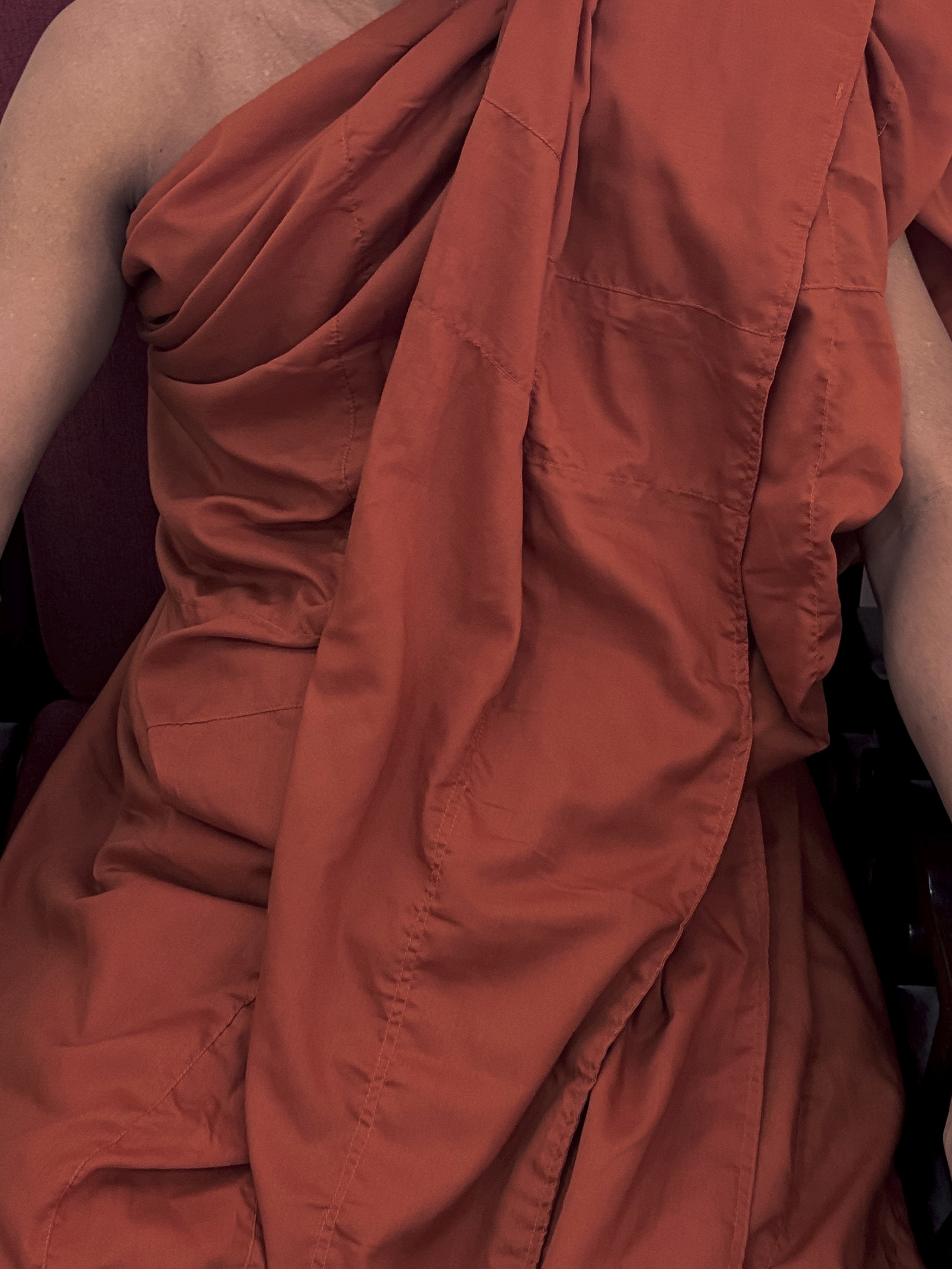
At the entrance, a monk in saffron robes smiled and pressed three joss sticks into my hand, signalling me to burn them. The smoke was meant to purify the air and mind before I crossed the threshold.
Wisps of sandalwood smoke stung my eyes as I fumbled with the joss sticks, pushing them into the ash urn that sat at the entrance doors.
While other sticks sat low, mine stood bolt upright, an unwavering sign of my foreignness.
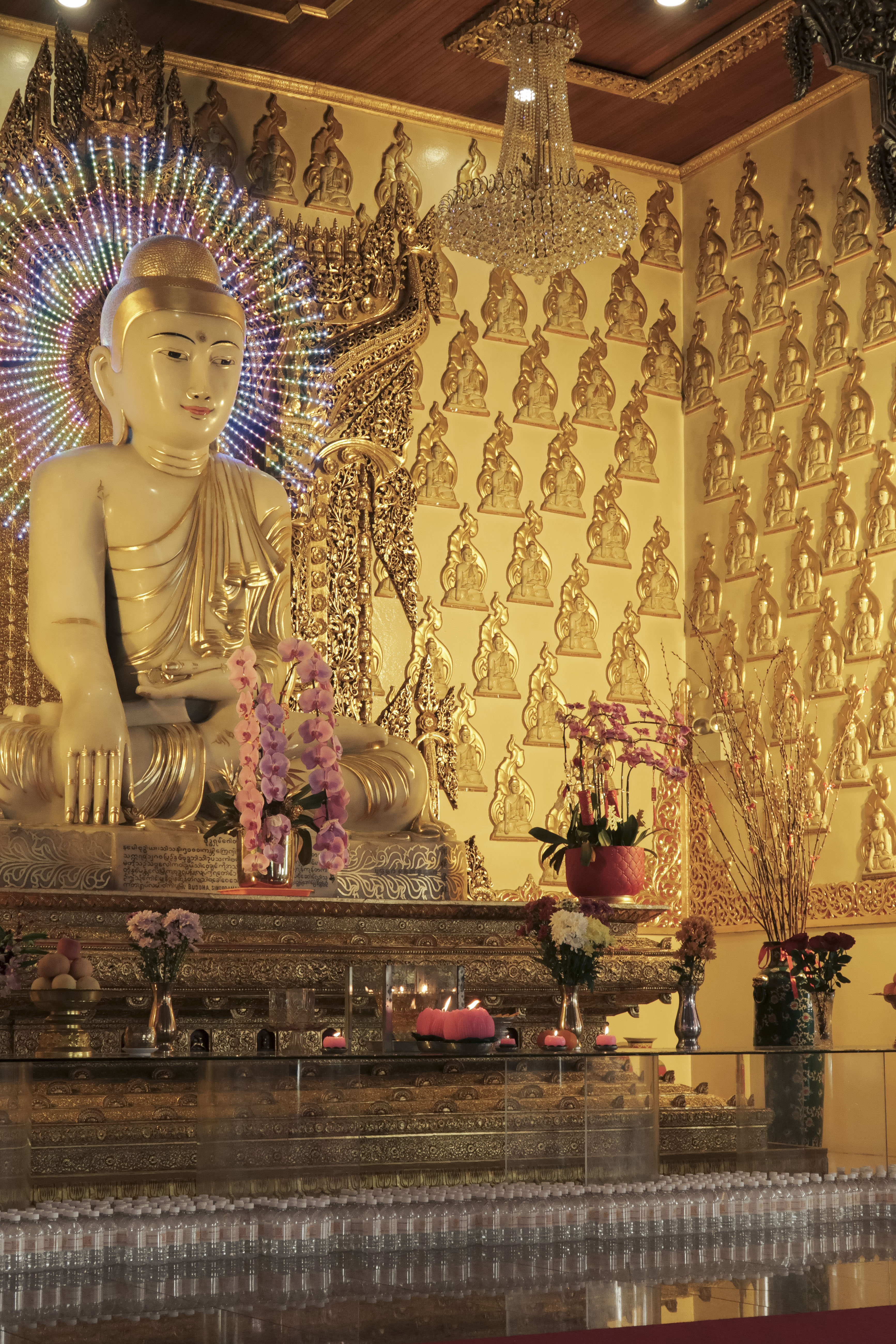
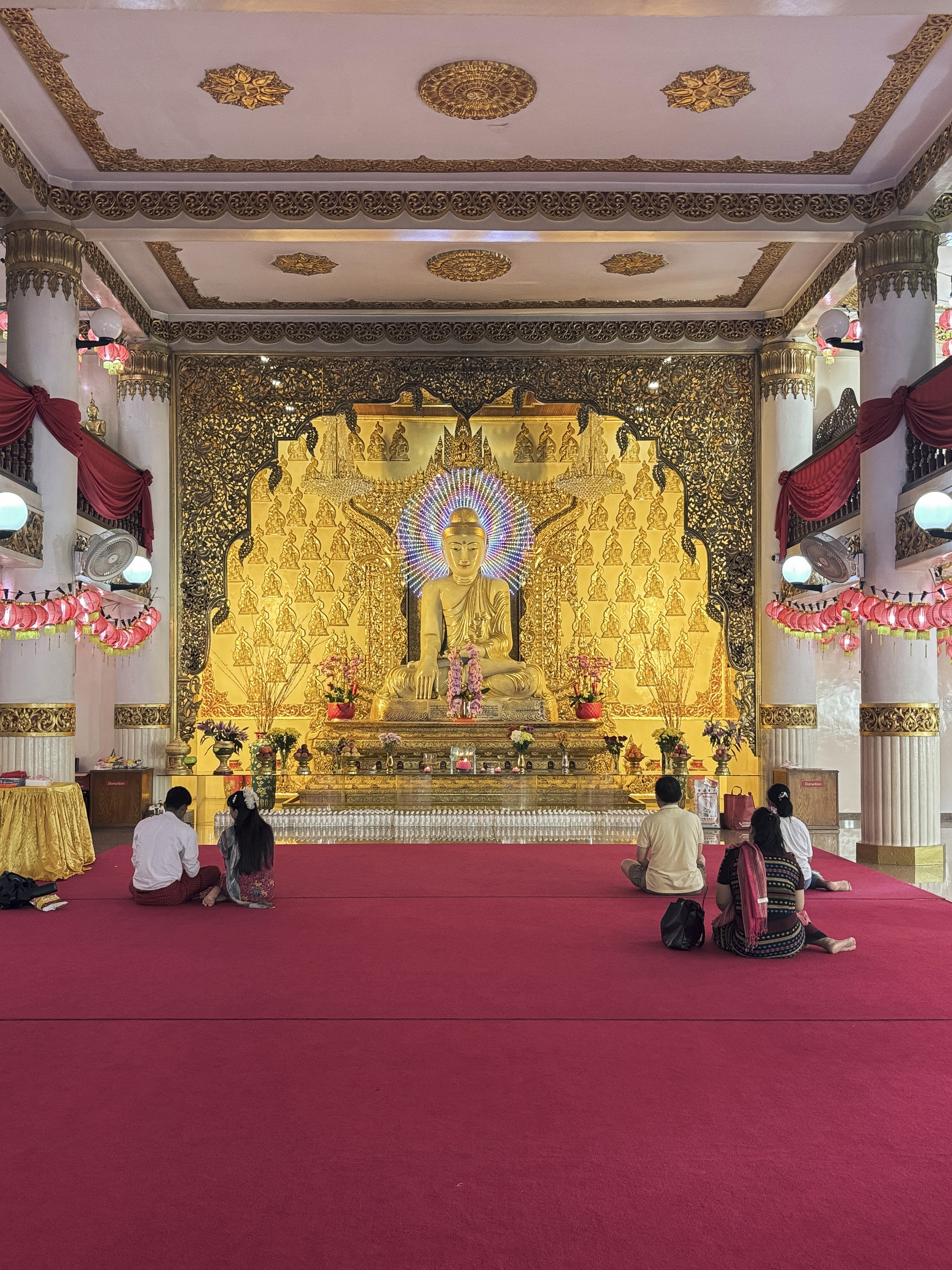
Inside, the temple glowed in red and gold. Ornate lanterns swayed from the ceilings, and Chinese New Year decorations embellished every corner.
The temple had a handful of visitors; some sitting, others prostrating. A woman sat chanting, beads in hand. I couldn’t help but feel a sense of familiarity with my own practices.
I watched other visitors as they placed offerings of lotus-shaped candles and fruit at the feet of the massive white-marble Buddha, draped in gold. Nearby, a monk blessed a couple with holy water and tied an orange sai sin – a cotton thread meant to protect the wearer – around their wrists.
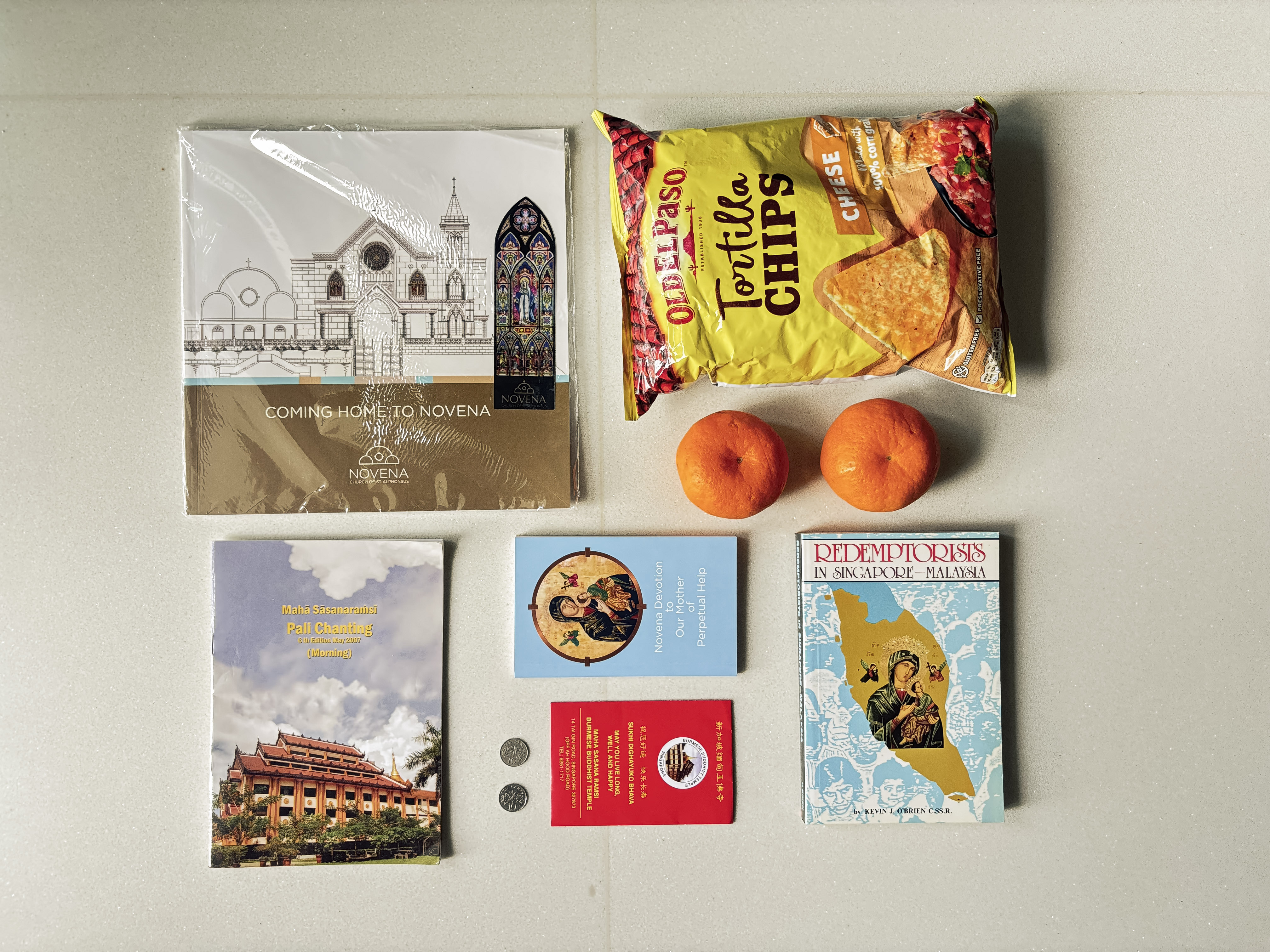
Suddenly, another monk appeared, handing me a couple of oranges, a red packet and a bag of nacho chips. “Happy New Year!” he cheered. I giddily accepted his gifts before making my way out.
Church of Saint Alphonsus
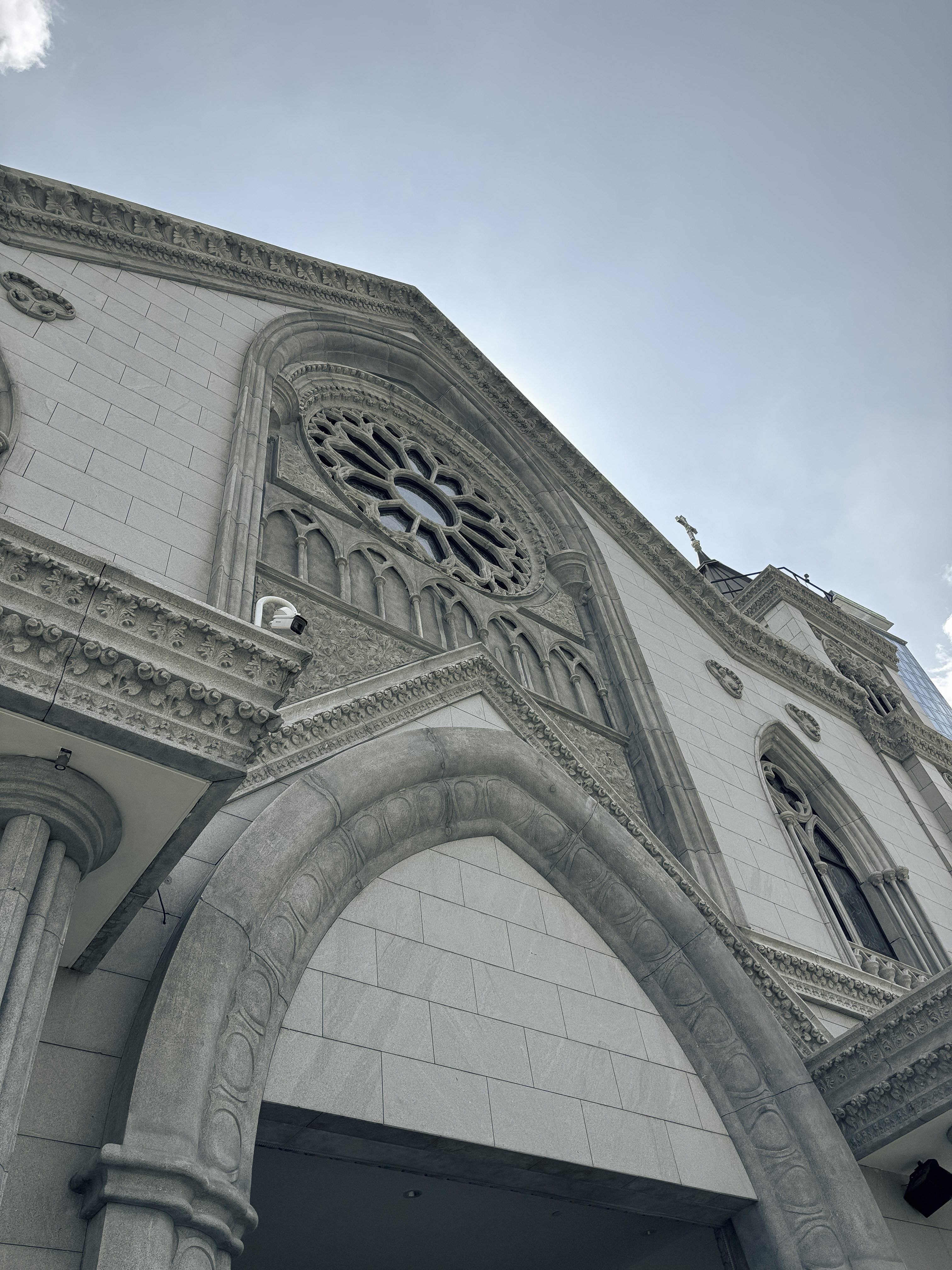
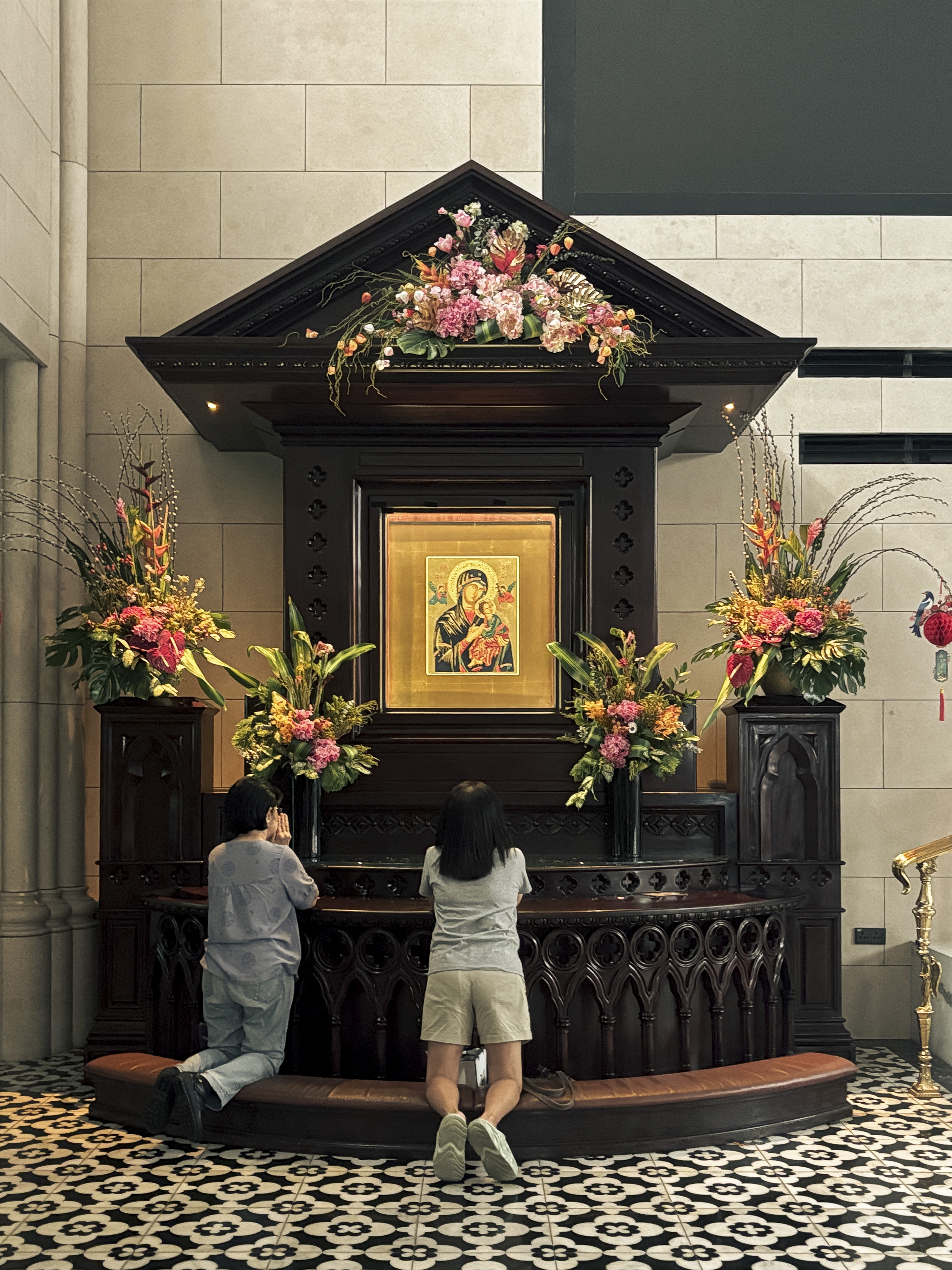
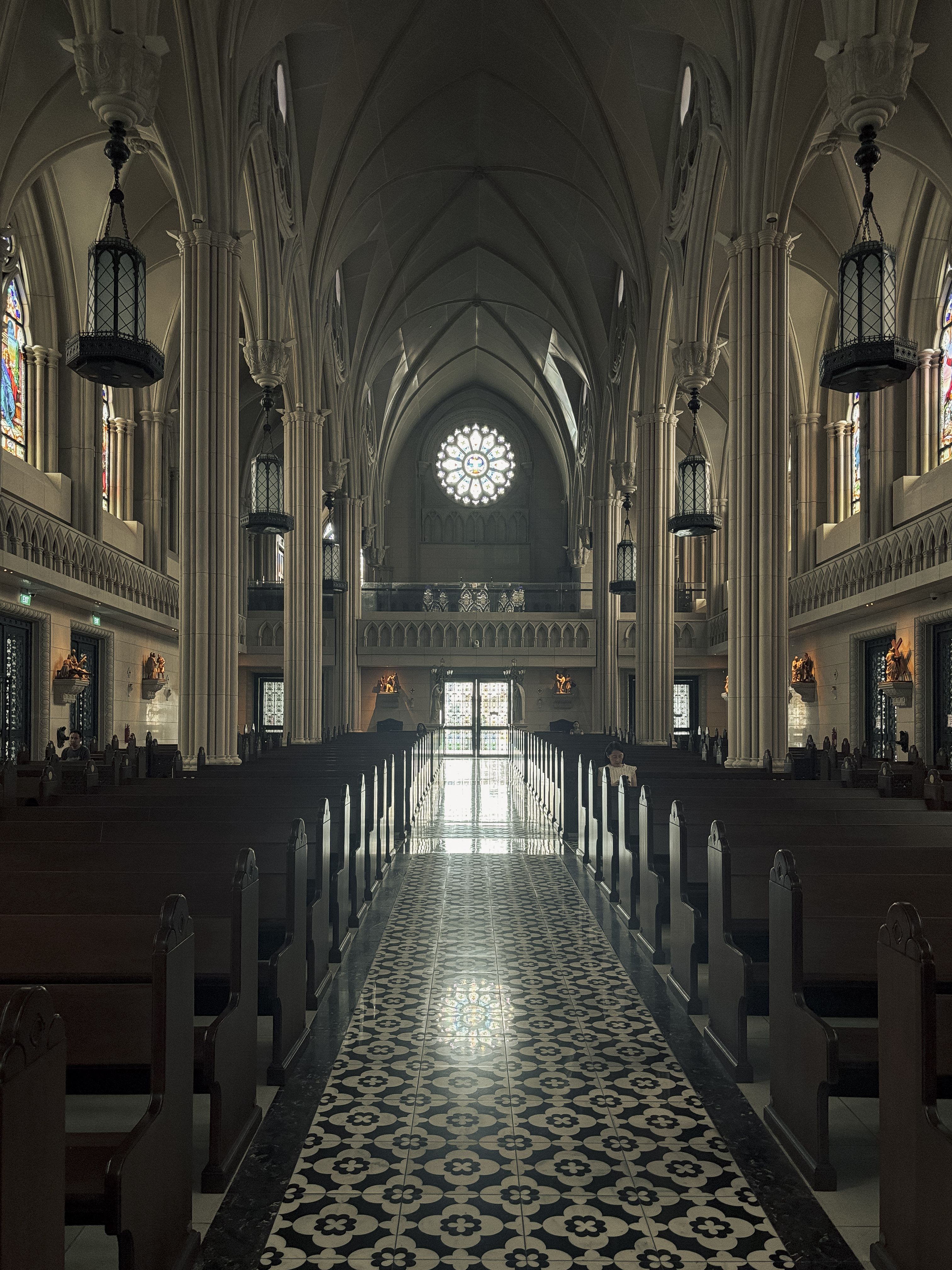
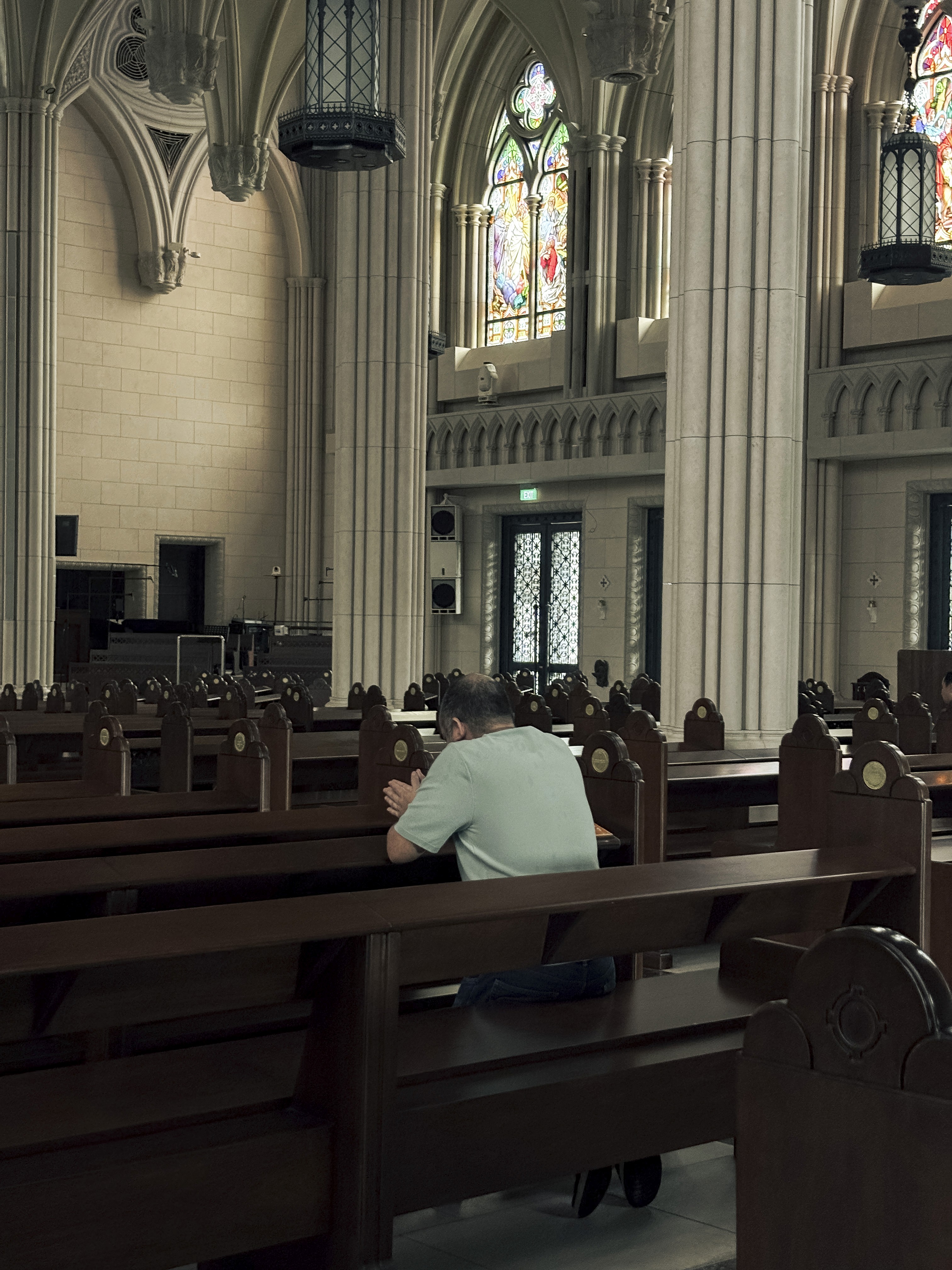
A 15-minute walk brought me to my next destination: the Church of Saint Alphonsus, better known by locals as Novena Church. The building is one of Singapore’s most stunning examples of neo-Gothic architecture, with towering arches and fluted columns commanding one’s attention.
Hoping to strike up a conversation, I approached 65-year-old Jerome Pang, the pastoral coordinator of the church.
Mr Pang greeted me with a warm smile and offered to show me around. He spoke of the church’s history during World War II, when its priests were imprisoned by Japanese forces, and its role as a non-parish (independent) church that welcomes people from all over.
“You know, I have a Muslim sister-in-law,” he said casually.
I blinked. Mr Pang, a devoted worker of the church, was proud of his interfaith family. “We [Singapore] are very lucky. Other countries always wonder how we make it work,” he added.
Later, I took my time to admire the angelic sculptures standing tall and the awe-inspiring structure – a lesson in what faith, something so intangible, can physically create.
Inside the main hall, all was quiet, save for the soft mumble of prayers by a few individuals. I sat on the wooden bench, reflecting on my state: a visibly Muslim woman, right in the middle of a church.
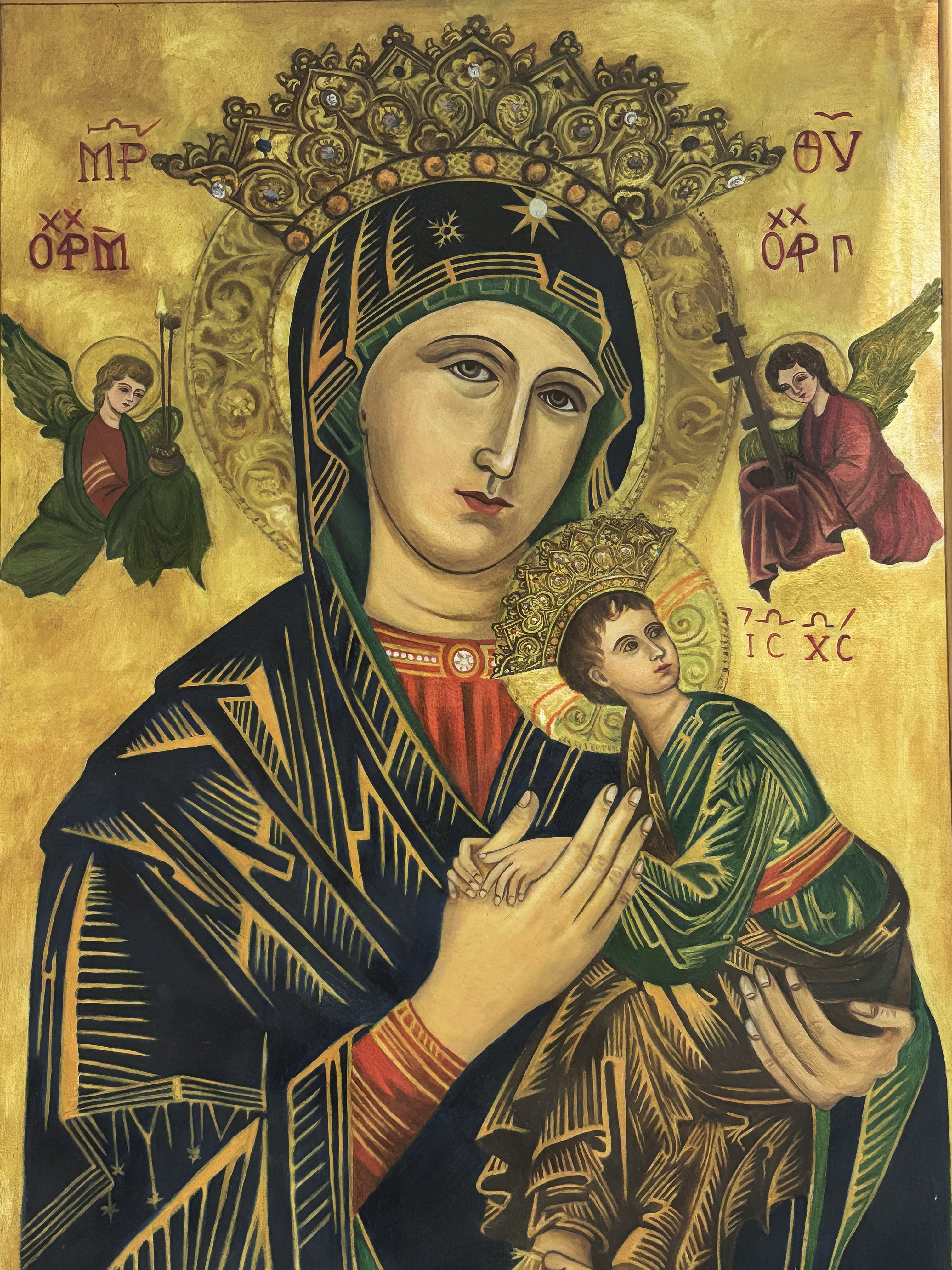
As I glanced around, I noticed a massive canvas – a painting by the contemporary Singapore artist Wong Shih Yaw. It depicted Mother Mary and Jesus in the middle, praying, surrounded by Singaporeans. Tucked within the frame were two hijab-wearing ladies.
Seeing someone who looked like me in the church was the ultimate irony.
I had spent the morning worrying about intruding, only to find that I had been welcomed within these walls even before stepping inside.
Masjid Ba’alwie
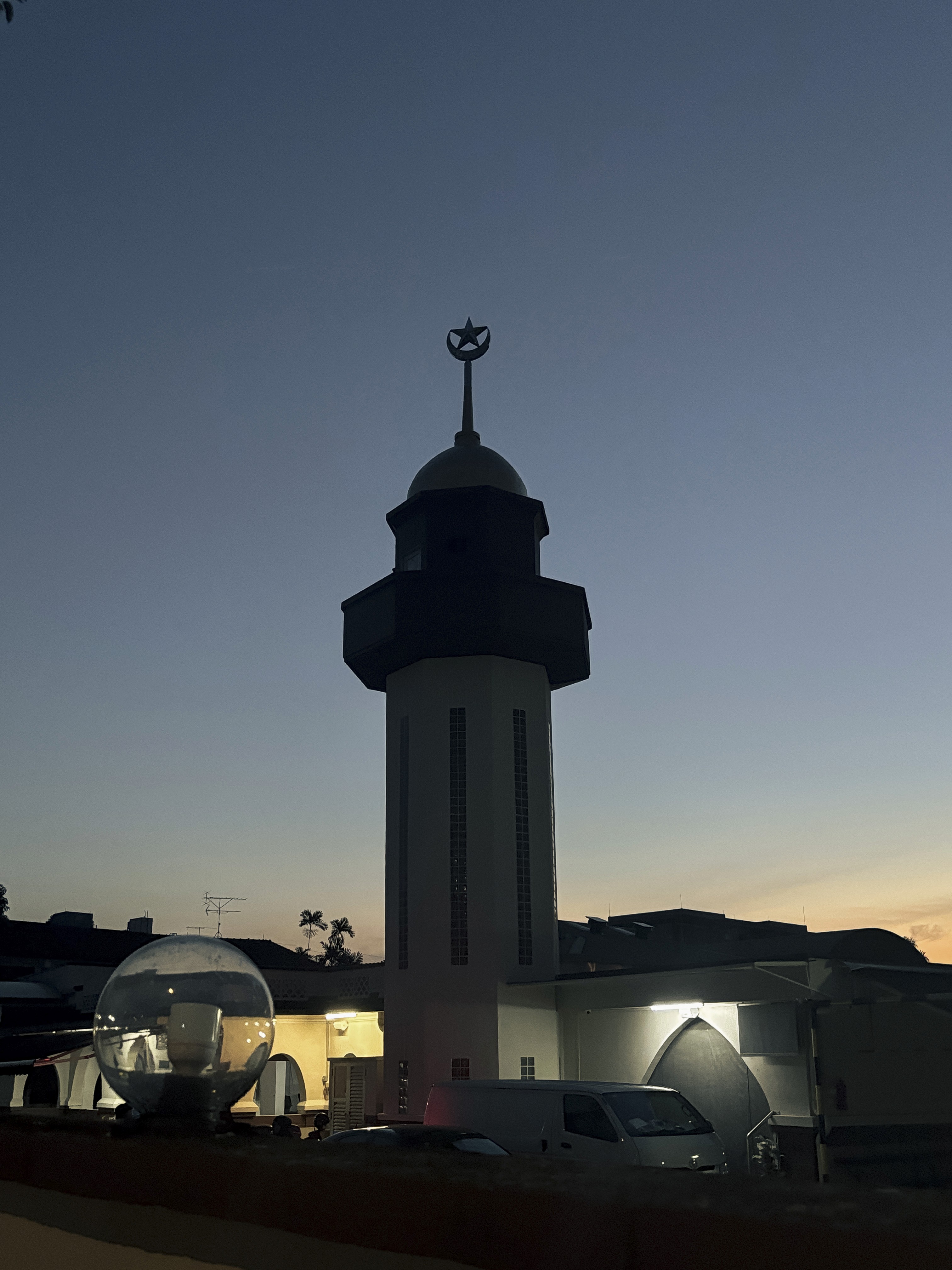
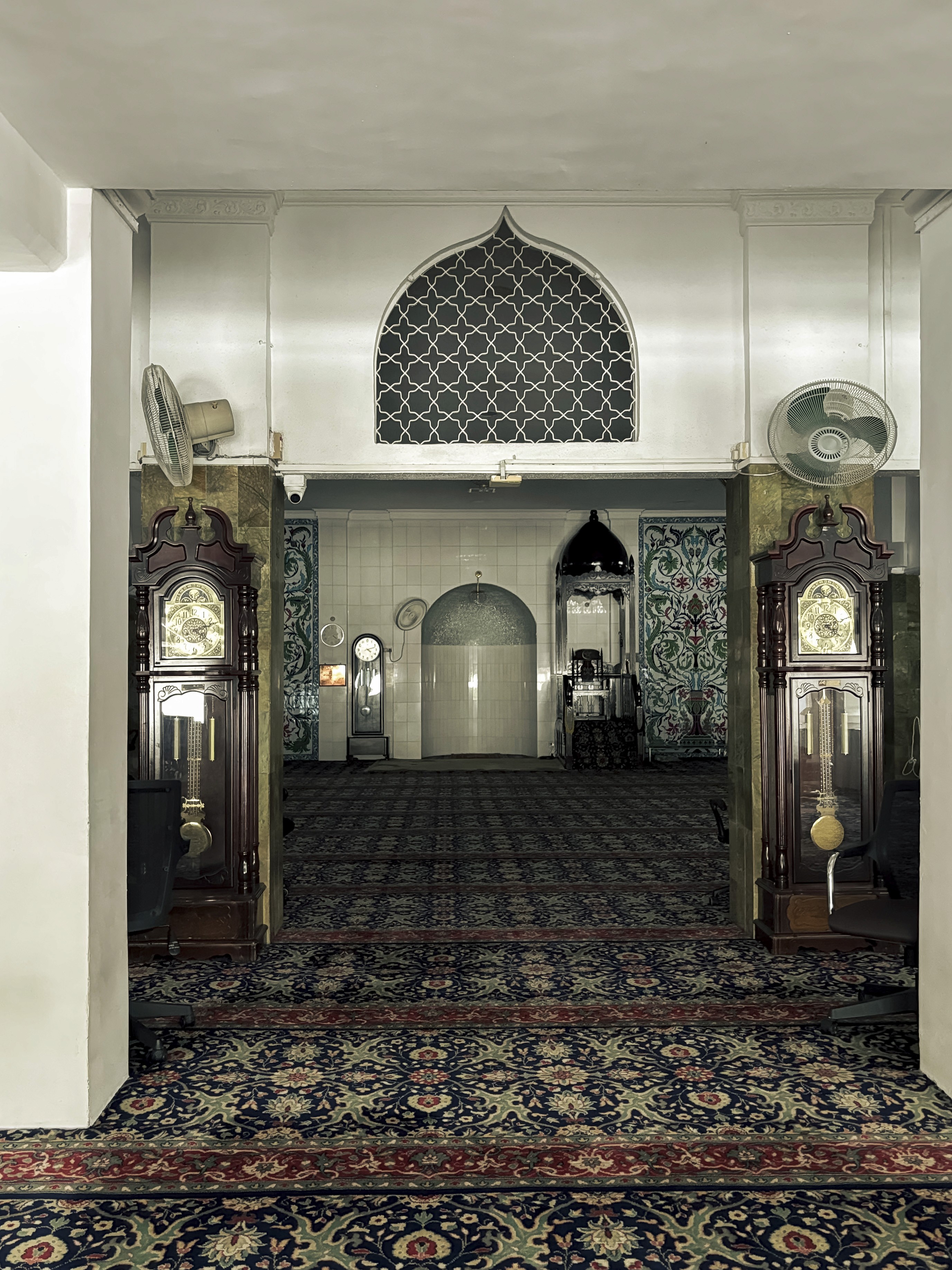
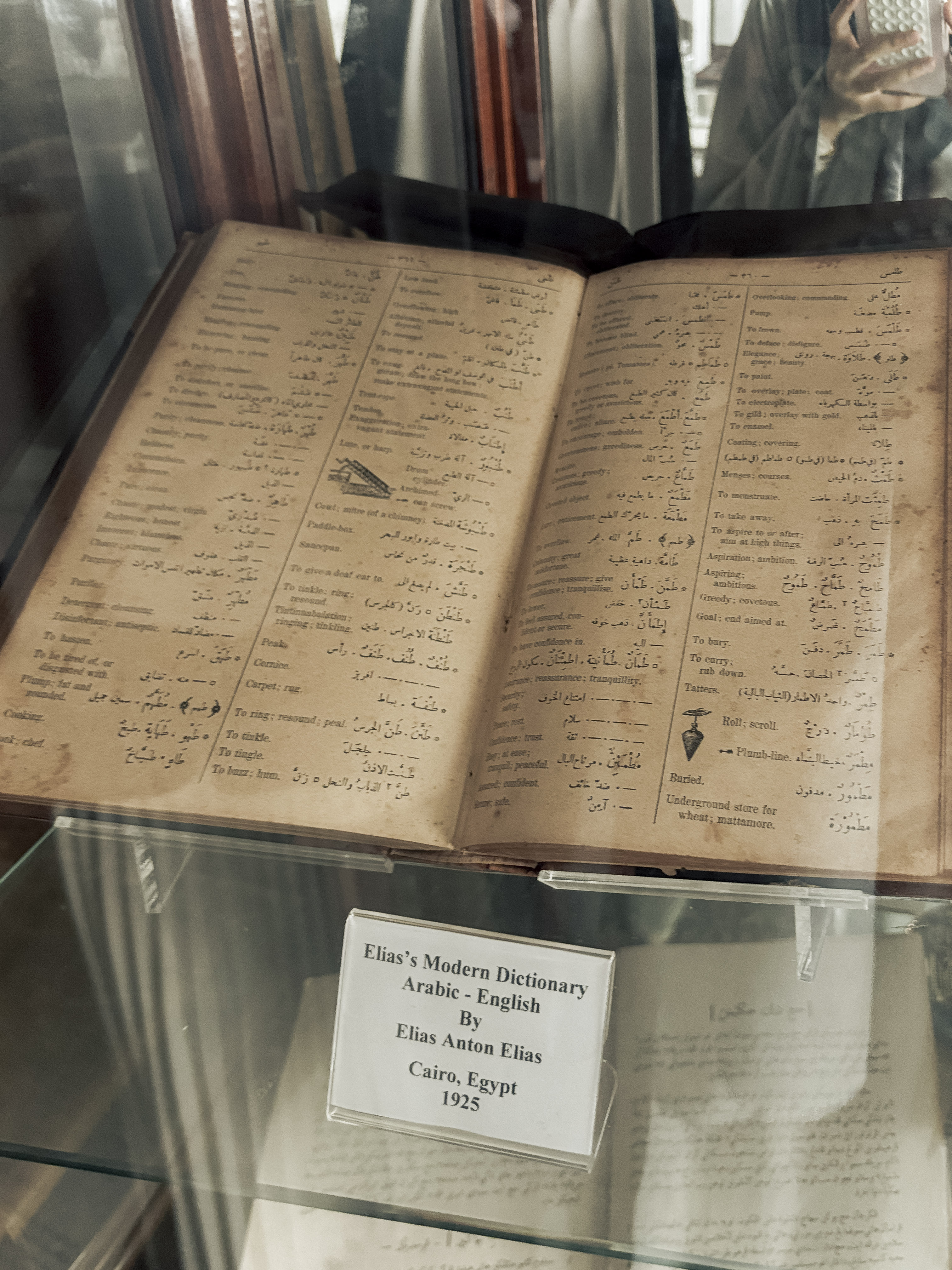
The Ba’alwie Mosque was my final stop, just a few minutes’ walk from Stevens MRT station. Masjid Ba’alwie houses a small museum, including ancient Islamic artefacts and copies of the Bible and the Torah.
This mosque was one my late father always brought me to, especially during his Friday prayers.
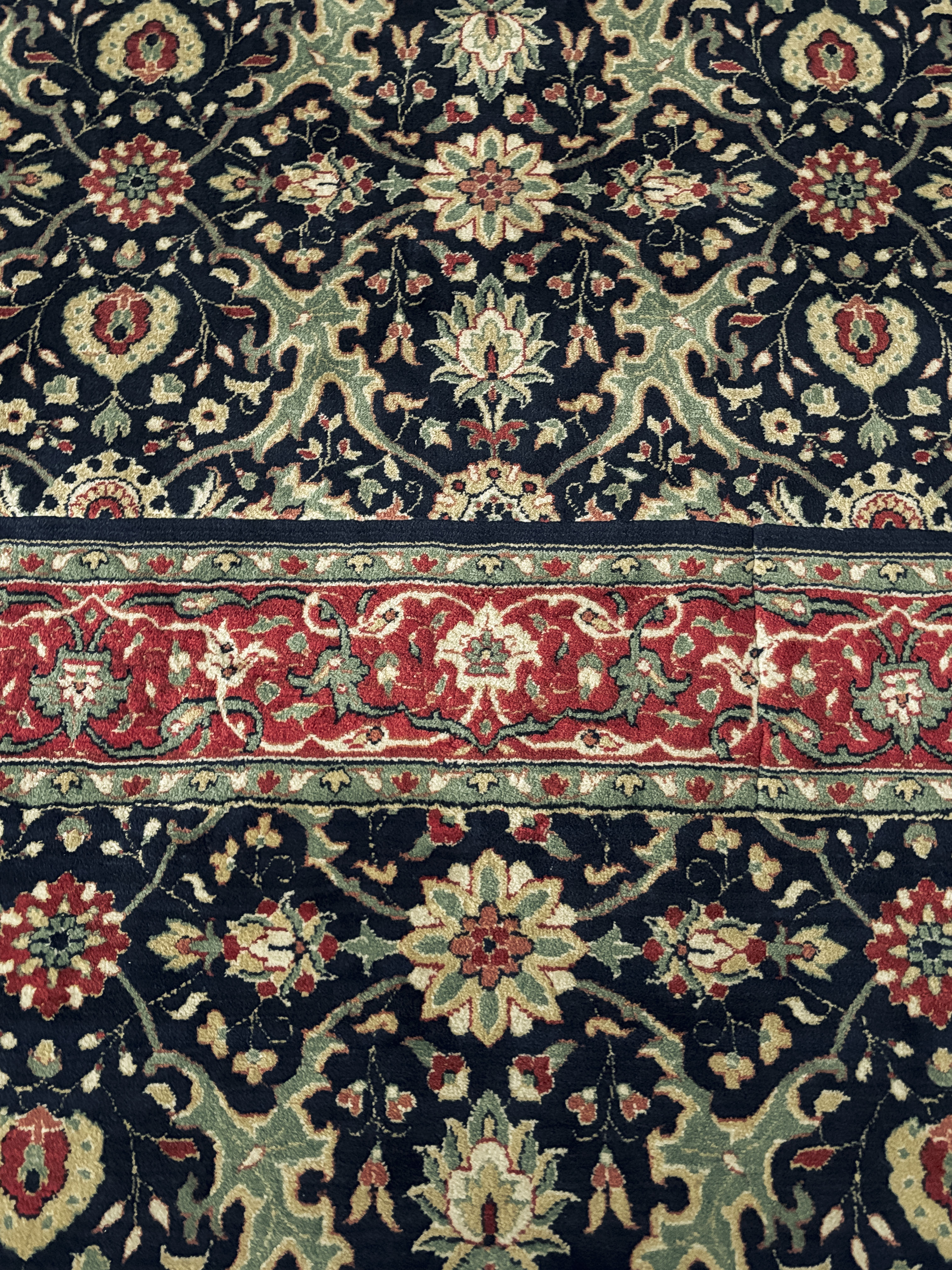
Stepping inside, the vibrant rug felt warm under my feet, and the familiar smell of bukhoor, agarwood incense, comforted me.
Now, six years after his passing, I still visit the mosque to relive our connection through religion. As I moved through the halls, I noticed a picture of religious leaders from different denominations having a gathering in the building. The warm smiles on their faces shone brighter than the differences in their traditional clothes.
It then dawned on me that beyond religion lies something much more raw and humanising – we’re all looking for peace and love, just in different ways.
More than anything else, my trail had been an effective route to getting to know Singapore better. I’d received so many unique stories and gifts from people whose beliefs differ from mine, which in return left behind a wonderful memory.
In today’s fractured world, being able to experience such a seamless welcome across different faiths and cultures felt like an incredibly rare gift.
Singapore celebrates harmony through policies, but harmony is more than just laws. It is a monk offering chips, a church coordinator having a Muslim sister, and a daughter following in her father’s footsteps. It is love!