Tourists pass through destinations every day, taking photographs, making small talk, moving on. Most never know what they leave behind, or realise the impact their actions have on the landscape.
✦
And sometimes those gestures can be life-changing. For Nha Trang native Loc Mai, the actions of two travellers helped dismantle a life of poverty and change his career trajectory. He was 28 when they put a camera in his hands – when he didn’t even know if it was a camera or a radio.
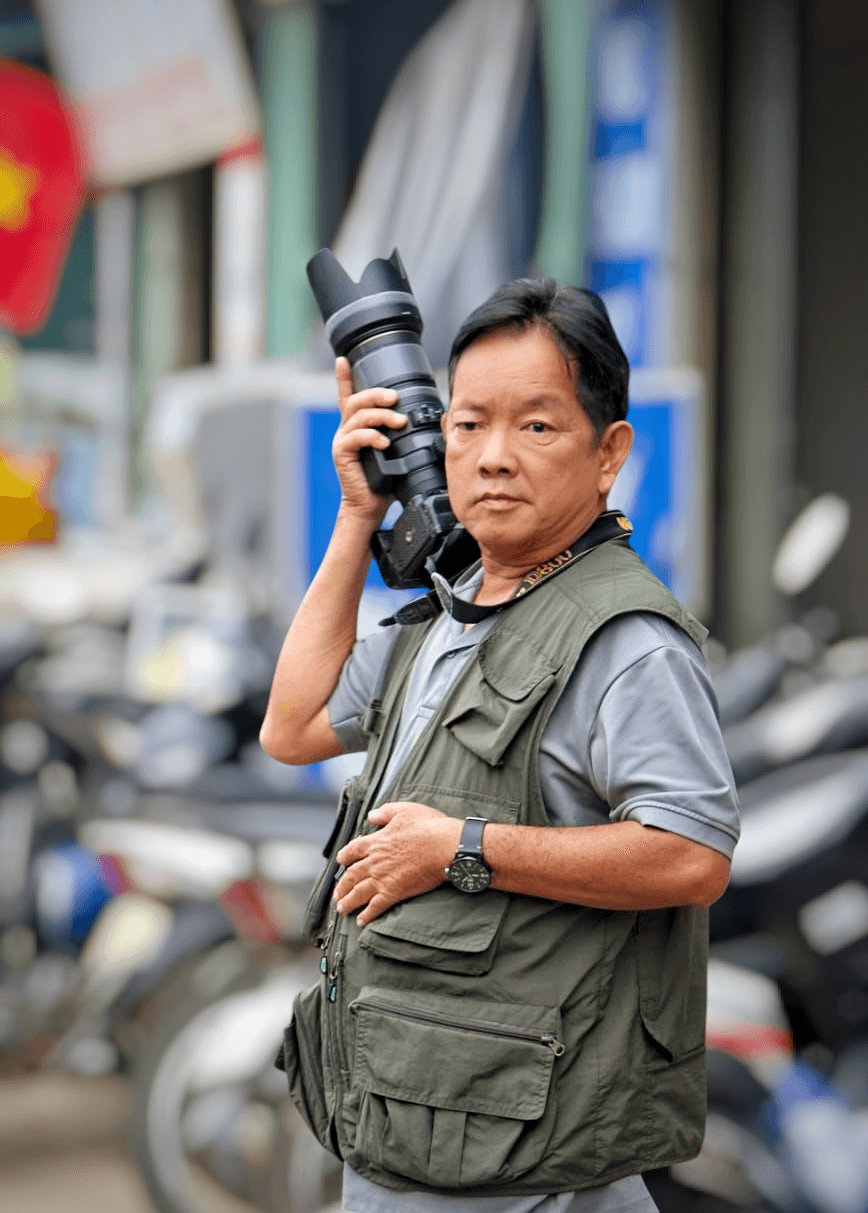
Today, at 59, Loc runs one of Vietnam’s few photography-oriented tour operations, guiding travellers through ethnic minority communities and teaching them how to travel with intention.
But his journey was anything but easy.

All photos: Loc Mai
The early years
Born in coastal Nha Trang, Loc grew up in post-war Vietnam, selling cigarettes outside the train station from age 12 to help his mother – a street vendor supporting five children – keep the family afloat. At one point, she hid from loan sharks under the bed and sold her clothes until she had only one pair of trousers and a shirt to her name.
Loc had hoped to go to university. Instead, he left school after 10th grade and began smuggling coffee and other goods to survive.
“Life is not as easy as you dream about it,” he says.
In the years following the reunification of Vietnam’s north and south, private trade was heavily restricted under Vietnam's command economy, making everyday goods like coffee illegal to move across provincial lines without state approval.
The boy strapped bags of coffee beans to his slight body and slipped onto trains, part of a well-oiled chain to move contraband: bribe the driver to slow down, and a man beneath the tracks would receive the goods. It was dangerous work. One incident ended with a friend losing both legs beneath the wheels.
✦
In 1989, poverty brought him to a breaking point, and he contemplated suicide. One morning, he boarded a bus without a destination in mind, eventually landing with family in Tan Thanh community, Tan Uyen district, before following his cousins into the Ma Da mountains to search for gold near Nam Cat Tien National Park. He describes it as a “horrible nightmare”.
Landslides buried men alive in the tunnels, malaria ran through the camps, and drunk killings were common.
He himself contracted malaria and spent three months gravely ill.
Returning to Nha Trang, he became a cyclo driver, hauling everything from cement and furniture to tourists. It was backbreaking work, and he was sometimes unable to earn enough for a single meal. Three evenings a week, he invested what little he had into English classes, hoping a new skill would change his circumstances.
A turning point
In March 1995, while doing his rounds on the cyclo, Loc met a Norwegian couple on holiday: Gunnar Simonsen and Eva Mellquist. Conversations in English led to shared meals and coffees – they were struck by his story and determination. Before leaving, they gave him a gold ring from the market.
“Whenever I looked at that ring, I felt encouraged,” he says. “I promised them I would keep studying English, so when they came back, I could speak better.”
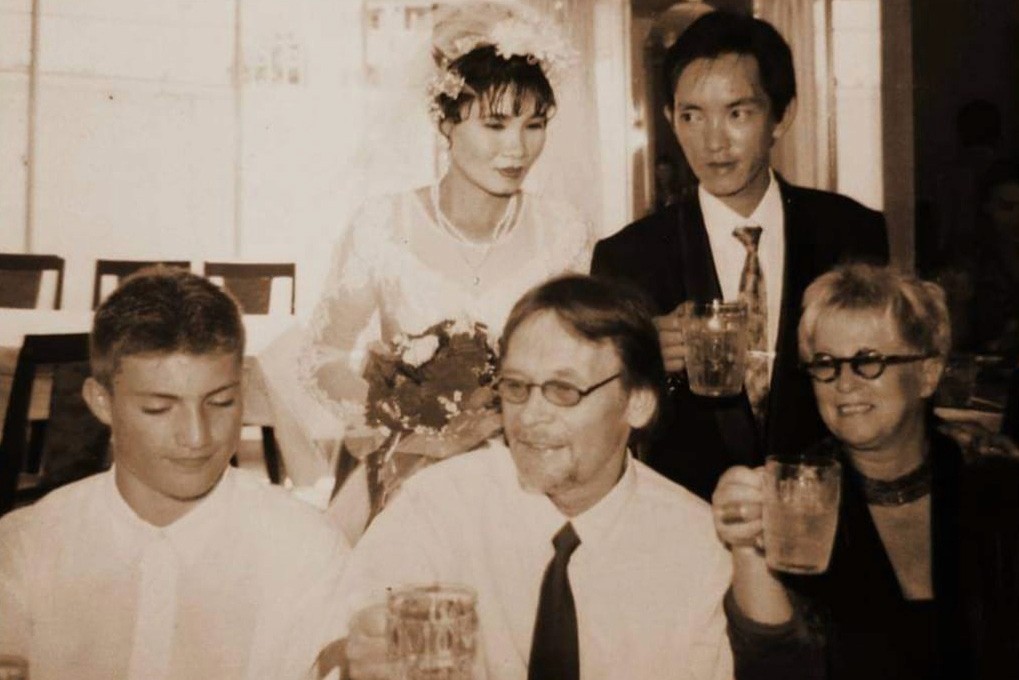
The following year, the couple returned with gifts from Norway and promised to attend his future wedding. When the day came in 1997, they kept their word. While visiting, they asked to meet his mother, so he brought them to his home – a spartan house on a former cemetery plot, surrounded by tombs with no running water. “They looked around and were shocked,” he says.
Among their wedding gifts was a small Canon solar camera and 21 rolls of film. At first, Loc wasn't sure if it was a camera or a radio. Gunnar and Eva showed him how to charge it under the sun and load the film.
In 1998, Gunnar passed away after a fall. Before he died, he transferred Loc US$6,000. With that money, Loc bought a motorcycle, traded his cyclo for a motorbike tour business – and began, slowly, to fall in love with photography.

All photos: Loc Mai
Lens on Vietnam
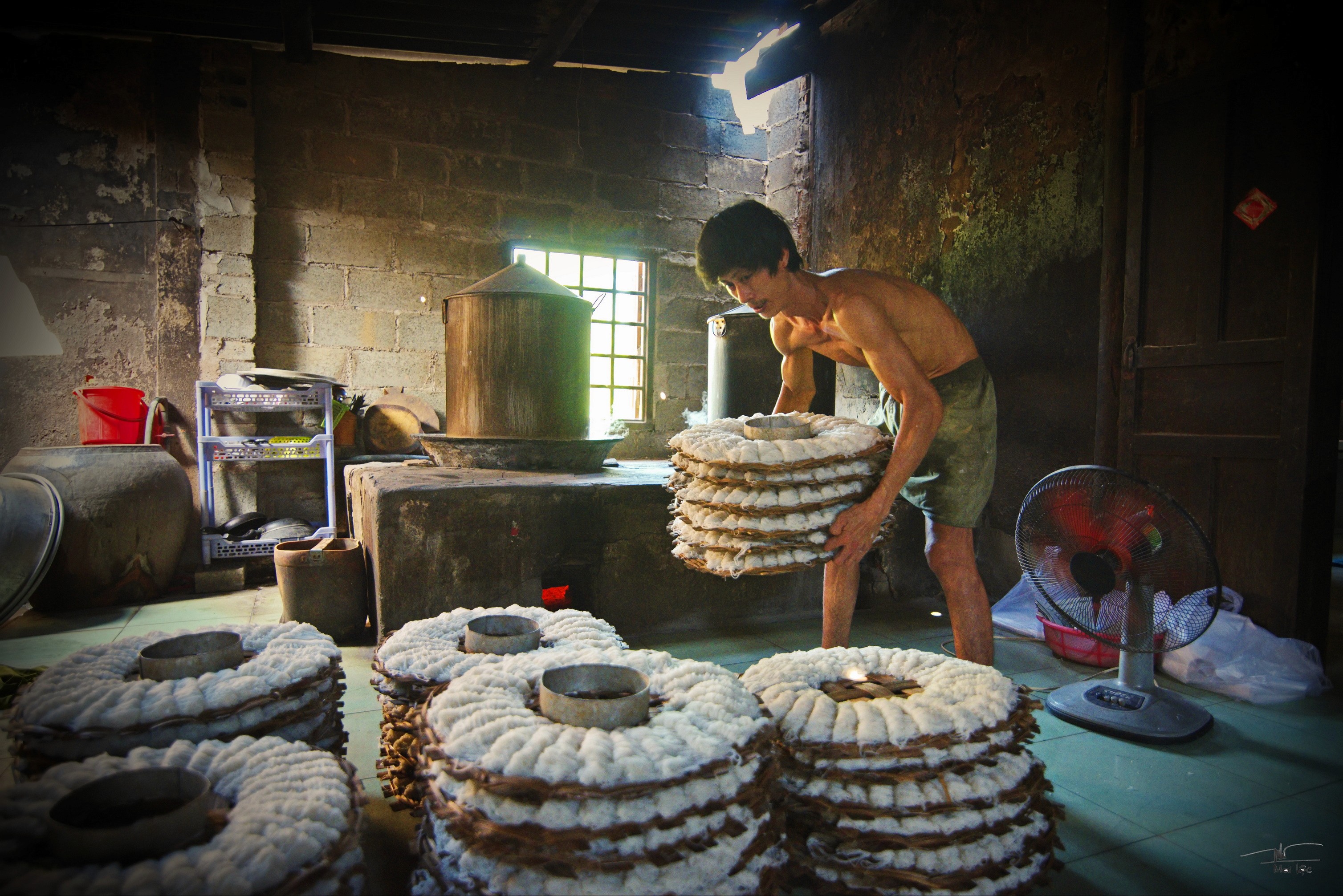
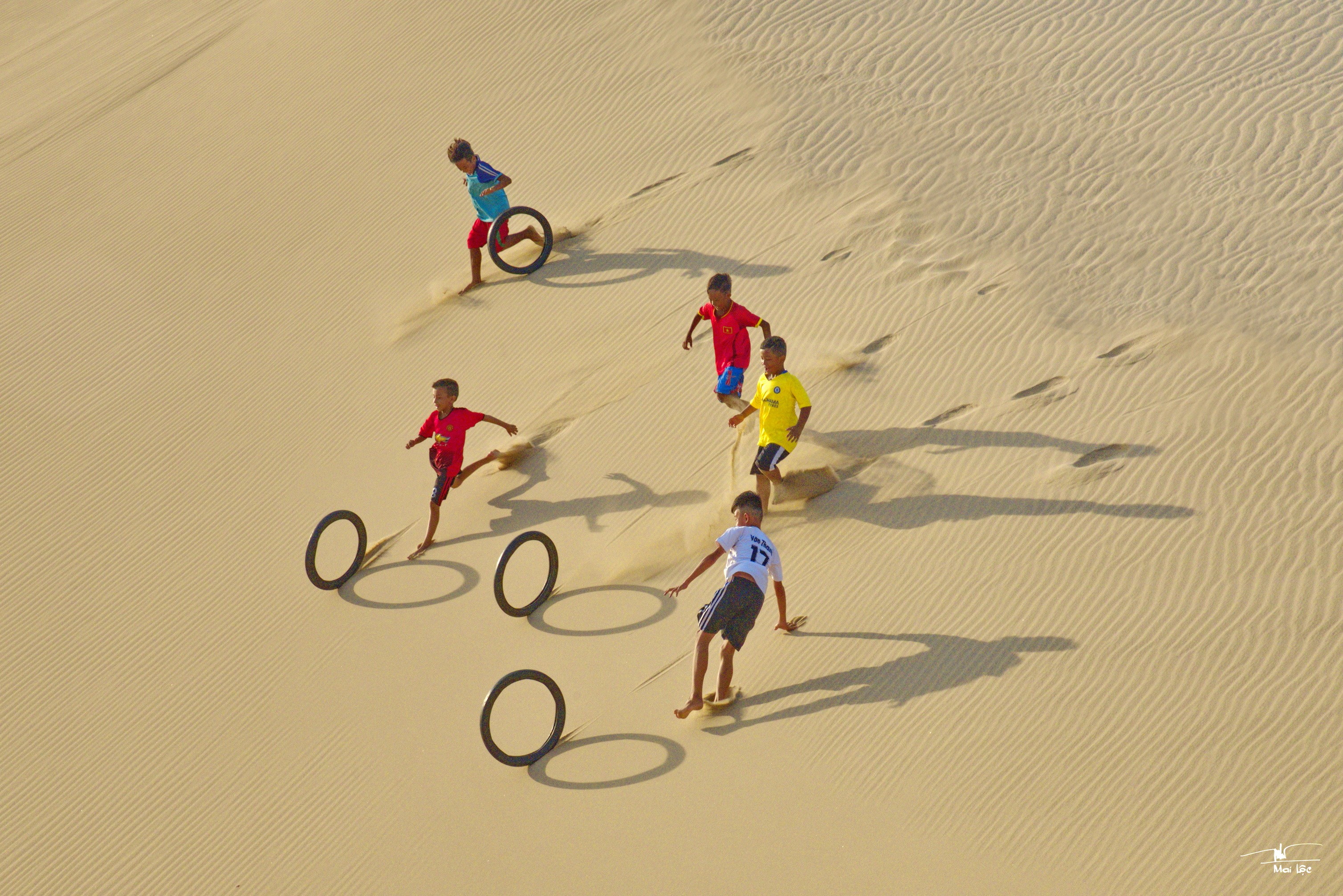
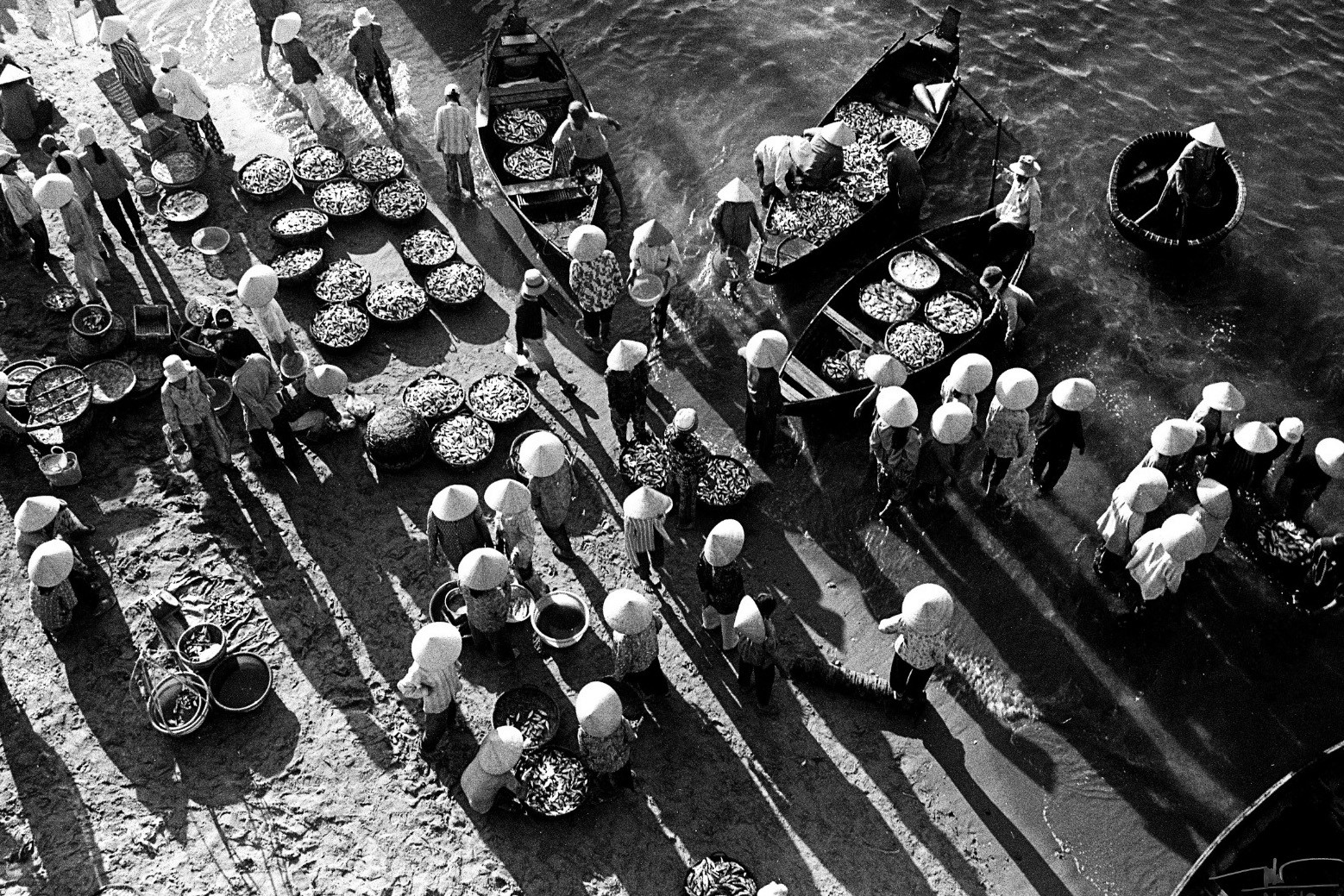
When he wasn’t taking tourists out on his motorbike, Loc seized every opportunity to peel off toward Vietnam’s highlands and capture the daily life of ethnic minority communities.
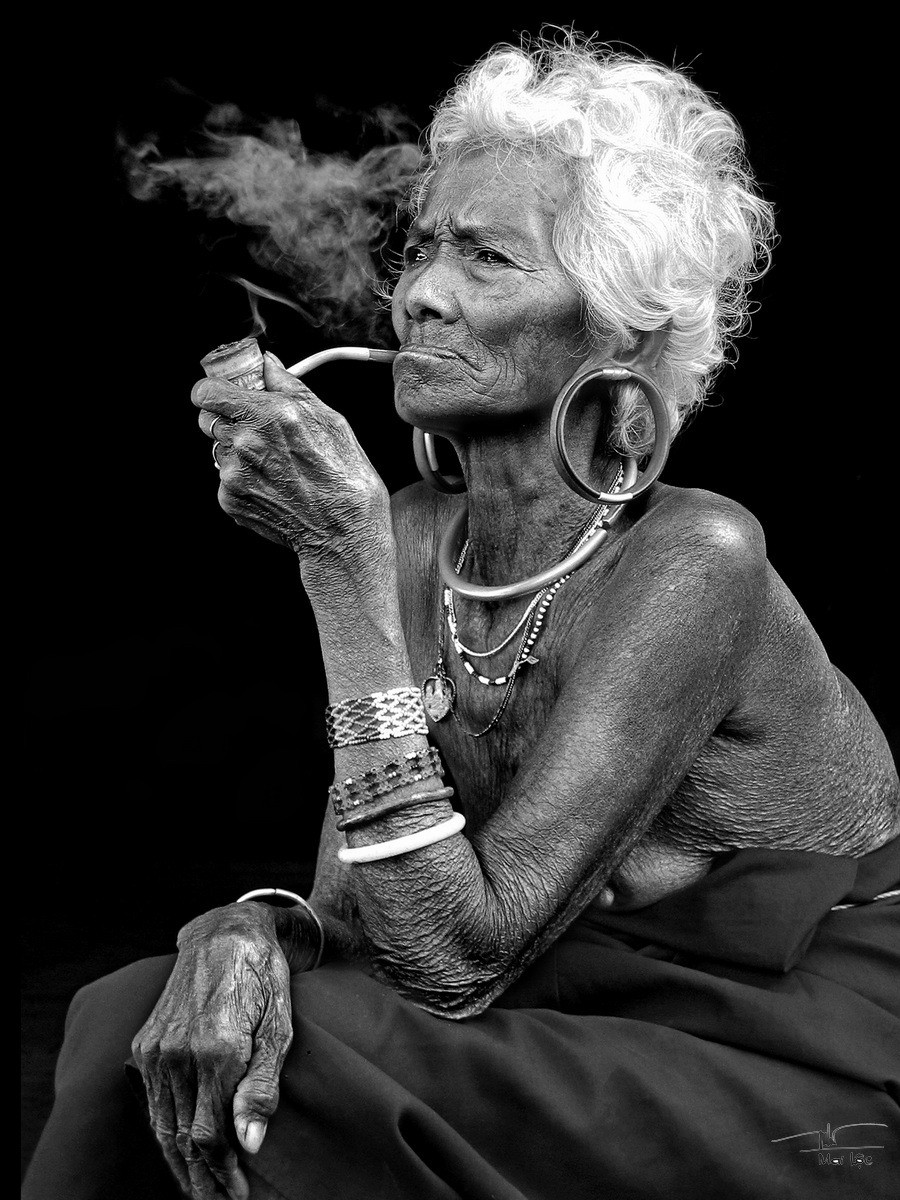
“I love the wrinkles of the old people. I love the baby laughing. Because I came from the bottom, I love the hard workers, the mother carrying something heavy, trying to earn enough to support her family.”
✦
For five years after Gunnar’s death, Eva went silent, lost in grief. When Loc finally reached her on her birthday, the call broke the silence. “It was like she had woken up from a long sleep,” he says.
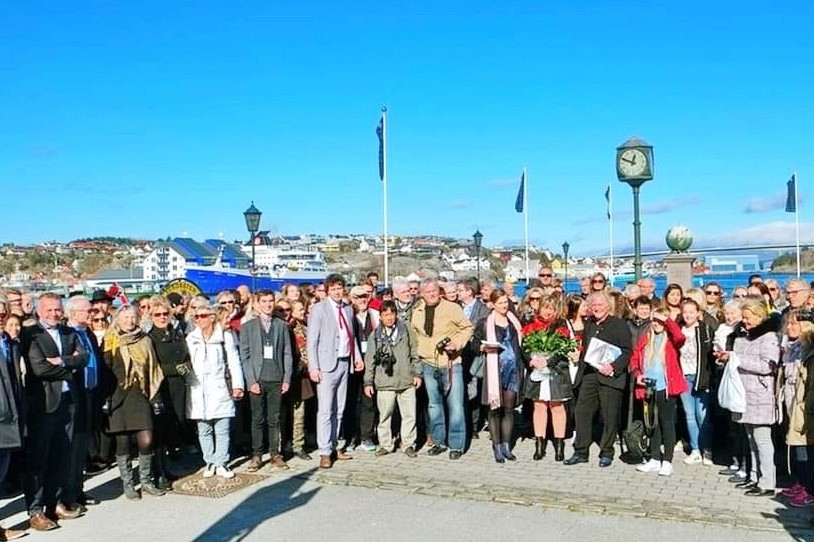
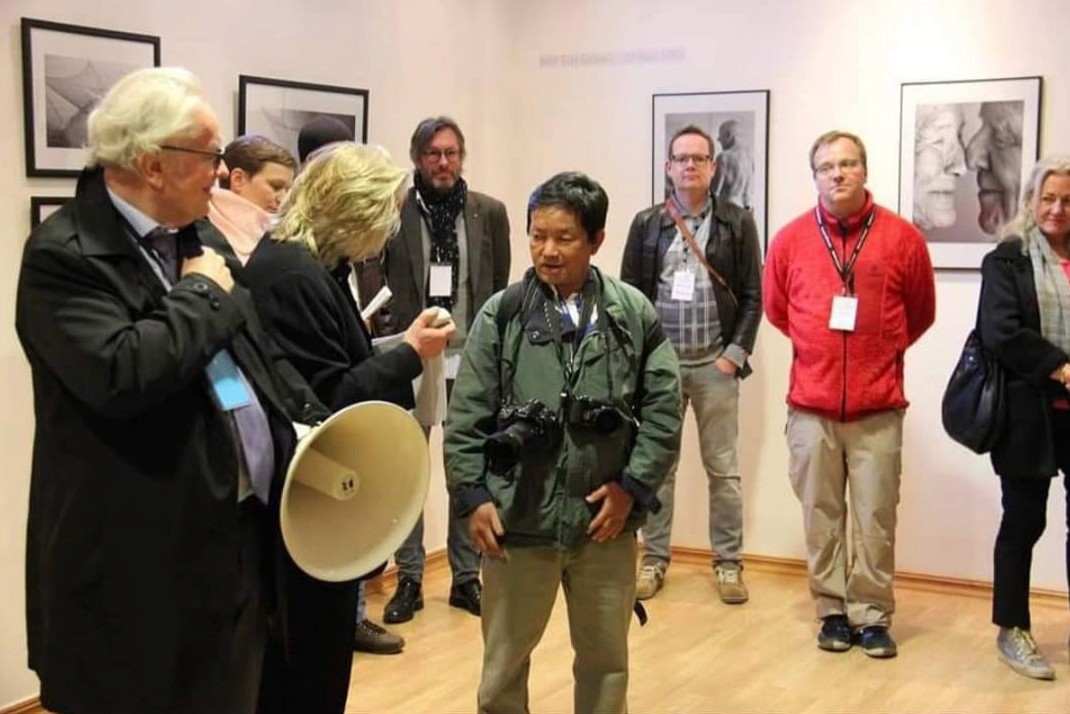
When Eva returned to Vietnam in 2003, Loc gave her the photographs he had taken. She brought them back to Norway to share with friends, and in 2006 connected him with celebrated photographer Morten Krogvold – an introduction that led to an invitation to the inaugural Nordic Light International Photo Festival in Kristiansund.
It was the first time Loc had ever boarded a plane. His first act upon landing was to buy flowers at the supermarket with Eva and visit Gunnar's grave.
At the festival, a short film about his life – produced by another tourist he had taken on a tour – moved the audience to tears, including former tourists he had once ferried by cyclo, who had come specially for the event. “I was crying as well,” he says. “I couldn't believe I was there.”
He went home and kept shooting. His work has since been exhibited across France, the UK, Canada, Slovenia, Japan, China, Vietnam, and other countries. He is a member of both the Khanh Hoa Province Fine Art Association and the Vietnam Association of Photographic Artists.
All photos: Loc Mai
Giving back
In 2015, a client asked whether he’d consider leading photography tours. He said yes and hasn’t stopped since. His itineraries, stitched together from years on the road, take travellers far from the tourist trail: dawn at the Hon Khoi salt fields, fishing boats returning after a long night at sea, Cham potters in Bau Truc village, H’mong settlements in Sapa, incense making in Quang Tu Cau, the dunes of Phan Rang. And further afield: the rice terraces of Mu Cang Chai at sunset, the Bana tribe villages of Kontum, the bamboo fish trap makers of Hung Yen.
Loc’s knowledge of lesser-known traditions sets him apart. He speaks of the Cá Ông festival, a whale worship ceremony practised by fishing communities along the Khanh Hoa coast for over 300 years.
In the central highlands, he can take you to a longhouse village for the Po Thi festival – a days-long ceremony to bid farewell to the dead that culminates in the sacrifice of a water buffalo.
His approach to conscious travel is rooted in respect: ask permission, sit with people, close the distance. Be patient. Let time pass. Bring small gifts for the children. And no matter how remote the community, he makes a point of returning with printed photographs for the people he has visited.
He worries that tourism, for all the economic good it brings, is diluting what draws people here in the first place. Nha Trang, like many Vietnamese cities, has been overtaken by generic cafes and shops.
“In a city with tourism, you need something for art, culture. But nowadays I only see bars, coffee shops, and shopping. In some ways, you cannot see anything.”
✦
His children are grown – his older son works in Ho Chi Minh City, his daughter is at university. Neither has any interest in following his path. Too much hardship, he says. A Buddhist by practice, he has learned to be happy with what he has; be at peace with the world. These days he enjoys morning coffee with friends, bicycle rides to the beach and the occasional photography tour.
But he still rides the Honda Win 100 – the “special gift of my life” – and the itch for adventure remains. He talks about tracing the China-Laos-Vietnam border, dipping into the Mekong Delta. Heading back to the central highlands villages he first visited 30 years ago on that same bike.
“I used to give candy to the kids there. Now I come back and give candy to their children. And they say, ‘Uncle, it's been a long time.’ You feel happiness.”
Learn more about Loc Mai's work or book a photography tour with him here.