As an Indonesian foodie who’s been living in Bali for a while now, “where should I eat in Bali?” is a question that I often get asked.
✦
It's a challenging one, because the Island of the Gods is home to a multitude of excellent eateries. But if my friends don’t specify what kind of meal they’re after, the answer is easy: I always direct them to my favourite babi guling spots.
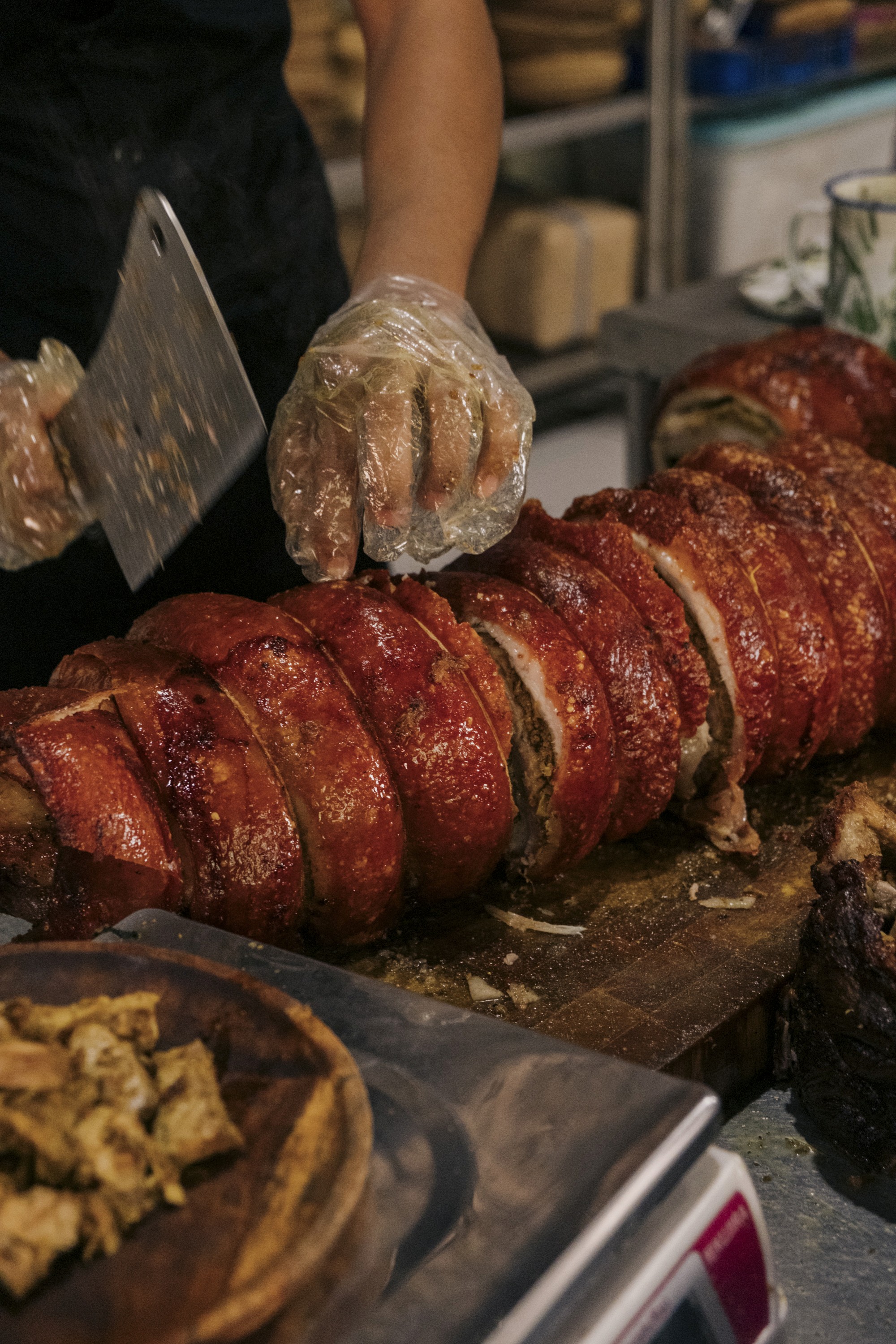
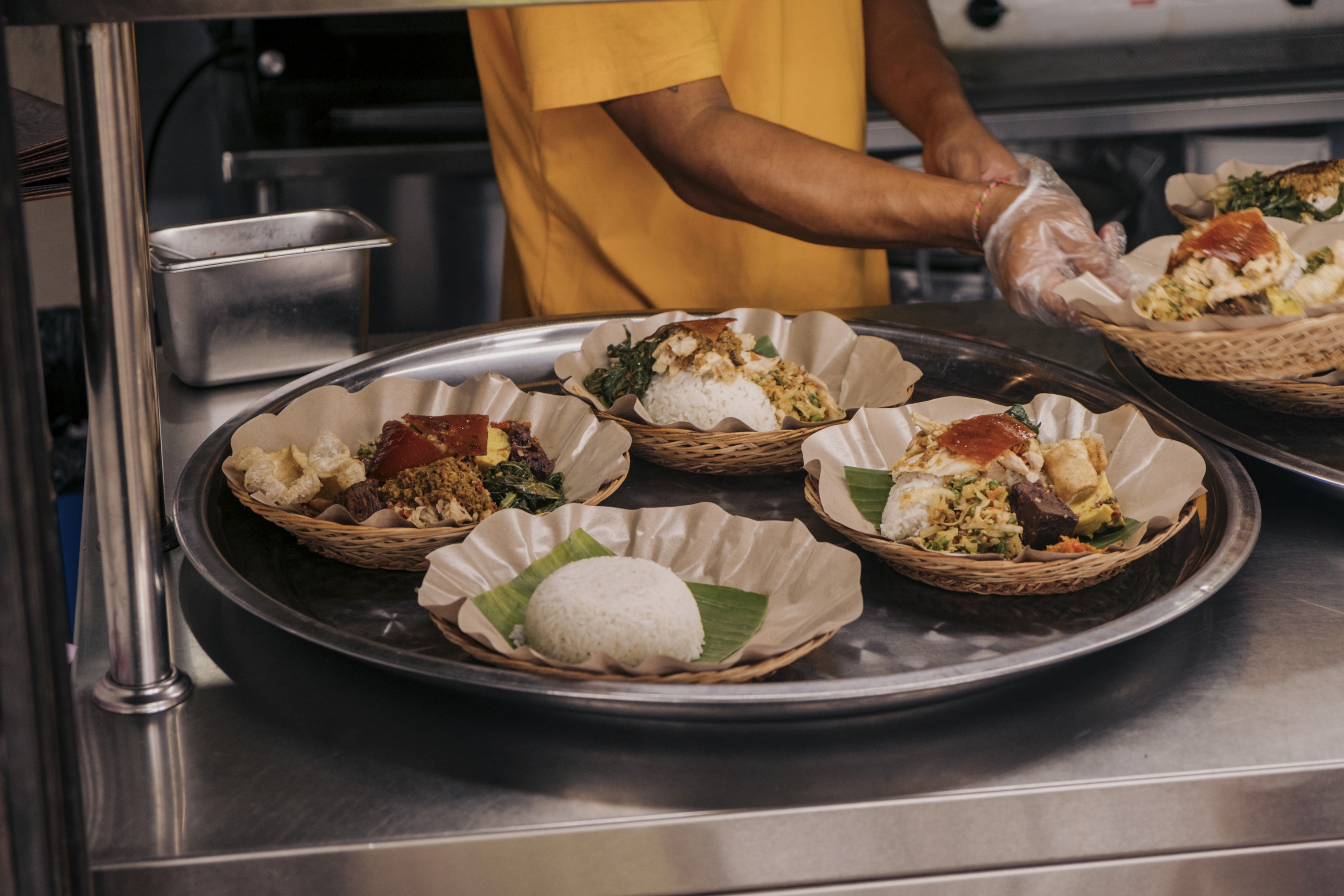
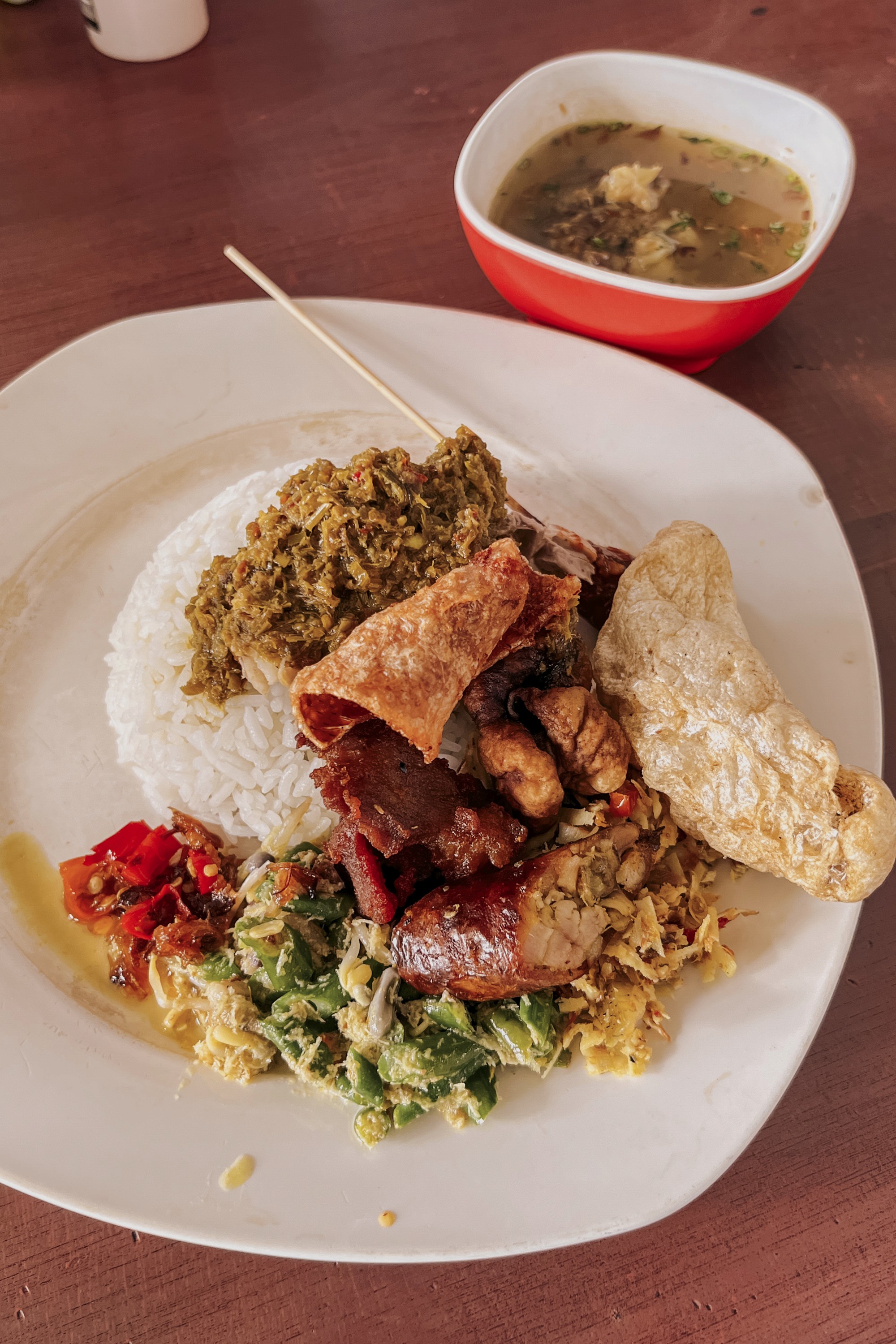
A traditional Balinese dish, babi guling is suckling pig rubbed with spices and roasted on a hand-turned spit (its name literally means ‘turning pig’). It’s often served with rice, sambal (chili paste), lawar (a vegetable side dish), satay, bumbu Bali (Balinese spice paste) and a bowl of soup.
But beyond being a simple warung staple, the dish has deep cultural significance here – so much so that it’s been recognised as an Intangible Cultural Heritage by UNESCO Indonesia.
For a long time, babi guling – made with pigs raised by Bali farmers in what used to be a largely agrarian society – was only served at temple festivals, religious ceremonies and other big important gatherings, where it was considered a symbol of prosperity and fertility.
Balinese Hinduism (Agama Hindu Dharma) is a syncretic tradition that emerged from the fusion of Indian Hinduism with pre-Hindu animist and ancestral worship practices specific to Bali. The pig has been part of Balinese village rituals for centuries – it’s raised in household compounds and is part of the ceremonial obligation that ties each family to their banjar (village community group). The slaughter and roasting of a pig at an odalan (temple anniversary) or wedding is a communal act: the whole banjar participates in the making of the ceremony’s primary offering.
These days, however, popularised by tourism, babi guling is served across the island, from street stalls to sleek restaurants.
Even non-Muslim Indonesians from the mainland, where pork isn’t commonly served, have been known to make culinary trips to Hindu-majority Bali for it. And that, surely, is proof that Bali’s babi guling is really something special.
Here’s my go-to list of the best places to try it. You won’t find Bali’s most famous Warung Babi Guling Ibu Oka in the list, as popularised by the late great Anthony Bourdain when he stumbled upon it 2006 when filming an episode of No Reservations, but there are plenty of other less touristy-options that are just as good – if not better.
✦
Save Michelle’s Google Map of the best babi guling restaurants in Bali here.
(A tip: Most babi guling restaurants only accept cash or local bank transfers, so be prepared before you go. And remember that this is a dish best eaten hot and fresh, so takeaways aren’t recommended.)
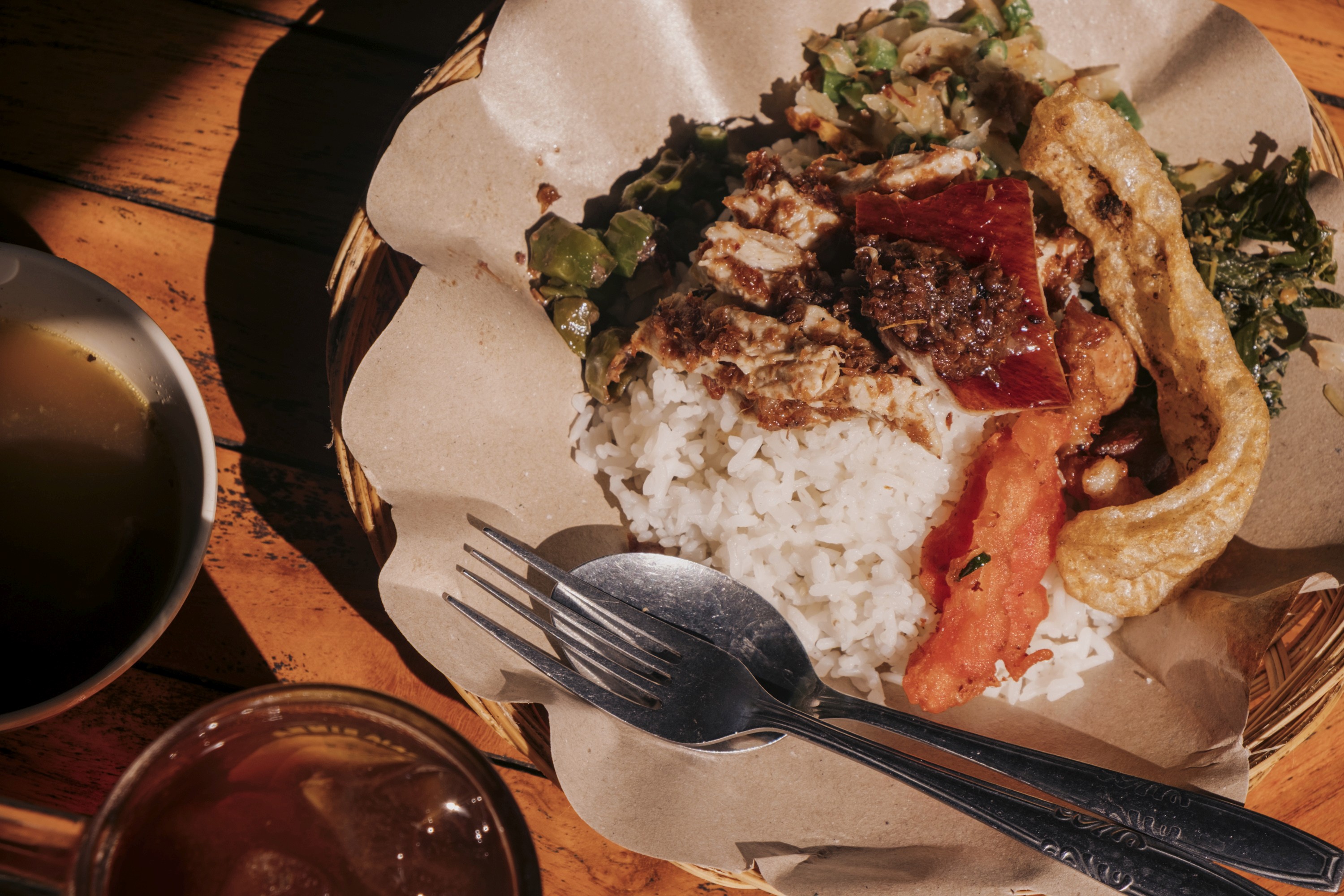
Photos: Michelle Francisca Lee
1. Babi Guling Pande Egi
If I had to choose one babi guling spot for a first-timer, it would be this one, because they serve the gold standard. Located 30 minutes from Ubud, the nearest major town, the sprawling Balinese-style restaurant has been around since 2016. It’s quite out-of-the-way but comes with a magnificent view of paddy fields – part of the reason why it gets very busy, especially during late lunchtime. Take a table and the wait staff will attend to you after. I love their babi guling because it’s perfectly balanced in terms of flavour, portion, tenderness and greasiness. As a bonus, the famous Kanto Lampo Waterfall is only 5 minutes away.
Location: Babi Guling Pande Egi, Jl. Bukit Buluh, Beng, Kec. Gianyar, Kabupaten Gianyar, Bali 80513
2. Babi Guling Jero Kawan
If you’re staying in Canggu, try Babi Guling Jero Kawan, which is about 20 minutes away by bike in the beach village of Munggu. You’ll know the place when you see it because there’s a temple next door (it’s private, not a tourist attraction). Unlike at Pande Egi, you need to order at the cashier and pay first before finding a table. Here, the meat is tender and they serve it with pork crackers and fried pork fat – definitely one of the best versions in the area.
Location: Babi Guling Jero Kawan, Jl. Raya Munggu No.6, Munggu, Kec. Mengwi, Kabupaten Badung, Bali 80351
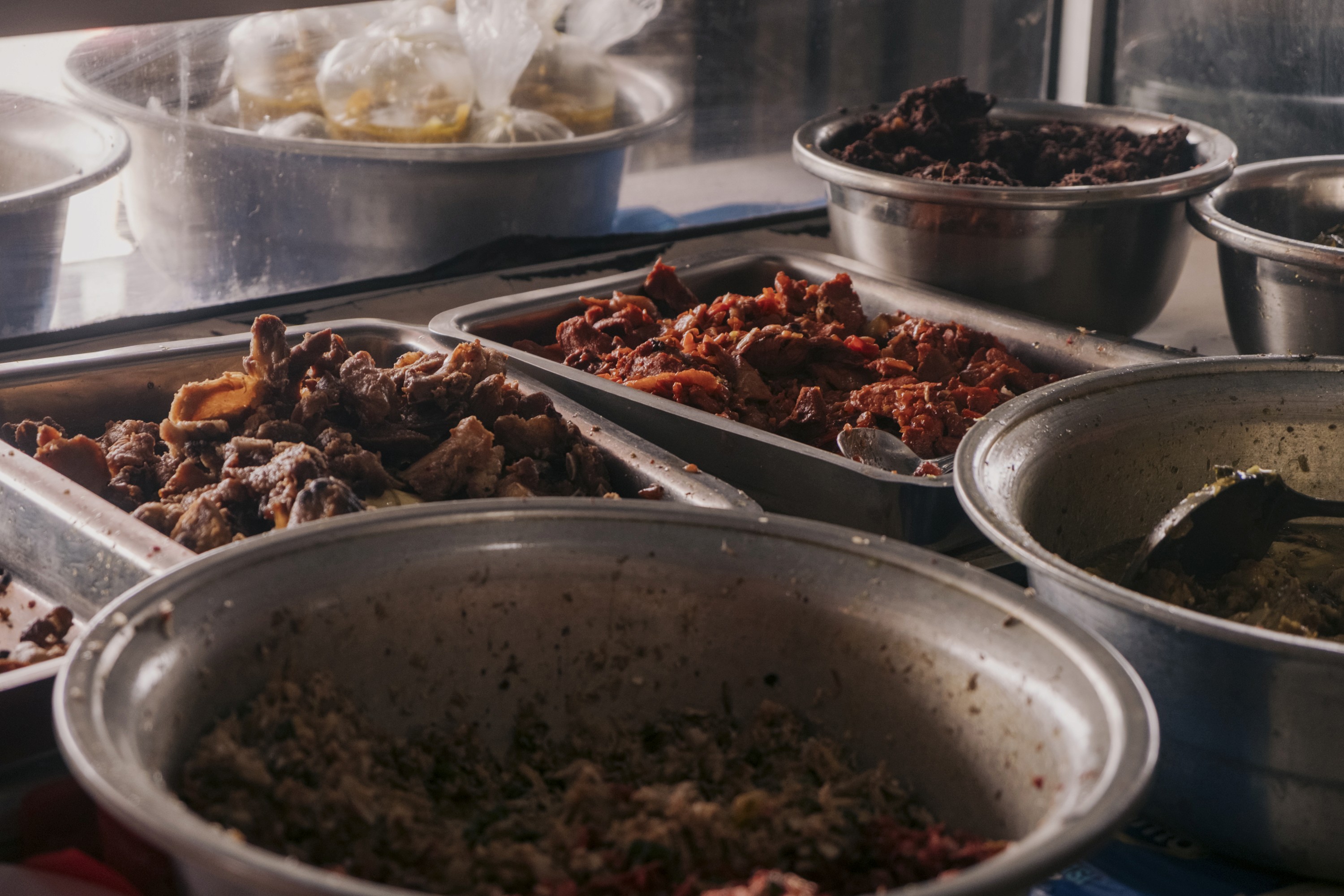
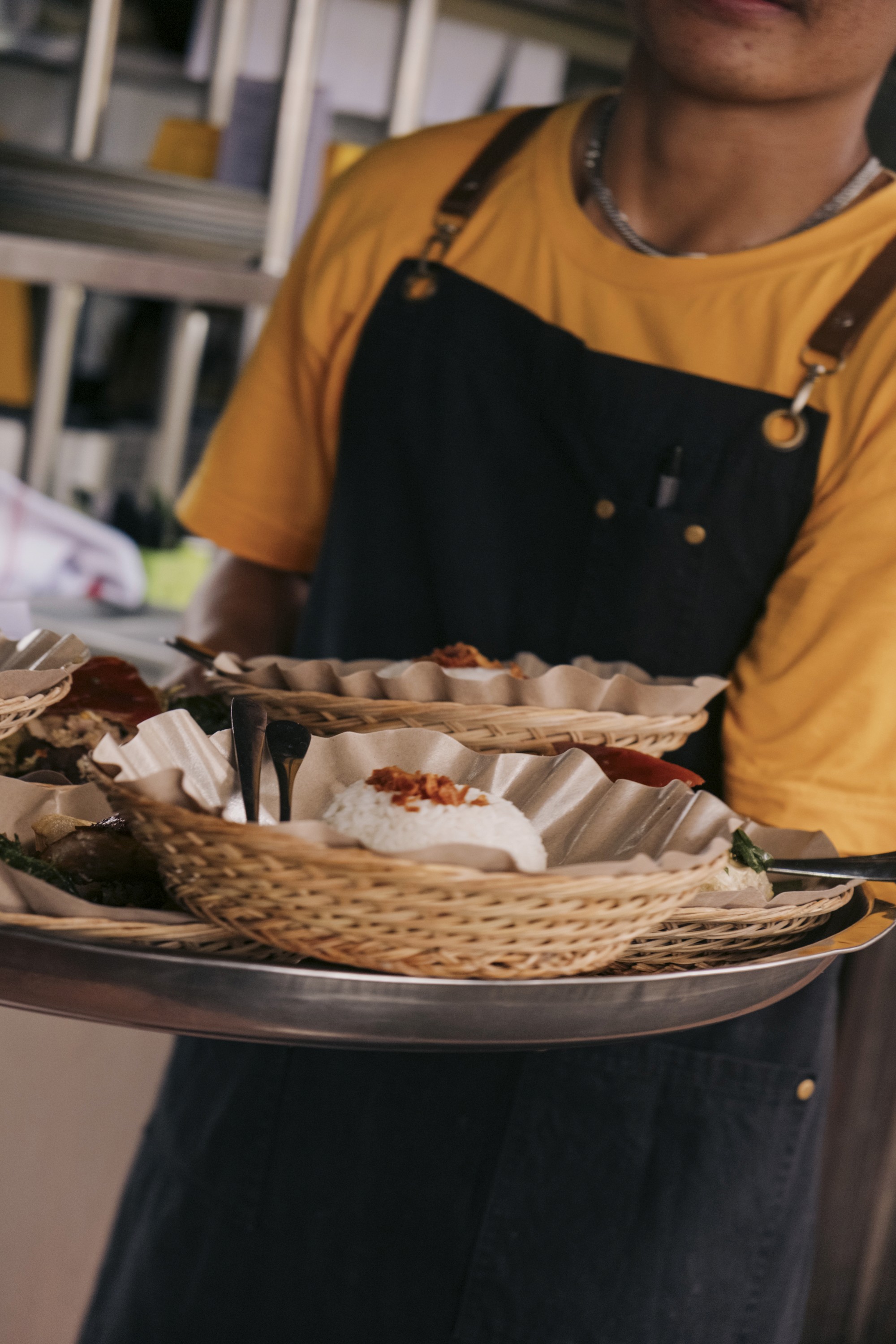
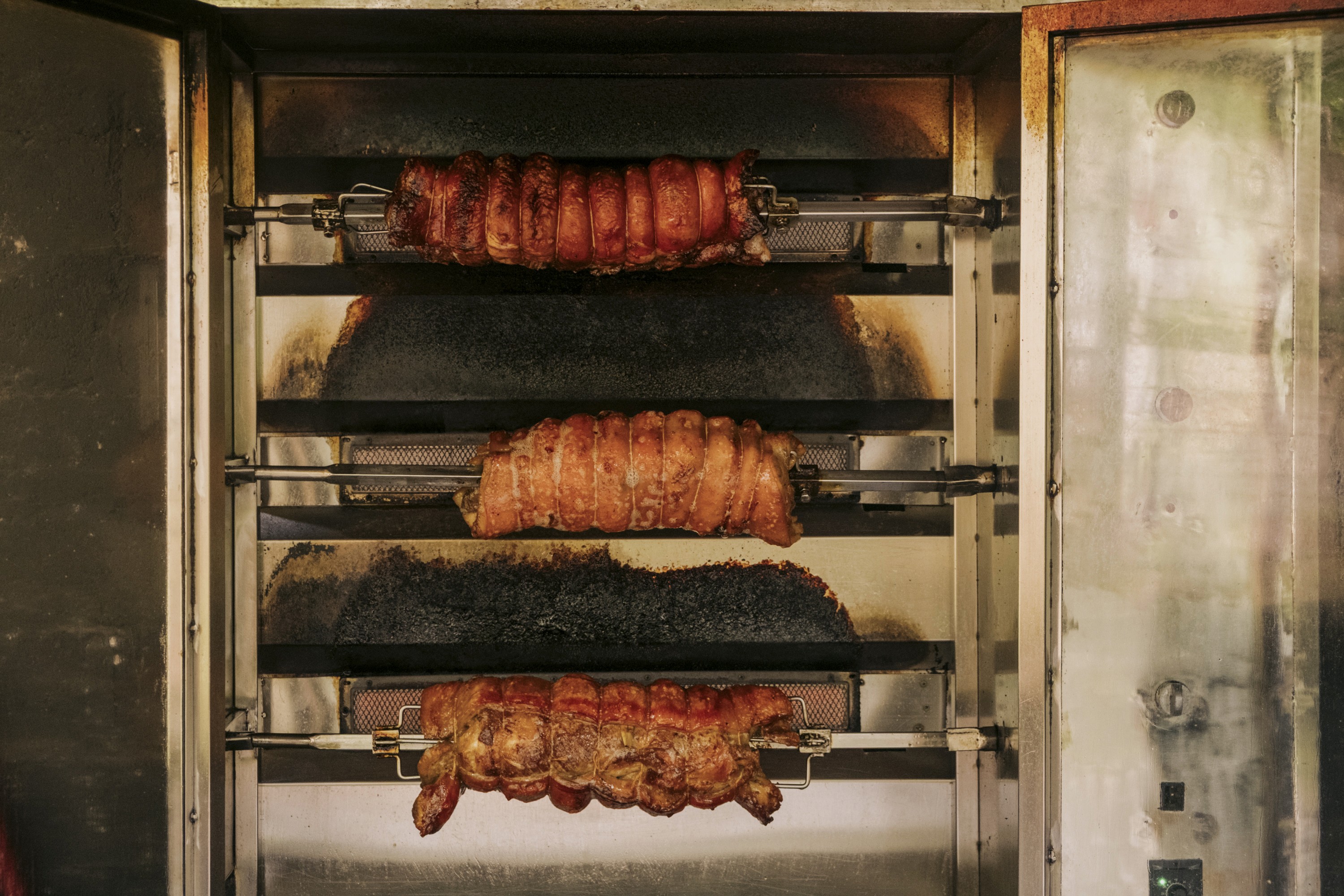
Photos: Michelle Francisca Lee
3. Babi Guling Selingsing “Ibu Suci”
Only 5 minutes from Babi Guling Jero Kawan, this restaurant is also a local favourite. It’s one for those who want to go the whole hog, because the food here is the greasiest on the list. Each portion comes with dark meat and pork innards, with the yellow bumbu Bali poured liberally on the rice as gravy. The lawar is also different because they mix it with pork. Note that it’s by the main road and can get uncomfortable during peak-hour traffic because of the heat and noise pollution.
Location: Babi Guling Selingsing "Ibu Suci", Jl. Raya Munggu-Kapal, Cepaka, Kec. Kediri, Kabupaten Badung, Bali 80351
4. Babi Guling Bp. Dobil
Popular amongst Indonesians, Babi Guling Bp. Dobil is a must-visit if you’re in the Nusa Dua area. Before you take a seat, you have to queue, order your meal and pay at the cashier. There are different lines for dine-in and takeaway, so make sure you’re in the right one – and prepare for a long wait especially if you’re here during lunchtime. It’s worth it though, because the tasty soup itself is the best out of all the restaurants in this list.
Location: Warung Babi Guling Sari Dewi Bp. Dobil, Jl. Srikandi No.9, Benoa, Kec. Kuta Sel., Kabupaten Badung, Bali 80361
5. Babi Guling Samsam Merekak
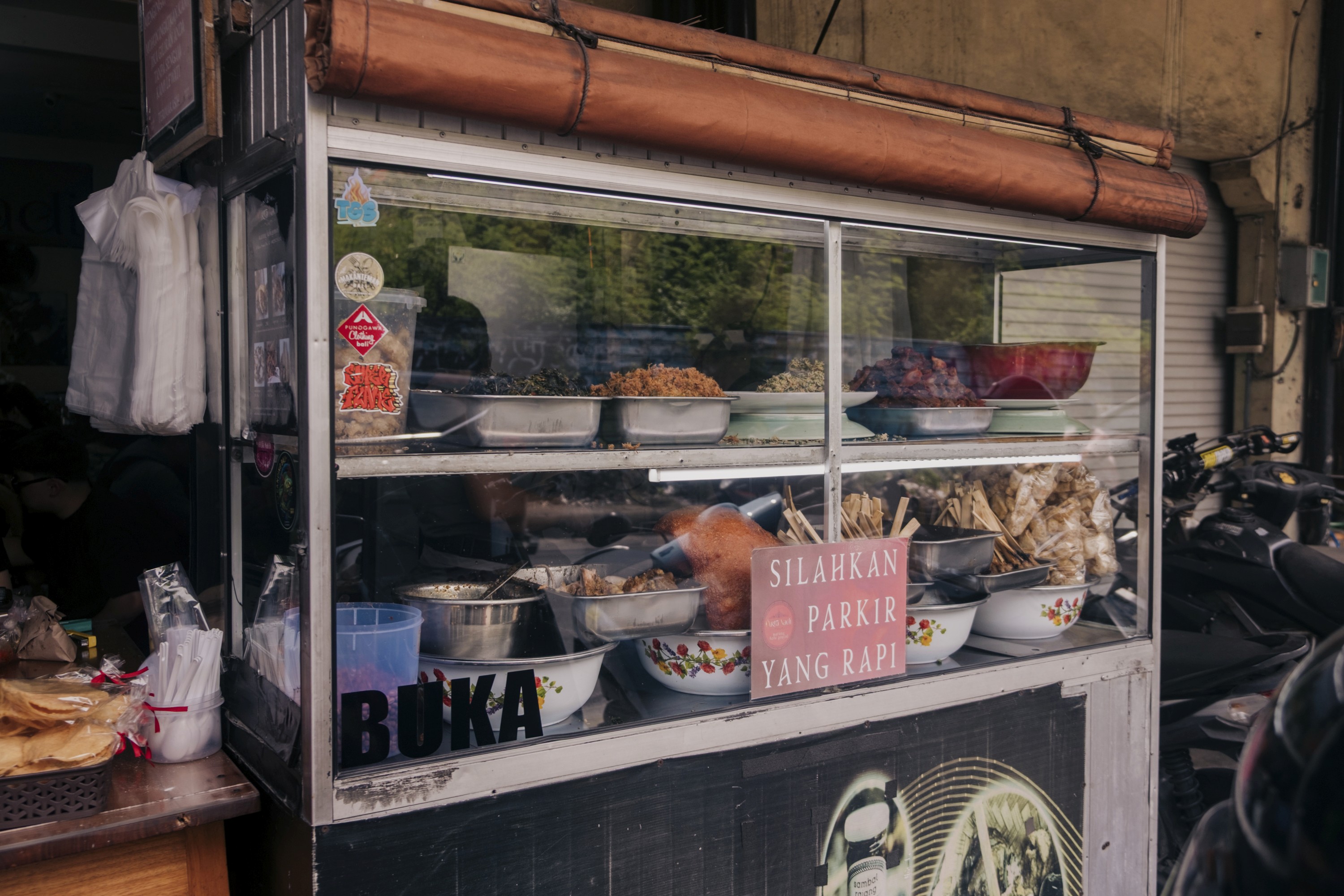
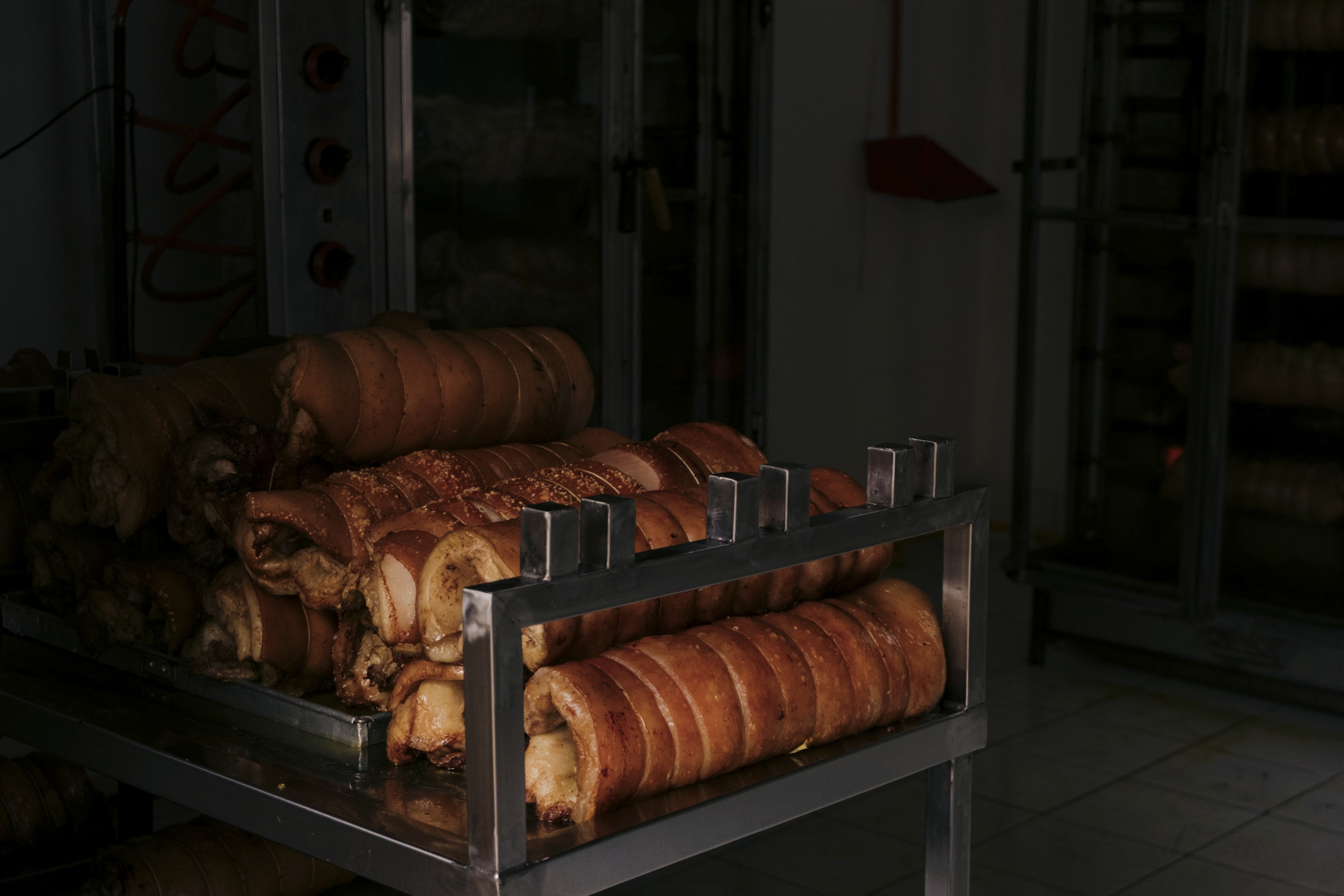
Started in 2020 during the pandemic, Samsam Merekak flourished because it specialised in frozen babi guling back when people couldn’t eat out. Now they have several locations, but the main kitchen is in Mengwi, 30 minutes from Ubud by bike. Instead of roasting a whole pig, the version here is done roulade- and rotisserie-style, which involves spreading the spices on the meat before rolling it and slowly cooking it in an oven. If you love crispy pork skin, this is the place to be, because almost every slice is shatteringly crisp.
Location: Guling Samsam Merekak, Br.blungbang, Penarungan, Kec. Mengwi, Kabupaten Badung, Bali 80351
Photos: Michelle Francisca Lee
6. Babi Guling Pak Dodot
Tucked in a northwest corner of Bali, this babi guling place is far from the others. It’s in an area called Pemuteran, near the famous dive site of Menjangan Island. The set-up might seem modest, but make no mistake, Babi Guling Pak Dodot is one of Bali’s best-kept secrets. Every order comes with white rice, crispy pork skin, pork crackers, pulled pork meat, lawar, satay, soup, innards, bumbu Bali and chili paste. It’s one of the most complete babi guling sets anywhere – you won’t have to order any add-ons. The perfect meal after a half-day of snorkelling or diving.
Location: Babi Guling Pak Dodot, Sumberkima, Gerokgak, Buleleng Regency, Bali 81155
7. Babi Genyol Arta Nadi
The difference between babi guling and its cousin babi genyol lies in how they are cooked. While babi guling is all about hand-turning the meat over a spit, babi genyol involves slow-cooking fatty pork belly and skin. Both dishes are typically served with rice, lawar and sambal. Located in Kerobokan, 20 minutes from Canggu, Babi Genyol Arta Nadi is a local favourite and hidden gem that specialises in both versions. Every portion here comes with both crispy pork skin and slow-cooked pork belly – a double indulgence on a single plate.
Location: Babi Genyol Arta Nadi, Jl. Raya Semer No.47, Kerobokan, Kec. Kuta Utara, Kabupaten Badung, Bali 80361
✦
The anatomy of babi guling – what to order and what each component is
Kulit: The crackling. This is what separates a great babi guling from a mediocre version. It should be amber, blistered and shatteringly crisp when you press it, not pale, soft or greasy. At any warung, you can ask for extra kulit – and you should.
Lawar: Chopped pork mixed with shredded coconut, long beans and a complex spice paste. Comes in two versions: merah (red, made with fresh blood) or putih (white, without blood). The red lawar is the ceremonial version with more fragrance and complexity.
Sate lilit: Minced pork, coconut and aromatics pressed onto lemongrass stalks and grilled. Despite the similar name, this is quite different from your usual sate – it’s lighter and more fragrant.
Urutan: Balinese pork sausage. Seasoned with local spices, typically grilled. Not every warung includes it; when it appears, it’s a marker of a more complete preparation.
The rice: Plain, steamed, always white. Don’t skip it, because the dish makes no sense without it – the point is the contrast between the richly spiced pork and the plain grain.