It’s barely dawn in Nha Trang, but the beach is already stirring. Groups of women do tai chi on the sand, talking fast, moving slow. Behind them, fishing boats bob in the shallows, their bright blue and red hulls competing for attention with the turquoise water.
✦
Even in the dim morning light it’s easy to see why the coast is the city’s calling card. Its 7km of creamy white sand courses along the length of the town, one edge melting into turquoise water, the other into a promenade.

Later in the day, the tai chi sessions will give way to deckchairs filled with sun-roasted tourists as red as the lobsters this seafood hub is famous for. Most will have come expressly for this paradisiacal landscape.
What many of the 5 million annual international visitors to this region don’t realise is that, beyond its famous waterfront, Nha Trang is full of less-known charms.
In this two-speed city – at once a bustling provincial capital and a traditional fishing village – cottage industries run alongside modern offices; working women still wear the dobo, a colourful traditional pantsuit; and a wave of returning creatives is slowly reshaping its soul.
Where to eat in Nha Trang
My guide and Nha Trang native Pham Ngoc Truong suggests that the best way to dig into the place is to do just that with food, so we start at Banh Can 97. At this sliver of a stall that grew out of a street cart, a cook works rows of clay moulds over a flame, rhythmically flipping out rice-flour pancakes topped with fat langoustines, prawns and squid.

These are bánh căn, a specialty in this region, and Nha Trang does some of the best seafood versions around. Perched on tiny plastic stools, we slosh bites through bowls of addictive fish sauce, hoovering up the hot, chewy cakes as fast as they’re made.
From there, Truong steers me to Cơm Tấm Sườn Que, a no-frills cafeteria renowned among locals for its fantastically juicy pork ribs – not the usual lean chop – that arrive all sticky and smoky from the grill.
“If you ask any Nha Trang man what he wants to eat for the rest of his life,” he says solemnly, “he would probably choose this.”
Here, unlike most cơm tấm places which close after breakfast, the dish is served all day – meat piled on top of fragrant broken rice and topped with a jammy fried egg.
Elsewhere, street food is getting a different treatment. In a charming cul-de-sac across town, I find Mamita Kitchen & Wine, the city’s most exciting bistro. Owned by Jade Vo, a vivacious optometrist who returned from London to set it up as an ode to her mother, a former street vendor, it serves nose-to-tail dishes inspired by local fare.

Proceeds help fund its young chefs’ educations, but the restaurant’s serious mission belies its fun spirit. When Jade registered the restaurant’s name – a playful southern Vietnamese word – officials blinked. “They said, ‘you’re opening a brothel?’” she laughs, pouring us generous glasses of wine.
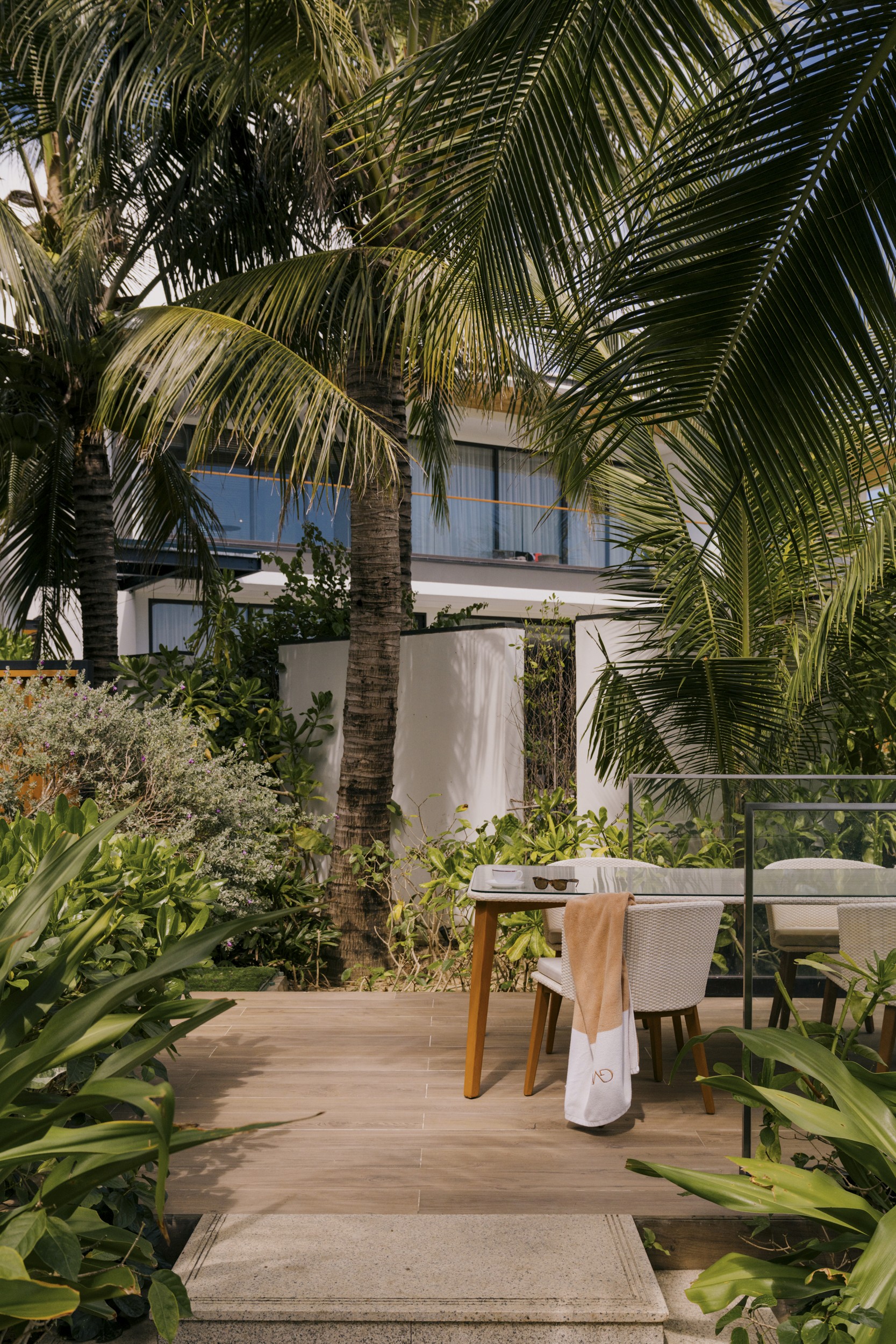
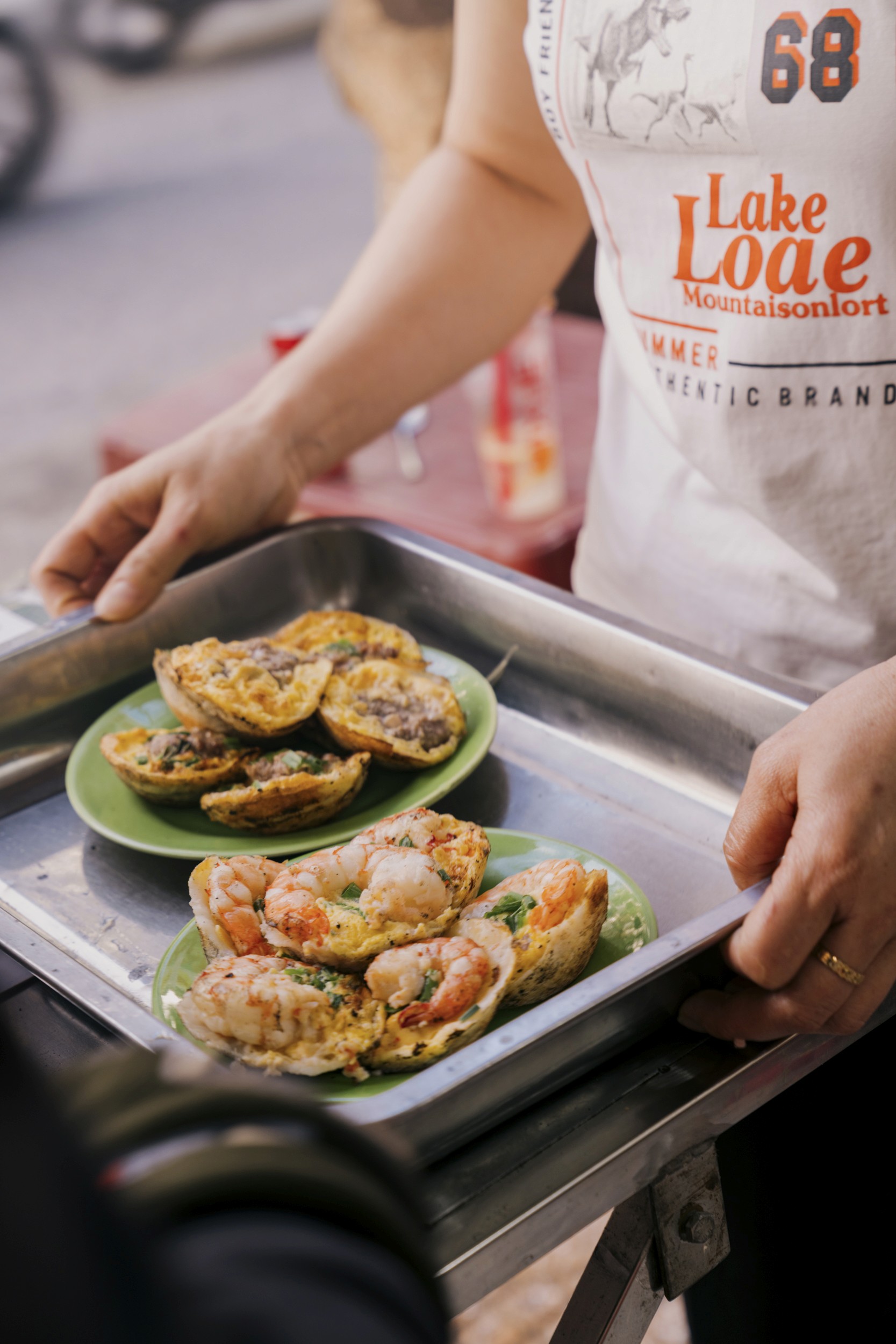

Villa Le Corail by Gran Meliá; Banh Can 97; Jade Vo of Mamita. Photos: Lauryn Ishak
Where to drink in Nha Trang
Coffee culture – already a religion in Vietnam – is even more deeply embedded here, on the fringe of the Central Highlands’ coffee plantations. “It’s not just about the drink,” says Truong. “Having coffee is a way for people to gather before work, or slow down in the afternoon.”
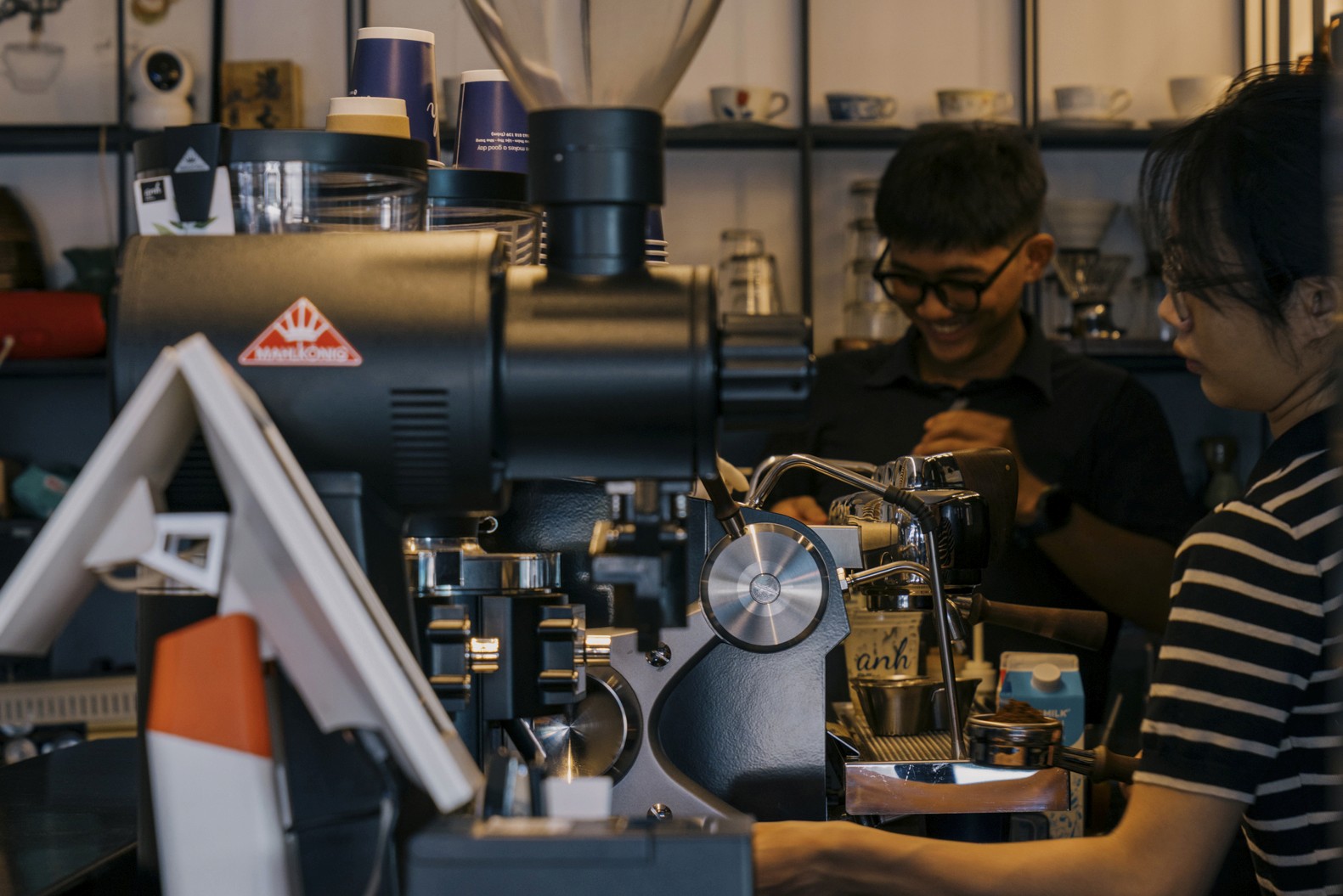
Local favourites An Cafe and Nha Trang Specialty Coffee offer the perfect cocoons for that ritual: leafy surrounds where birdsong filters through the trees, people nod off between cups, and time and one’s sense of self seem to fade into the background.
Come sundown, however, a vibrant young cocktail scene is finding its feet.
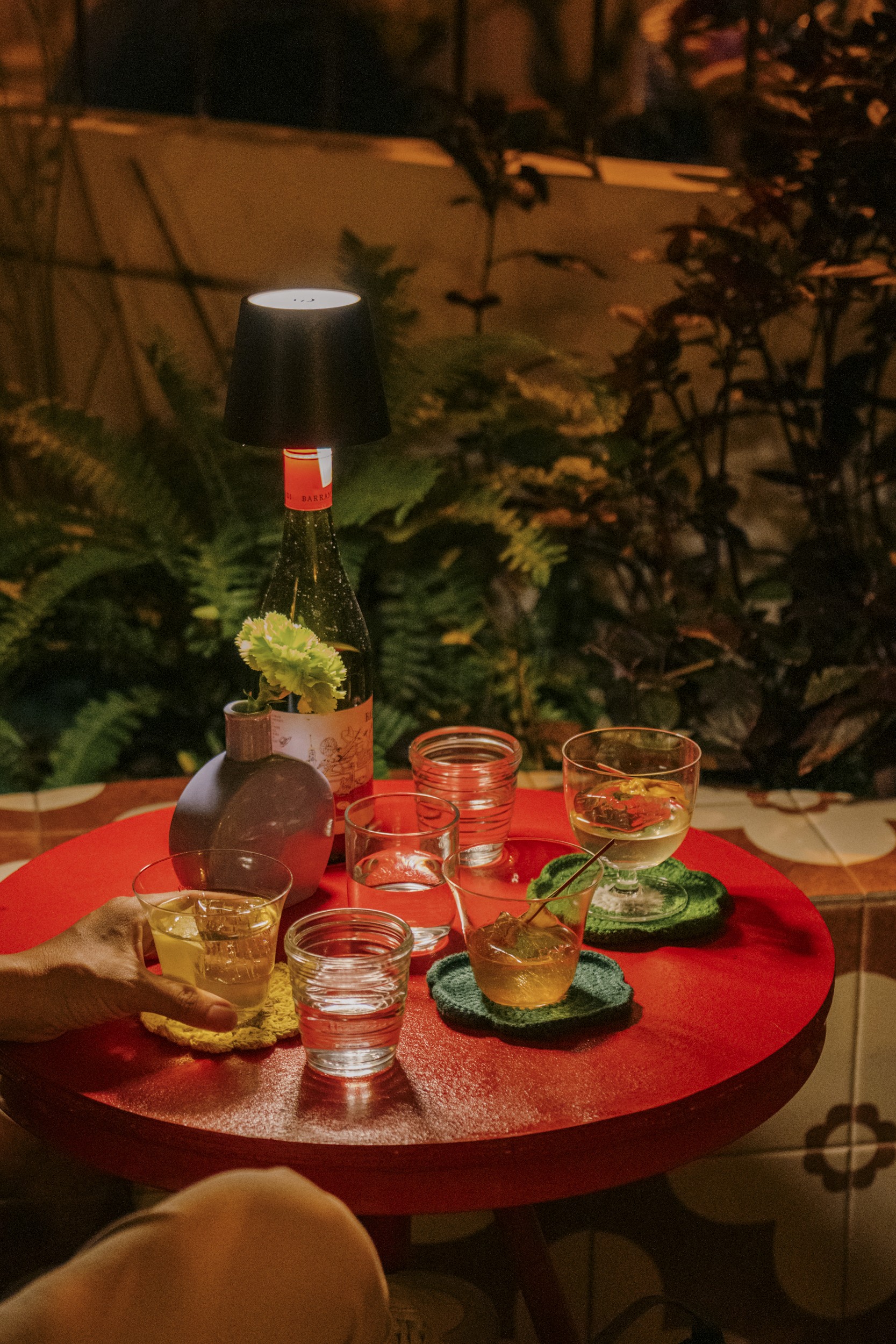
At Millie Bar – a cosy chamber and garden terrace on the ground floor of a home – former copywriter Vo Nguyen Dang Khoa and his young team mix drinks behind a small wooden counter that sat empty in its early weeks because customers were intimidated.
“People weren’t used to sitting at the bar; no one wanted to be face to face with us!” he says.
Khoa picked up bartending in Ho Chi Minh City after becoming disillusioned with advertising. Three years ago, he moved back to his home province to open Millie. Like his freewheeling spirit, there’s no guiding concept for the menu here – the bar’s philosophy is much like its cocktails: unrestrained, instinctive, offbeat. “Why keep yourself in a box?” he mulls. “If I have an idea, I’ll make it.”


Nha Trang Specialty Coffee; Millie Bar. Photos: Lauryn Ishak
What to do in Nha Trang
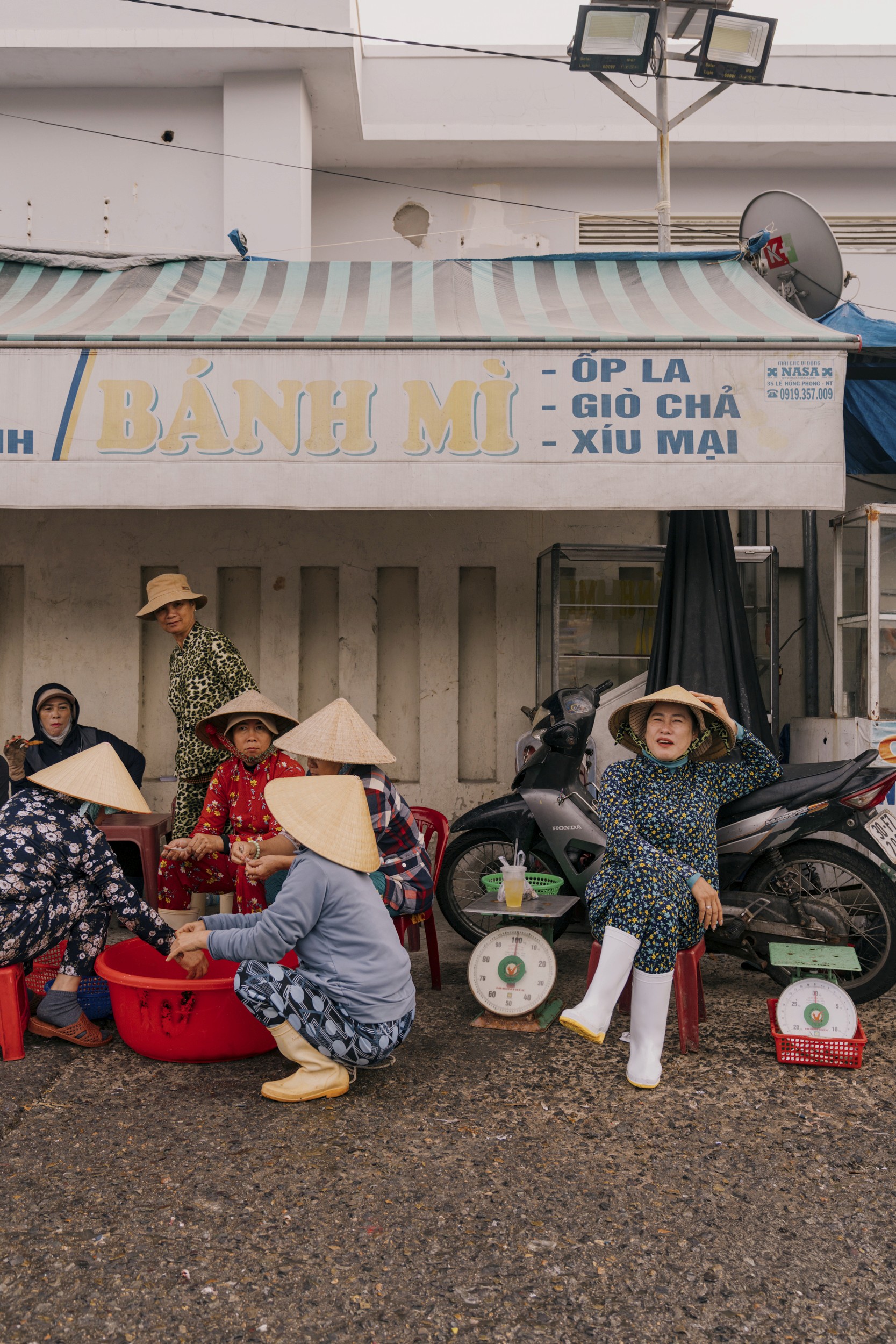
One morning, I join veteran local Loc Mai for a tour of Nha Trang’s main fishing port, Vinh Truong, organised by my hotel, Villa Le Corail by Gran Meliá. In this sprawling market within a village that’s almost 300 years old, seafood wiggles in baskets while women in bucket hats clean fish straight from the boats.
Picking through the organised chaos with Mai – a former cyclo rider who became an award-winning photographer after two tourists gave him a camera – helps me untangle the unique microcommunities and rituals of the place.
He moves through it all with the swagger of someone who has been capturing its rhythms for almost a decade, pointing out everything from its entrepreneurial resellers, to the visual geometry of vendors’ nón lá (conical leaf hats) and their lottery-like method of deciding who to sell fish to if bids are equal.
✦
Not far from Vinh Truong, in the labyrinthine neighbourhood of Cua Be, some of the port’s bounty is being turned into Vietnam’s most celebrated fish sauce and fish cakes, in homes by families who have done it for generations.
In one nondescript space, I meet Truong’s grandmother-in-law, 76-year-old Tien, who still makes fish sauce the way her mother taught her: anchovies layered with sea salt in giant mango-wood barrels, left to ferment for a full year. No sugar, nothing artificial, just a painstaking routine of collecting the deeply briny sauce that creeps through the layers every day and piping it back up top.
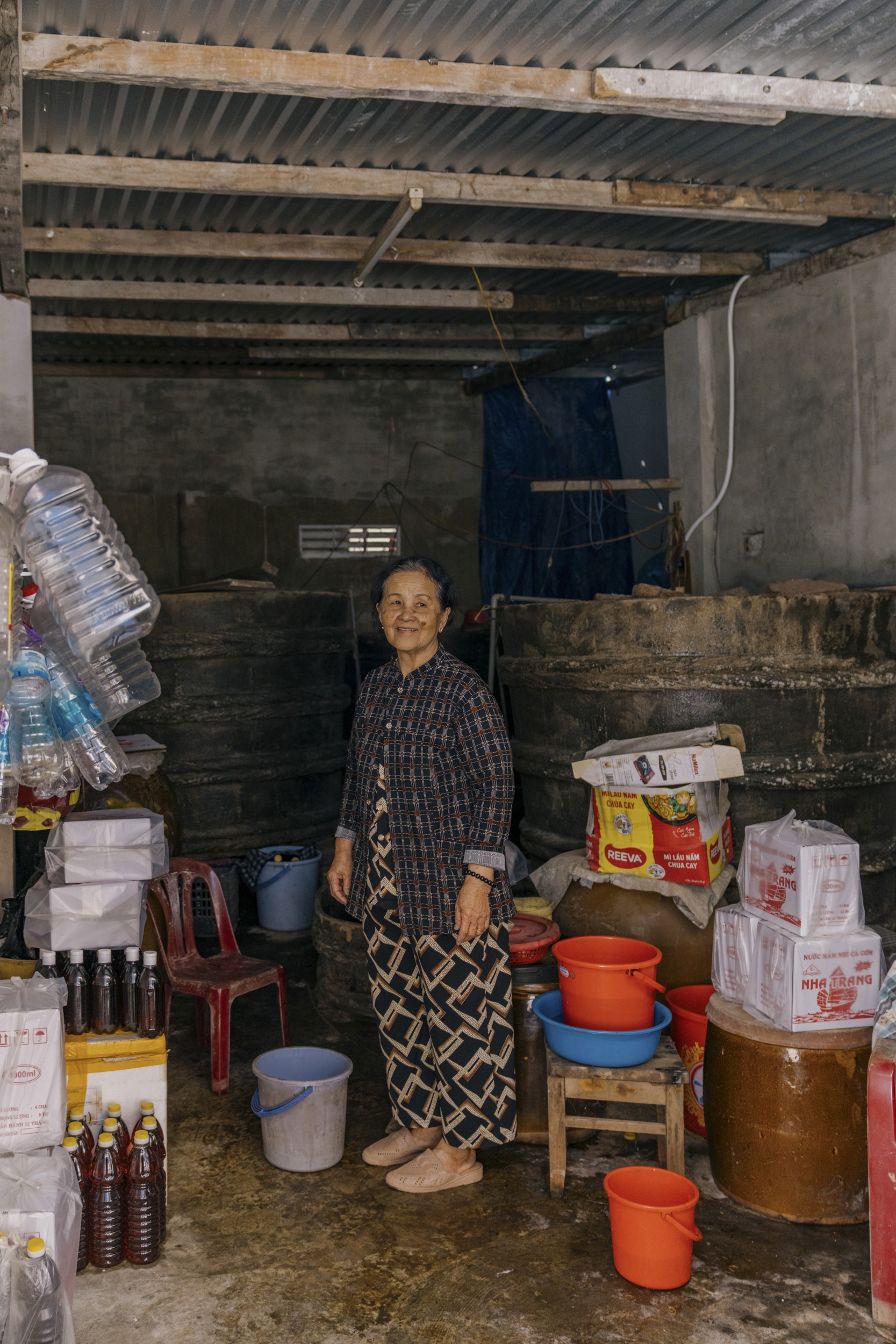
“I’m happy to continue doing this for as long as I live. But my health is not good and young people don’t want to learn,” she says, glaring at Truong. “The business will die with me.”

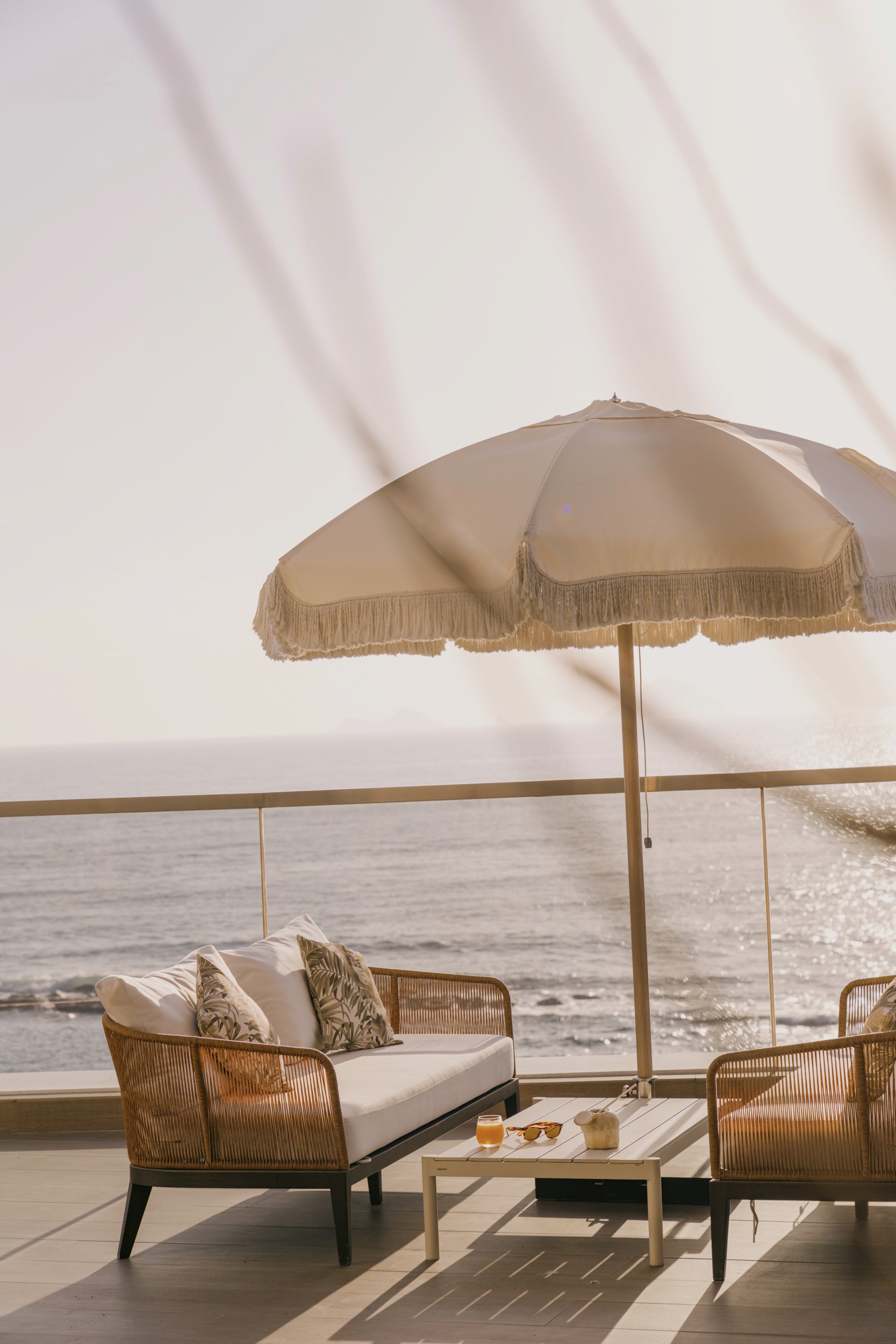

Villa Le Corail by Gran Meliá. Photos: Lauryn Ishak
Where to stay in Nha Trang
At Villa Le Corail by Gran Meliá, the city’s most elegant accommodations, some longstanding endeavours have found more permanent support. The Spanish brand’s first Southeast Asia outpost, the property sits near the base of Fairy Mountain in a new development across the Cái river.
Away from the neon lights and thumping speakers of the city centre, its dreamy villas are clustered on a stretch of pristine coast like a modern fishing village.
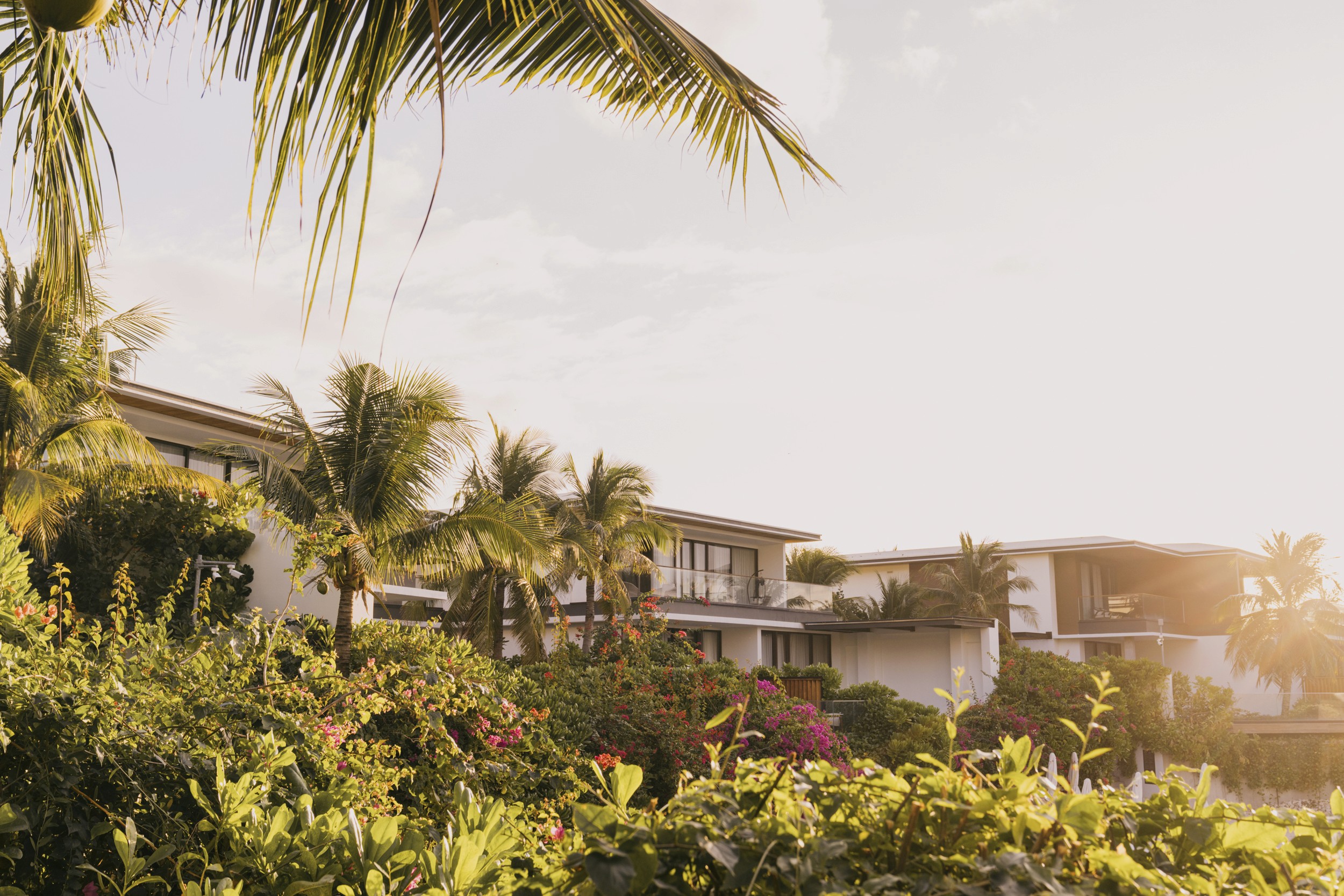
Every room opens to water or greenery; a private beach offers sea sports and sun tanning in precious peace; and the environment is so lush, it’s hard to believe you’re just minutes from downtown.
The restaurants offer a culinary experience Nha Trang can be proud of, from refined Vietnamese fare at sea-facing Natura (don’t miss the banh canh cua and beef pho), to Spanish cuisine rich with local seafood at Hispania, helmed by internationally acclaimed chef Marcos Morán.

But it’s the activities here that truly connect the property with the city’s identity and traditions. Its main experience is anchored on an initiative that gives the hotel its name: Villa Le Corail works with marine biologists at Avatar Vasada, Vietnam’s first organisation dedicated to coastal ecosystem conservation, to run the country’s largest coral preservation project off Nha Trang’s all-important coast.
Guests can take part in coral planting and guided dives to learn about the area’s biodiversity, which is some of the richest in the region.

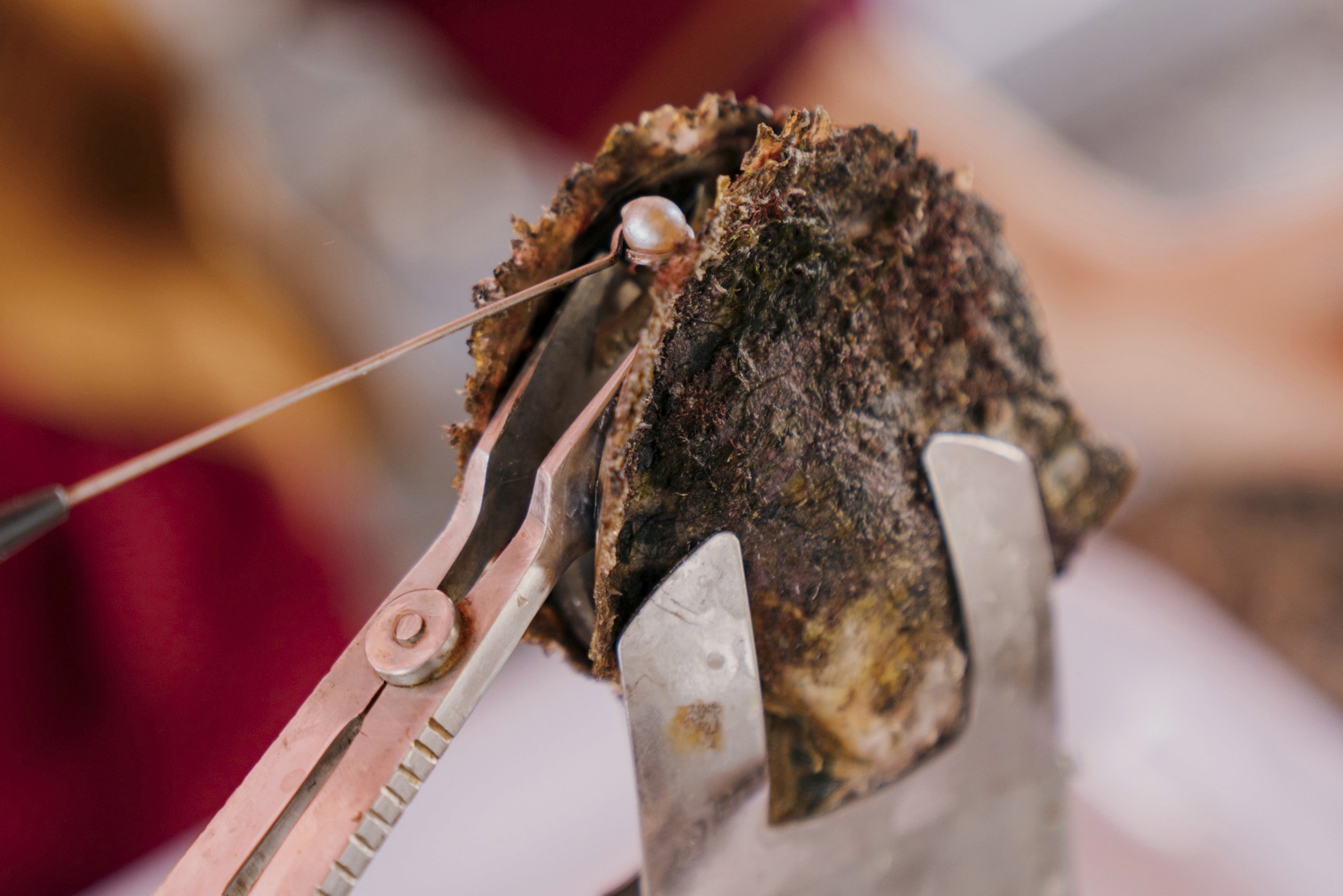
The hotel also organises pearl-harvesting excursions at nearby Hoang Gia, a local pearl farming company whose delicate jewellery has been gifted to heads of state – a reminder that Nha Trang’s warm, clean waters have long made it a hub for high-quality pearls.
In one of my conversations with Truong, he tells me how glad he is of initiatives that help the city retain its identity even as it welcomes evolution. “In Saigon and everywhere else, they do everything fast,” he says. “They eat fast, they drink fast. But it’s different here. Come to Nha Trang, and you can just enjoy the life. We want to keep it like that.”
PRESENTED BY
Villa Le Corail
Villa Le Corail, a Gran Meliá Hotel, is a seaside haven in Nha Trang where Mediterranean luxury and Vietnamese charm come together.
FIND OUT MORE