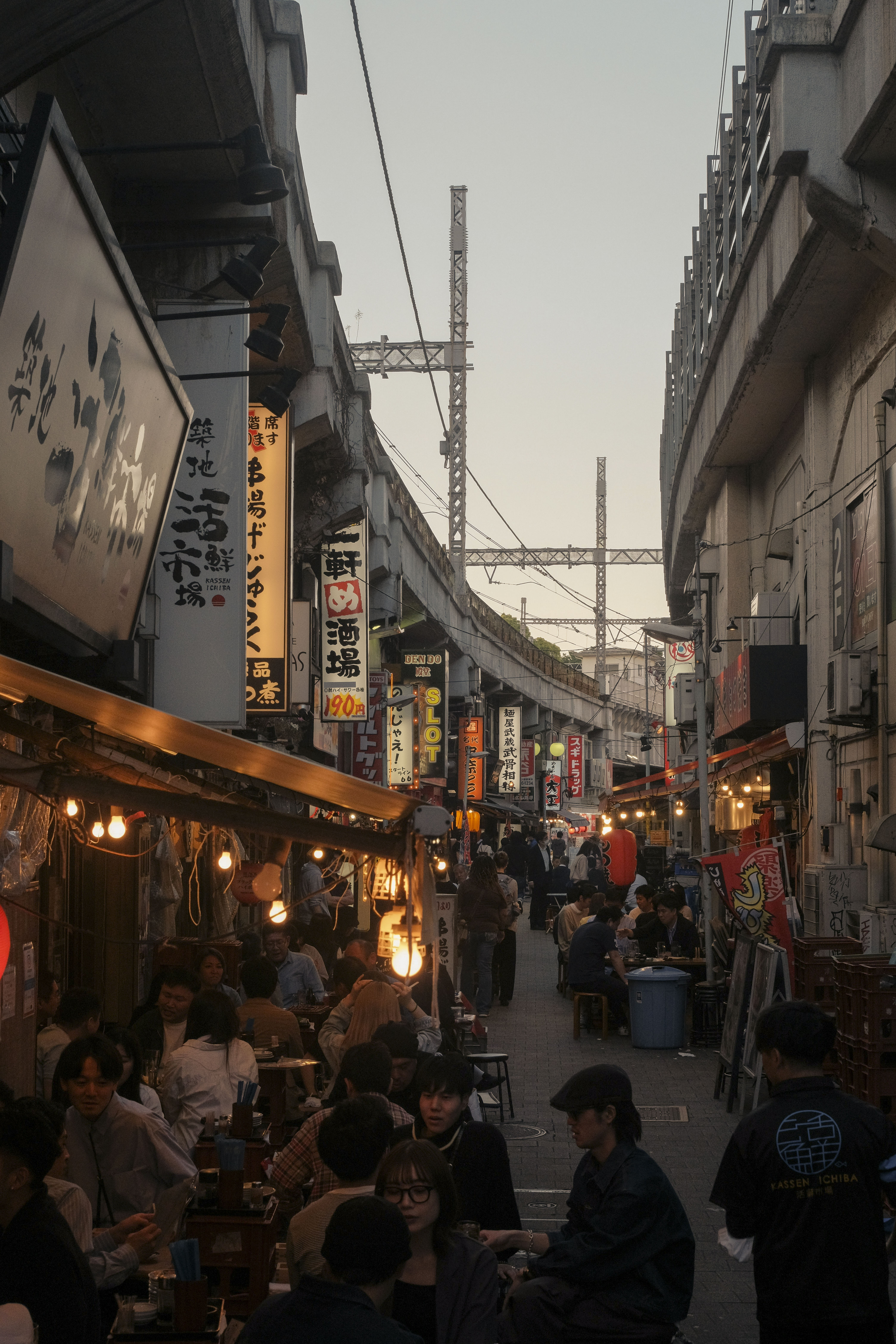
In Japan, the rattle of a wooden sliding door marks the crossing of a boundary. Step inside and you are immediately met with the smell of charcoal smoke and the low drone of voices.
✦
This is the izakaya (居酒屋), the neighbourhood pub. In a society defined by high-context communication and strict social protocols, a seat within this sanctuary is one’s hard-earned reward for surviving the daily grind.
Japan’s separation between work and private life is usually absolute. Only the izakaya acts as a vital “third place” where those rigid lines blur, offering a rare, unfiltered glimpse into a culture that usually prizes reserve over vulnerability – until the collective release that happens every night in every city across the country. It is the space where the “office mask” drops and you are no longer just a title or an employee.
This transition is most visible in April during Japan’s Kangeikai (歓迎会), welcome parties held typically for new office joiners at the start of the financial year. You will see groups of Shin-shakaijin (新社会人), the new workers, in their crisp black suits gathered around the izakaya’s low tables.
It is here, over the first round of beer, that they learn their most important professional lesson: how to truly connect with their team once the daytime hierarchy is set aside.
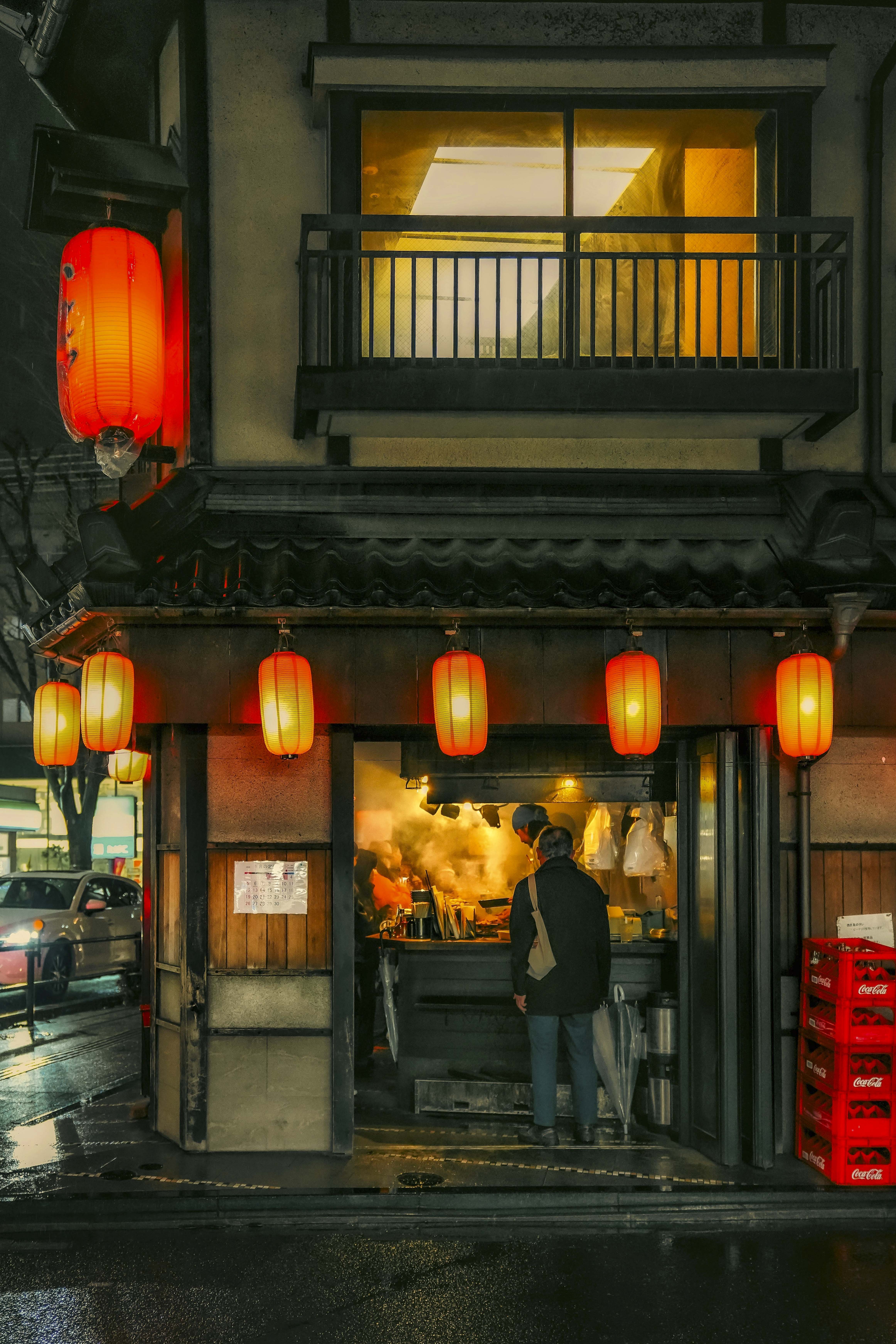
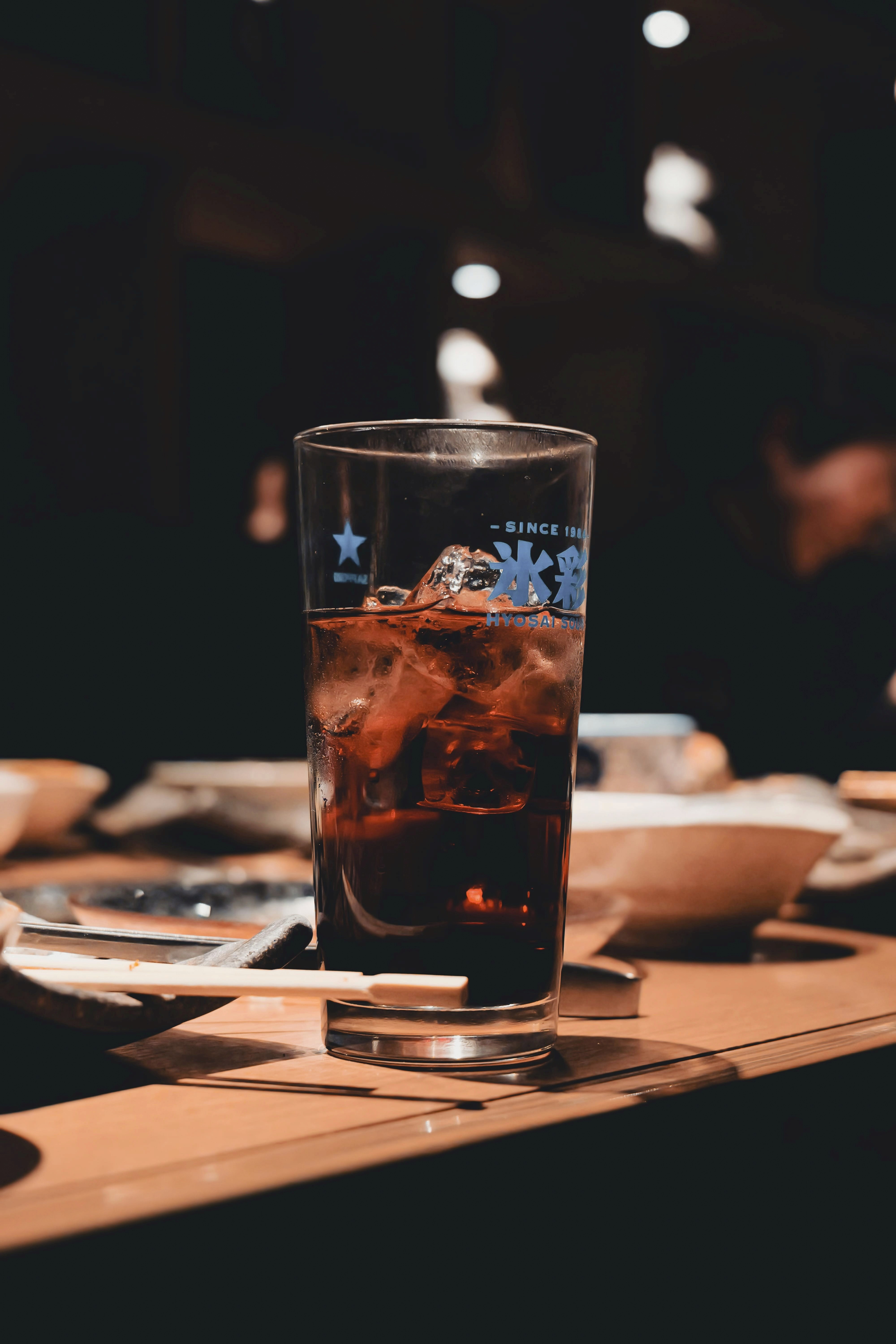
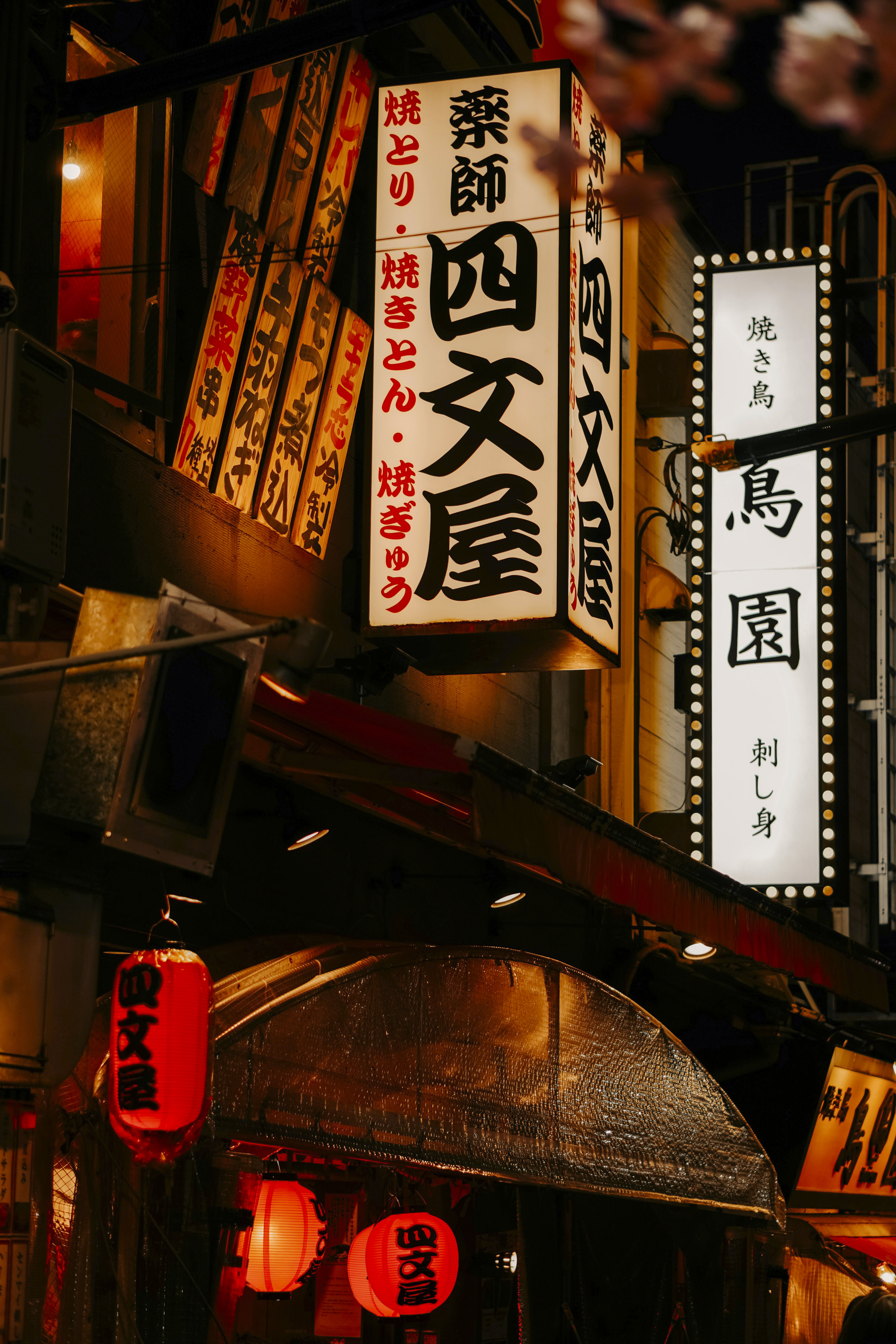
Lead photo: Perry Merrity. Above photos: Yulius Santoso, Leo Okuyama, Ramon Bucard
How to spot an authentic izakaya
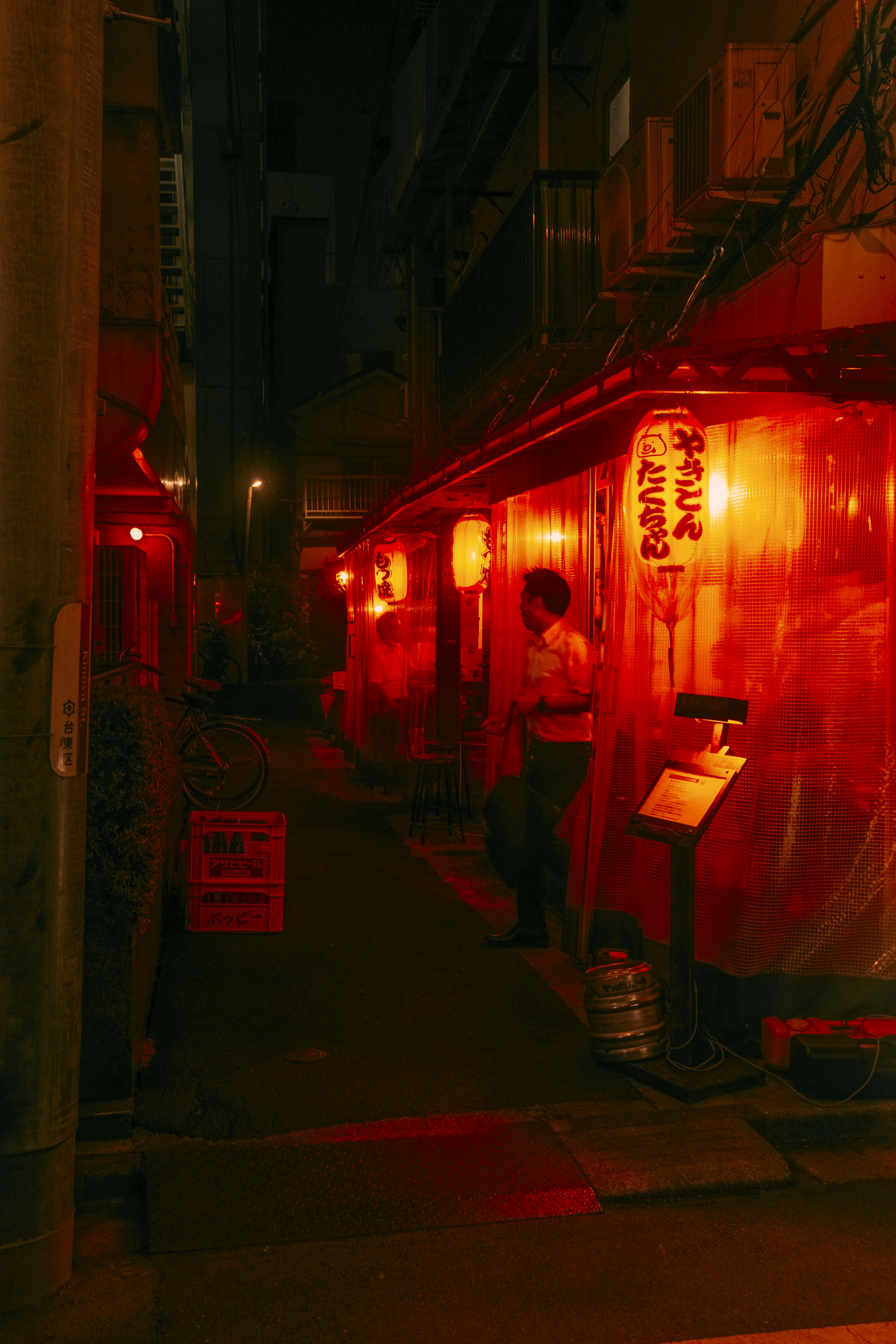
While modern crowds navigate Tokyo by smartphone, izakayas have their own guiding system: the Akachochin (赤提灯). These red paper lanterns, hanging outside doorways, identify a place as an izakaya and mark a psychological boundary. They are a visual permission slip to stop being an employee and start being a person again.
Locals often avoid pristine lanterns, looking instead for those weathered by years of charcoal smoke. This patina is a sign of reliability, suggesting a “no-judgment zone” where titles are secondary to the meal.
At sake-focused establishments, you’ll find the Sugidama (杉玉) nearby. This heavy ball of bound cedar acts as a seasonal clock and signals the state of the brewery’s craft.
Green needles mean a new batch of sake has just been pressed, while a deep brown indicates the liquid has matured and deepened in flavour.
In mid-April, a fresh Sugidama is a reminder of the new beginnings happening across the city.
Together, these symbols will help you find an ana-ba (穴場), or hidden spot, that values tradition over marketing. They are the indicators of an atmosphere that is grounded, authentic and ready for the night ahead.
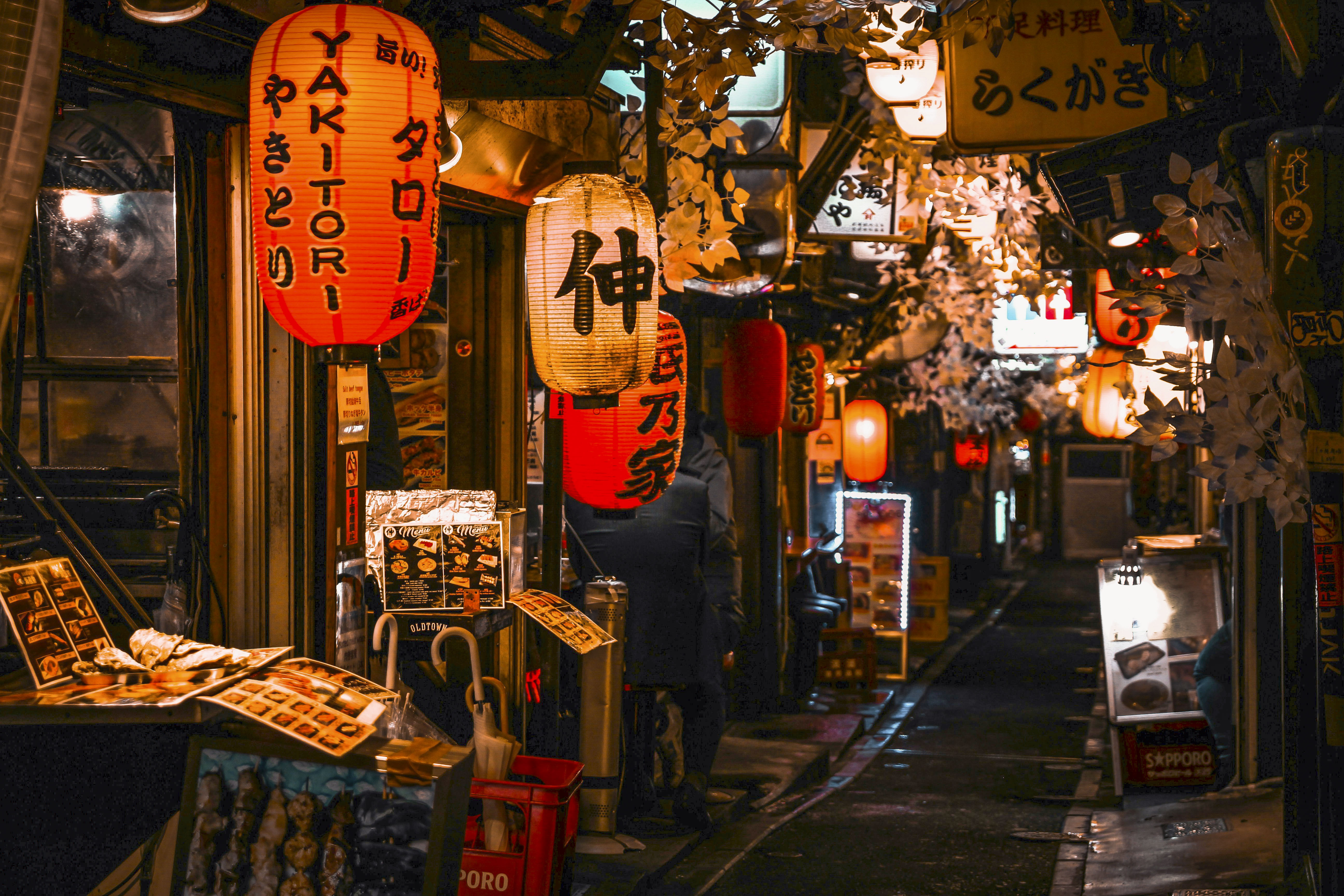
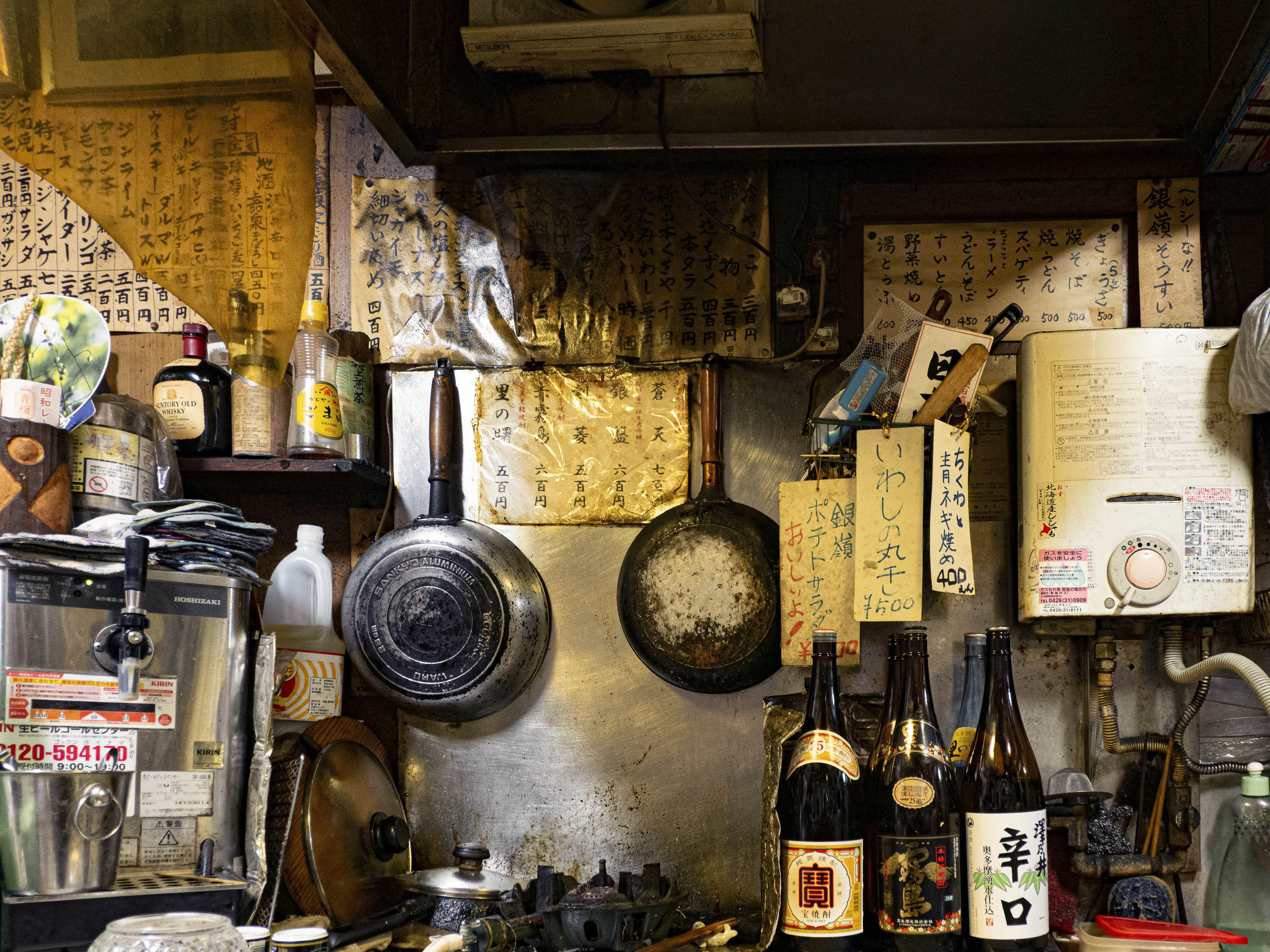
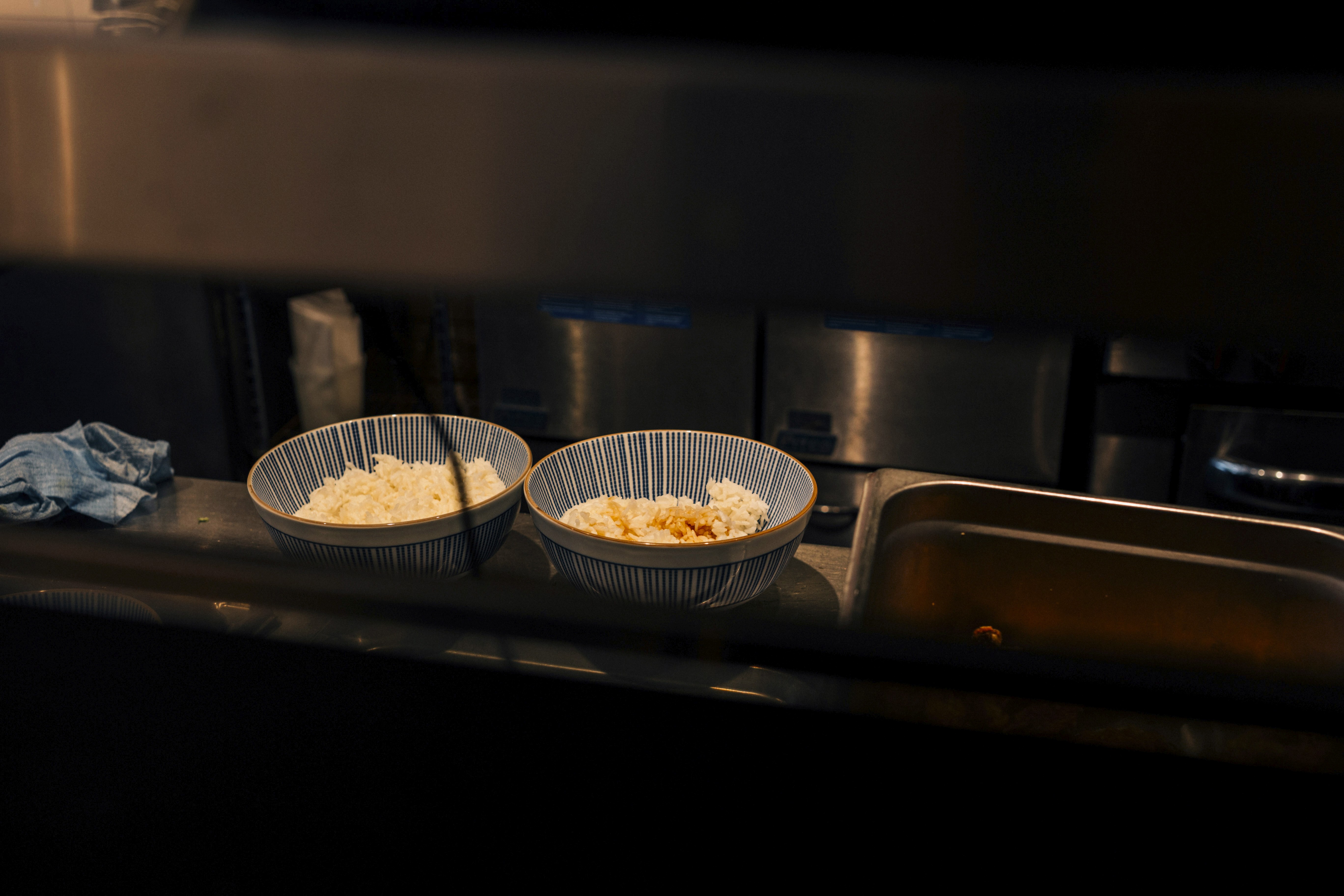
Photos: Pema Lama, Kaori Kubota, Charles Deluvio
The ritual of synchronisation
Once a group is settled in an izakaya, the culture of the table is defined by Wa (和), or harmony.
This is why the night almost always begins with the phrase “Toriaezu Nama” (とりあえず生), or “start with beer”. This is not just a preference; it is a tool for social synchronisation.
Beginning with the same drink ensures the entire table is served at once for a collective “Kanpai!” (乾杯). This shared moment acts as a psychological “clocking out”, aligning the group’s energy before the first dish even arrives.
For a new worker, that first cold sip is the moment the performance of the workday finally stops. The izakaya menu, designed around small, shared plates rather than single portions, reinforces this communal shift. You are no longer an individual responsible for your own tasks. You are part of a shared experience where every dish is a point of conversation, helping to break down the barriers built during the hours at the desk.
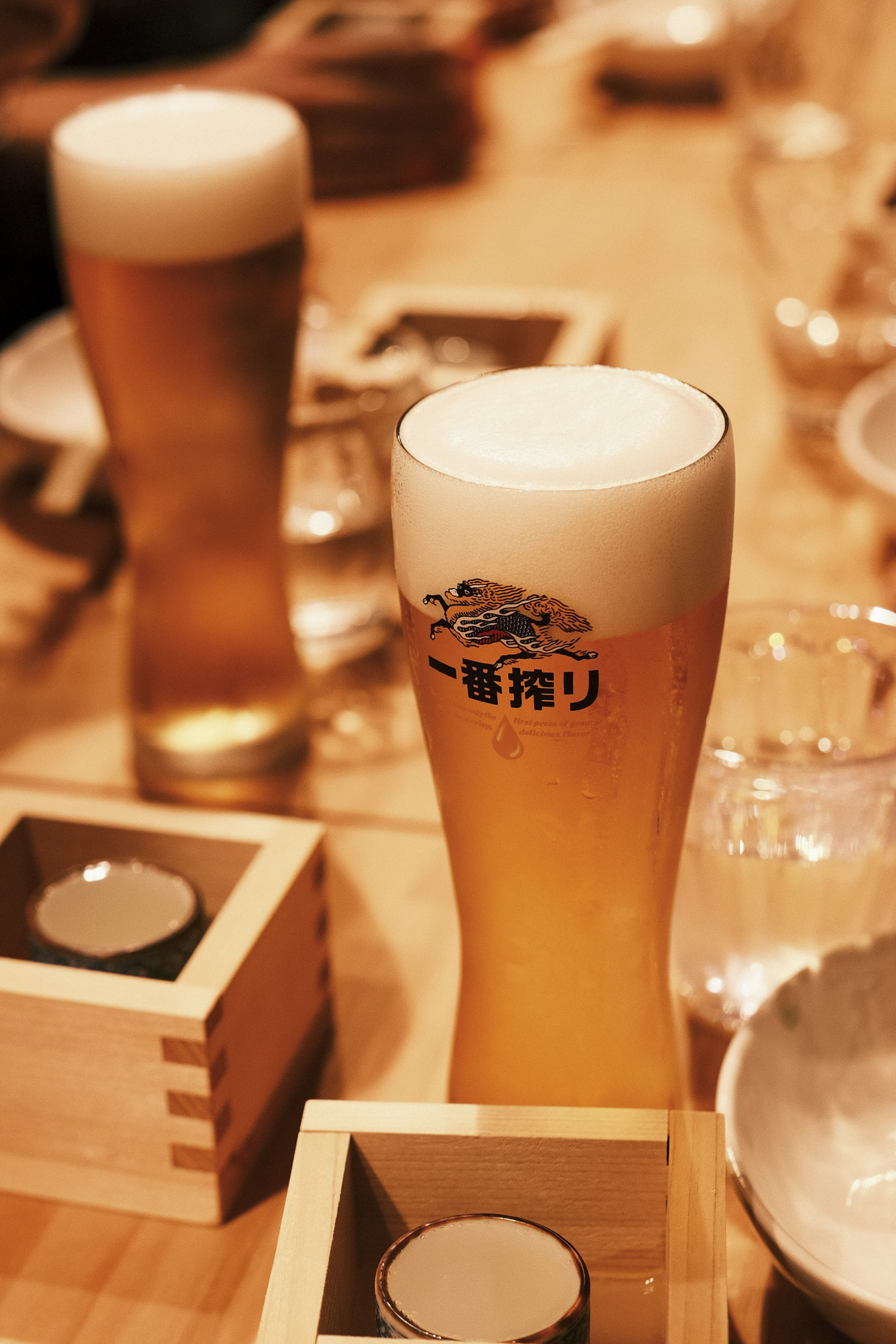
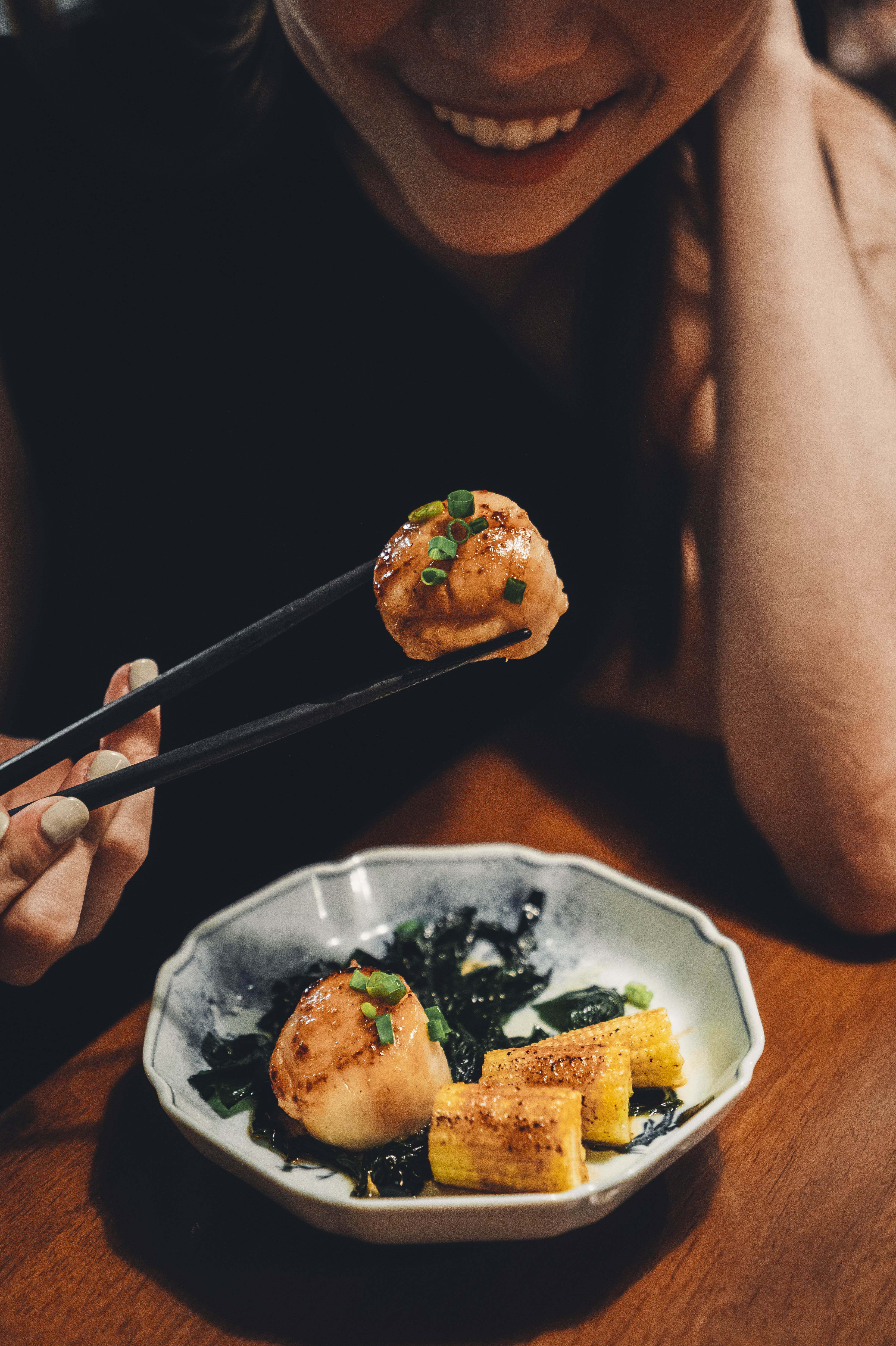
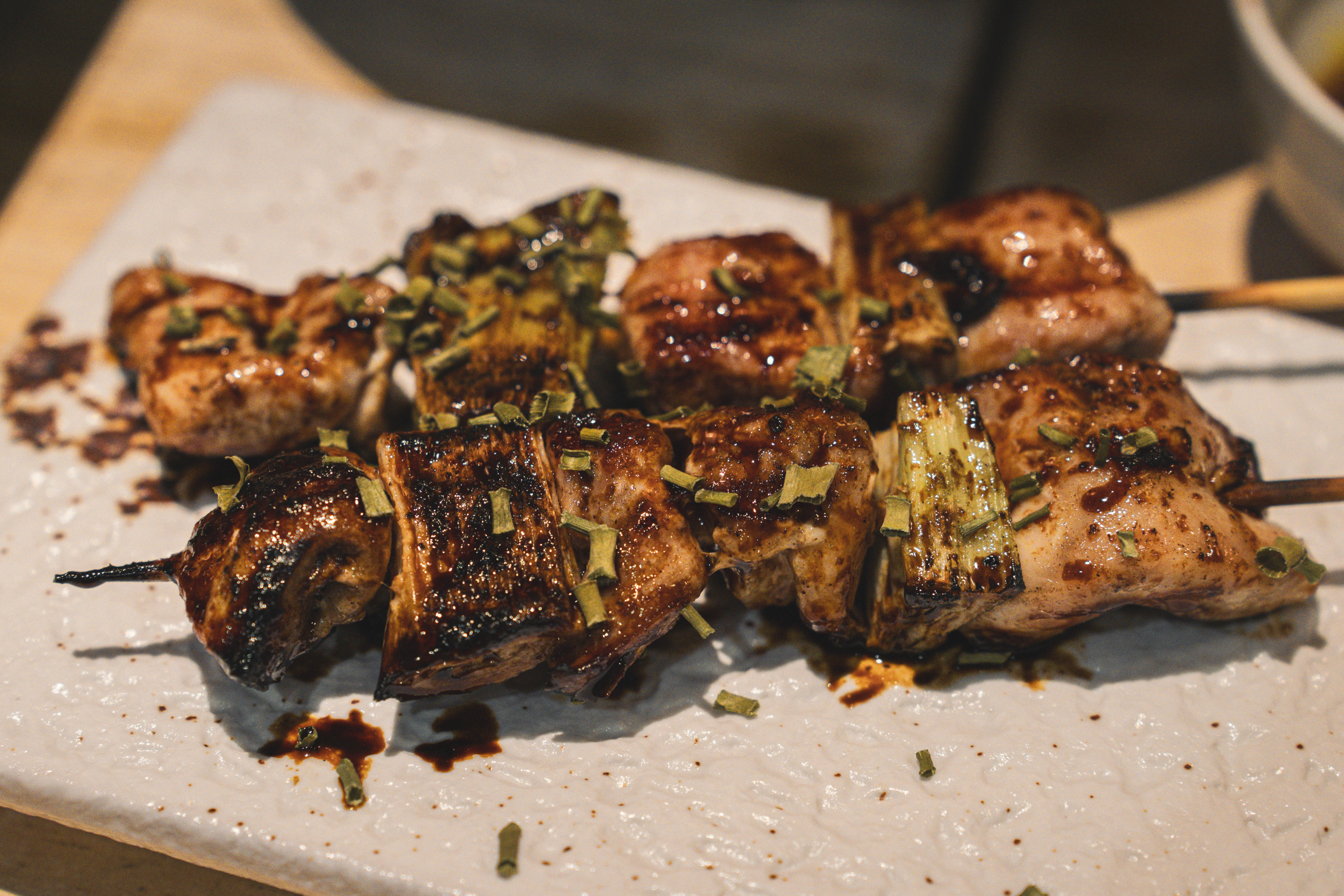
Photos: Perry Merrity, Jirayu Koontholjinda, Dennis Zhang
The shedding of the armour
As the first round of empty mugs is cleared and the yakitori sticks pile up, the atmosphere begins to change. This is the start of Bureiko (無礼講), a designated “time-out” from the strict social hierarchies of Japanese society.
During these hours, the usual office rules are suspended. The initial, polite inquiries are replaced by louder laughter and more personal stories as the table moves into “Nomunication” (飲みニケーション), from the term “nomu” (飲む, to drink) and “communication” – literally, the art of building connection through shared drinks.
Within this sanctuary, the rigidity of the daytime world finally begins to dissolve. You might see a senior manager personally pouring a drink for a junior, a small gesture of humility that would be unthinkable in a boardroom.
This ritual allows the honne (本音), or true feelings, to slowly surface. It bypasses the tatemae (建前), the public face and official stance required to maintain social harmony during the day. While this mask is necessary to keep the gears of society turning, the izakaya offers a rare license to set it aside.
By the time the table is cluttered with empty plates, you are no longer a collection of titles. You have become a real team.
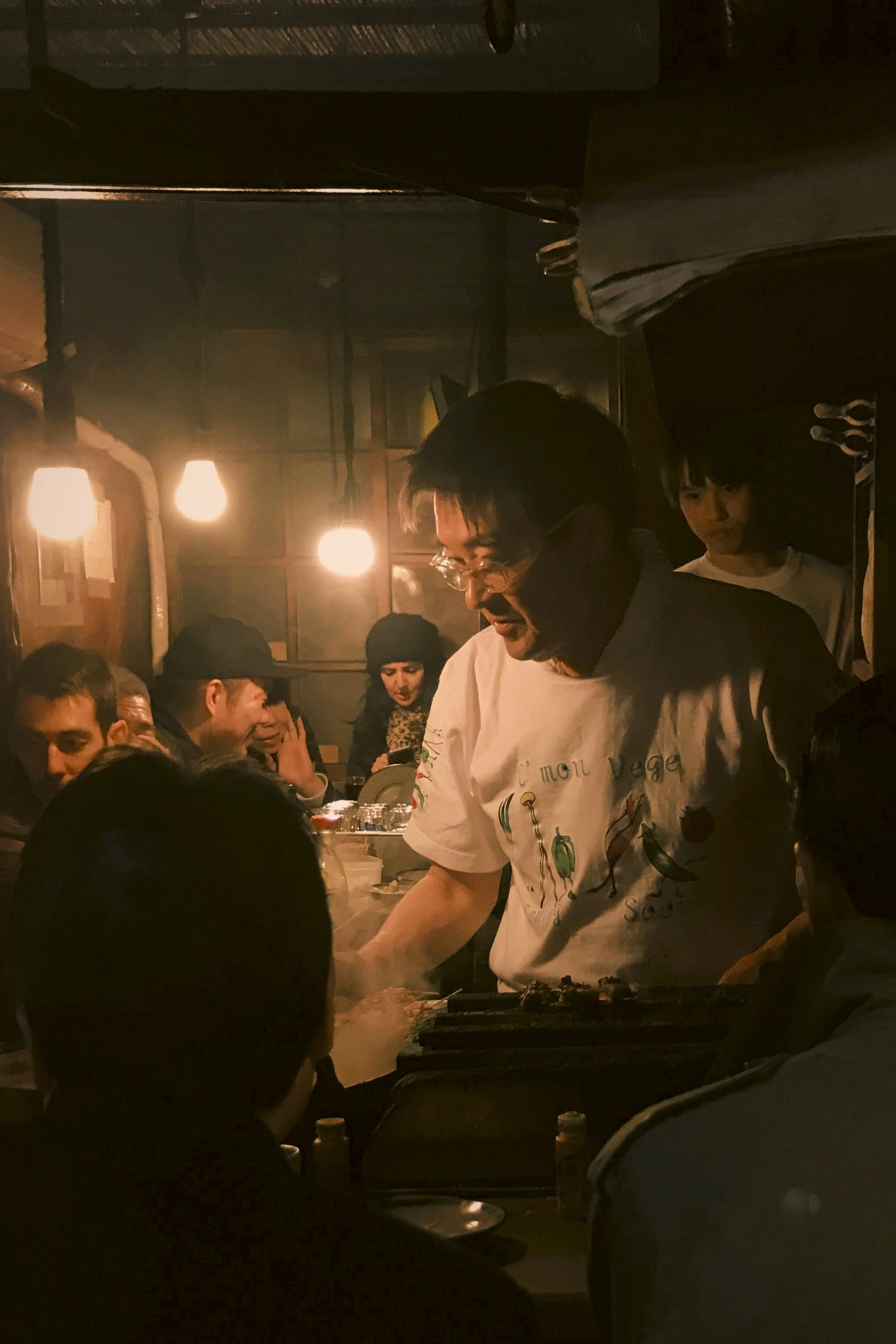
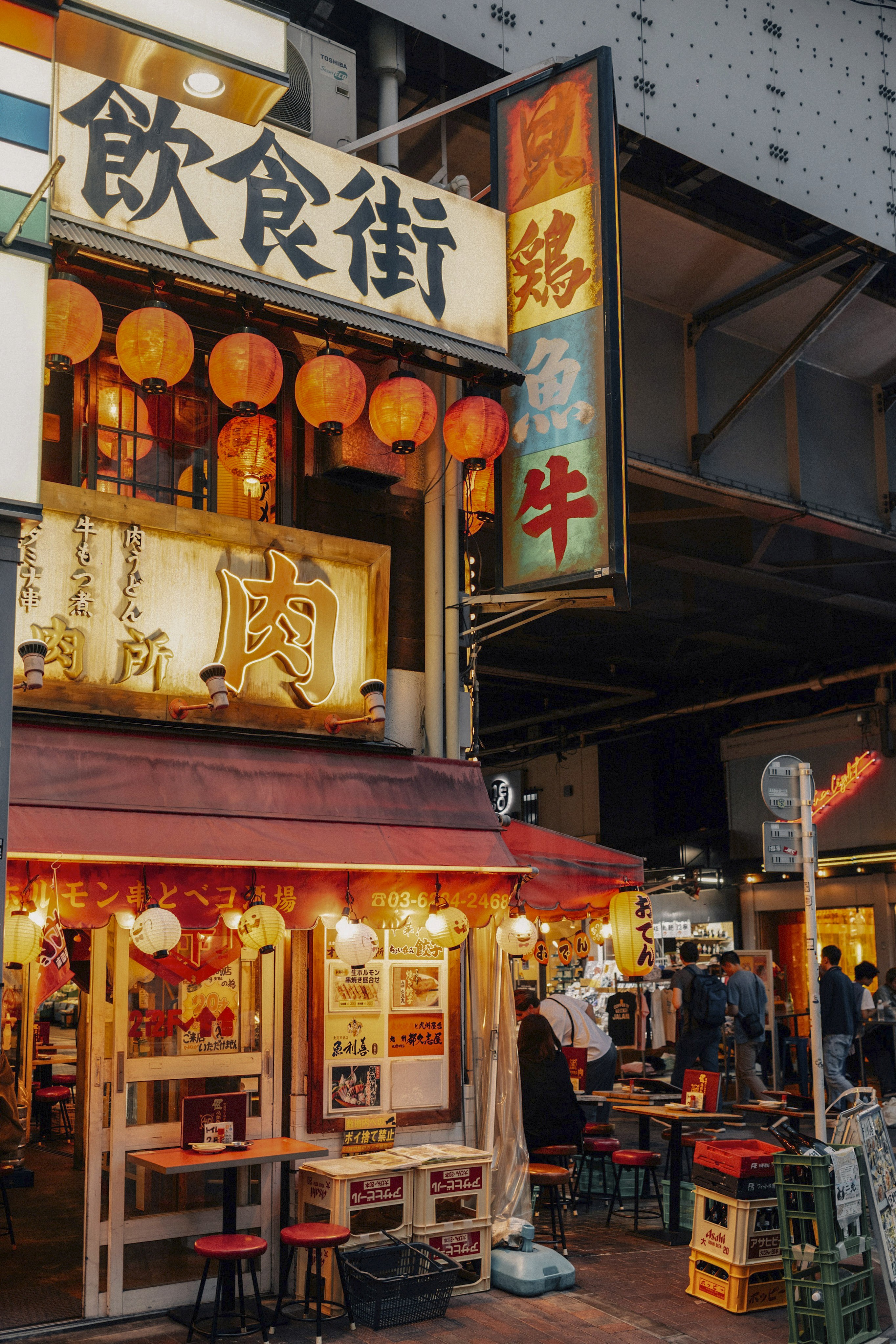
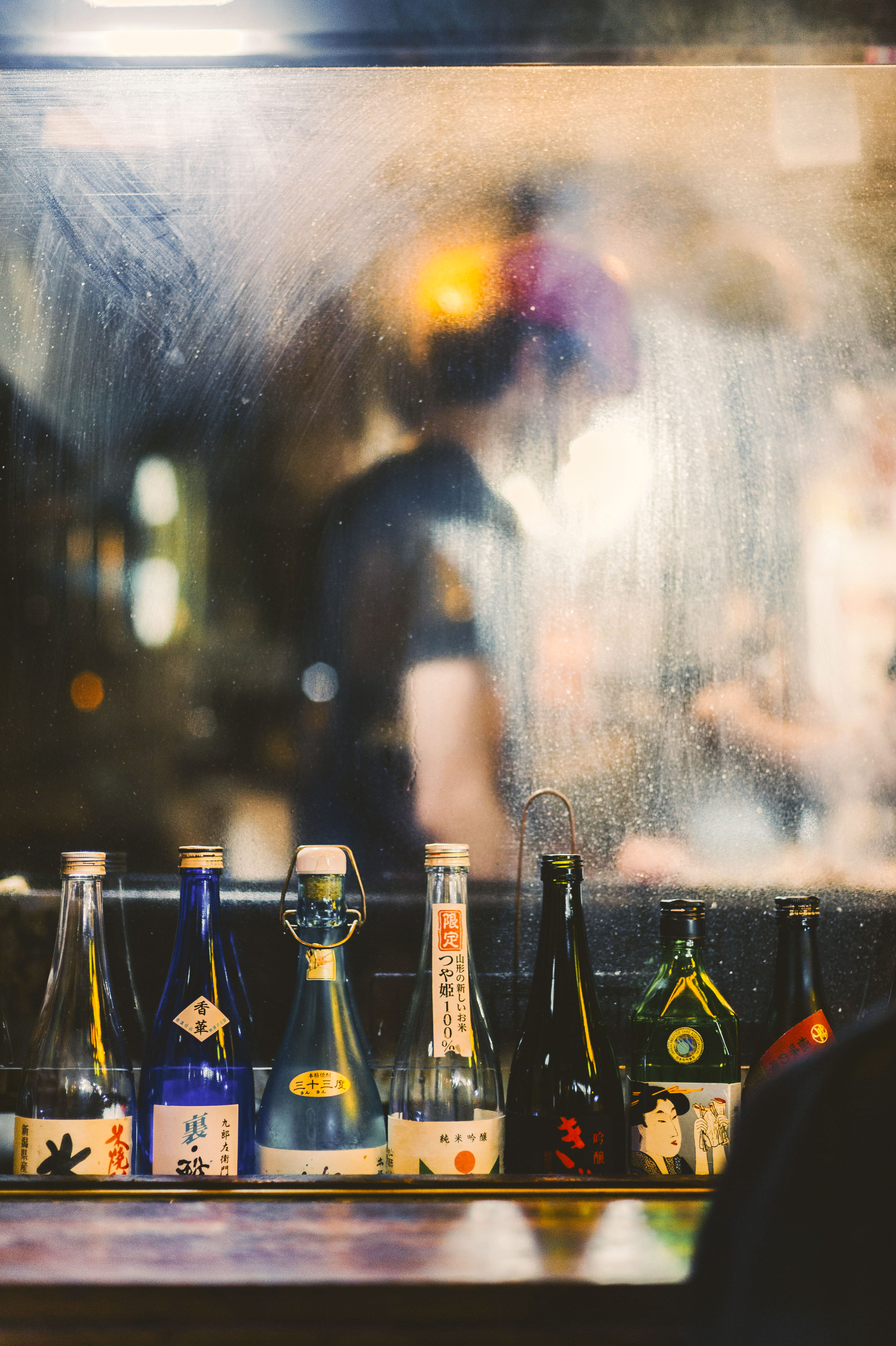
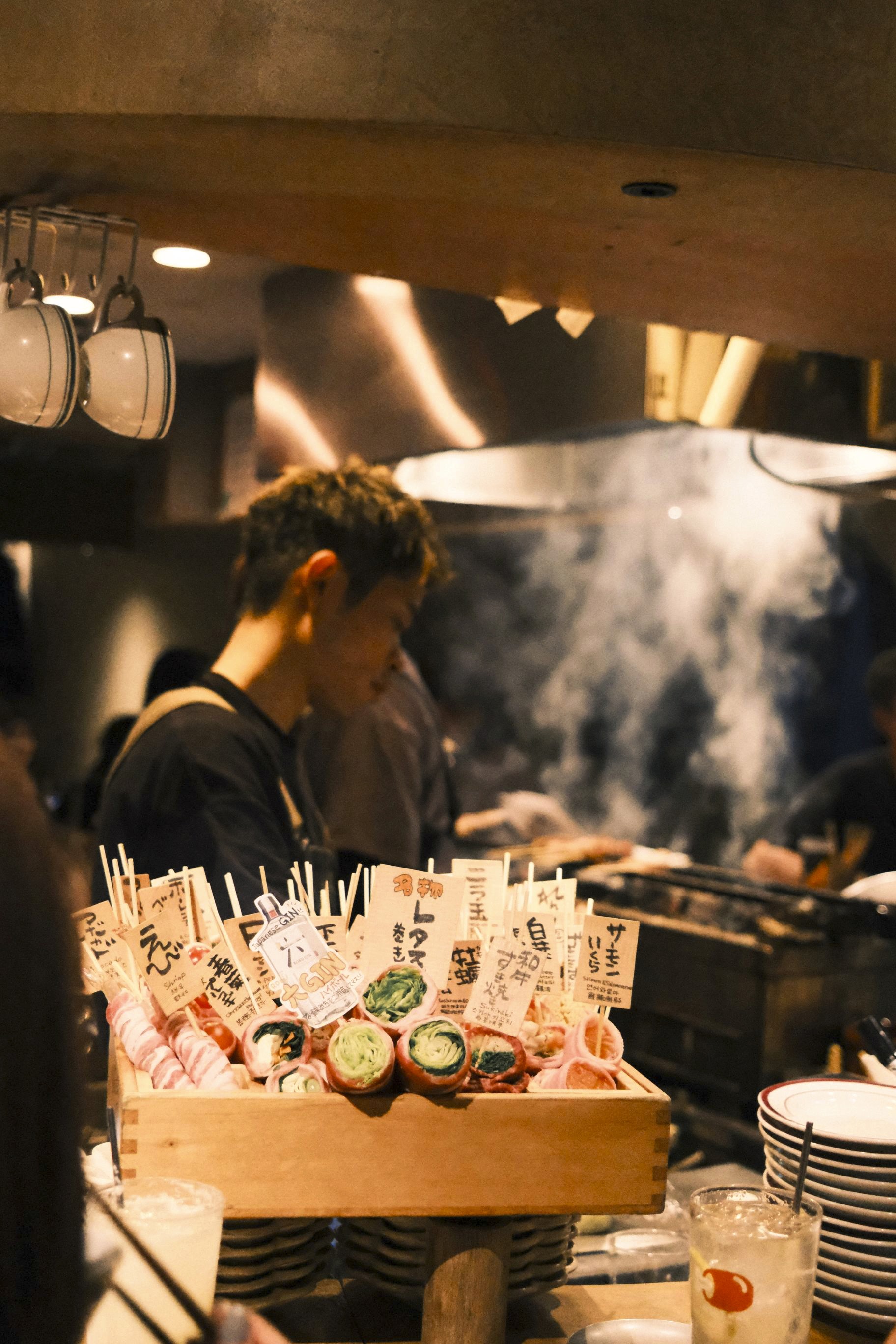
Photos: Sashmere, Bundo Kim, Tsuyoshi Kozu, Zhen Ciang Huang
The second party
Around 10.00pm, the atmosphere switches again. The official gathering ends and the group begins to split. Those with long commutes head for the last trains, while the survivors move on to the Nijikai (二次会), or the second party. This is the stage when the night turns into a marathon. Whether in a tiny bar in a hidden alley or a neon-lit karaoke box, it is where the last remains of the daytime persona finally vanish.
Once the midnight trains have departed, those left behind have entered a pact of endurance.
It is during these late hours, perhaps over a 3.00am bowl of ramen, that the deepest secrets are shared and the strongest bonds are cemented. At this hour, the physical exhaustion of the workday and the weight of the alcohol have stripped away every layer of pretense.
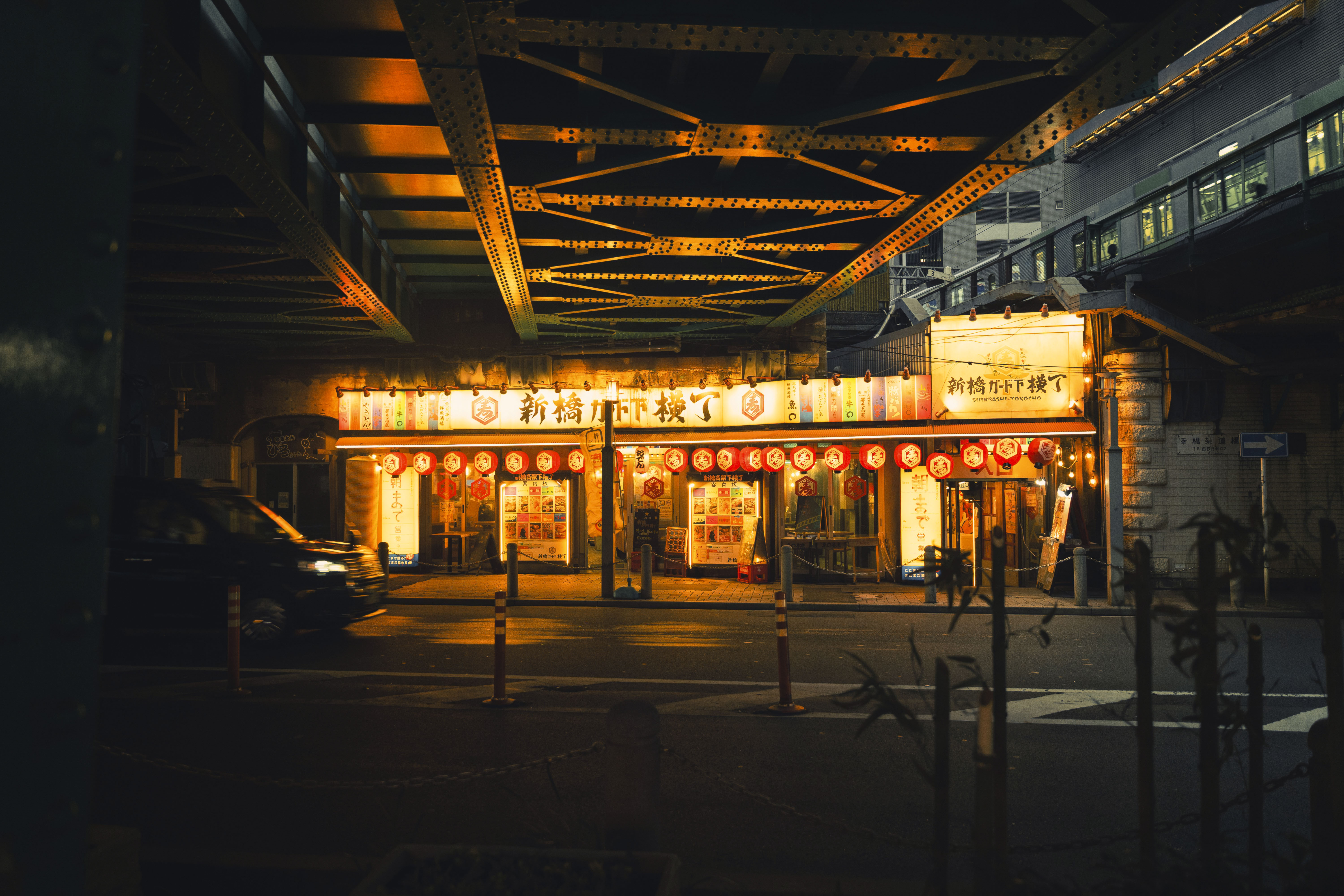
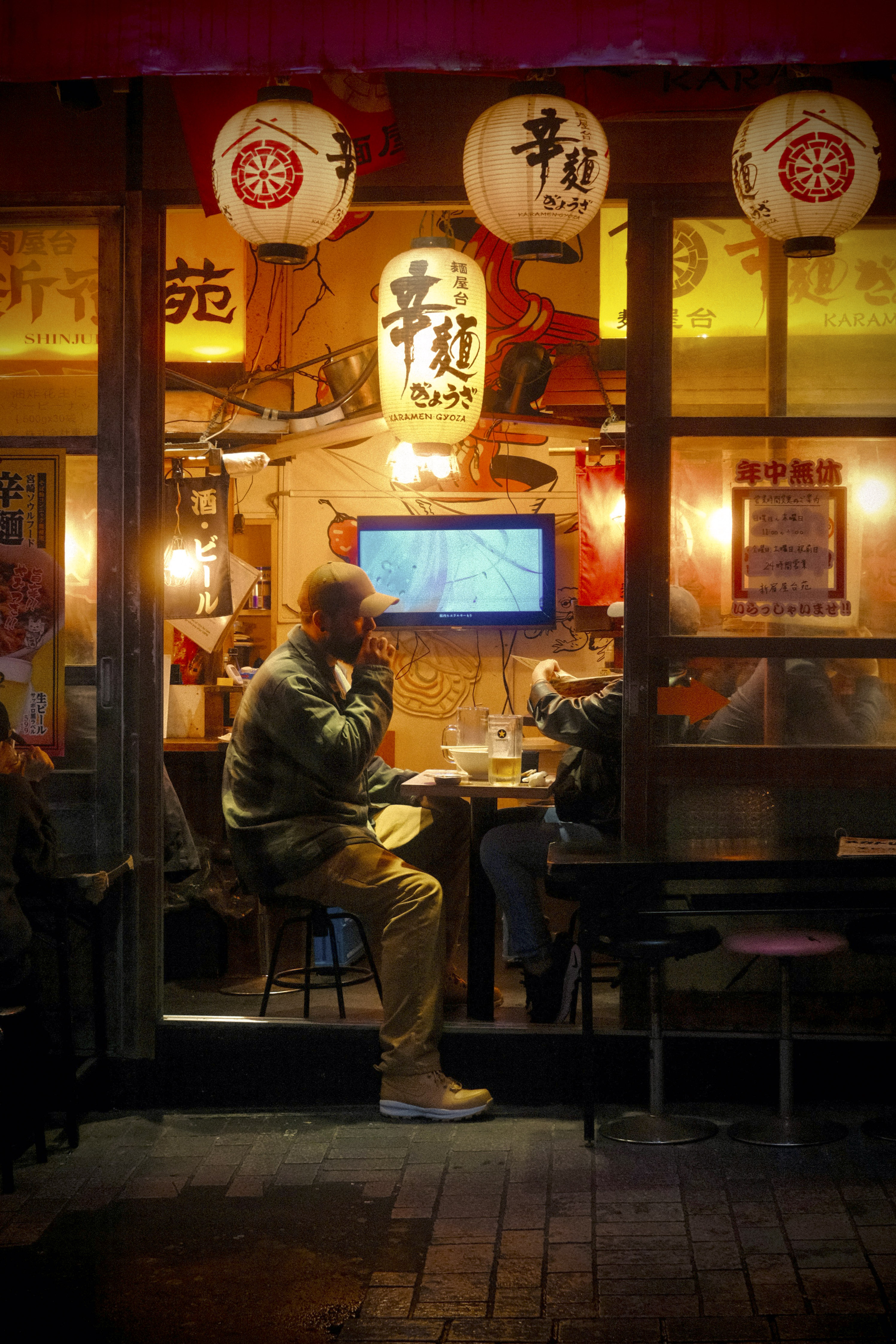
Photos: Ayumi Kubo, Simon Hermans, Elias Neumann
This ultimate after-hours marathon explains why you might see a well-dressed worker napping on a Shinjuku sidewalk at dawn. They are the ones who have crossed the finish line and have nothing left to hide.
By the time the sliding door rattles shut for the last time, the office masks have been completely discarded.