You can't enter Somyot Cave without gloves. Standard red rubber gloves.
✦
They hand them over at the briefing station, alongside helmets and headlamps. This is the first time I’ve ever been asked to wear gloves inside a cave, but I pull them on without question. It’s only later, deep inside Somyot’s secret underworld, that I learn the reason behind this strange request.
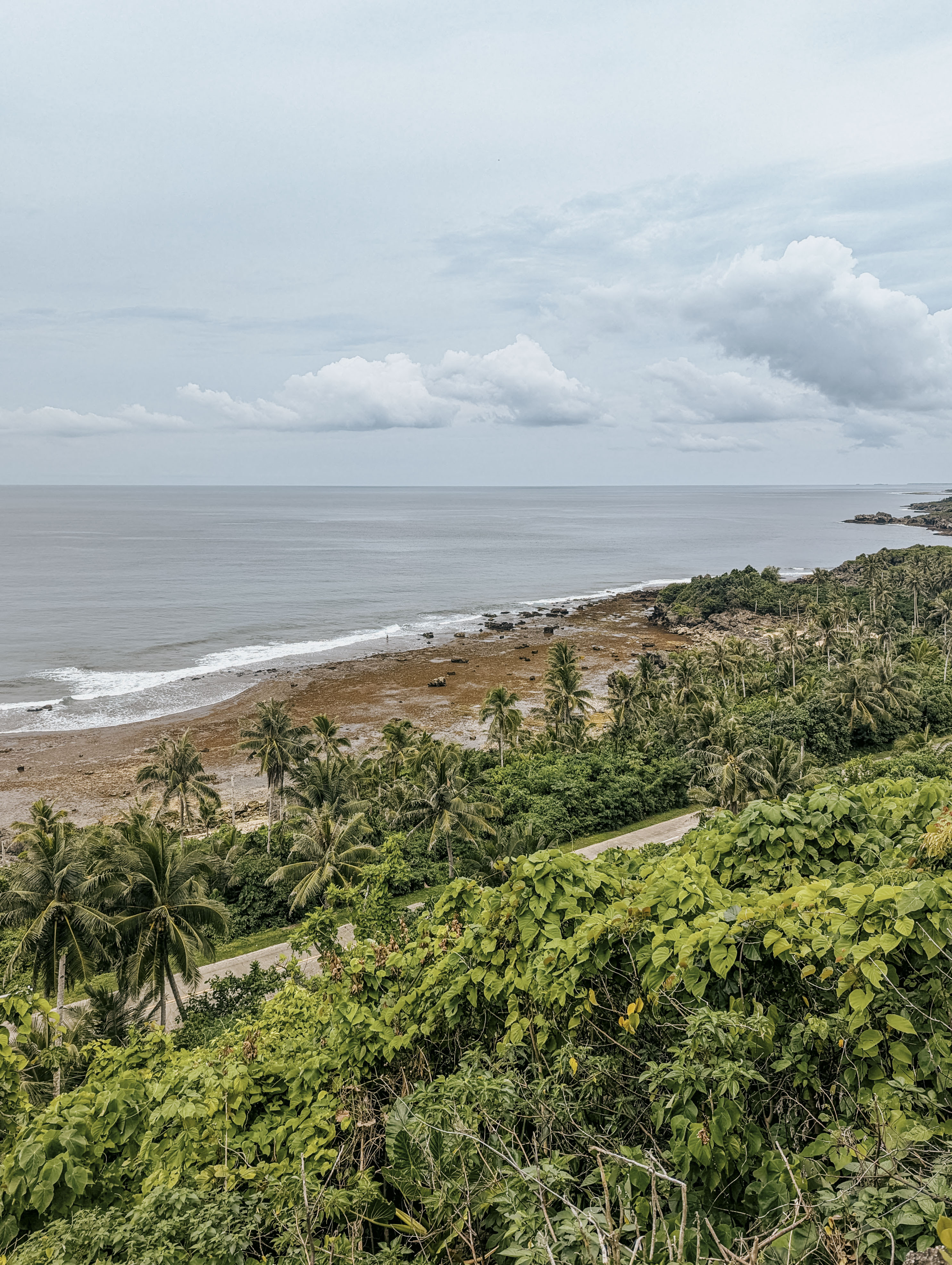
The entrance to Somyot Cave sits unassumingly along the Siargao Circumferential Road. The only thing that announces its presence is a simple canopy tent with plastic chairs, a table and a small tarpaulin that reads “The Marvelous Somyot Cave". We pull over, curious.
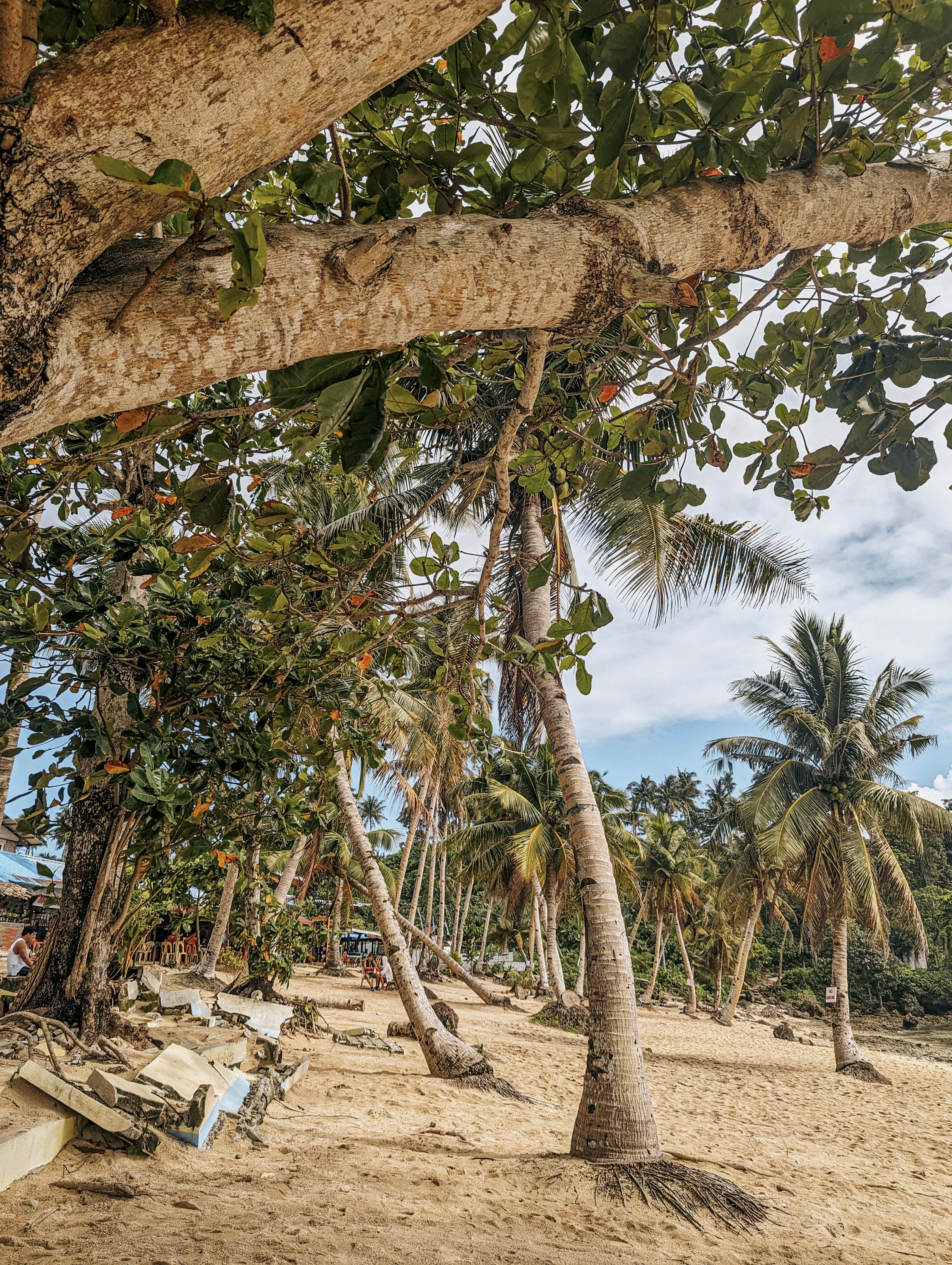
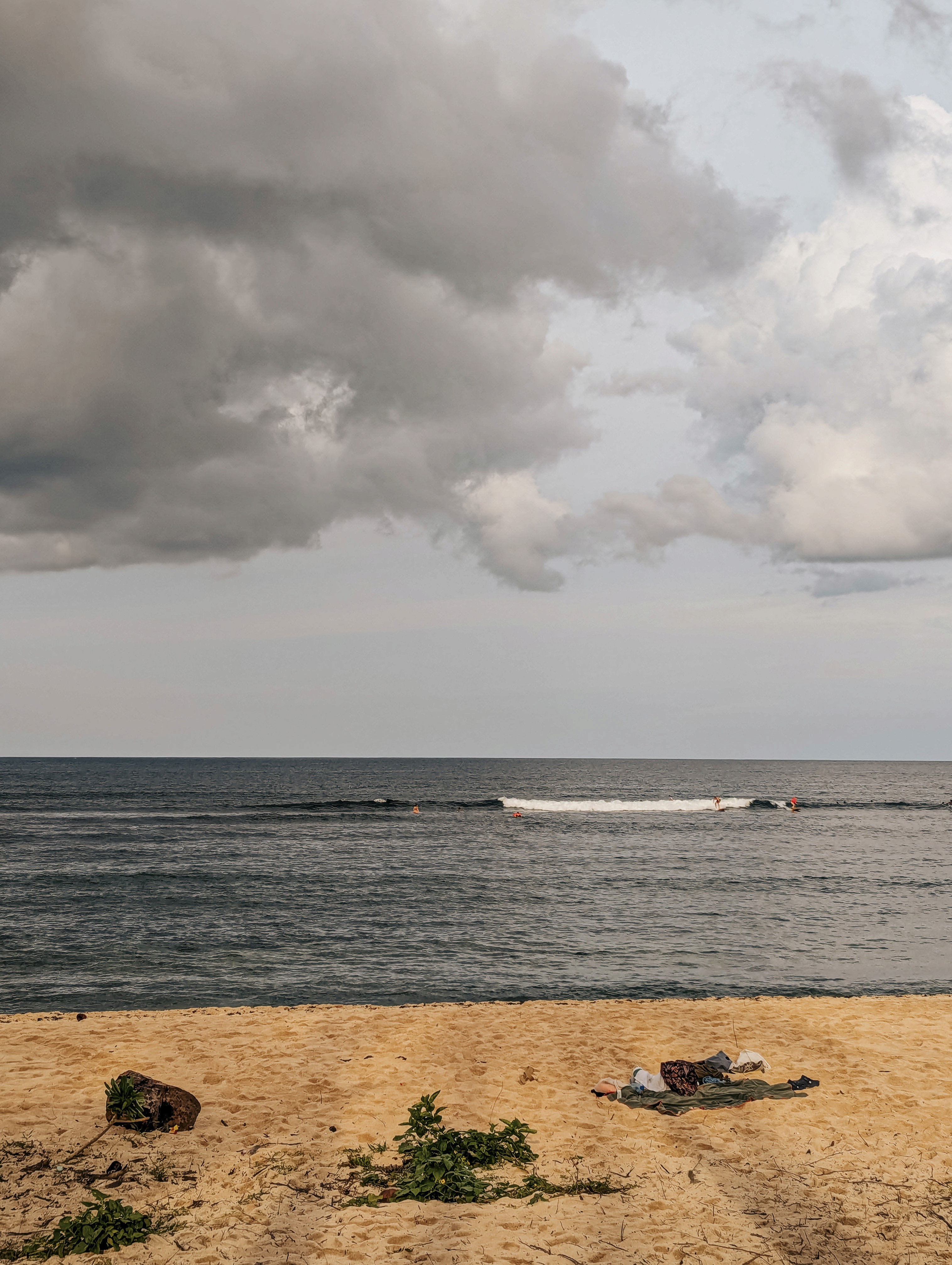
I’ve passed this stretch of road dozens of times, but somehow never noticed this entrance. I spent summers here long before the tourism boom, long before Instagram made Cloud 9 famous.
I thought I knew Siargao like the back of my hand. But the island is alive, humming and shifting with the tides and the land it calls home, and it keeps proving me wrong.
Somyot Cave opened to tourists recently in 2023, though it was discovered long ago by early settlers.
After our safety briefing, we descend into a side of Siargao that is completely new to me. One minute you’re in a sunlit jungle, the next you're swallowed by the pitch dark.
The initial descent is steep, with ropes guiding you down into nothing. When you look down, all you see is black and the small circle of light from a headlamp. Everything is slippery. My gloved hands grip the rope tight as I test each foothold, never quite sure what's beneath me until my foot makes contact. I inch forward, hyper-aware of how easily I could slip and fall.
I’ve spelunked through many caves across the Philippines, but entering Somyot is the first time I feel genuine fear.
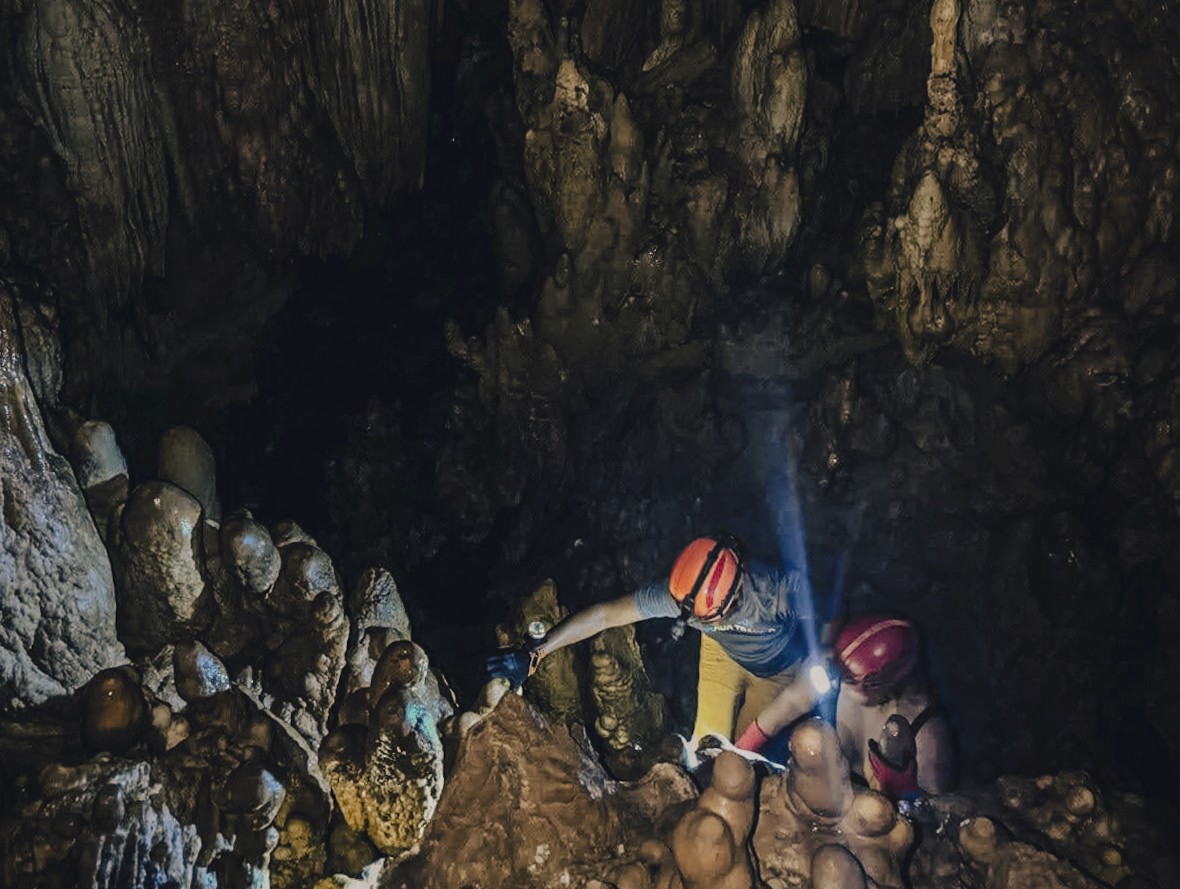
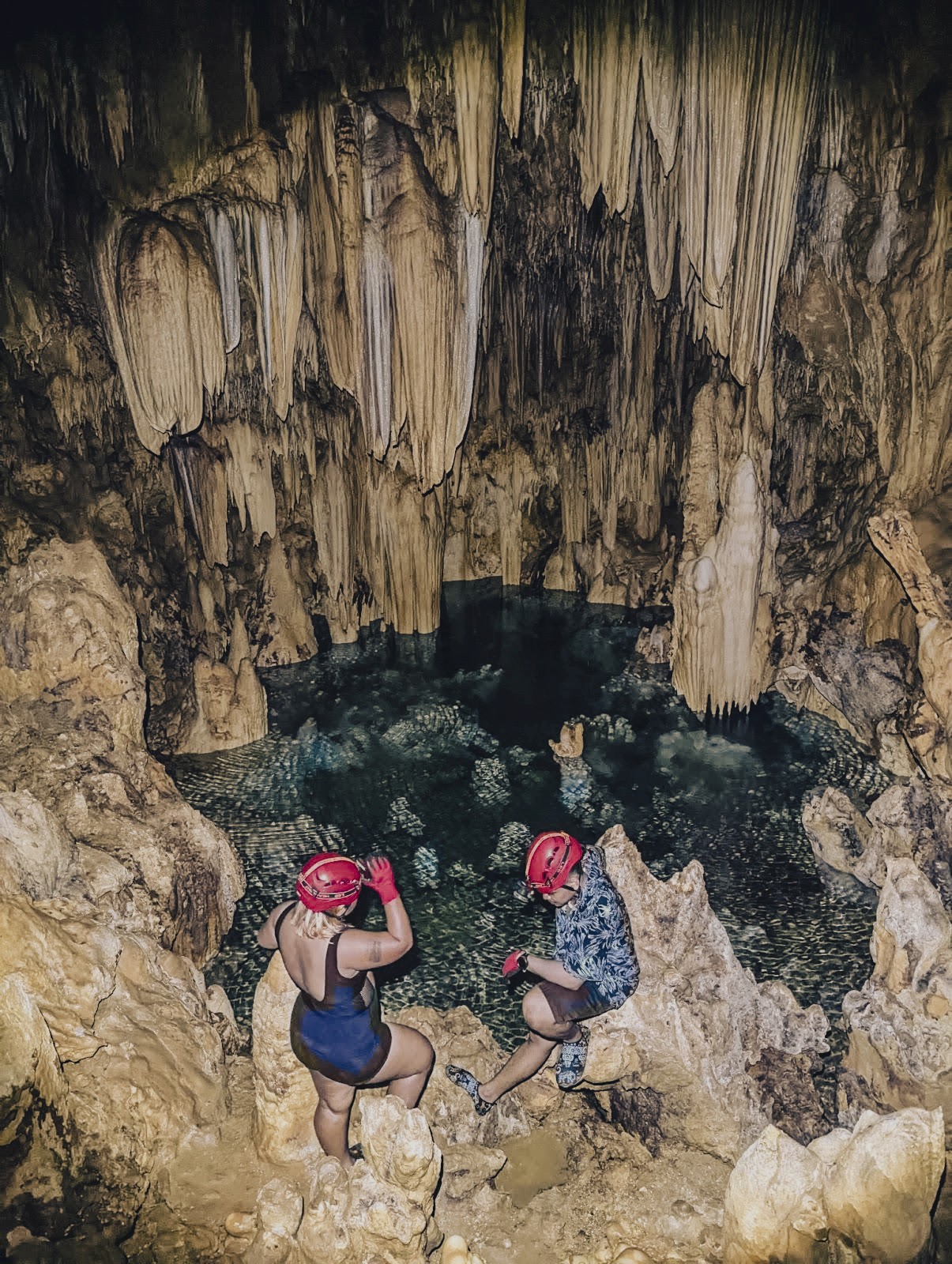
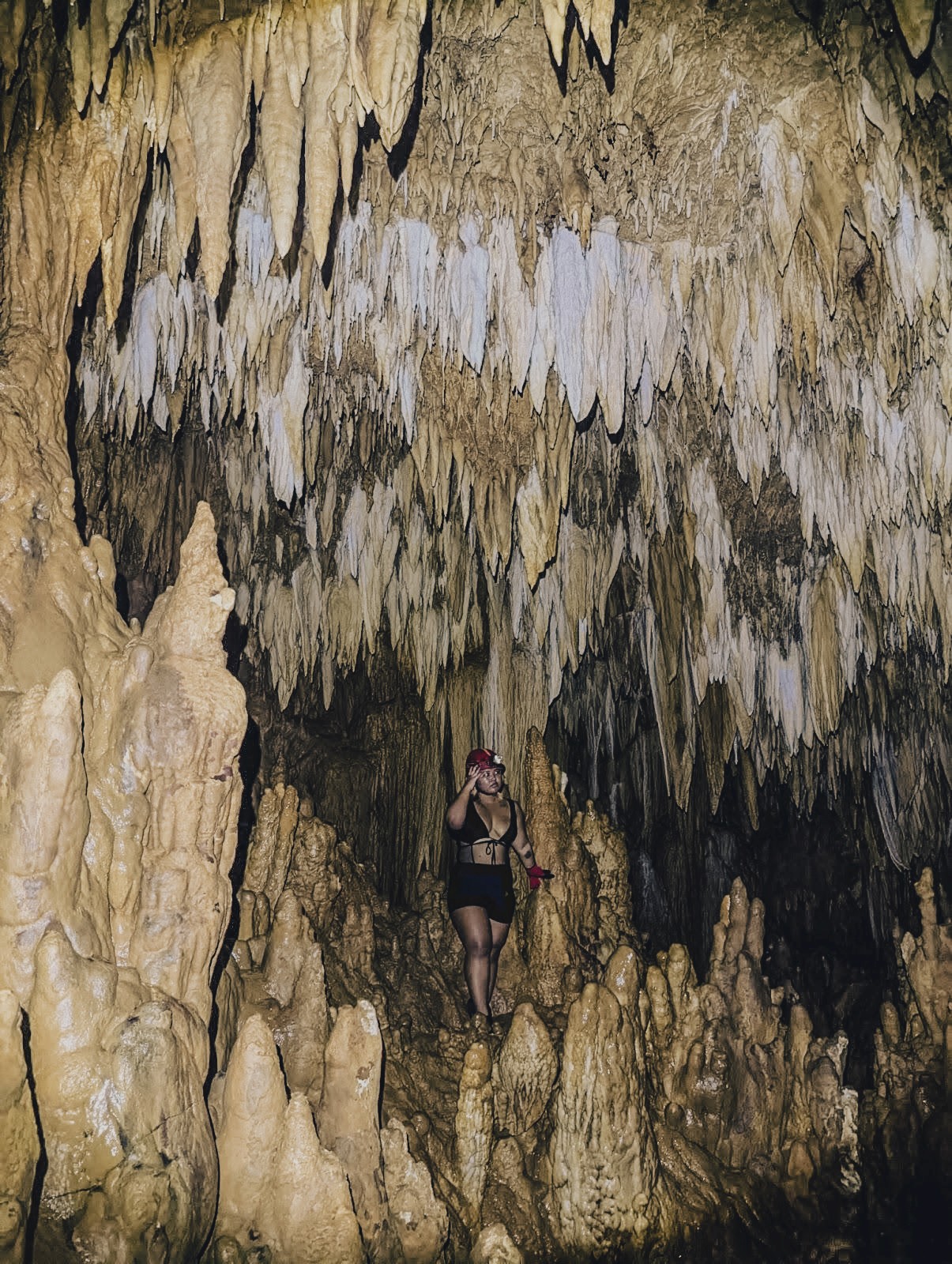
Once your feet hit solid ground, the small entrance opens into an enormous chamber. Majestic stalactites hang overhead, and I look up in awe at how this narrow opening concealed something so vast. Water drips from above, coating the speleothems underneath in a gleaming sheen.
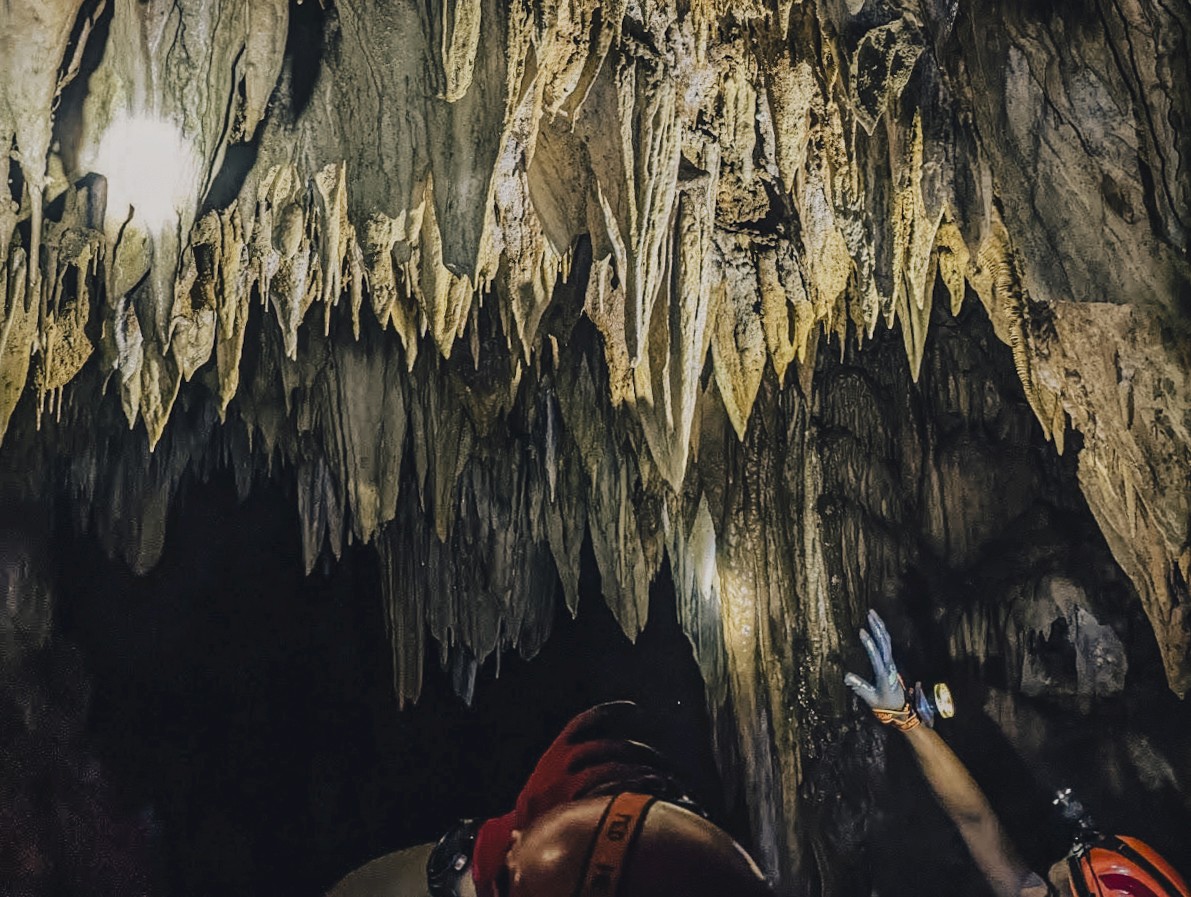
“Do you see how the stalactites and stalagmites are wet and shiny, like they have diamonds on them? That’s a sign that they’re still alive,” says Reynan Golandrina, our accredited tour guide. “The oil on our hands can kill them. That’s why we have to use gloves.”
It’s a strange thought that something so ancient could be vulnerable to something as mundane as the oils on our fingertips.
I began to see the cave as alive in every sense of the word – from its glistening speleothems to an entire ecosystem thrumming in the dark.
Photos: Lara Eviota
Pushing deeper, we squeeze through tight spaces, scramble over slippery sections, and teeter on narrow footholds. Stalagmites jut up from the ground like fingers, while sharp, glistening white stalactites stab down from above. Clambering through feels like stepping into the mouth of a fanged giant.
In one chamber, hundreds of insect bats hang from the ceiling – so small one could fit in your palm. In a connecting passageway, there’s a bird’s nest lodged in a crevice and a mother swiftlet flittering about.
Camel crickets hop around your feet with abnormally huge hindlegs, although they’re easy to miss thanks to their camouflage. I am told there is also a fish or two in the crystal-clear pool.
Not all visitors seem to grasp their place in the ecosystem. Reynan admits that some tourists shout to hear their echoes reverberate, disturbing the bats roosting above. Others leave garbage behind. Some try to touch formations despite the gloves.
These interruptions matter in a place this fragile.
Photos: Lara Eviota
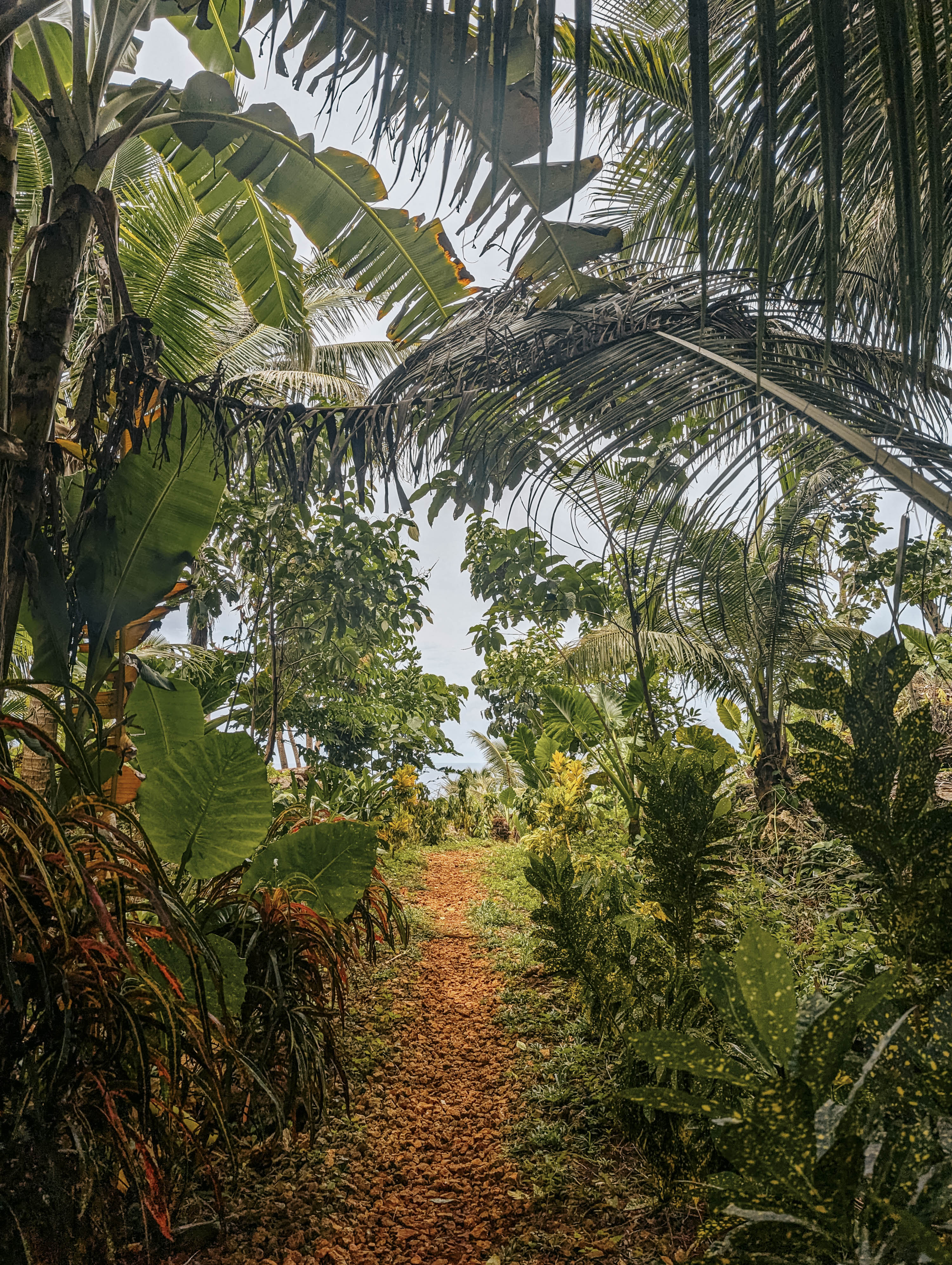
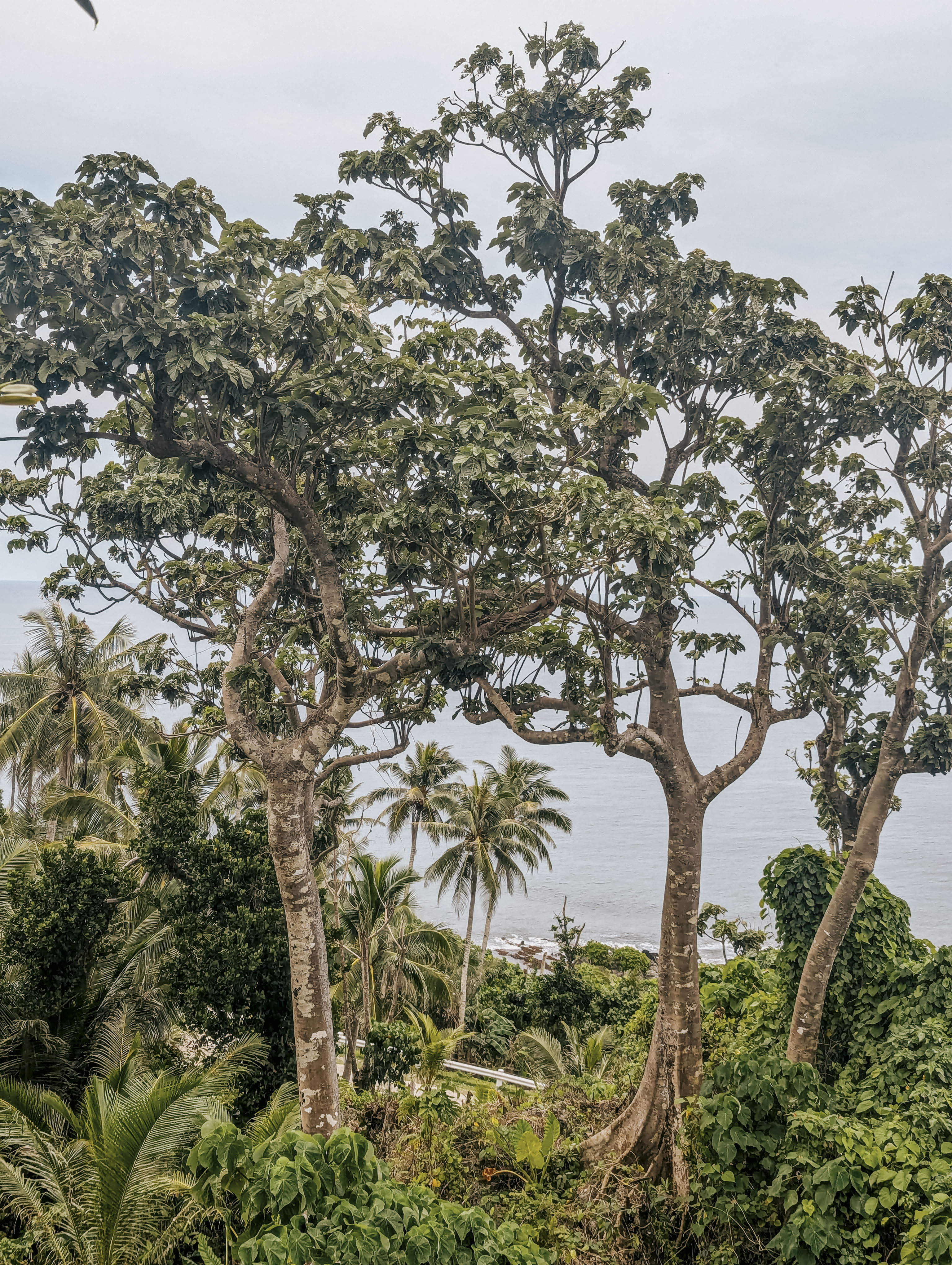
When we emerge back into sunlight, blinking and mud-covered, I look up at the forest canopy. Later I’ll learn that these trees are why the cave lives. The water dripping from stalactites comes from rainwater filtered down through roots and soil and limestone.
The cave isn’t separate from the island. It’s fed by it, sustained by it. What grows above determines what thrives below.
Somyot Cave is a reminder that life is determined to flourish, even in the most unlikely places. In the darkness. In the stillness. In the slow process of water moving through soil and limestone over thousands of years. The island I thought I knew keeps revealing itself, layer by layer, as long as I’m willing to descend into the unknown and pay attention.
There’s always another layer waiting beneath the surface. You just have to be willing to look.