My first walk through my new neighbourhood to buy vegetables after moving to a beachside village in South Goa was a culture shock.
✦
That Sunday afternoon, I didn’t find any vegetable hawkers within a 1km radius of my home, but instead two bars filled to capacity.
It was a month before I learned why. These neighbourhood watering holes – or taverns, as they’re known – have long been the beating heart of Goan life.
Frequented by sailors, farmers, porters, fishermen and toddy tappers, taverns were places where people from every walk of life gathered after a workday to debate politics and trade stories of sea and soil.
What they drank was almost always homegrown – feni, urrack or dudhshri – distilled from cashew apples, palm fruits or coconut palms, and sold at affordable prices in these no-frills places that punched above their weight in character.
Today, young Goan entrepreneurs, designers and bartenders are reimagining the tavern for a new generation by keeping their typical terracotta-tiled roofs, lime-plastered walls, wooden benches and neighbourhood feel, but throwing in creative cocktails, live music and design touches to the mix.
From Portuguese-era establishments to family-run dives, these taverns across the Sunshine State are preserving tradition and sparking conviviality in a place that knows how to raise a glass.
Photos: Avantika Chaturvedi
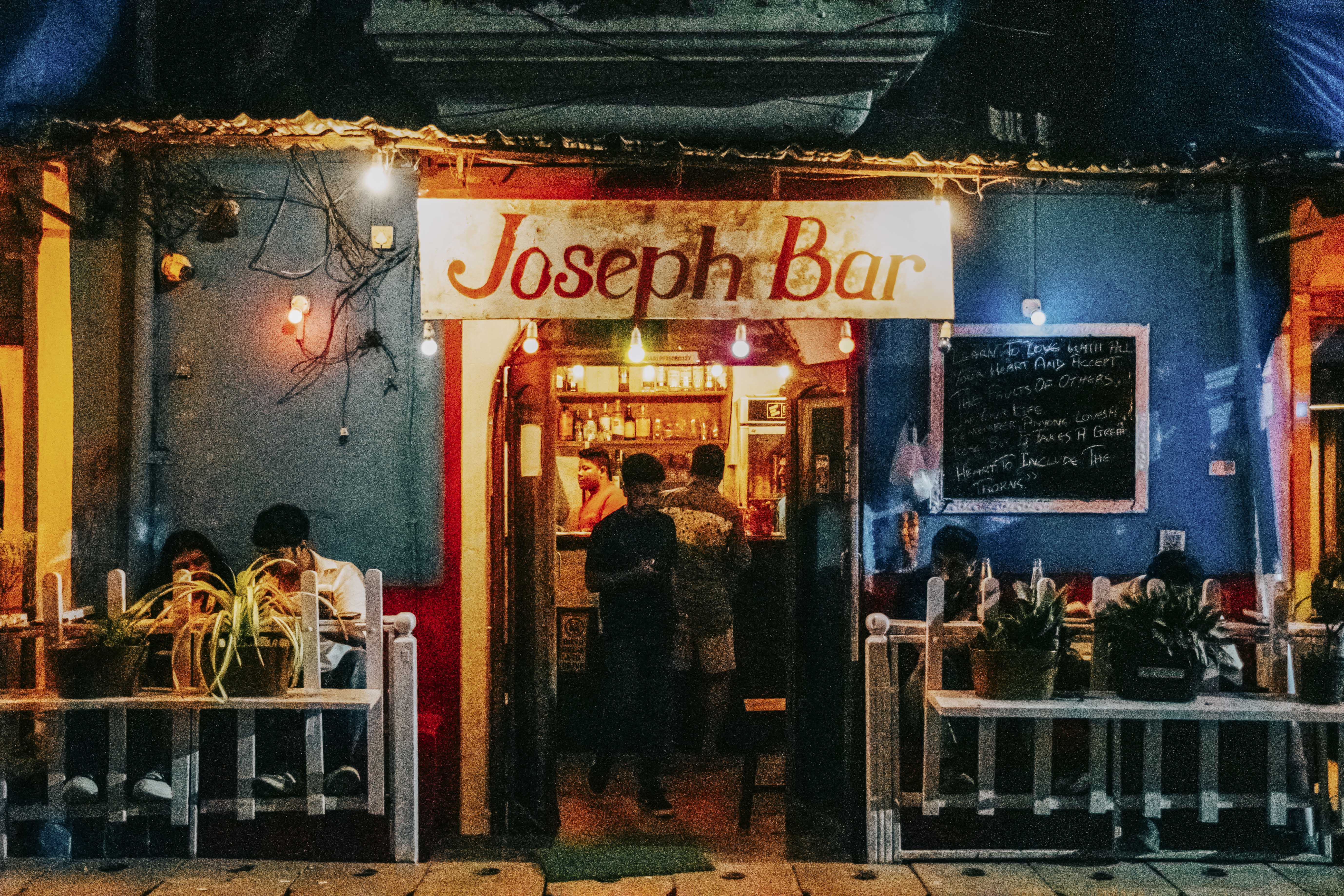
Joseph Bar, Panaji
Somewhere in the maze of pastel Indo-Portuguese shophouses of Fontainhas in Panaji, is Joseph Bar – the place that made taverns cool again. Named after its genial founder, it embodies the unfussy and democratic essence of the Goan neighbourhood tavern. Located in an old house with mismatched chairs, potted plants, and a playlist that swings from Goan fado to jazz, evenings here stretch languidly into the night.
Despite having been to Joseph multiple times, the only drink I’ve ever had here is the Tambde Rosa…and I don’t feel the need to explore beyond it. I rest easy with this cashew feni-based cocktail mixed with syrup from kokum (a tart red flower in the mangosteen family), served with a side of fresh roses for my hair, courtesy the charming manager and head bartender, Prabhakar Yashwant Prabhu Azgaonkar.
Cajy Bar, Arpora
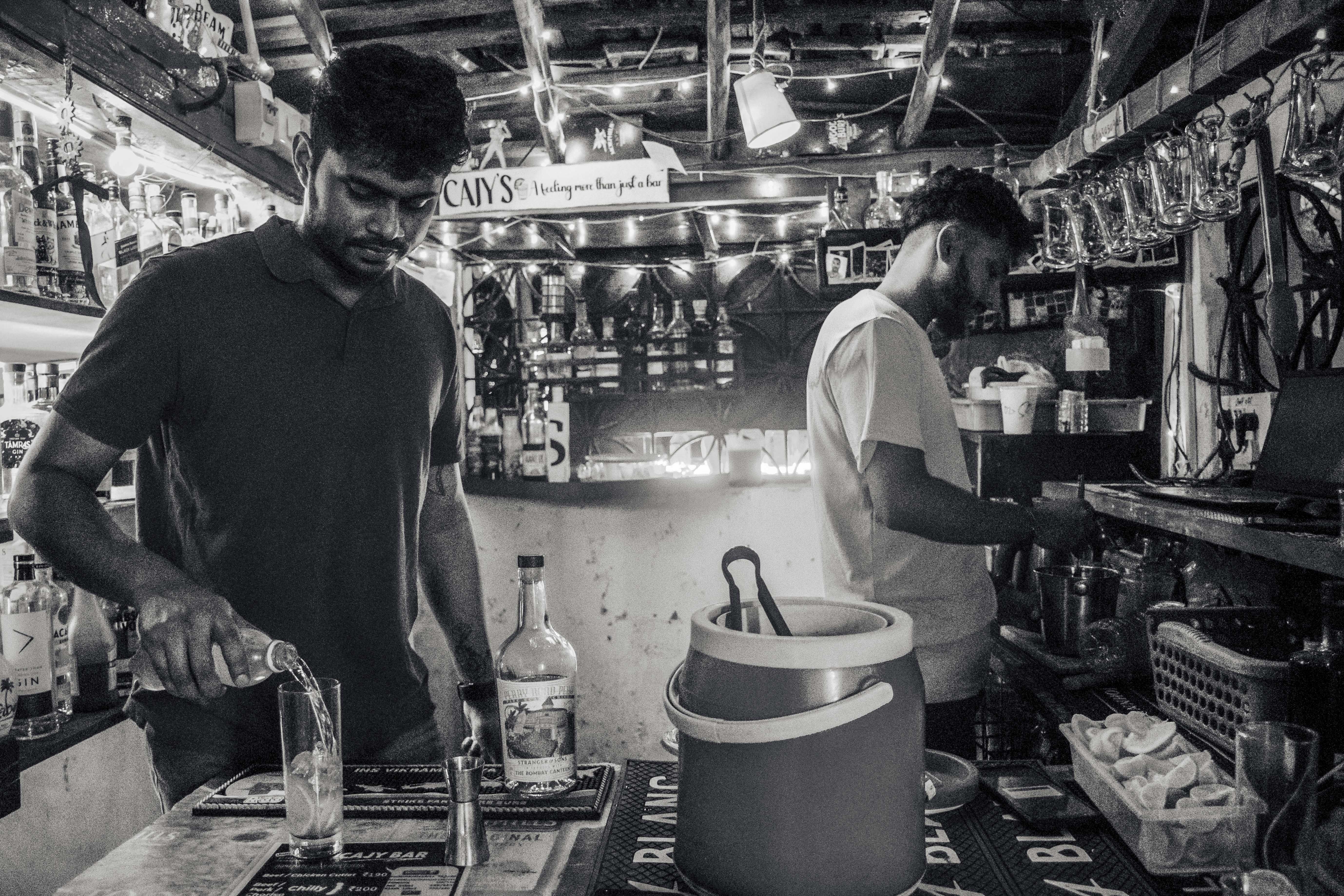
In Arpora in North Goa, Cajy is a family-run tavern started in 1970 that wears its history lightly.
I’m welcomed by Eligio (Eli) Fernandes and his mother, Philomena, who have rebuilt the place into the neighbourhood hub it once was under its founder and Eli’s grandfather, Caitano Domingo Fernandes – fondly known as Cajy. “When we launched after the pandemic, I didn’t think anyone would show up,” confides Eli as we shoot down a shot of fermented kokum wine.
However, the launch evening turned out to be such a hit that they ended up opening their garage to accommodate guests, using chairs and sofa couches from their living room and transforming soda crates and stacks of tyres into makeshift furniture.
Much of that set-up is still an integral part of Cajy today, along with an annexe they had to add to keep up with the growing number of people who decided to make this bar their go-to spot.
The food menu honours old recipes that have been a part of the establishment since the ‘70s, and it’s not hard to see that it holds the place together. The Ard Maas (spicy Goan pork ribs) is slow-cooked for 24 hours so that the meat slips right off the bone, and the beef croquettes – at just ₹32 ($0.35) apiece – are easy to lose count of in between sips of cashew feni.
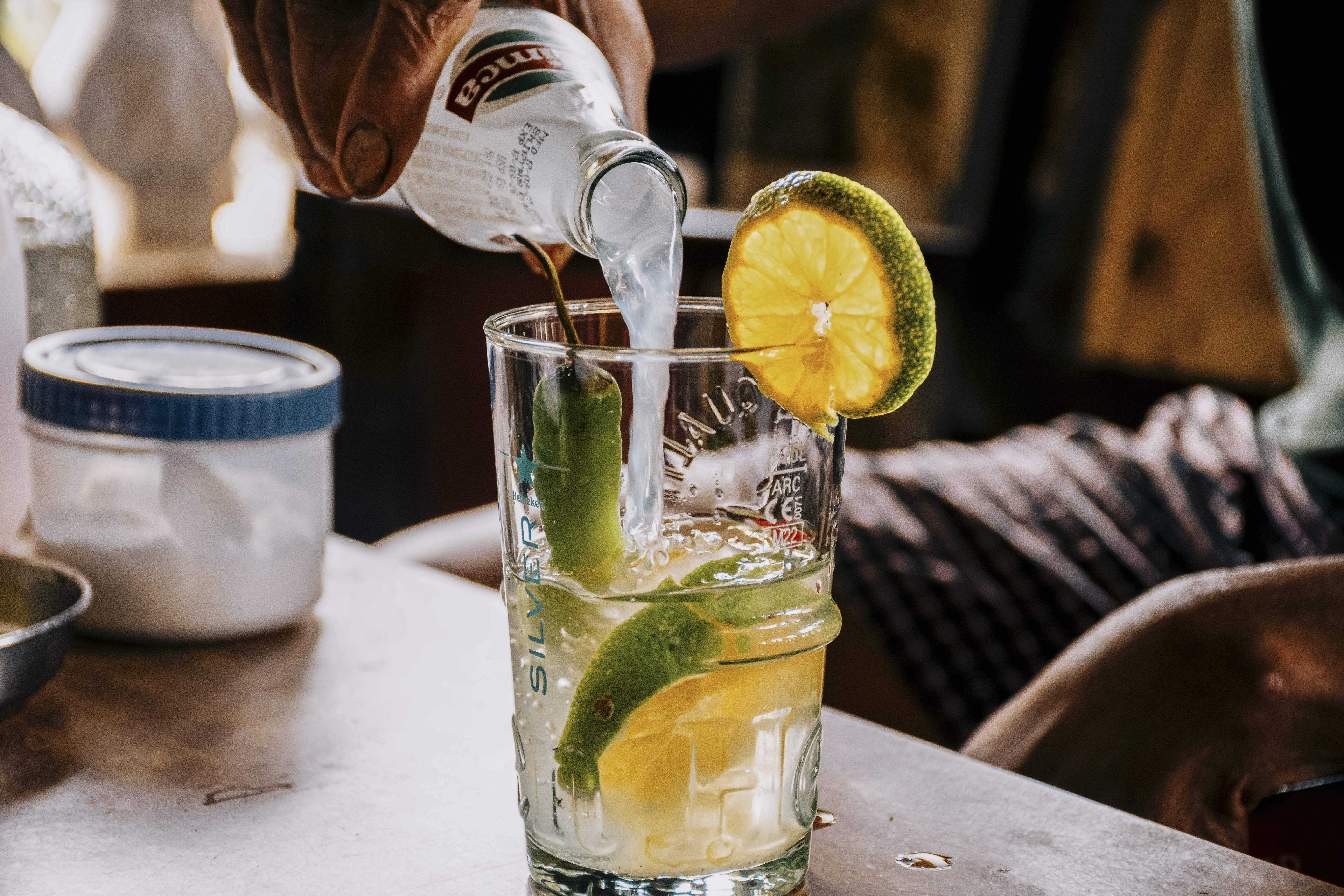
The bar menu is uncomplicated – straight pours of whiskey, gin and feni are offered alongside beer on tap through a self-service counter. But it’s this Goan homey feel and sensible prices that explain why regulars return here night after night, and reservations are encouraged to ensure a seat.
Photos: Avantika Chaturvedi
Meenali Bar, Chorao Island
A 20-minute ferry ride from the Goan capital of Panaji brings you to Chorão Island – a pocket of old-world Goa where life unfolds at the pace of the tides. Tucked within this slow-living isle, next to a mangrove forest on the fringes of the Mandovi River, is Meenali Bar. Established over 100 years ago and now run by the fourth generation of the Matodkar family, this is arguably one of Goa’s oldest-surviving taverns.
Downstairs, Prakash Matodkar runs it much as his grandfather did: as a gathering place for locals who drop in after work and greet each other by name. Upstairs, however, his daughter Shravani has breathed new life into the space with her artistic vision.
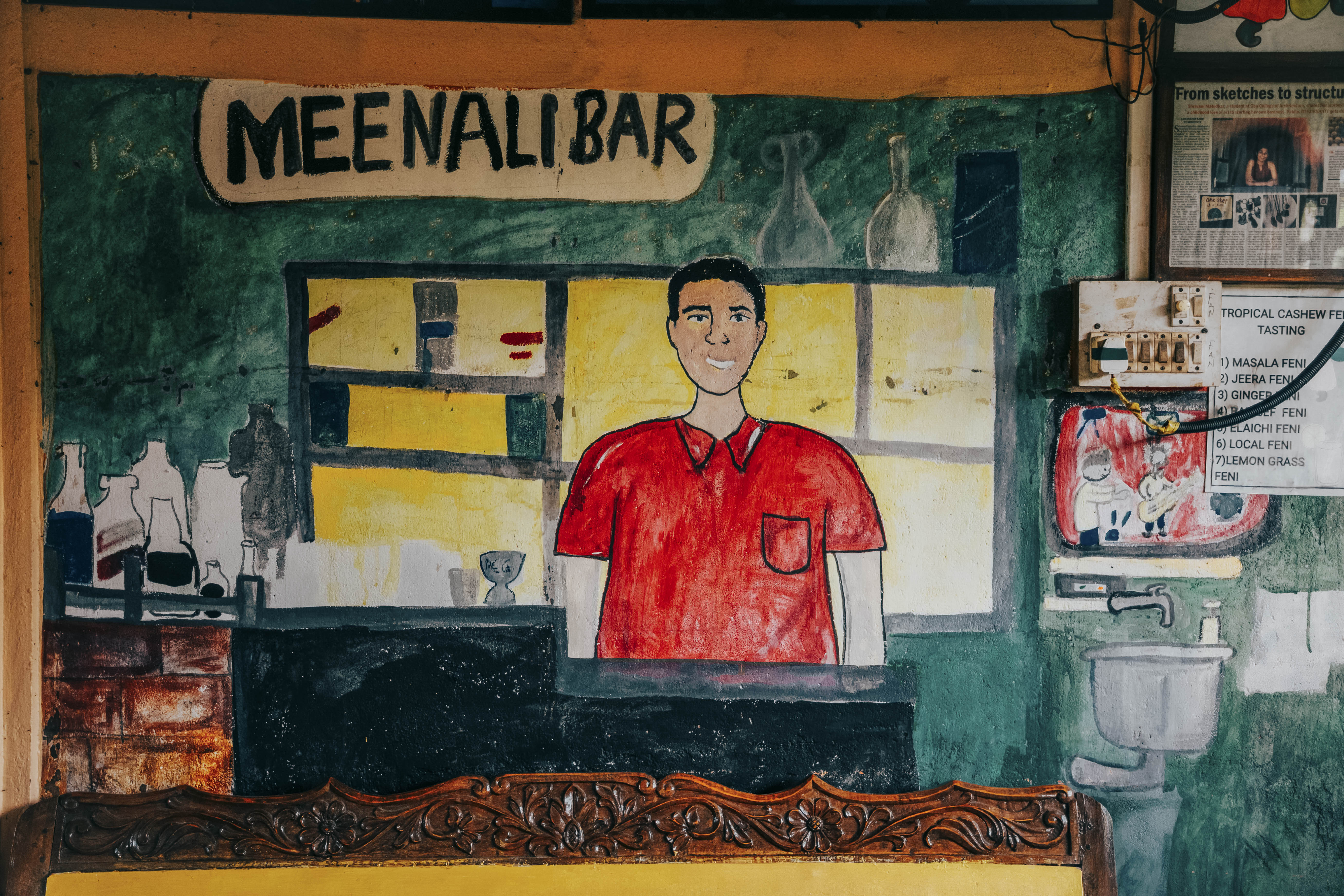
The open verandah-style living room features a colourful mural of the downstairs bar, along with a selection of postcards and fridge magnets hand-painted with Shravani’s memories of the island.
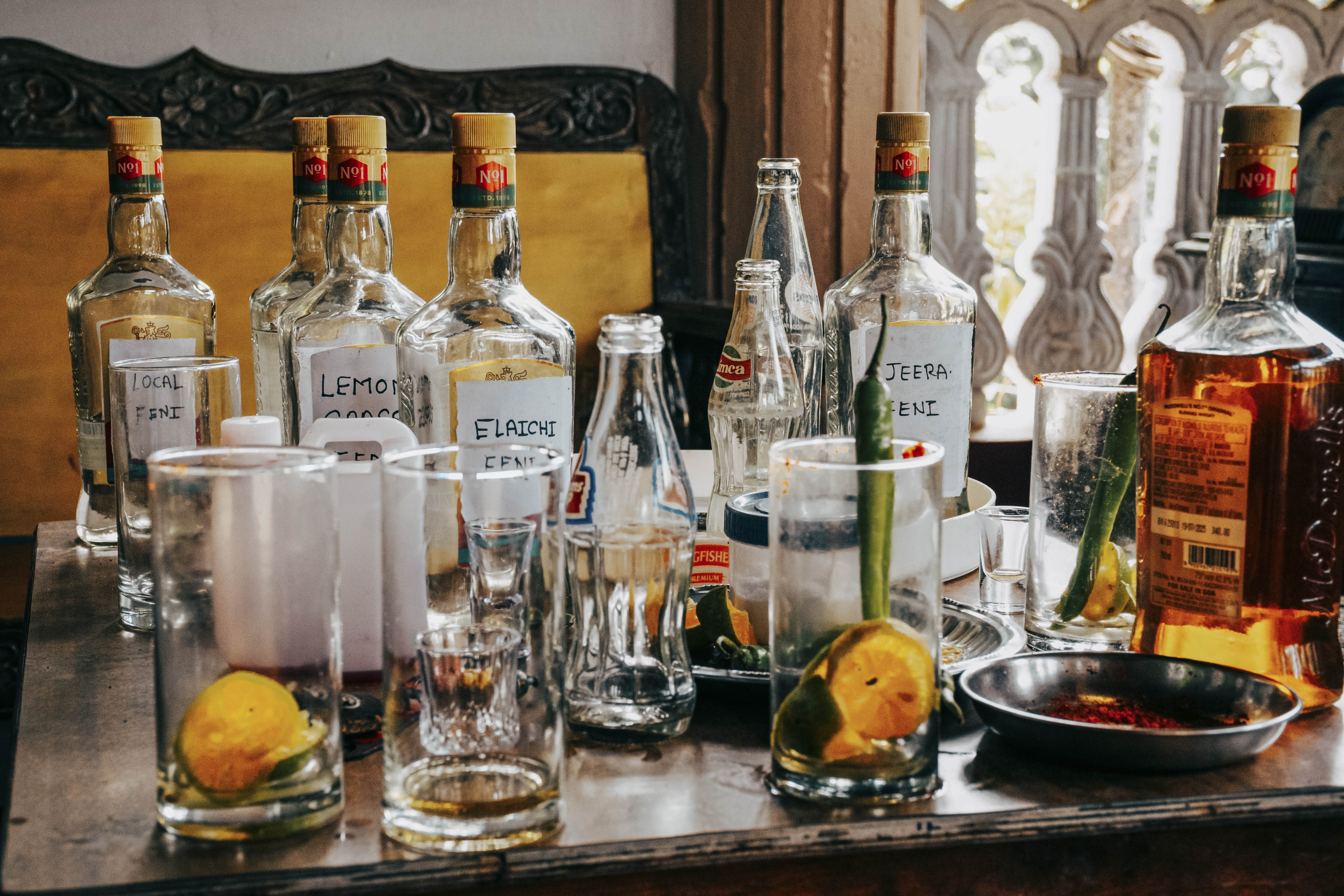
A tasting flight of seven types of their house-infused feni finds its way to the table in front of me, before I even get a chance to ask what’s on the menu. From cumin and ginger to lemongrass and cardamom, I let each shot go down with a delicious burn, while the hint of different spices lingers in my mouth.
Another room leads to a mini-museum with artefacts from traditional Goan kitchens on display. Amongst the ceramic jars used for pickling and clay pots used to cook feasts over firewood sits a set of bhann and launni – traditional earthenware used to distil and condense the distillate before industrial machinery took over. While the father and daughter duo may have different visions for the bar, their love for feni and its heritage is clearly shared.
Bobby’s Bar, Agonda
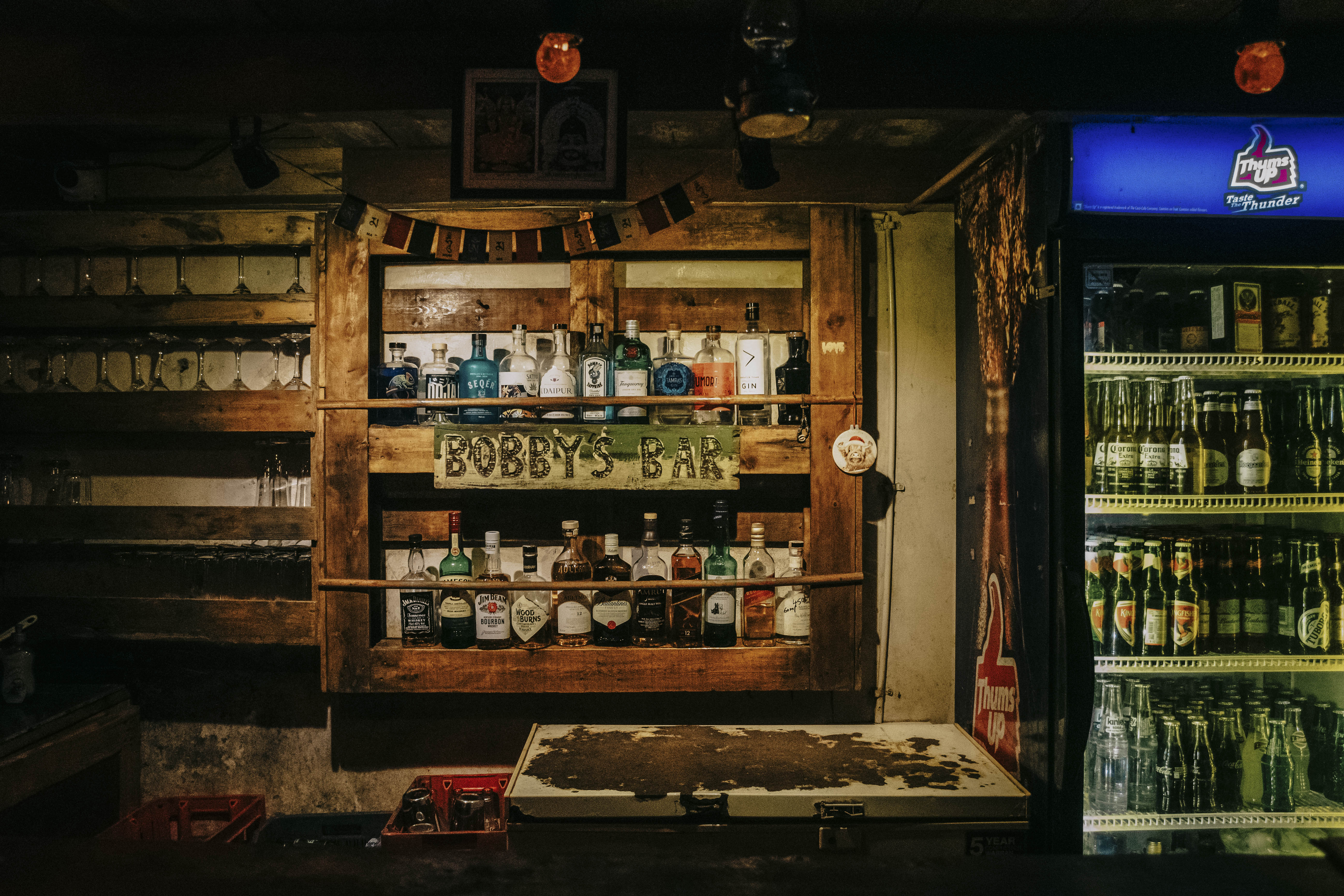
In Goa, it’s perfectly normal to find a bar standing shoulder-to-shoulder with a church – a reminder that the state’s twin devotions are faith and feni. And Bobby’s Bar in Agonda sits right at that intersection.
What was once Bobby Chow’s aunt’s watering hole – the legendary Central Bar – got a new lease on life when Bobby took over after the pandemic and gave South Goa one of its most beloved late-night spaces.
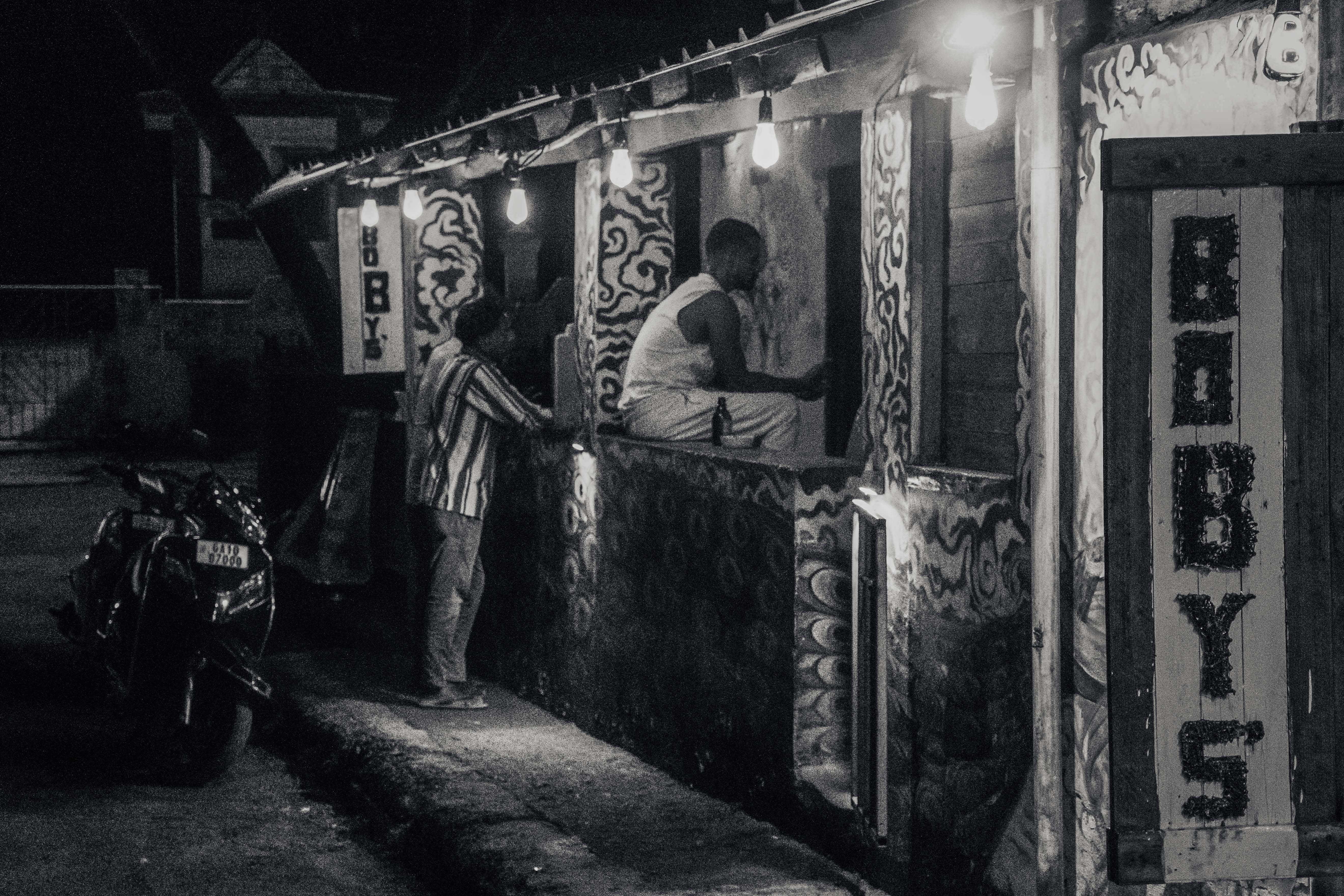
During the day, Bobby’s porch serves as an autorickshaw stand where drivers seek shelter from the elements while waiting for customers.
But by evening, depending on who you’re seated next to, the same porch could turn into a hotbed of drunken political, spiritual, environmental or scientific debate.
The menu is unelaborate – just classic cocktails, straight pours and beers. And past midnight, the crowd often spills onto the street, drink in hand, as if the entire village has decided to join one extended family gathering.
This place is rough around the edges in all the right ways: drunken doodles by patrons adorn the walls and furniture, the music rises with the moon, and the crowd ranges from local regulars to visiting tourists who came for one drink but stayed for three.
Photos: Avantika Chaturvedi, Pablo's Bar
Pablo’s, Assagao
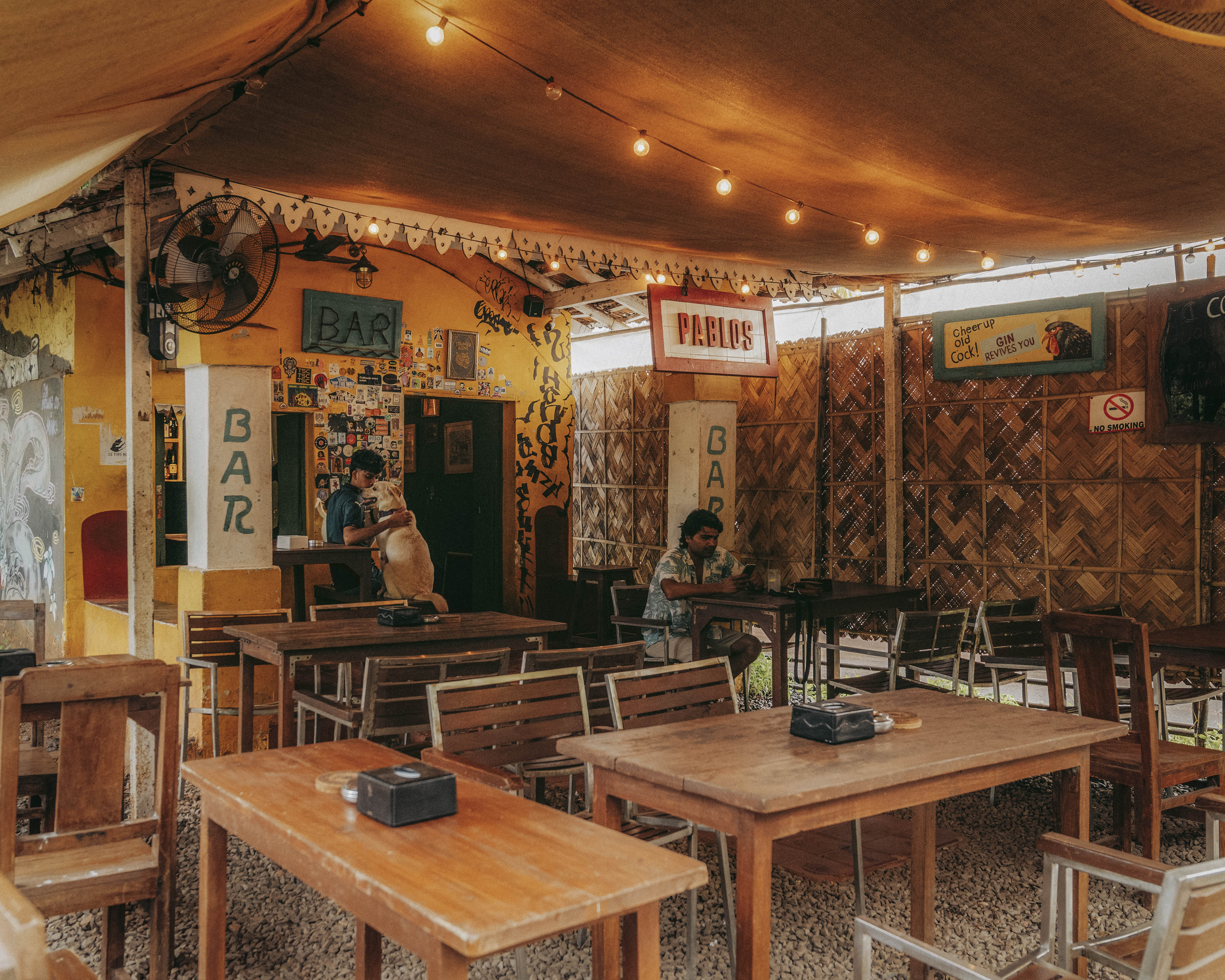
Set in one of North Goa’s most picturesque villages, Pablo’s Bar occupies what was once the 65-year-old Vijay Bar – a space Anant Shirodkar stumbled upon serendipitously when it came up for lease. Today, Pablo’s retains much of the original structure, including the terracotta-tiled roof and the balcão (a shaded porch), as evident from the framed painting of the original Vijay Bar adorning a wall in the lobby.
Reclining on their sopo – an in-situ bench traditionally found in Goan homes – and nibbling on freshly fried beef croquettes, I flip through a drinks menu unlike anything else I’ve ever seen (or tasted).
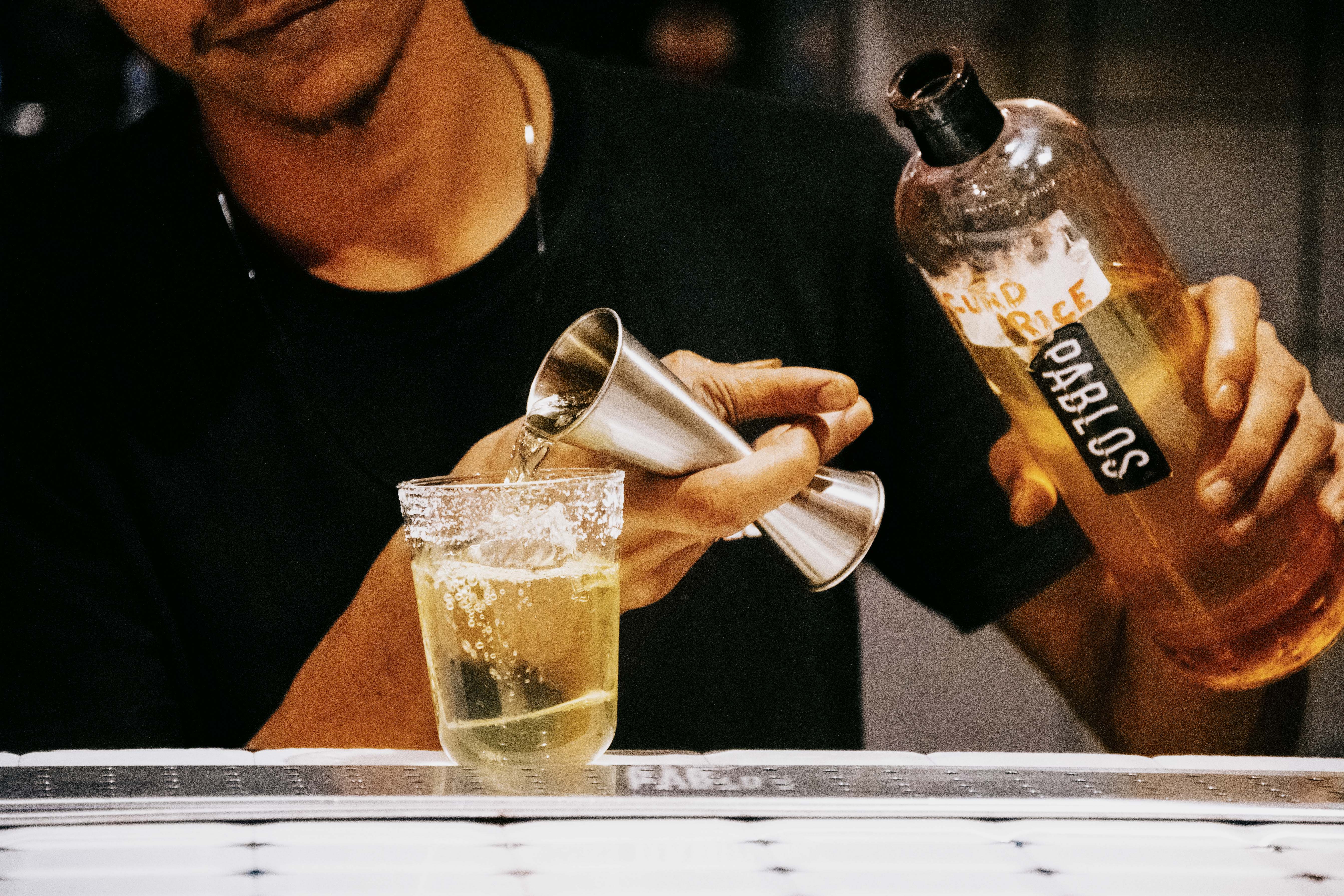
The head mixologist, Tejas Pore, points to a wall behind the bar counter. On this white-tiled wall are more names of drinks scribbled in colourful ink. “These are our stars of the show,” he tells me.
The Liquid Curd Rice is a boozy take on South India’s comfort food that incorporates the flavours of mustard seeds, curry leaves and curd – all in one sip. Another one – Bread and Jam – tastes exactly like dinner from my childhood, with a slight saltiness from butter-clarified vodka.
With Goan-brewed beers on tap and frequent bar takeover events, Pablo’s is a place that combines a young, creative spirit with Goa’s sossegado (Portuguese for calm and peaceful) vibe.
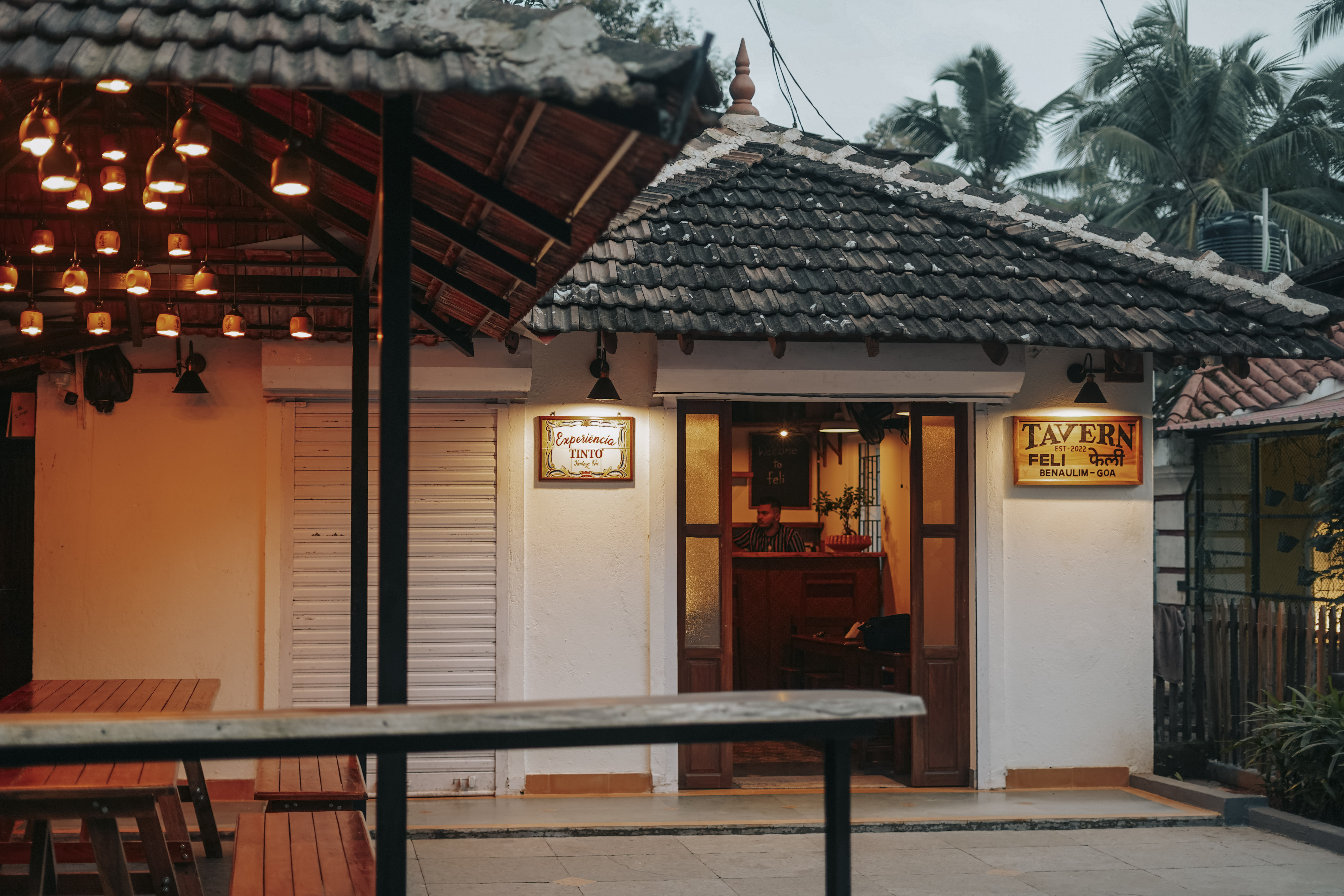
Feli Tavern, Benaulim
In Latin, Feli means “lucky” – a fitting name for a bar that feels like stumbling upon good fortune on a balmy Goan evening. Opened in 2022 in the bustling beachside market of Benaulim, it signifies a fresh chapter in South Goa’s evolving tavern culture.
Its Feli Tales cocktail menu is a spirited ode to Goa’s terroir, using five of the state’s Geographical Indication treasures – cashew feni, Moira bananas, Mancurad mangoes, Khola and Harmal chillies, and kaddio-boddio, a crunchy sweet found at temple feasts.
The result is a playful sensory map of Goa distilled into a glass.
While their tequila-based Chawdi catches my eye for its use of Khola chillies – Chawdi is the biggest town and commercial hub of the subdistrict my village is located in, while Khola is my neighbouring village where local farmers sell chillies by the kilo come winter – I decide to venture further from home. Reinder, a coconut feni cocktail with muddled pickled raw mangoes, arrives in a steel mug – a nod to the Indian kitchen.
“Reinder is the Konkani word for coconut toddy tappers. We named this drink after them,” Nitin Naik, owner of Feli, explains to me as I sip and learn something new about a place I’ve decided to call home.