Before I set foot on the wooden jetty that bridges the real world and the Robinson Crusoe-like realm of Cempedak Island, I had no idea what to expect.
✦
All I knew was that the small private island was somewhere in Indonesia’s Bintan Regency, and that it was known for being quiet, eco-friendly and adults-only.
As a supply chain manager in neighbouring Batam, I was deep in my daily routine of endless meetings, emails and deadlines. I needed to escape for a while – although honestly, I wasn’t sure if somewhere so close by would give me the break I craved.
From Batam, I took a ferry to Tanjung Pinang, and continued the journey with a peaceful drive through quiet coastal villages. Then I boarded a small boat bound for Cempedak. In 30 minutes, I was in a totally different landscape.
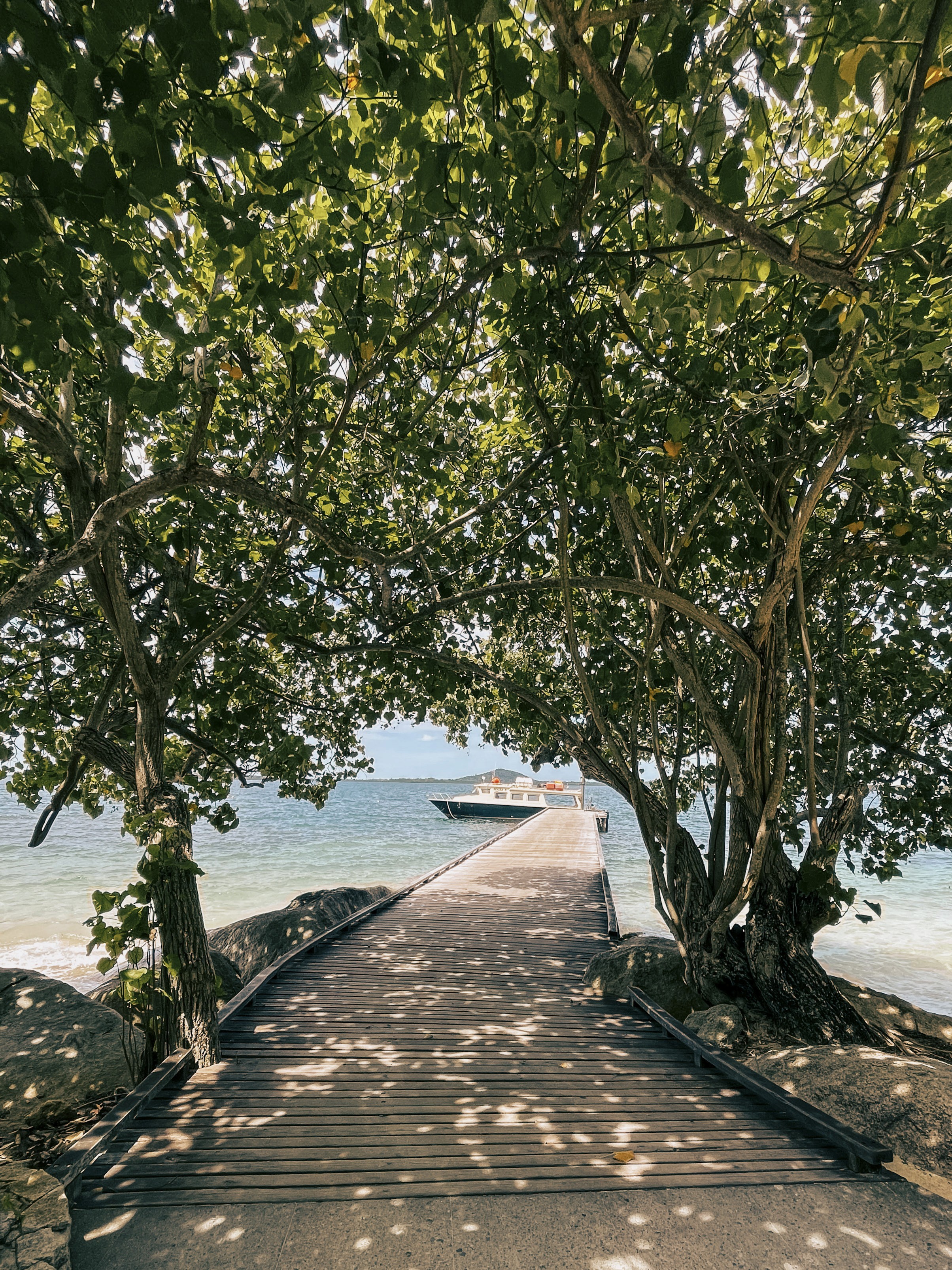
The first thing I noticed stepping off the boat was the silence, broken only by the waves, wind, cicadas and birds somewhere deep in the forest.
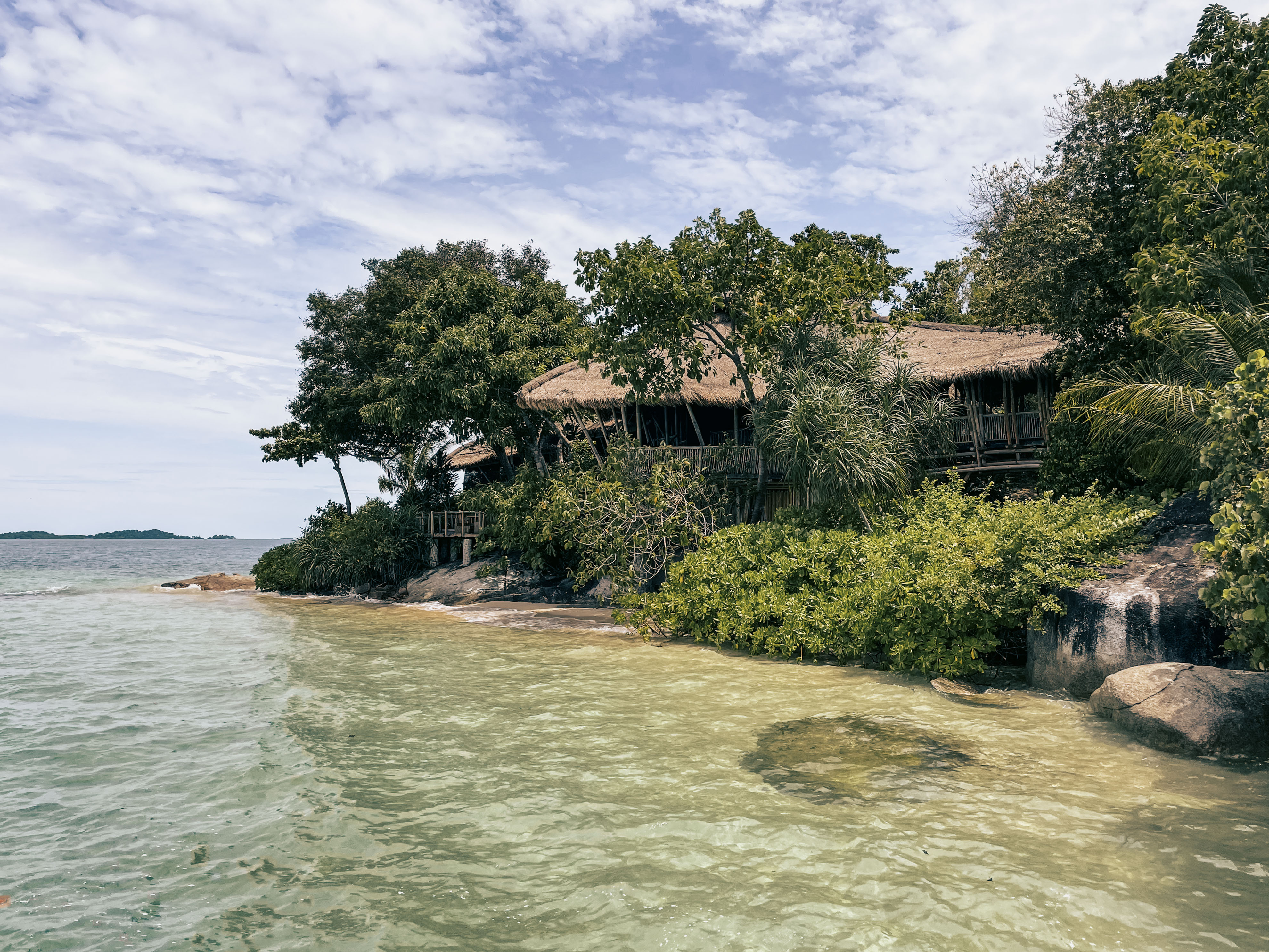
My villa was made mostly of bamboo, with tall ceilings, open walls and a plunge pool overlooking the sea. There was no air-conditioning, just the ocean breeze and ceiling fans, and yet it felt perfectly comfortable.
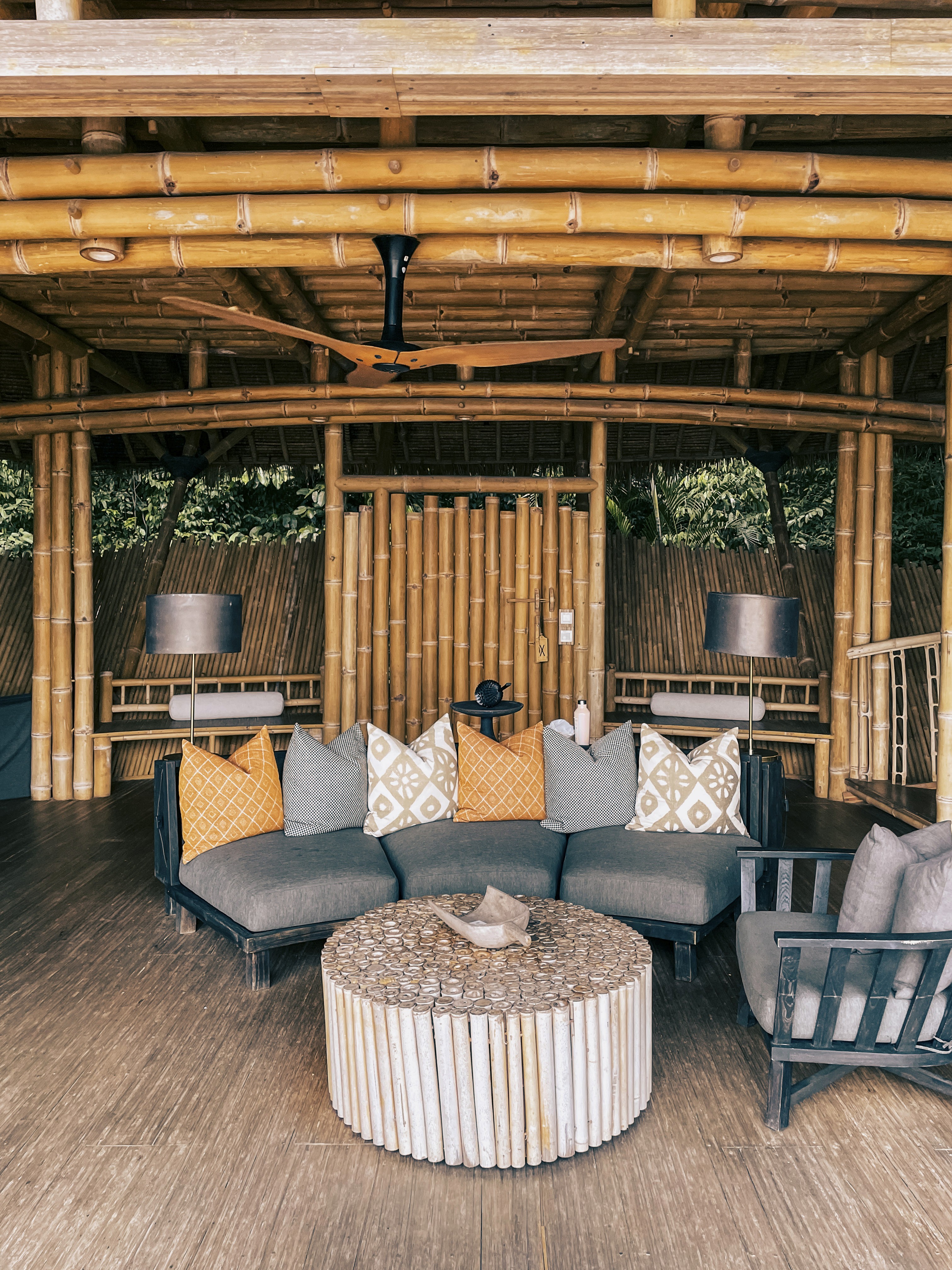
Without any of the familiar bits of urban life – television blaring, music in the background, kids running around – it took me a while to get used to the island’s rhythm. Here, you wake to birdsong, read on the deck, and just let the day unfurl.
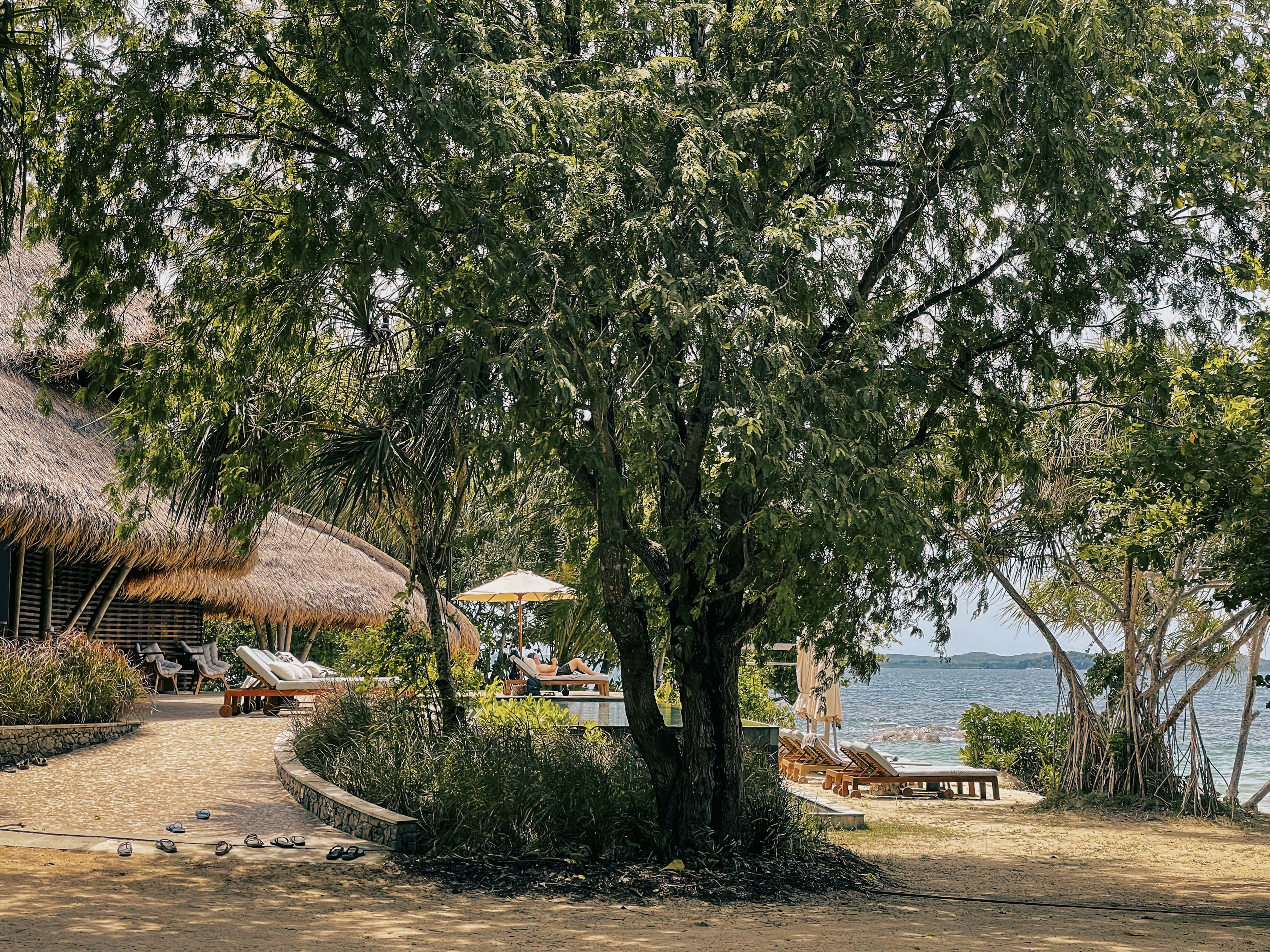
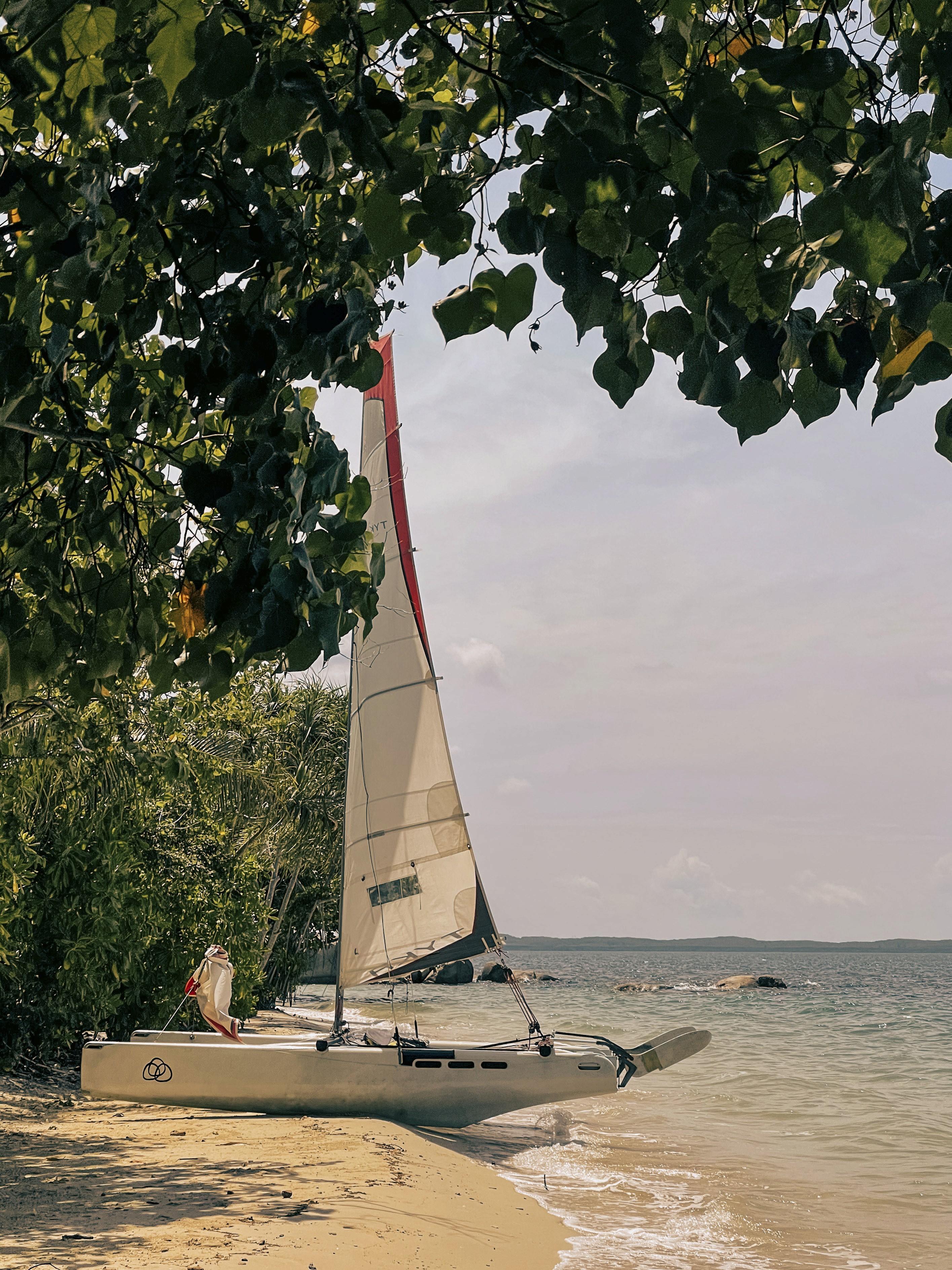
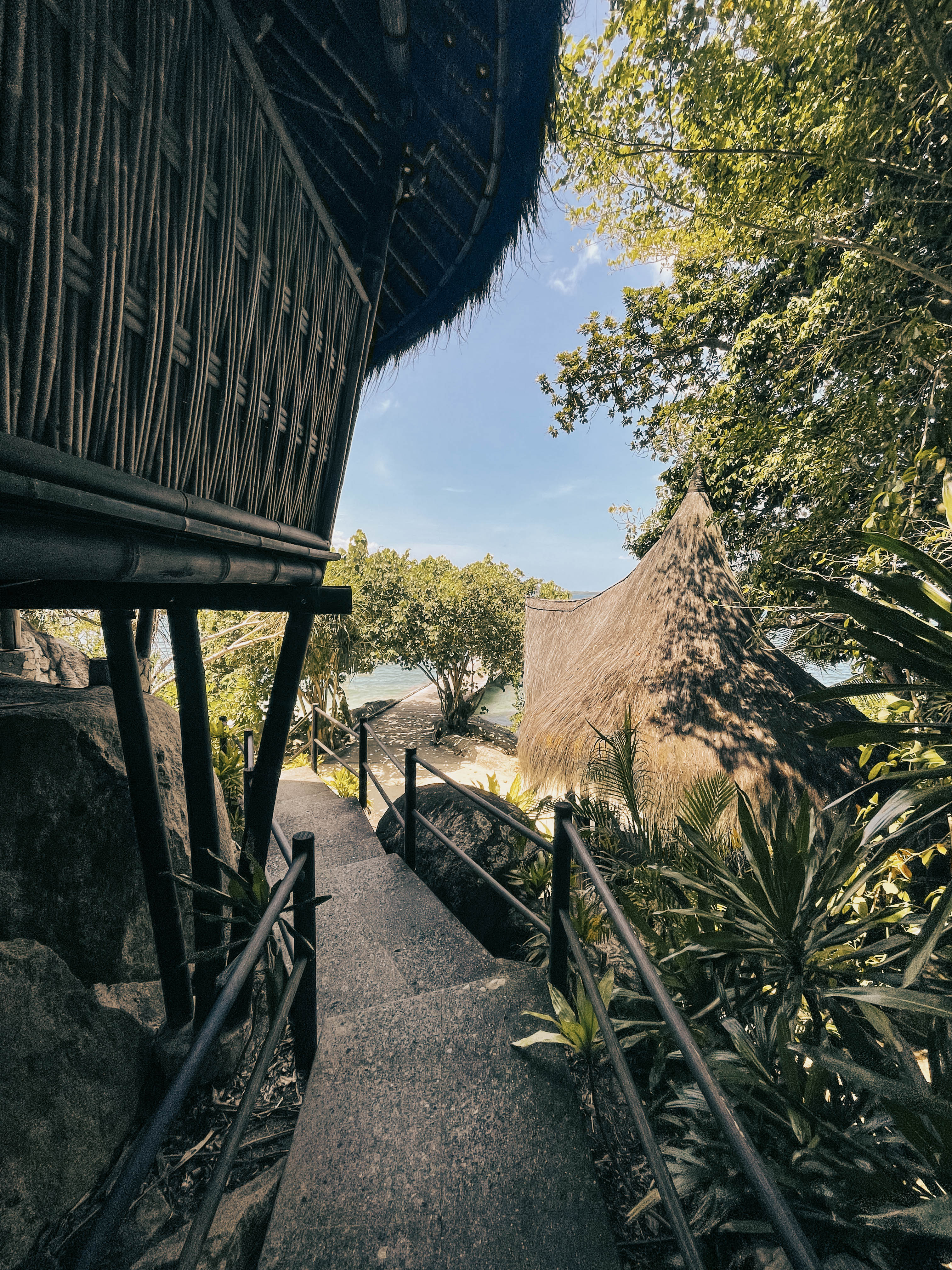
All photos: Yuni Tisna
When I spoke to Jaslan Button, Cempedak’s recreation and conservation manager, he explained how seriously the island takes its commitment to sustainability. There are no pesticides used, no motorised water sports and no plastic bottles in the villas. Bright lights are avoided so as not to disturb the wildlife and to reduce electricity use, and there’s even a dedicated composting area to manage organic waste responsibly.
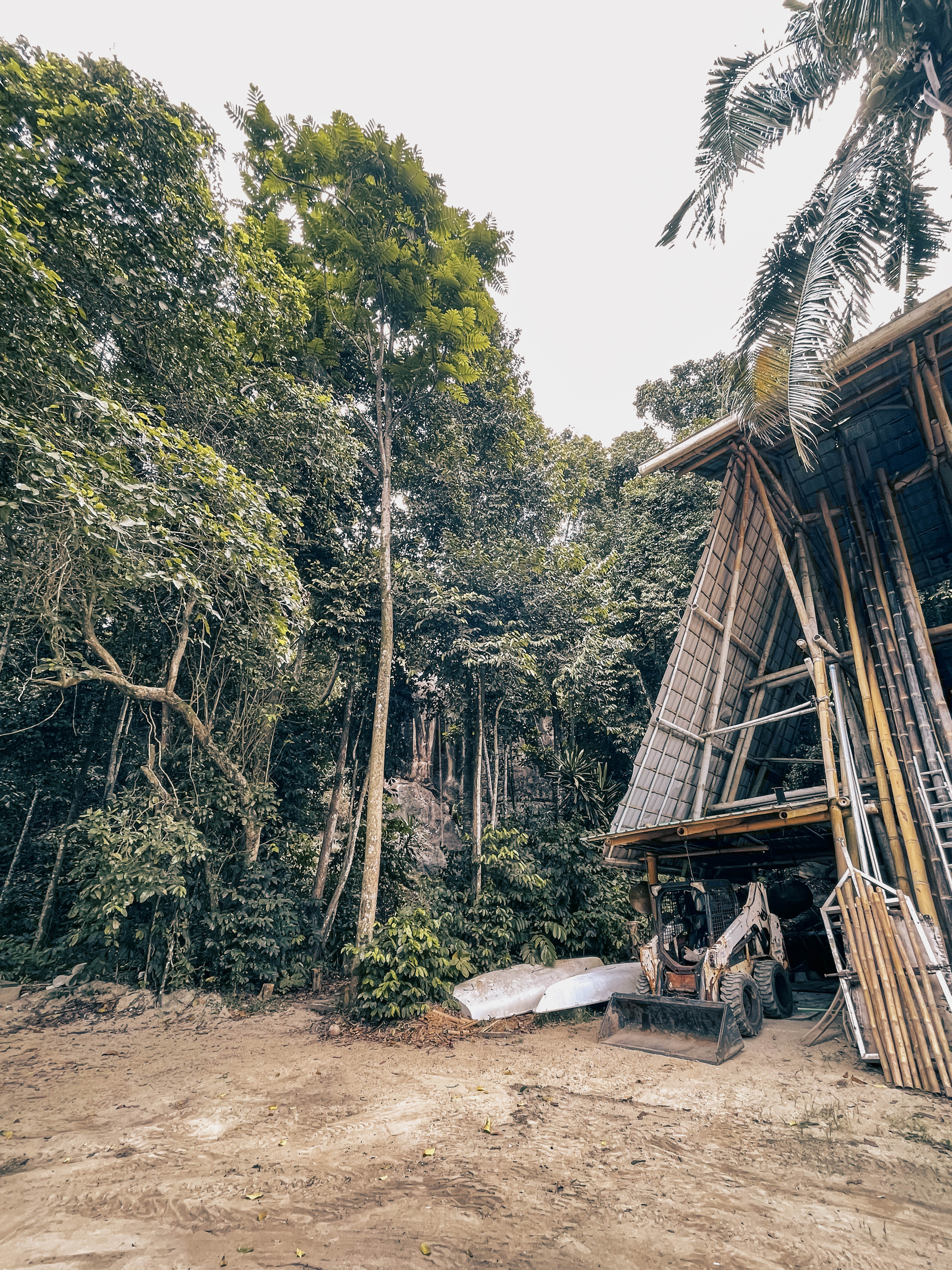
Everything is designed to let the wind, water and nature take the lead.
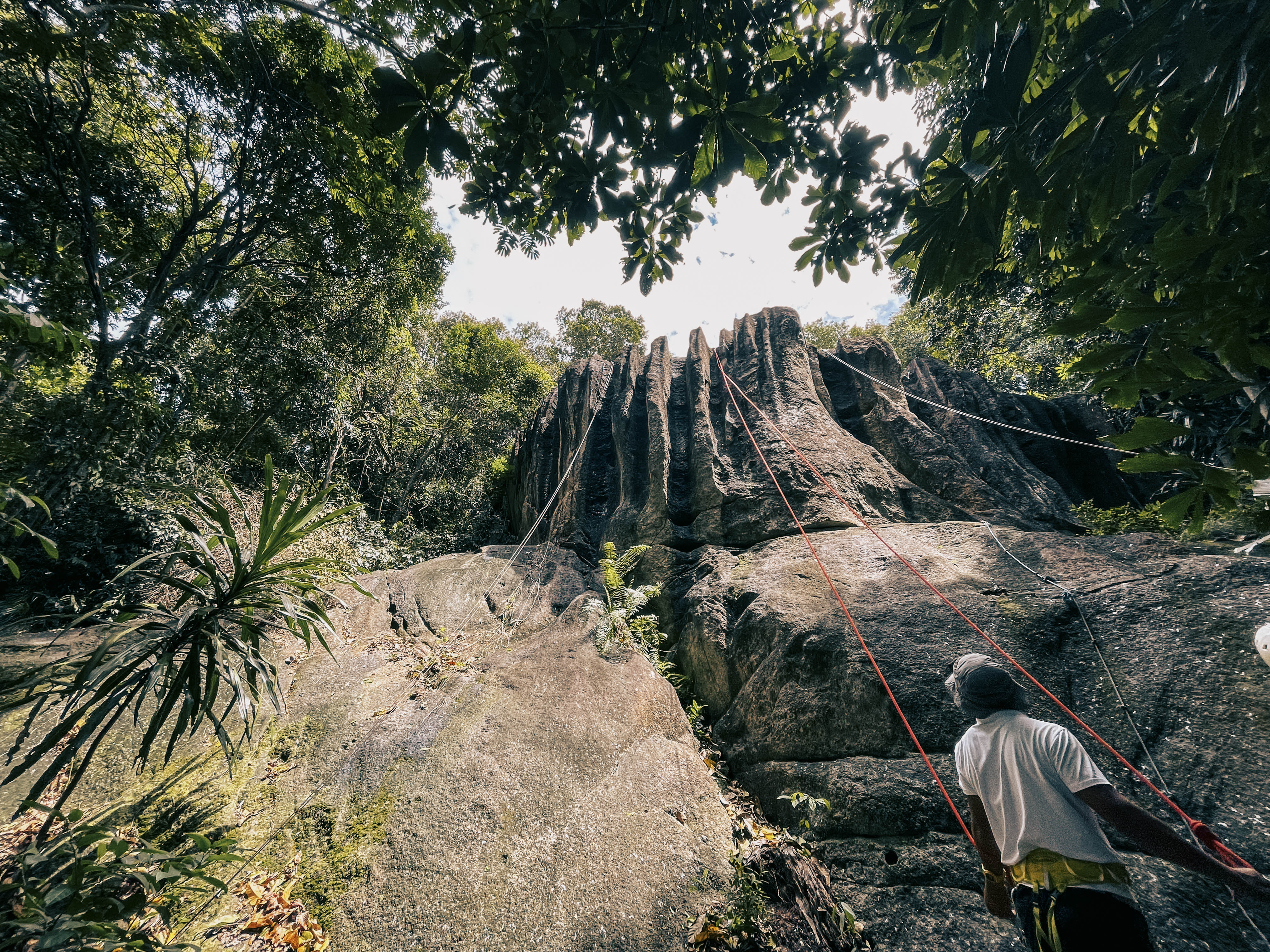
Guests are encouraged to reconnect with the environment through mindful activities including sailing, catamaran trips and rock climbing. Which left me with a pleasant daily dilemma: should I just relax in my cocoon, or try everything on offer?
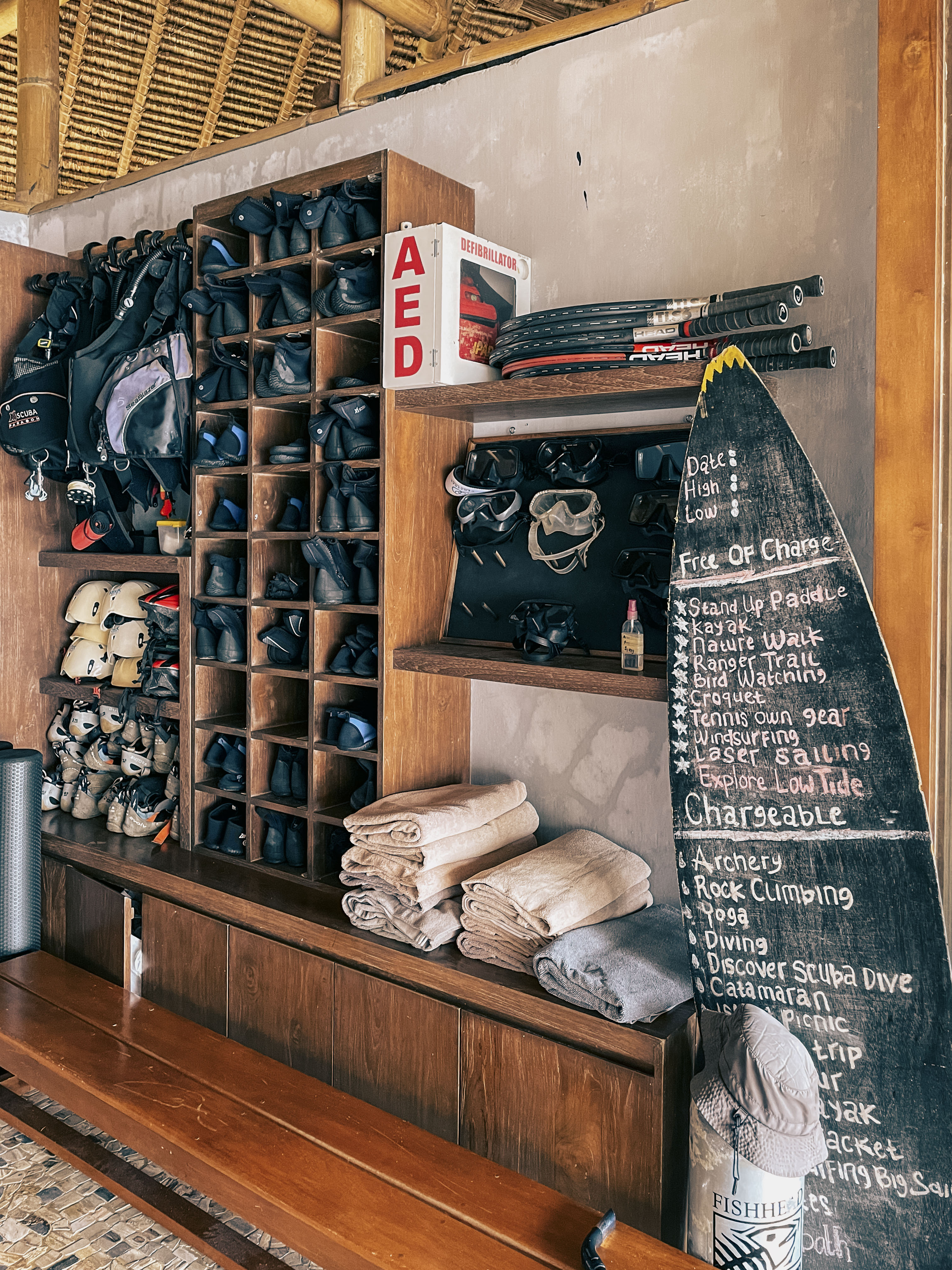
I decided on a bit of both. Each morning, I spent a few hours outdoors joining activities like rock climbing, snorkelling and guided nature walks. Then I spent the rest of the day alternating between swimming in my private pool and enjoying the view from my villa.
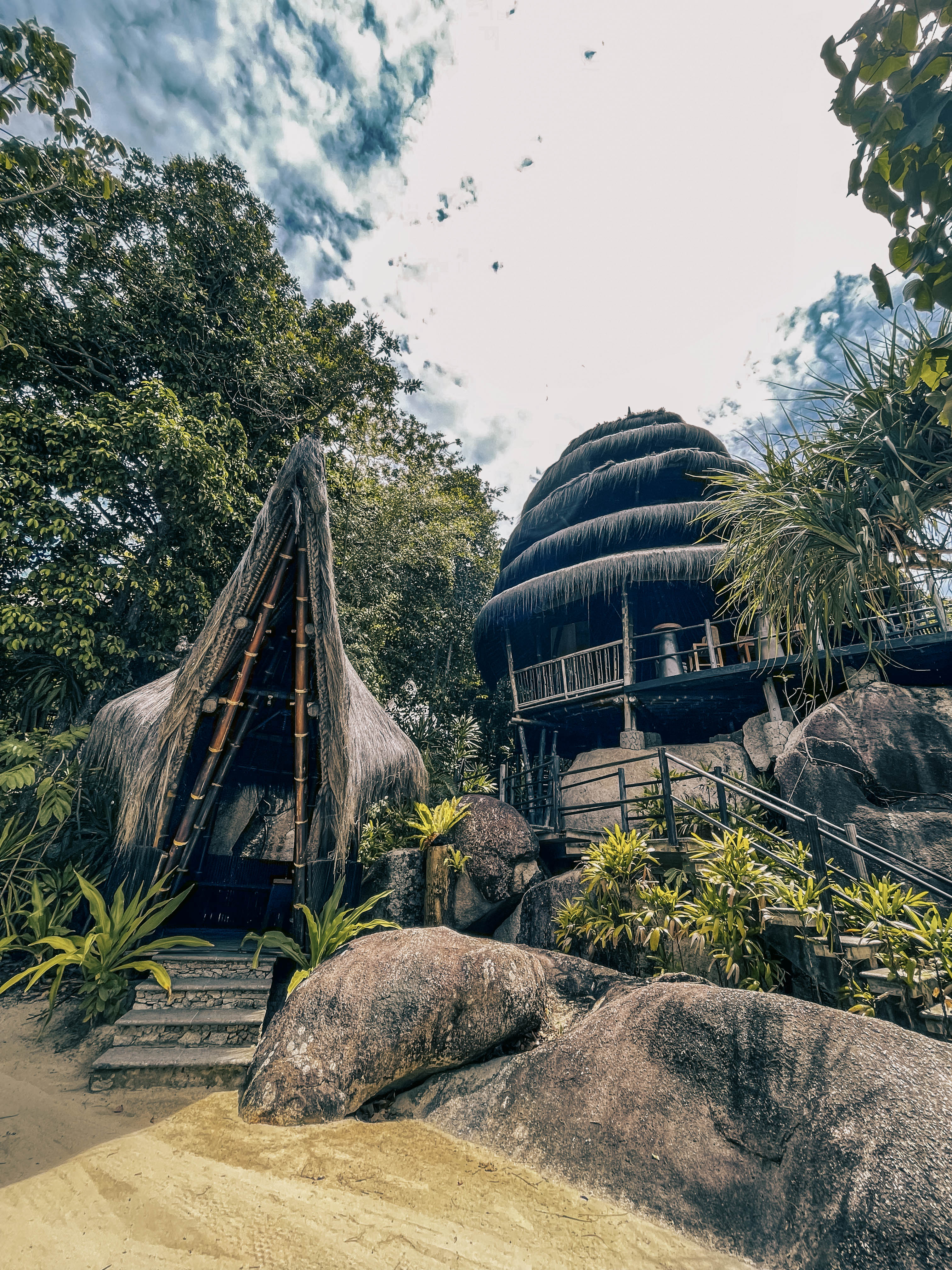
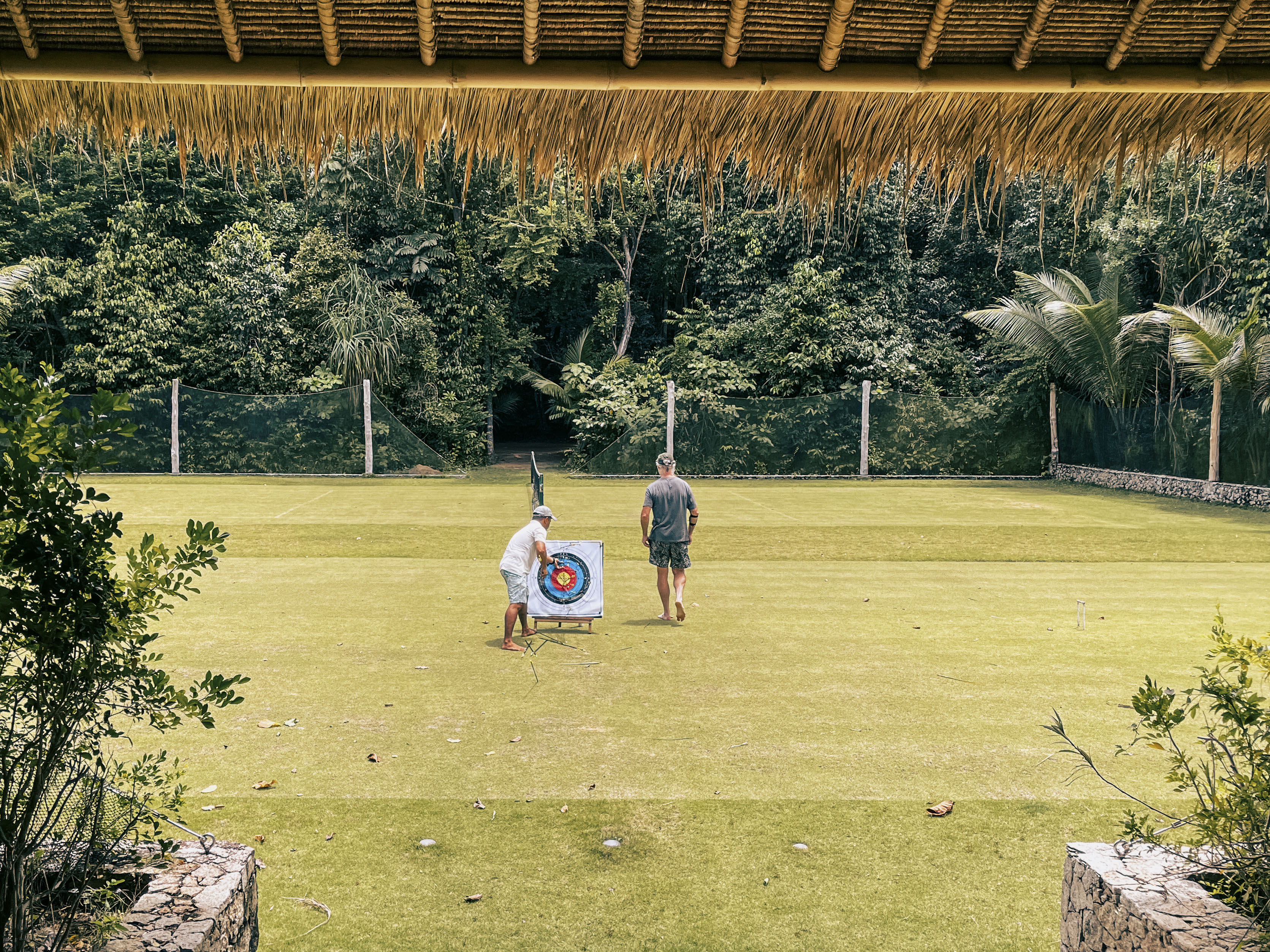
One cool thing about Cempedak is that it’s a “signless” island. There are literally no signs anywhere, not even directions to the restaurant, toilets or activity areas.
Only unpaved footpaths offer a hint that facilities that lie ahead. If you need to find something, you ask the staff in the vicinity or go to the “butler house”, where there’s always someone to help.
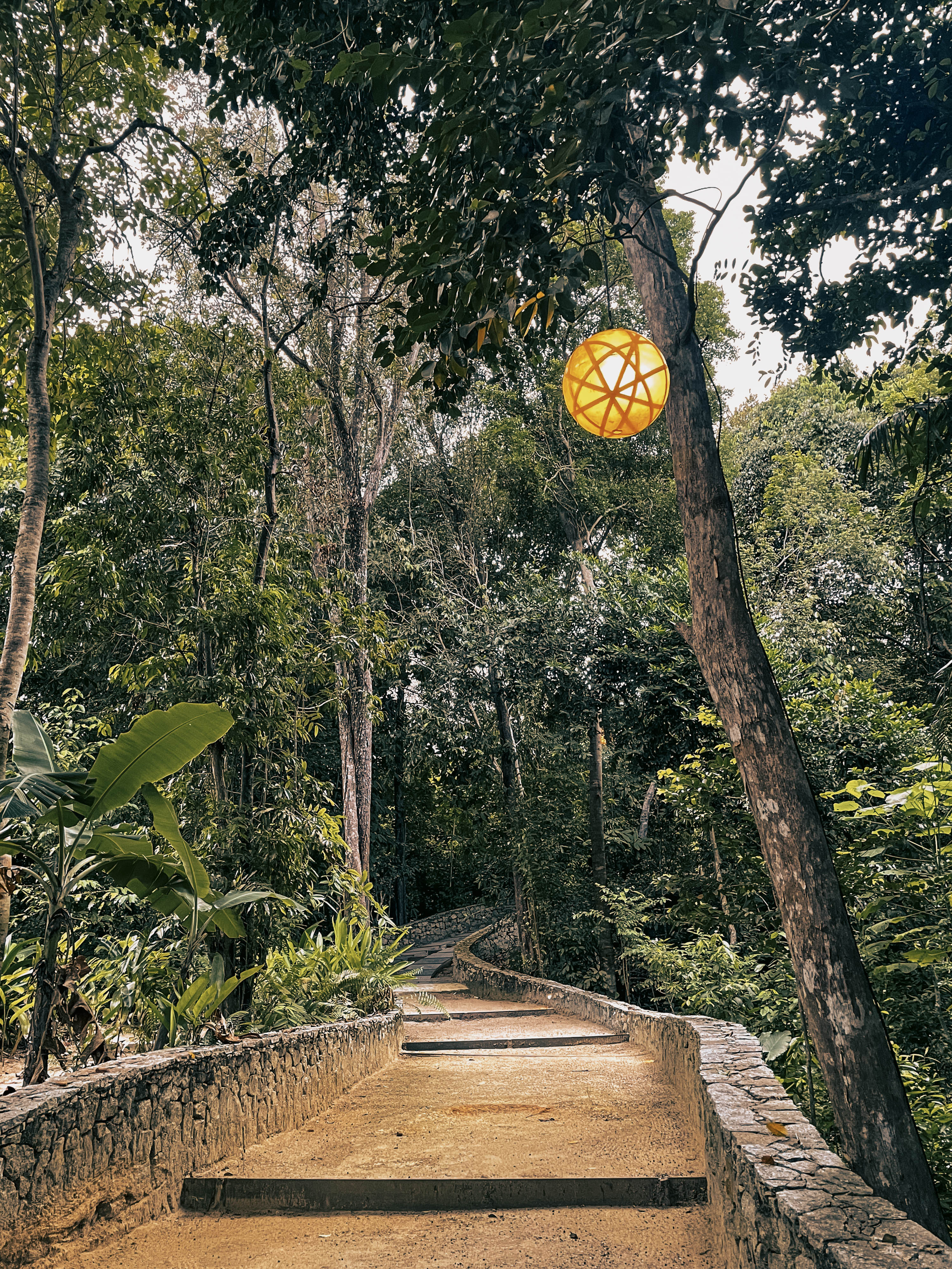
According to Jaslan, this idea is intentional so that people end up talking to each other more. And it really works. Even though having no signs seems like such a small difference, I found myself chatting with so many people during my three-night stay – be it asking for directions, sharing stories, or just saying hi.
I stayed alone, but I never felt lonely because there was always someone to talk to and the staff were very friendly and helpful.
One of my favourite moments was meeting a group of four women on a girls’ getaway when I was rock climbing. They cheered me on when I did my first session, and later, we hung out at the bar together after dinner, watching a piano performance by the talented staff.
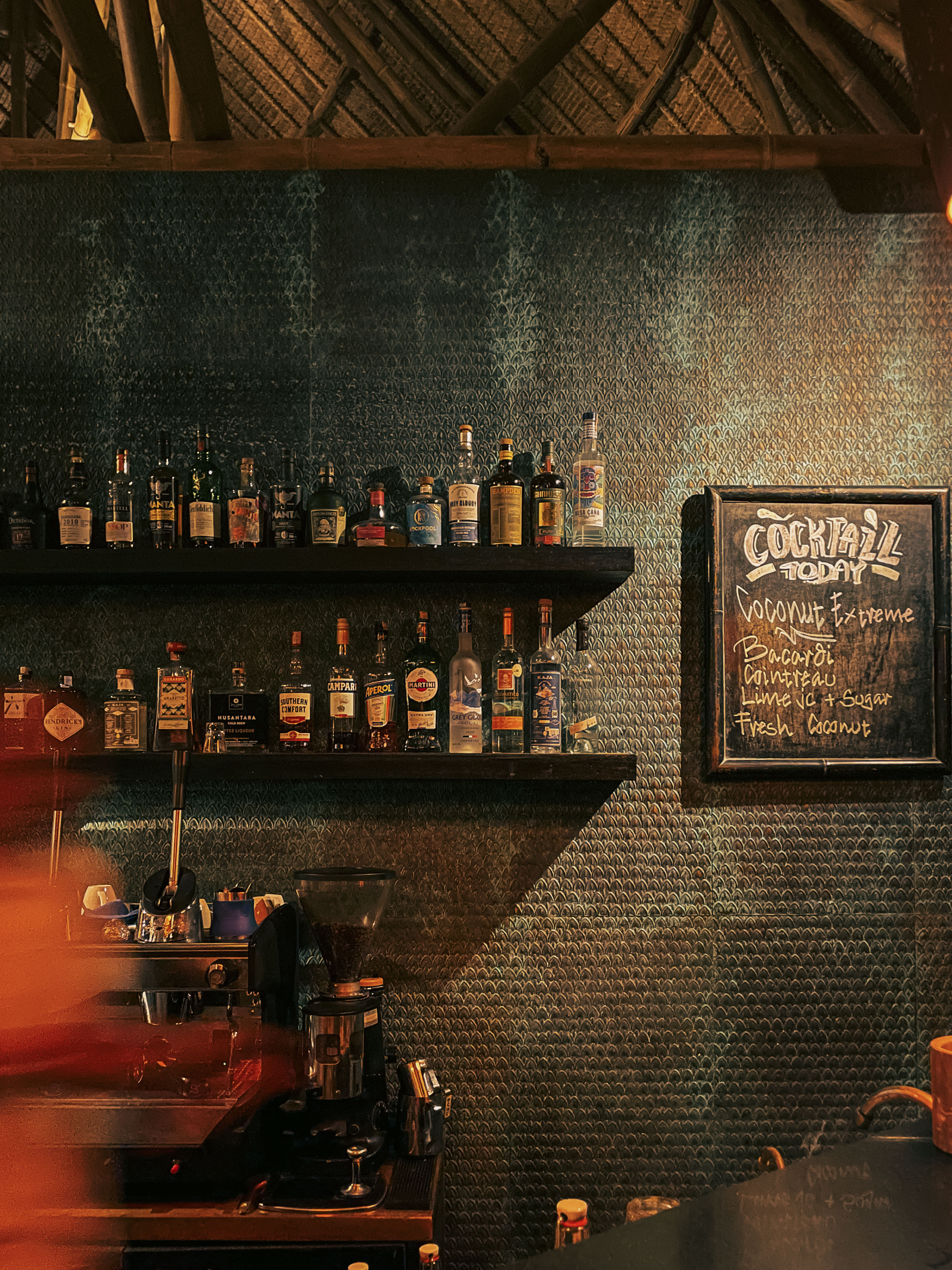
Pak Marjan, Cempedak’s general manager, joined us too, sharing stories about how the island was built and the philosophy behind it. He told us that Cempedak has a mission to harmonise the environment, community and culture – something that can be seen in its employment of mostly locals from nearby islands, and its choice of bamboo as the resort’s main building material, which is fast-growing and far more sustainable than hardwood trees that take decades to mature. The team is also committed to protecting the sea by prohibiting fishing and hunting of exotic animals like dugong.
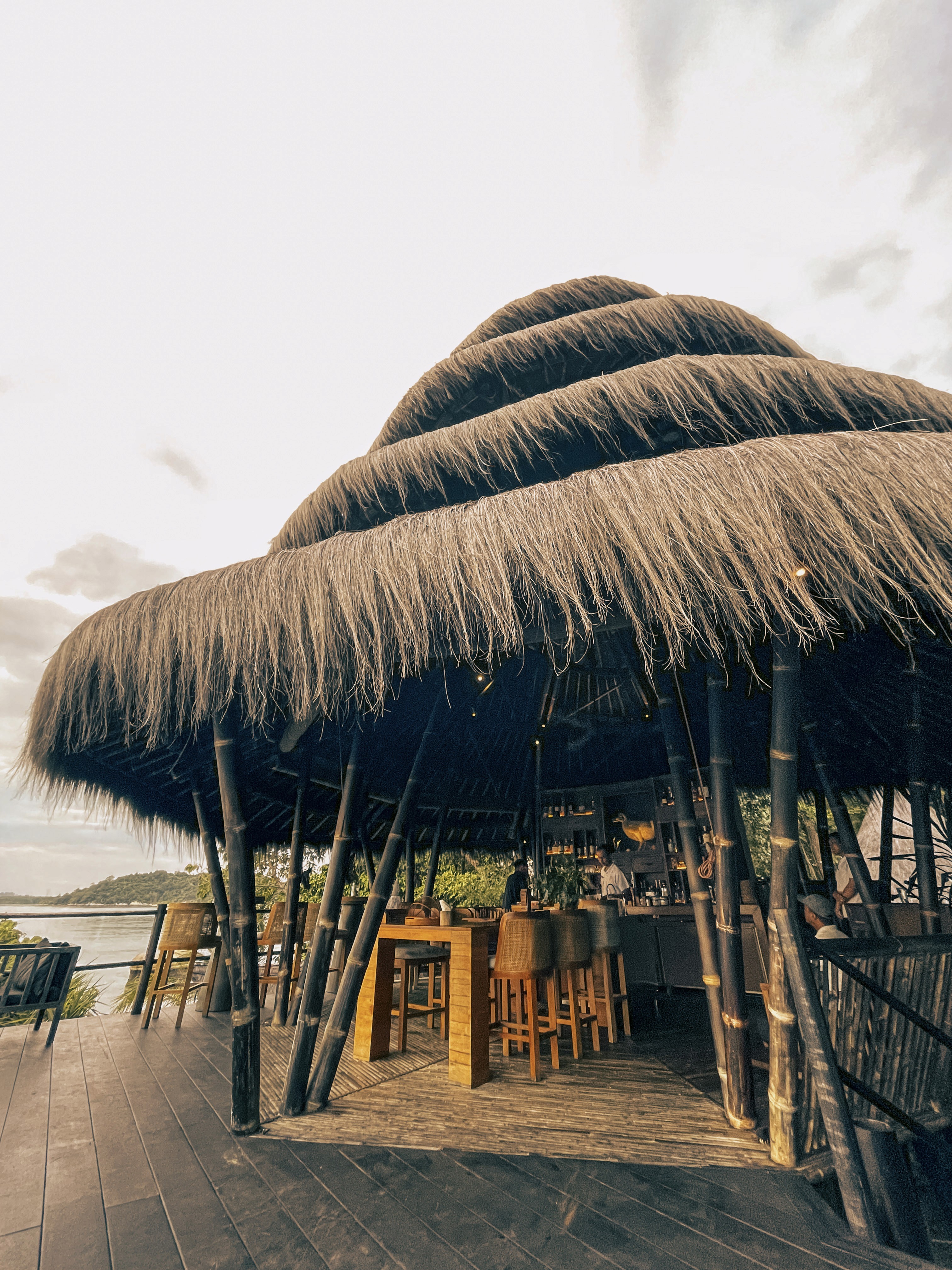
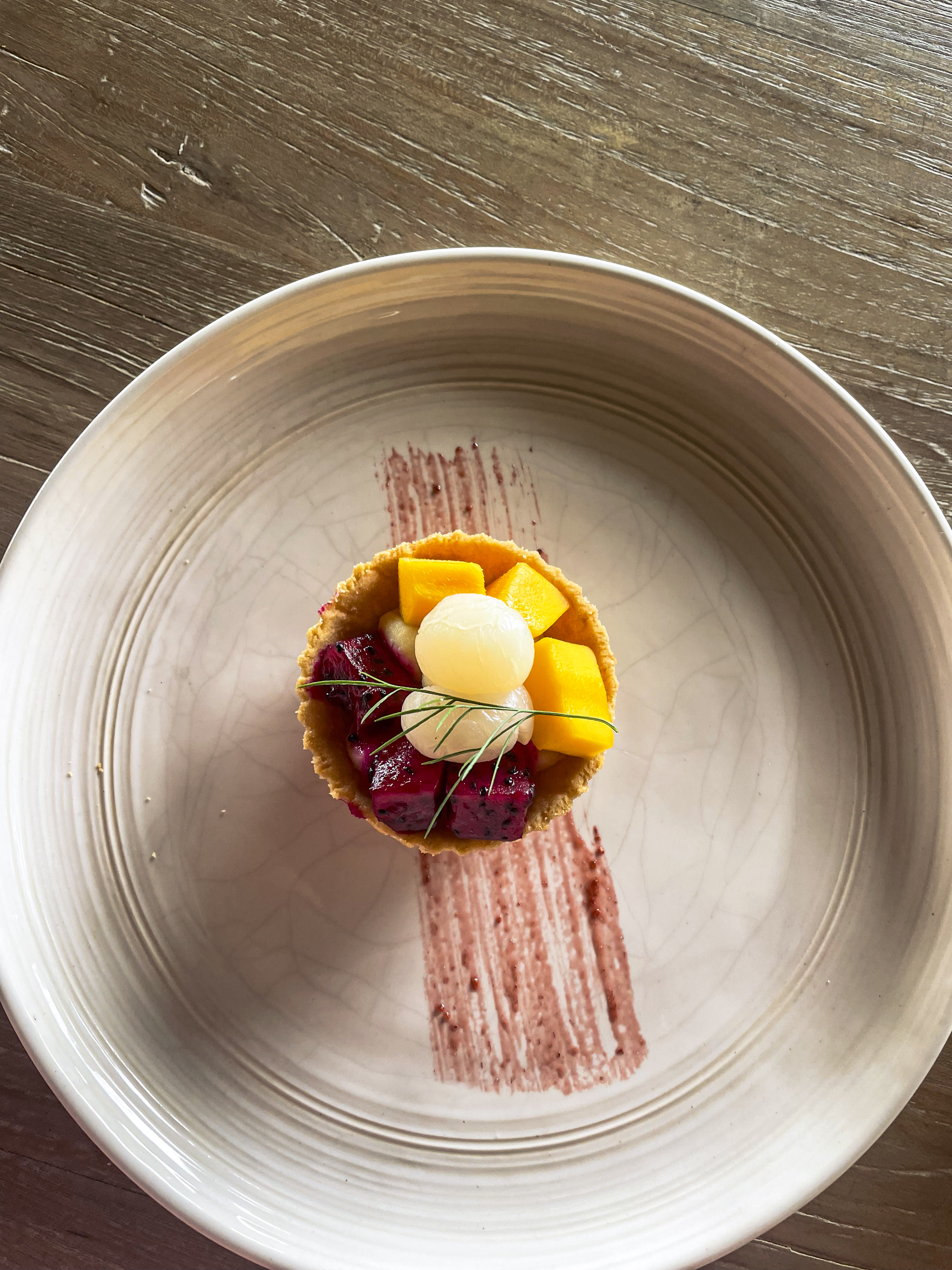
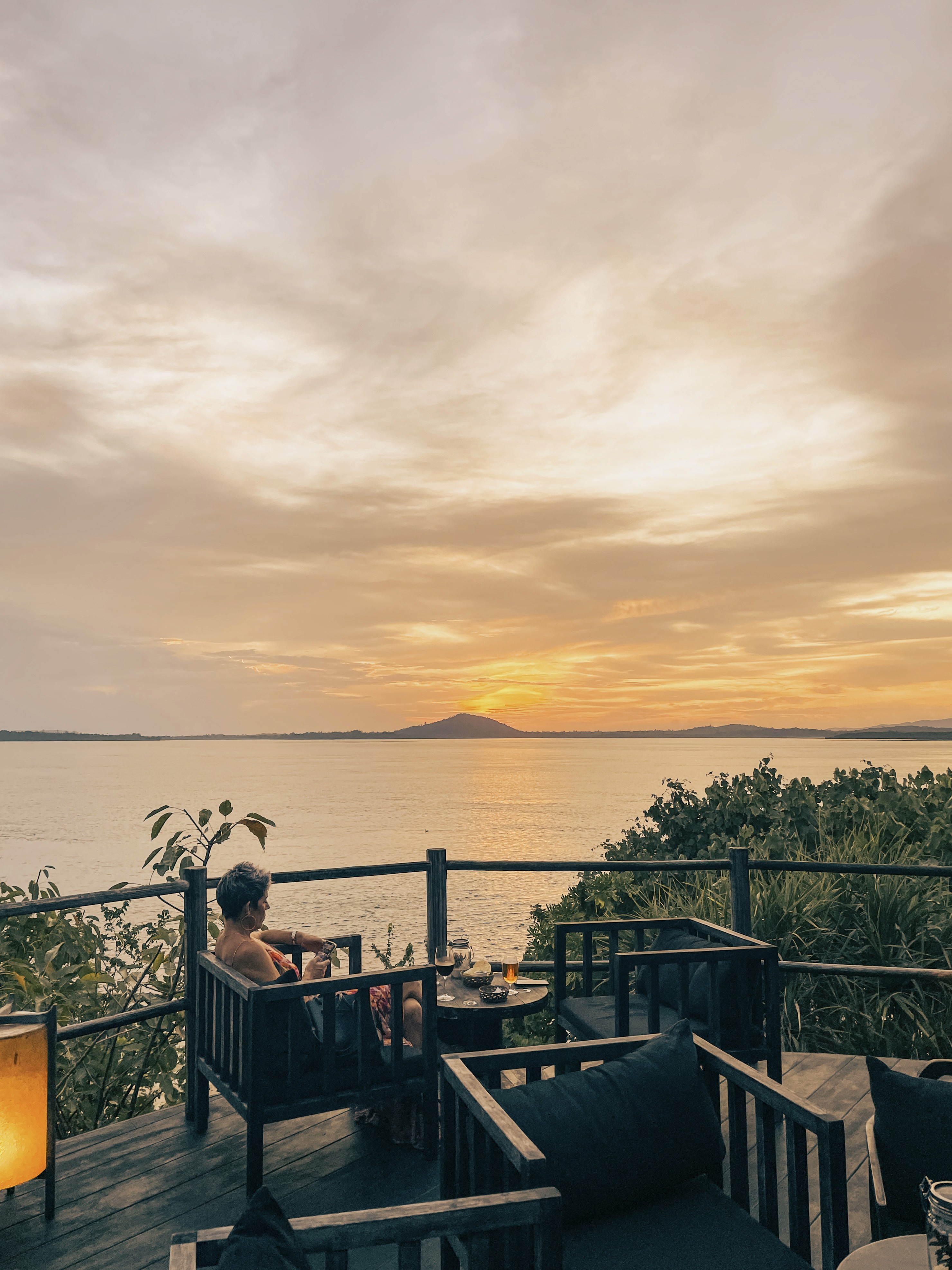
Another day, I struck up a conversation with Australian guest Prue at the pool bar after we’d gone on a nature walk.
It just felt so refreshing to connect with people naturally and randomly throughout the trip – something we don’t often do enough of in busy cities these days.
When it was time to leave, I found myself walking slower and breathing easier. I’d barely used my phone the whole time – even with so many photo-worthy moments surrounding me.
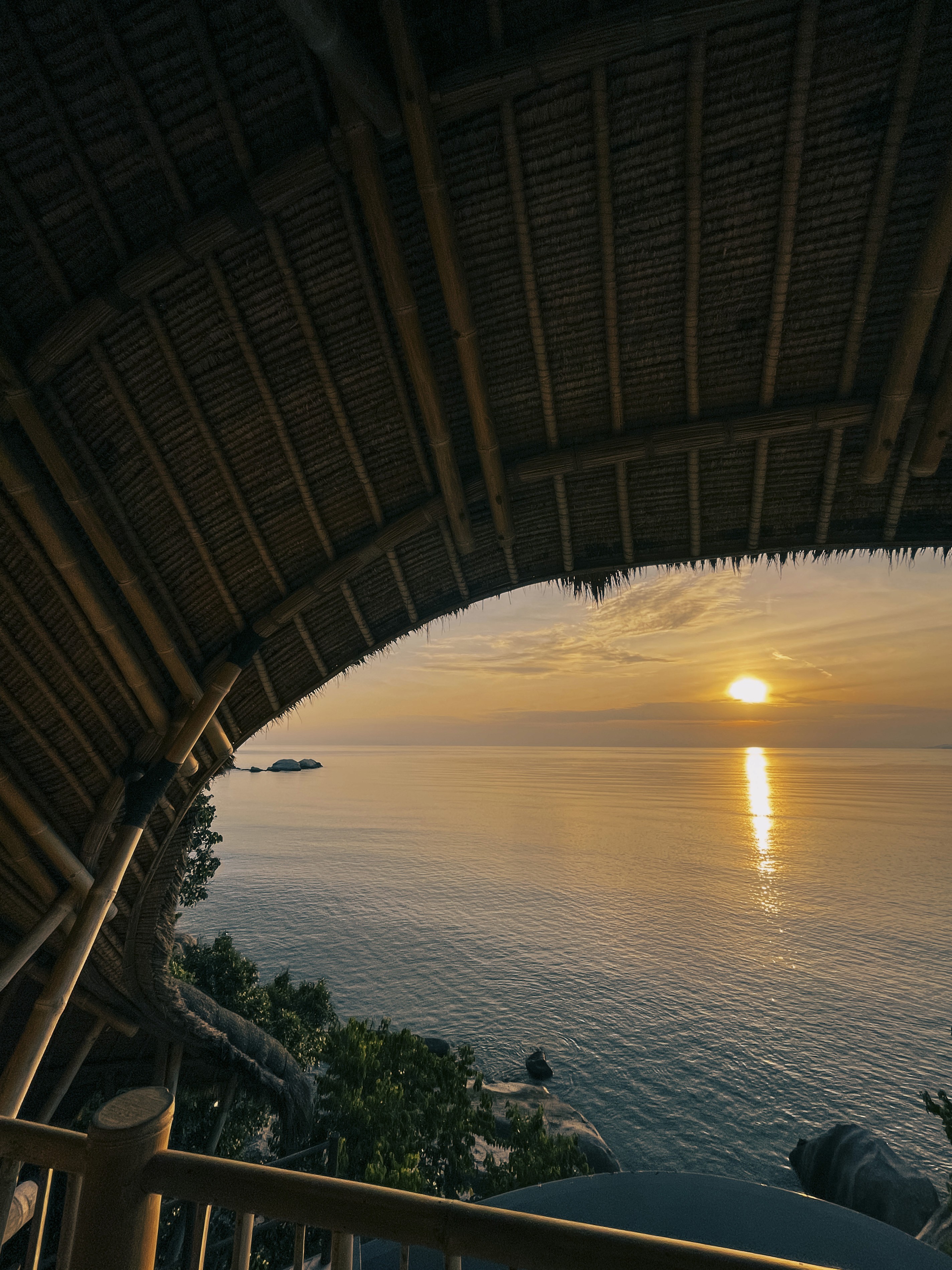
Cempedak did what the months of me trying couldn’t: it slowed life down so I could catch up with myself. And it sent me home with the very real reminder that luxury isn’t about more things, but less noise.
Yuni travelled as a participant in the first edition of Eastside's Young Writers Residency, a collaboration with Cempedak Private Island. The ongoing program aims to offer mentorship and travel opportunities to young creators from Asia, and support them in producing published work for their portfolio. To become a sponsor for the program, email hello@eastside.asia. You can also find out more about the residency and read an interview with Yuni about her experience here.