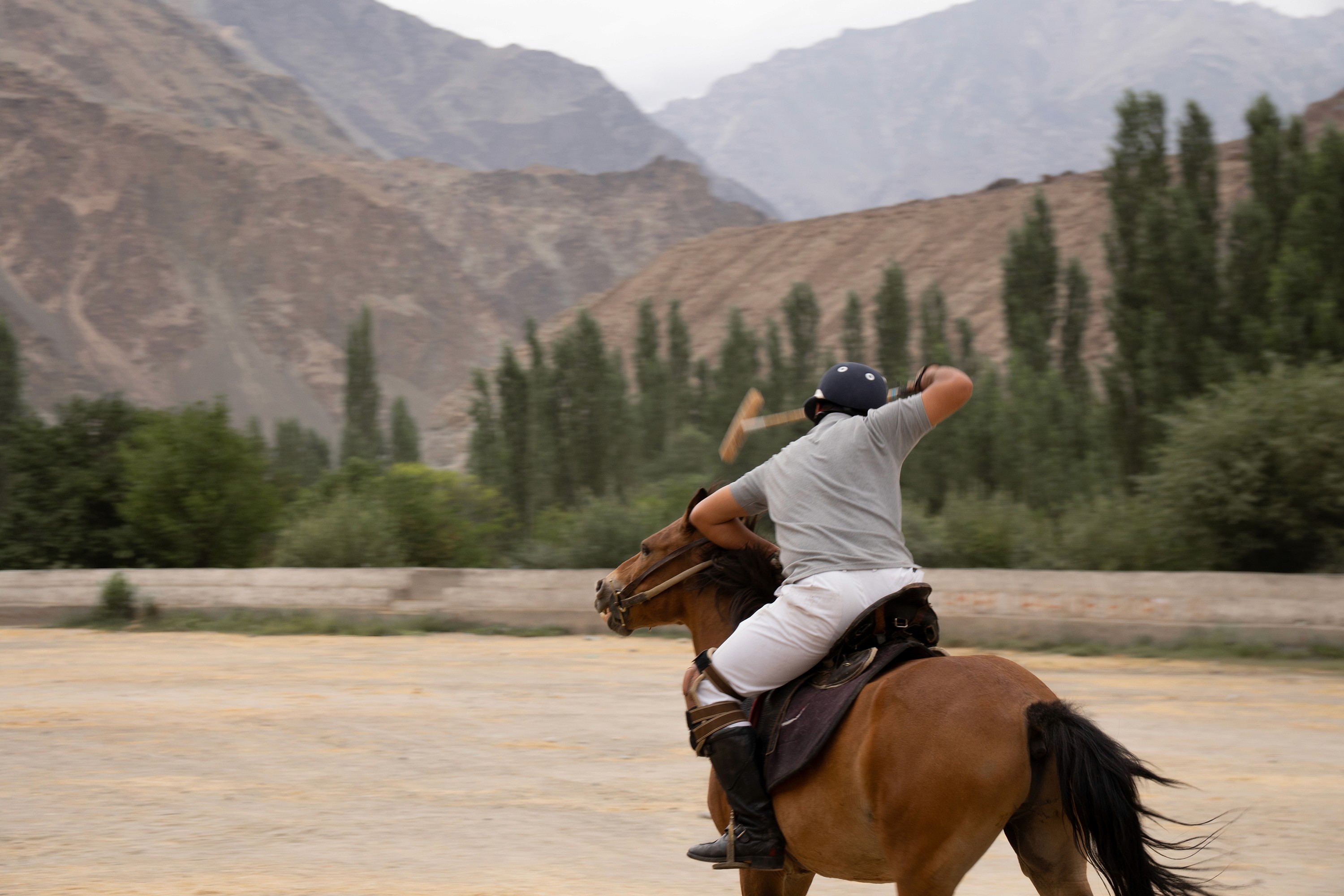
Beaches. Rice terraces. A gentle, docile beauty. For over a century, this is the Bali that has been seen through a lens crafted largely by outsiders – a romanticised version born from early 20th-century colonial ethnography and spread through canny tourism marketing.
✦
In this vision, the local community has all too often been cast as caretakers of a museum rather than the vibrant creators of a living, evolving culture.
But now, something is shifting. Across the island – my adopted hometown for over a decade – a passionate grassroots movement is taking shape, led by artists, writers and cultural practitioners who are creating new platforms for self-definition.
These aren’t just reactions to the overtourism that plagues Bali, but confident declarations of what it means to be Balinese today.
Take Nuturang (Balinese for 'to narrate a story'), an intellectual and social incubator based in Denpasar. Founder Bandem Kamandalu explains that the initiative grew from something he kept noticing: in Bali, "culture" is often understood primarily through art, as if culture were limited to just that. Another concern was the gap in knowledge about religious traditions – most elders, he says, can only explain their purpose as “nak mula keto” (it’s just the way it is).
Nuturang, then, is dedicated to sharing context about Balinese culture from the perspectives of archaeology, anthropology and history, through presentations, walking tours and other programmes.
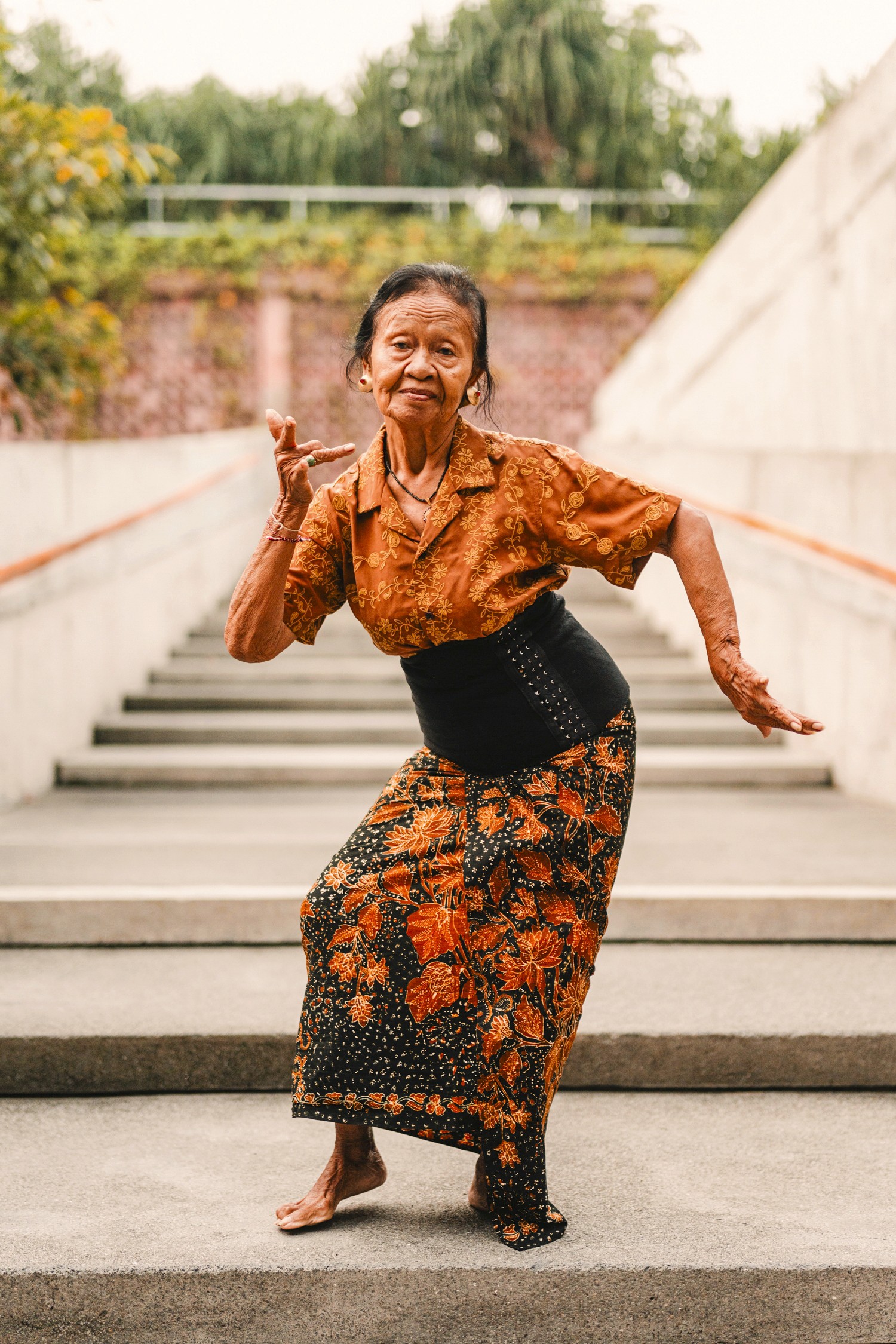
Lead photo: Potato Head. Above photos: Citra Sasmita, Nonfrasa Gallery, Potato Head
Reframing through art
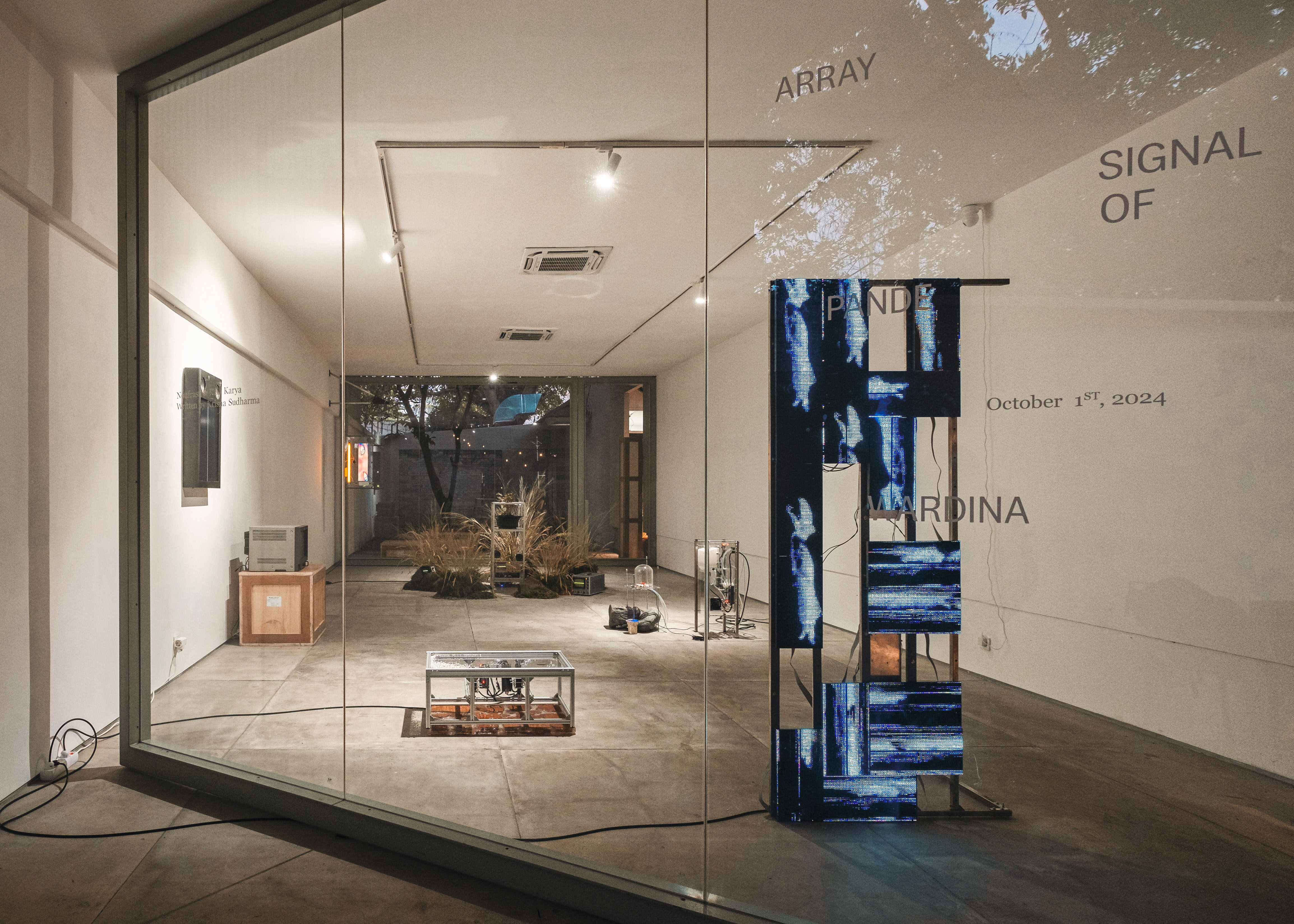
The island’s visual and performing arts scene is transforming too, and it's exhilarating to witness. Spaces like Nonfrasa Gallery are nurturing a new generation of Balinese artists whose challenging, often socio-political work adds to this important dialogue.
Located in Ubud, the gallery has hosted influential events from Jakarta to Italy.
Walk into one of its exhibitions and you’ll find something quite different from the familiar glossy aesthetics marketed to visitors – themes such as identity, the tourist gaze and environmental distress are tackled with disarming frankness.
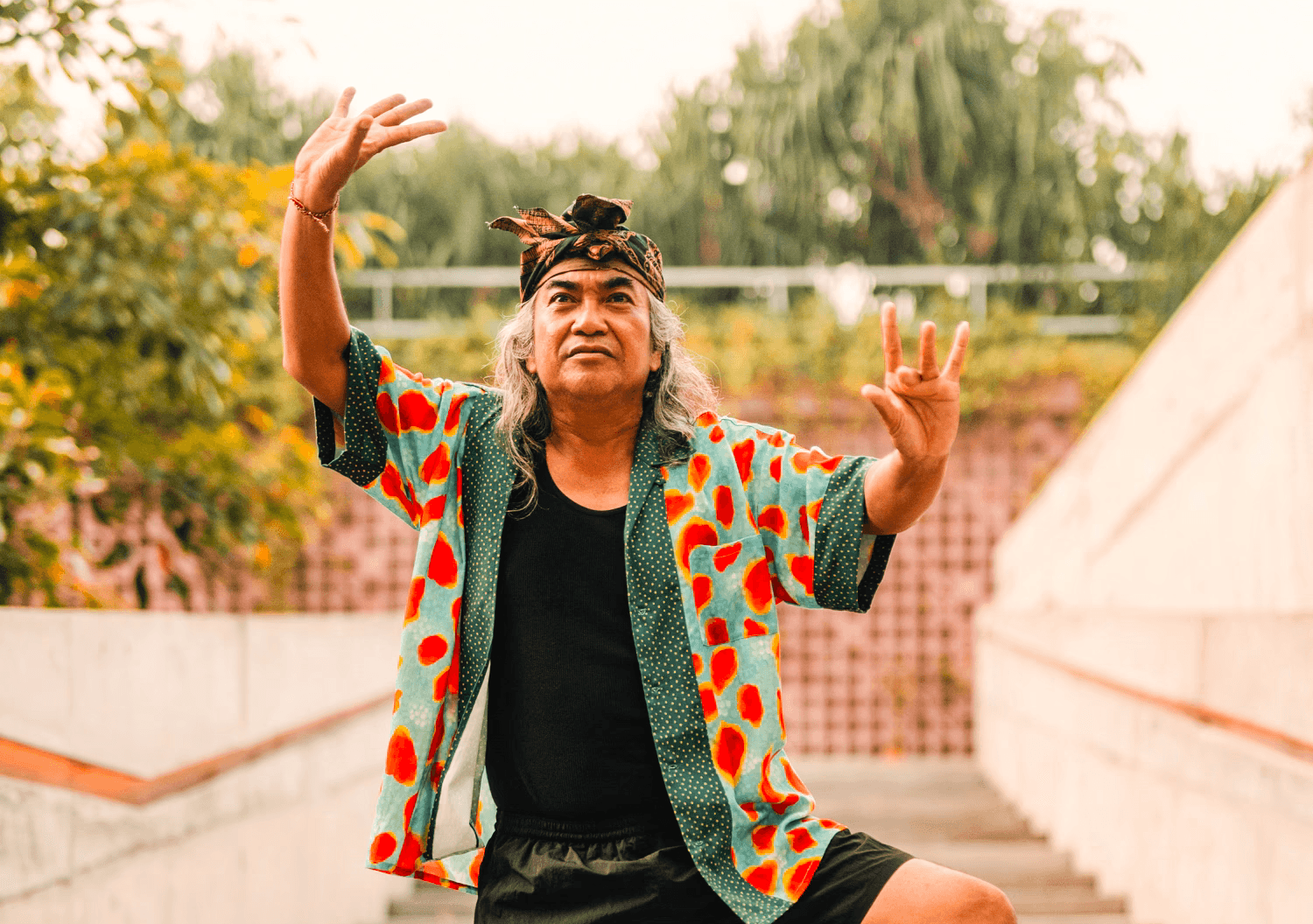
In the art-rich district of Sukawati, Bumi Bajra is deconstructing and repurposing traditional dance forms into unique sonic and visual narratives that reflect contemporary Balinese life. The dance and music collective’s intergenerational approach also helps engage local youth by offering them a platform for self-expression.
Then there’s Citra Sasmita, whose canvases – shown at London’s The Barbican, Art Basel and Frieze New York – are radical acts of reclamation of the male-dominated Kamasan painting style. The self-taught female artist deliberately subverts and reinterprets ancient Balinese mythologies and folklore, particularly those centred on female archetypes, and empowers figures that have historically been minimised or domesticated.
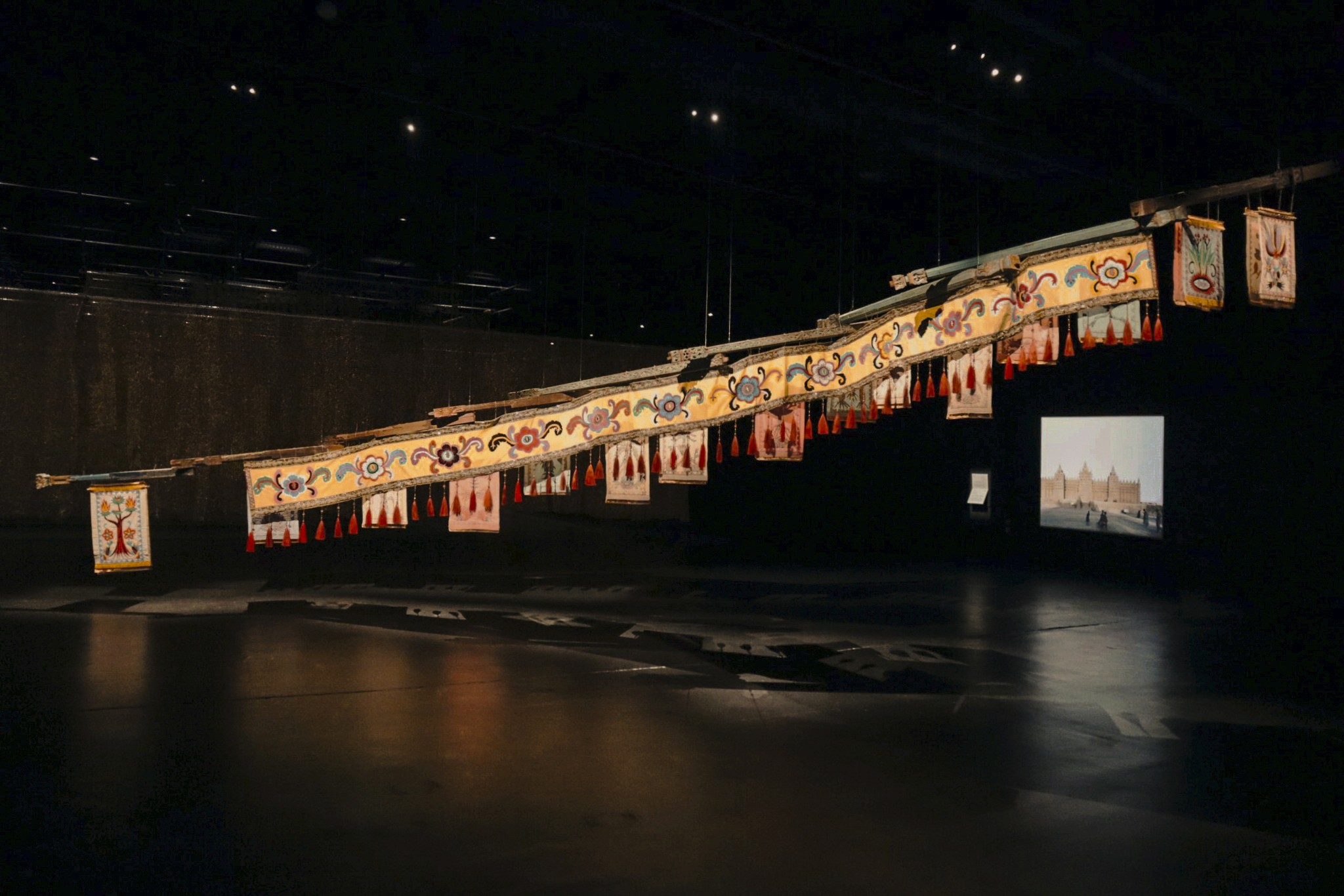
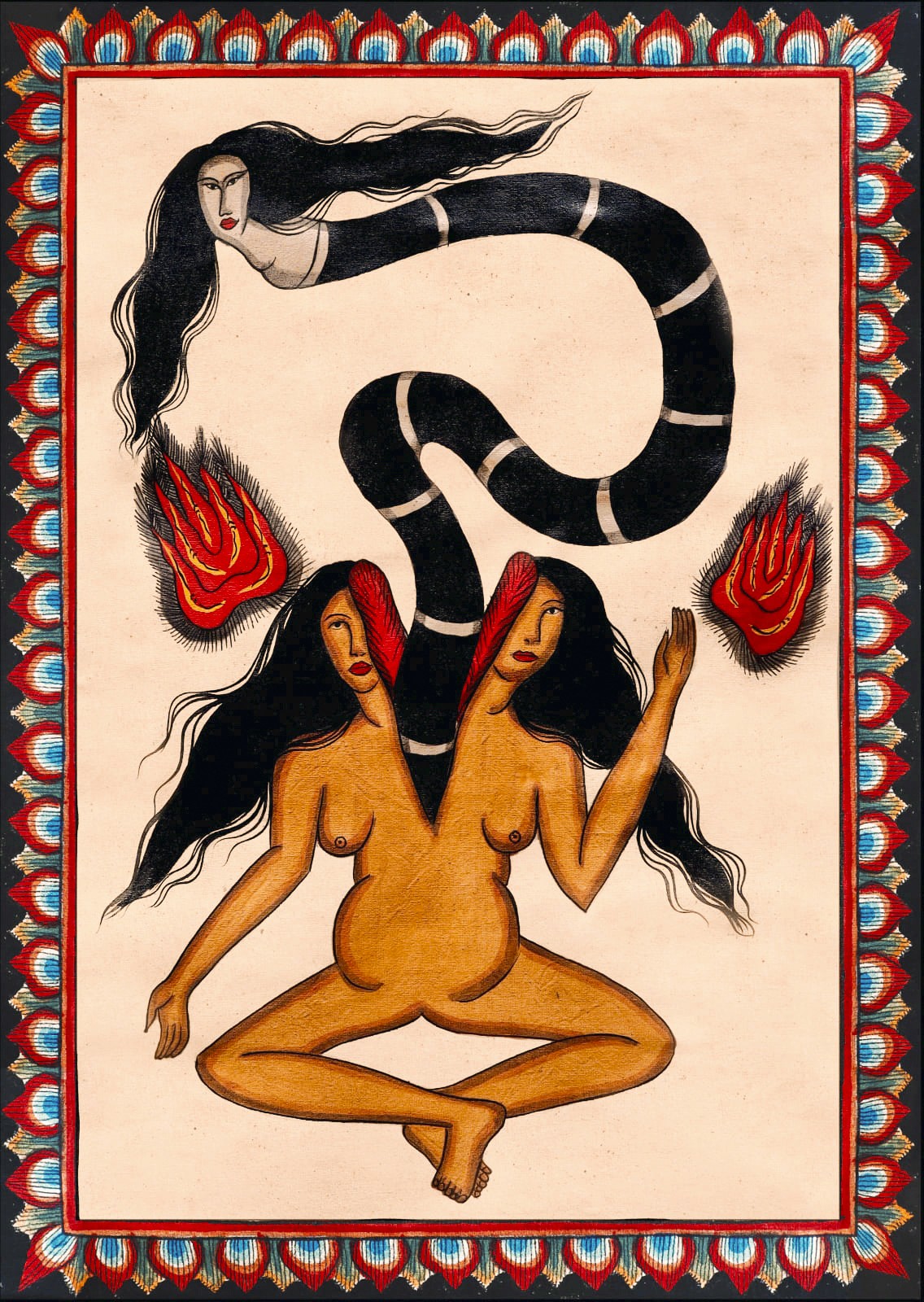
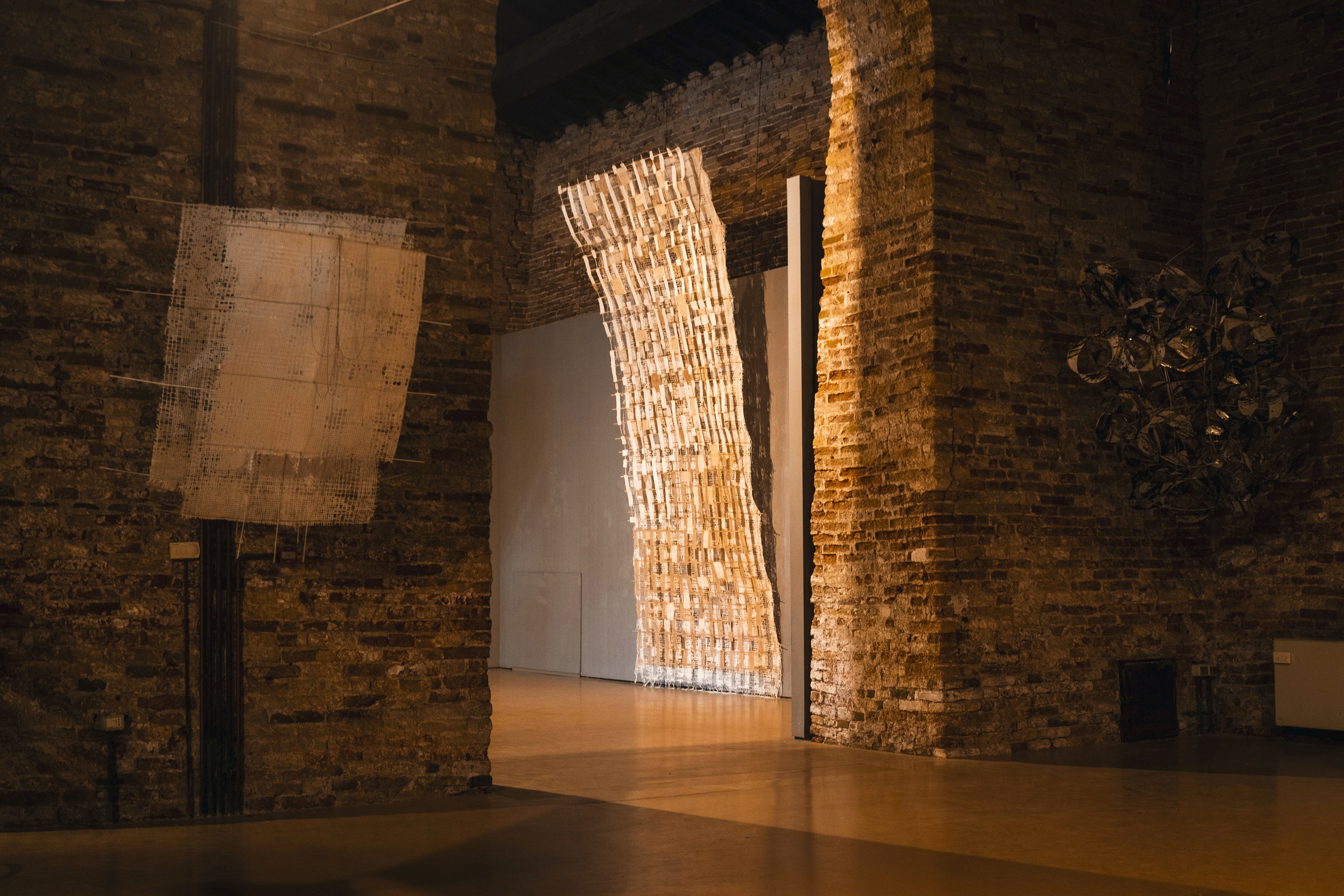
Photos: Citra Sasmita (left, middle), Nonfrasa Gallery (right).
Citra also has a poetry collection, The Book of Fire, where she establishes female protagonists in mythological stories.
Her art is a powerful, visual argument for the decolonisation of the mind.
A historic homecoming
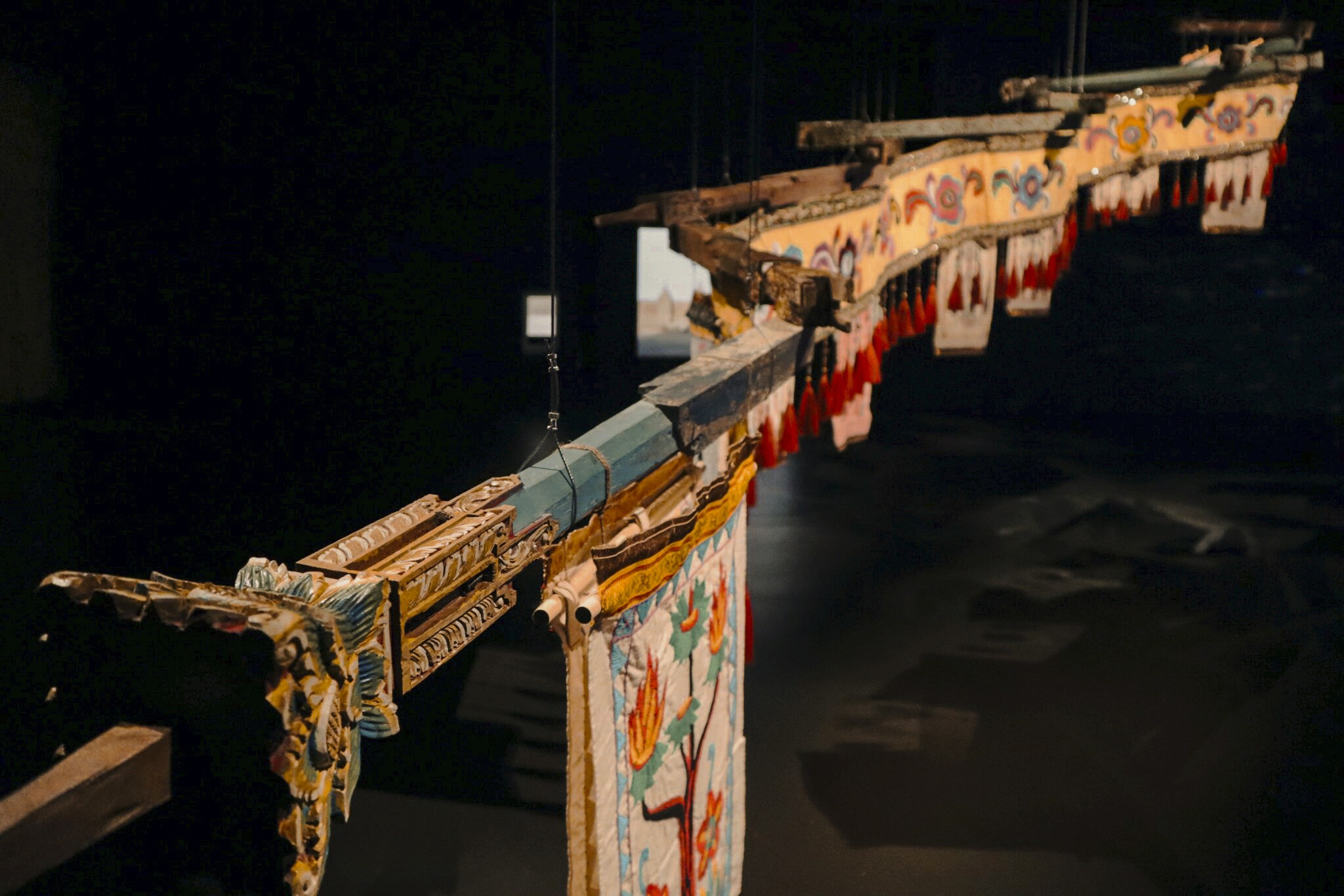
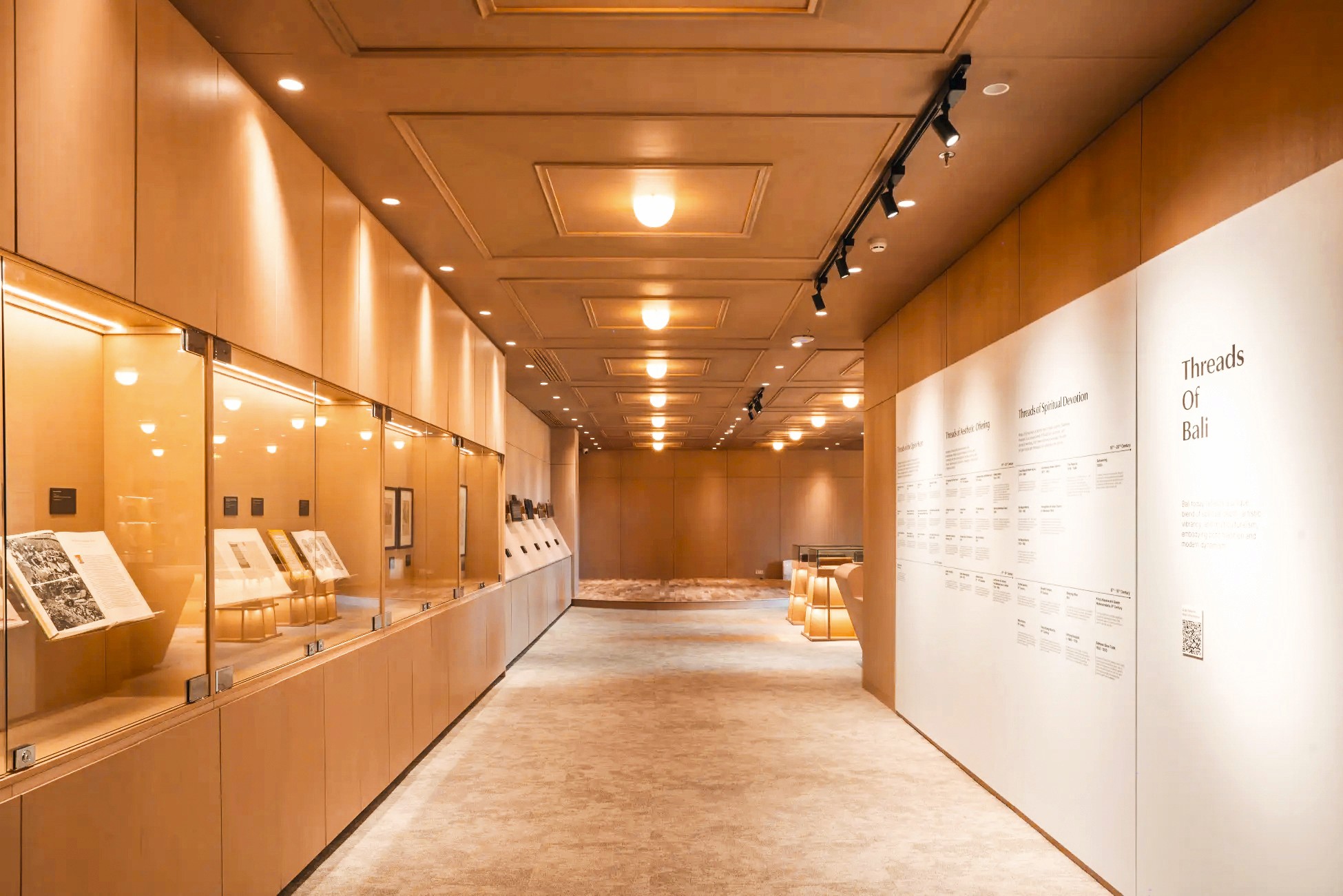
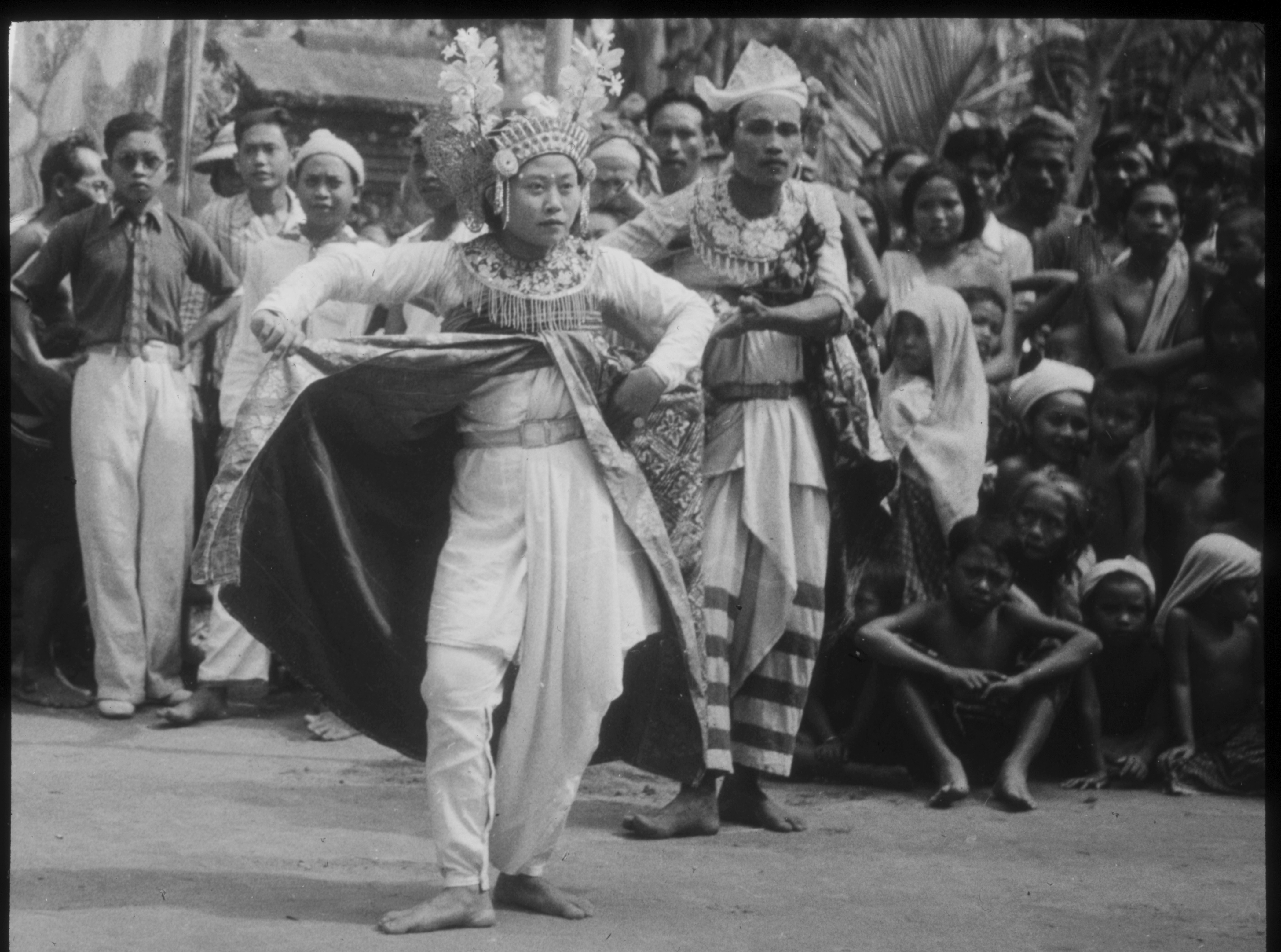
But perhaps the most moving symbol of the island’s cultural reclamation is the sustained effort around the Bali 1928 repatriation. Initiated in 2003 by individuals committed to historical integrity, the ongoing process focuses on bringing home the vast collection of Balinese cultural artifacts – from ancient palm-leaf manuscripts called lontar to ritual objects and artistic works – that were collected, often under duress or questionable circumstances, during the colonial period and are now housed in Dutch museums and institutions.
It’s a project that’s not just about bringing objects home, but about restoring historical continuity and physically re-embedding ancestral knowledge back into the community.
These artifacts, once merely curiosities in foreign collections, effectively become catalysts for cultural renewal upon their return.
Since it began, the effort has facilitated the return of several significant collections, including hundreds of photographic plates and thousands of digitised audio and film recordings, restoring vital archival records to Bali.
Marlowe Bandem, the project’s manager and executive advisor to the SAKA Museum, a museum dedicated to Balinese Hindu culture and traditional crafts, says: “Bali 1928 pushes Balinese culture forward, demonstrating that looking back can be a way of opening new aesthetic and intellectual paths, rather than merely preserving a fixed past.
“In this sense, repatriation is both healing – repairing some of the fractures and displacements of colonial collecting – and generative, offering new ground for experimentation and imagination.”
As ever more people visit Bali, this new generation of venues and collectives are becoming critical communicators of contemporary Balinese identity. They’re showing that Bali and its taksu (soul) aren’t a product to merely be consumed, but a civilisation to be engaged with on its own terms.
Today, the future of Bali is being written, not by tourism and hotel brochures, but by the thoughtful, defiant hands of Balinese creators.

Photos: SAKA Museum, Bali 1928, Nonfrasa Gallery
Where to go to experience Bali’s cultural reclamation
Bali 1928
Find out more here
View collections in the SAKA Museum and occasionally at Desa Potato Head Bali
Bumi Bajra
Find out more here
Visit the community at their Sukawati premises
Citra Sasmita
Find out more here
View Citra’s work at Singapore Art Week from 22 to 31 January 2026
Nonfrasa Gallery
Nuturang
Find out more here
Nuturang hosts public discussions, walking tours, and workshops across different locations in Denpasar, Bali
SAKA Museum