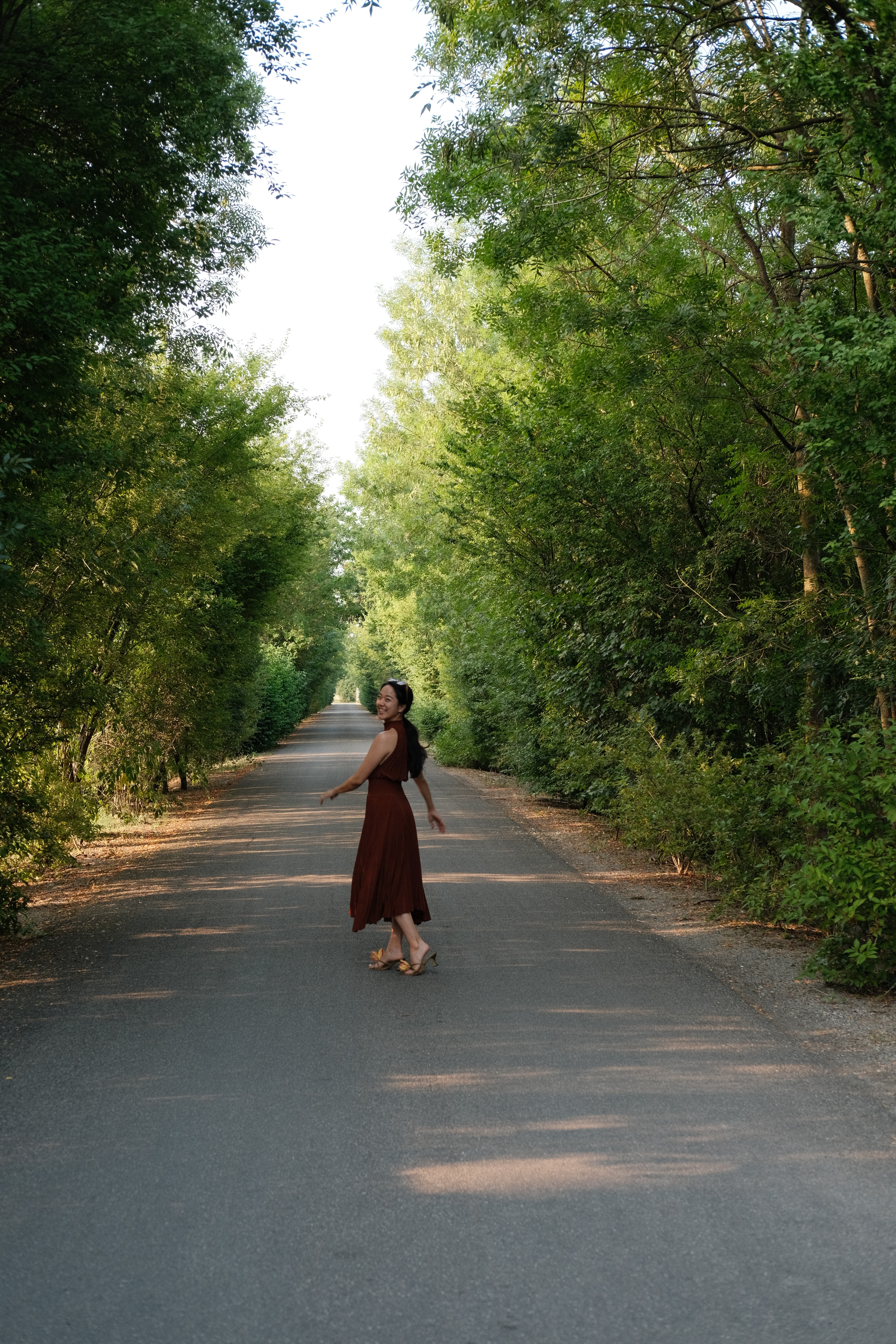
My childhood was spent traversing Happy Valley’s laneways. Going to school on Blue Pool Road, ballet class on Wong Nai Chung Road, piano lessons on Shan Kwong Road. This little inland pocket of Hong Kong island contained my whole life.
✦
As I grew up, my world expanded. And I ventured out, as one does. I made new friends, tasted exotic flavours, and stood in the shadows of grand structures. My passport was full, but my heart yearned still.
Maybe it was the nostalgia, but I found myself drawn back into the cosy embrace of the neighbourhood. A little more than a decade later, I moved back to Happy Valley, rediscovering old haunts and experiencing new ones.
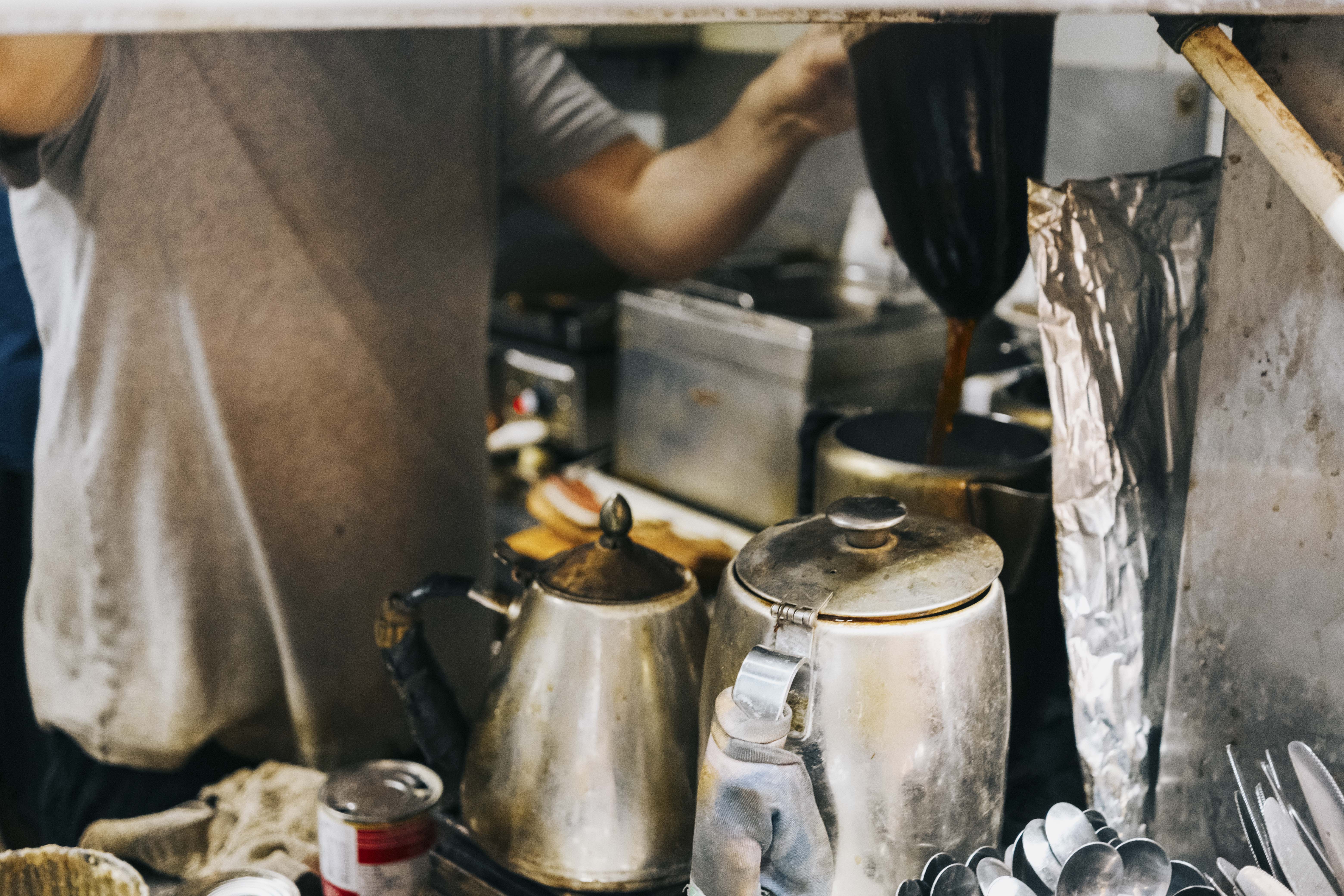
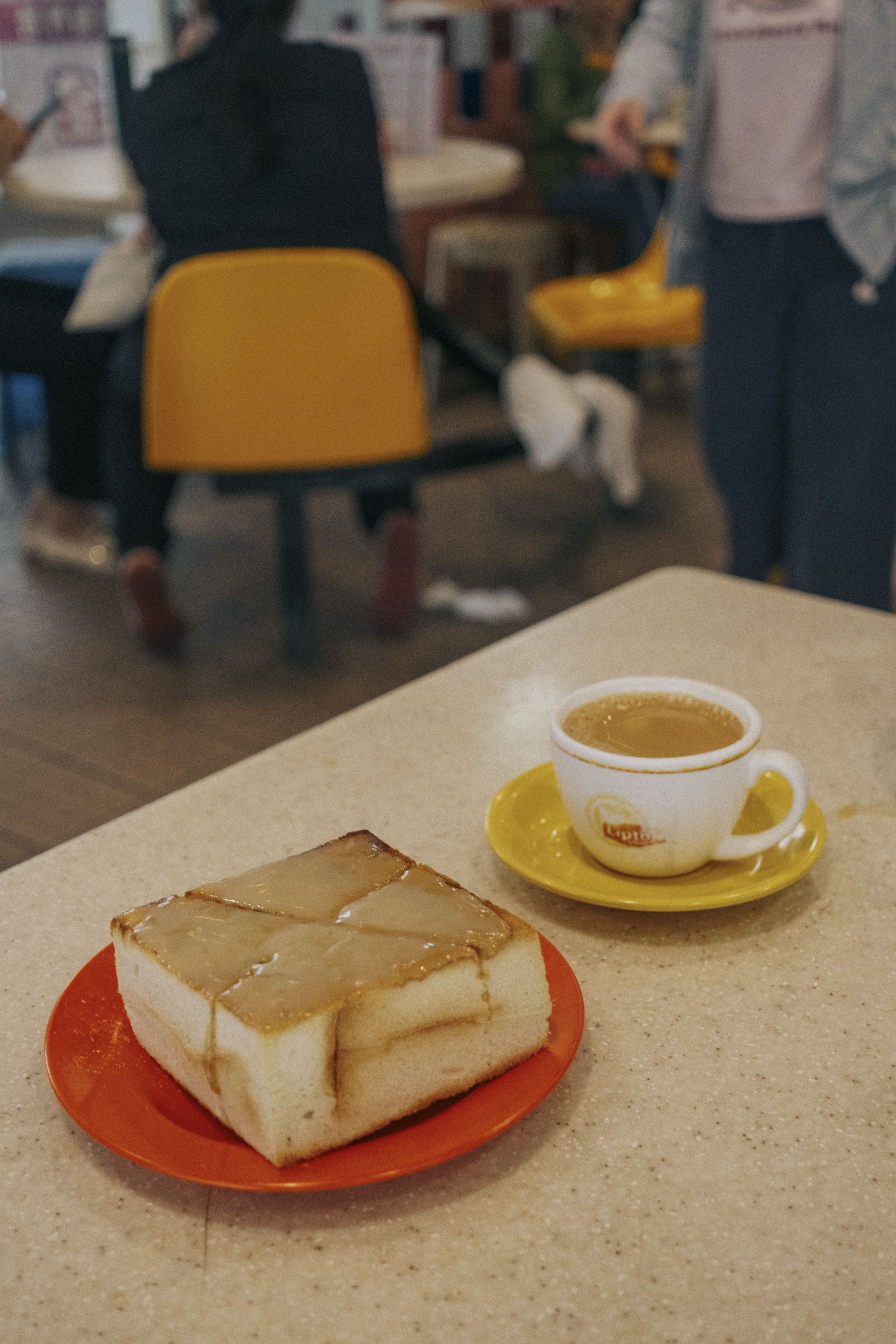
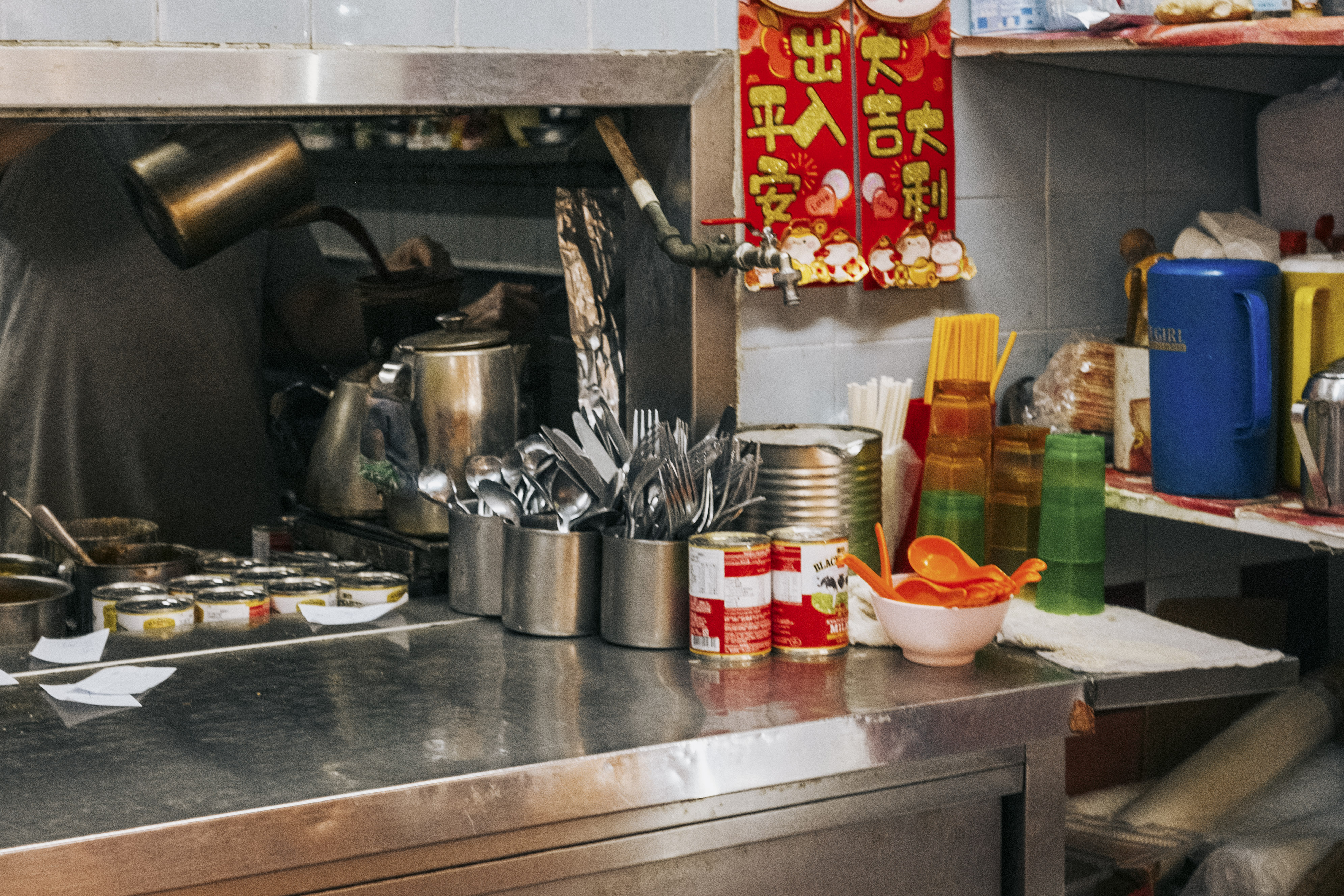
My favourite memories of Happy Valley are tied to the food. Breakfast and tea time at Cheong Kee (昌記) were always highlights. Run by the same owner since 1996, the humble cha chaan teng, or Hong Kong-style diner, is located on the second floor of the wet market.
The menu is simple, available only in Chinese: a carb base of noodles, macaroni or bread, topped with your choice of eggs and/or a variety of meats, mostly preserved. The drinks list offers the local diner standards: Ovaltine and lemon tea, almond milk and honeyed watercress.
My usual order consists of eggs and luncheon meat with instant noodles (the local kind), silky milk tea served hot in a chipped ceramic cup, and a side of their famous thick-cut toast – a glorious 5cm tall – slathered with peanut butter and condensed milk.
Photos: Nicole Hurip
I had my first covert sip of coffee with my grandma there. I wasn’t allowed caffeinated drinks yet, but the tall glass of iced coffee looked divine in the summer heat. (Local diner coffee is usually made from powdered concentrate, mixed with evaporated milk and sugar or syrup.)
Mild and sweet, it was the best thing I had ever tasted in all my 12 years.
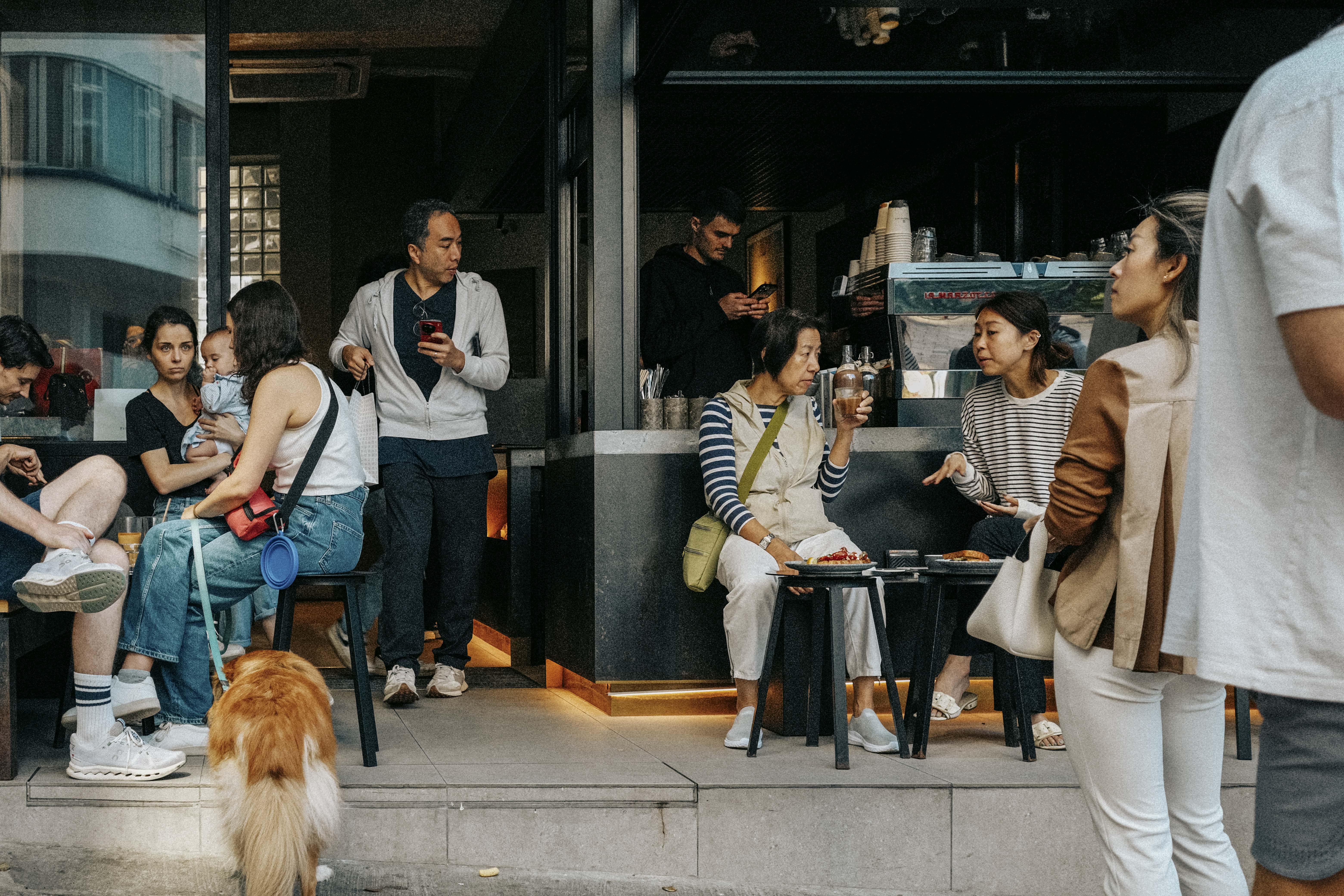
My taste in coffee has evolved since, and I now prefer the more complex flavour profile of freshly ground beans. FN Roastery makes a great flat white in a mid-century modern space, best enjoyed with one of its sourdough bagels or a sweet treat. There are pasta and salads, too, made with greens and garnishes grown hydroponically right in the cafe.
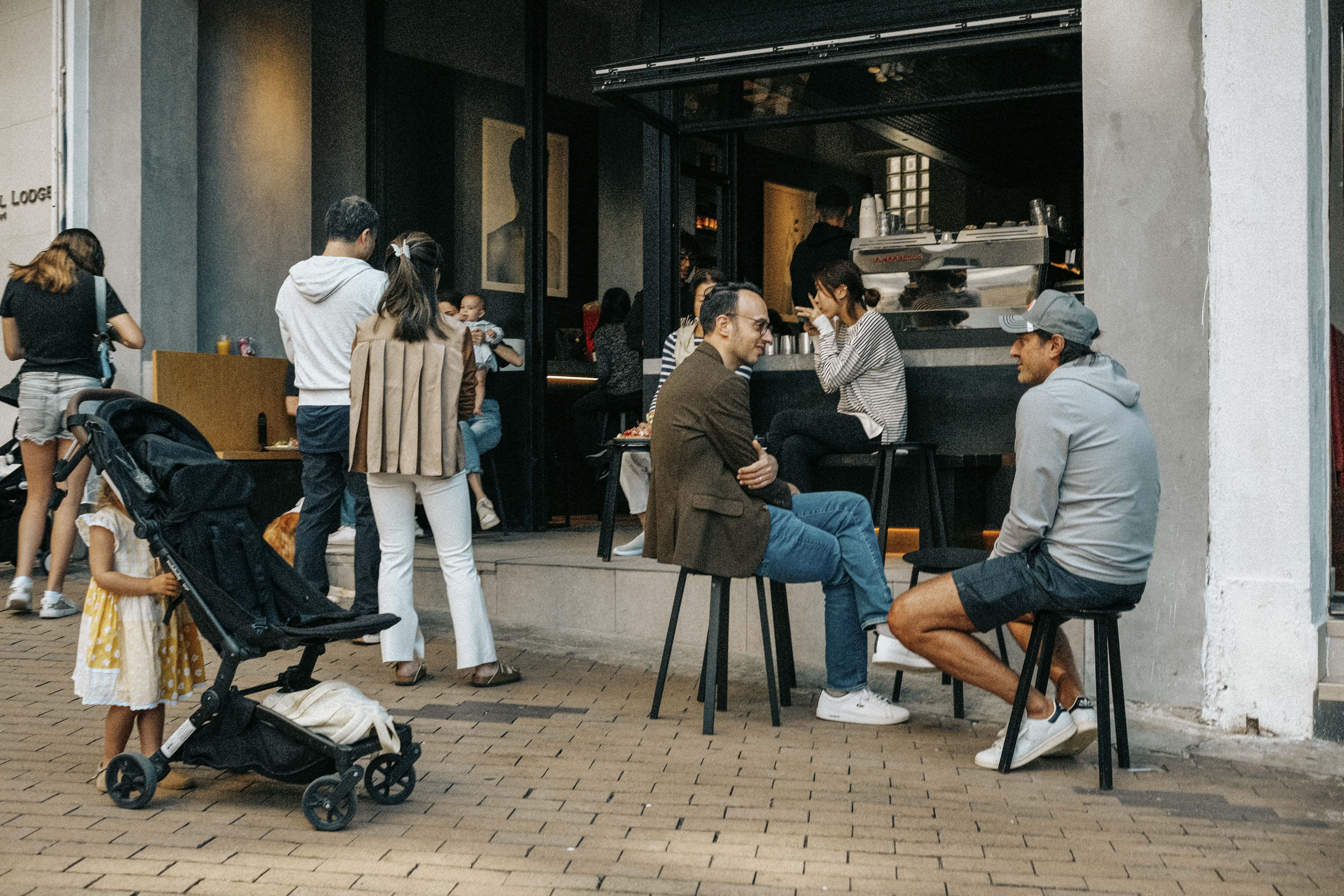
Then there’s Reaction Coffee Roasters, which roasts their beans locally – you can buy their specialty blends or enjoy their brews in-store. Coffeelin and Fineprint are also in my regular rotation, for people-watching and meeting the neighbourhood dogs.
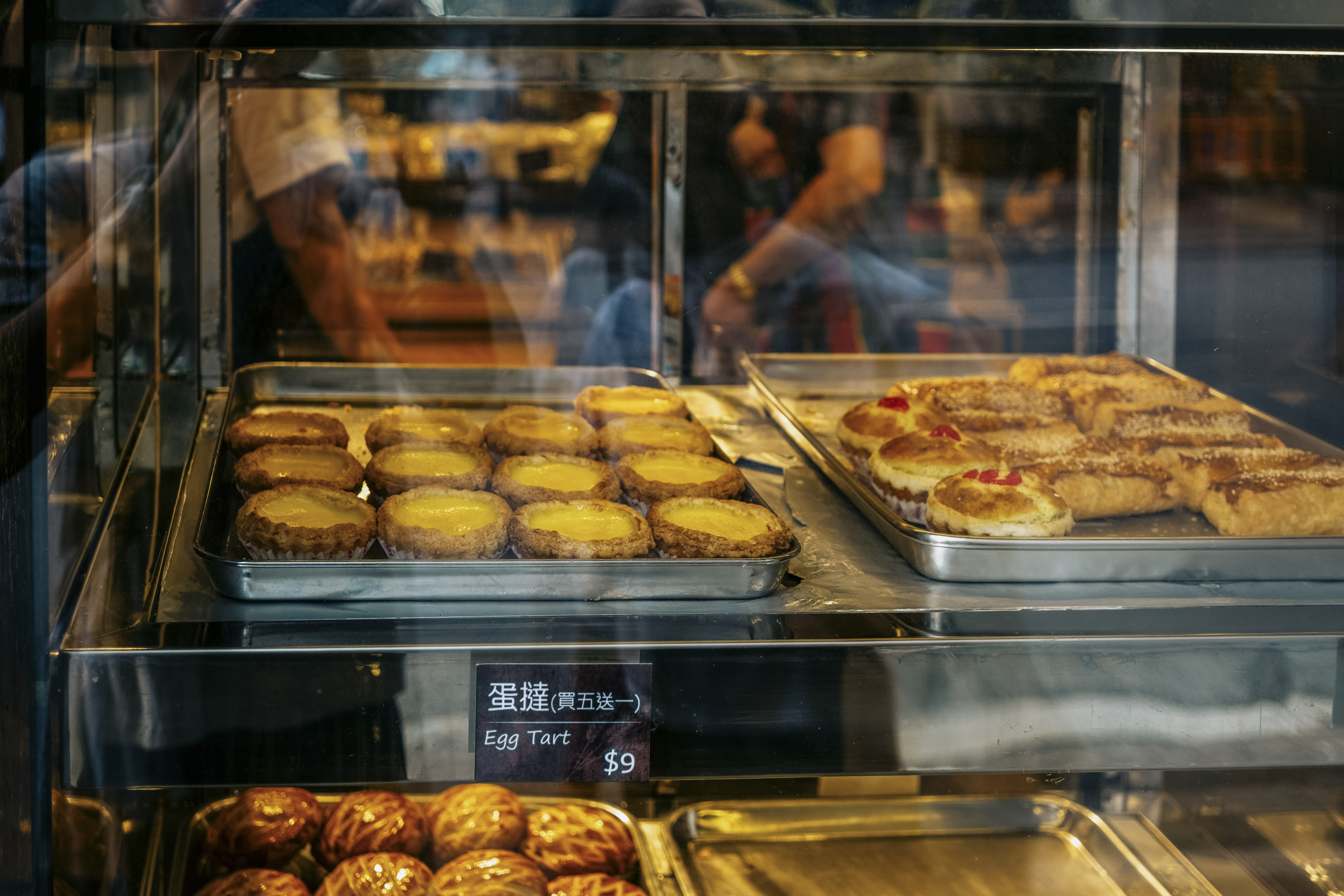
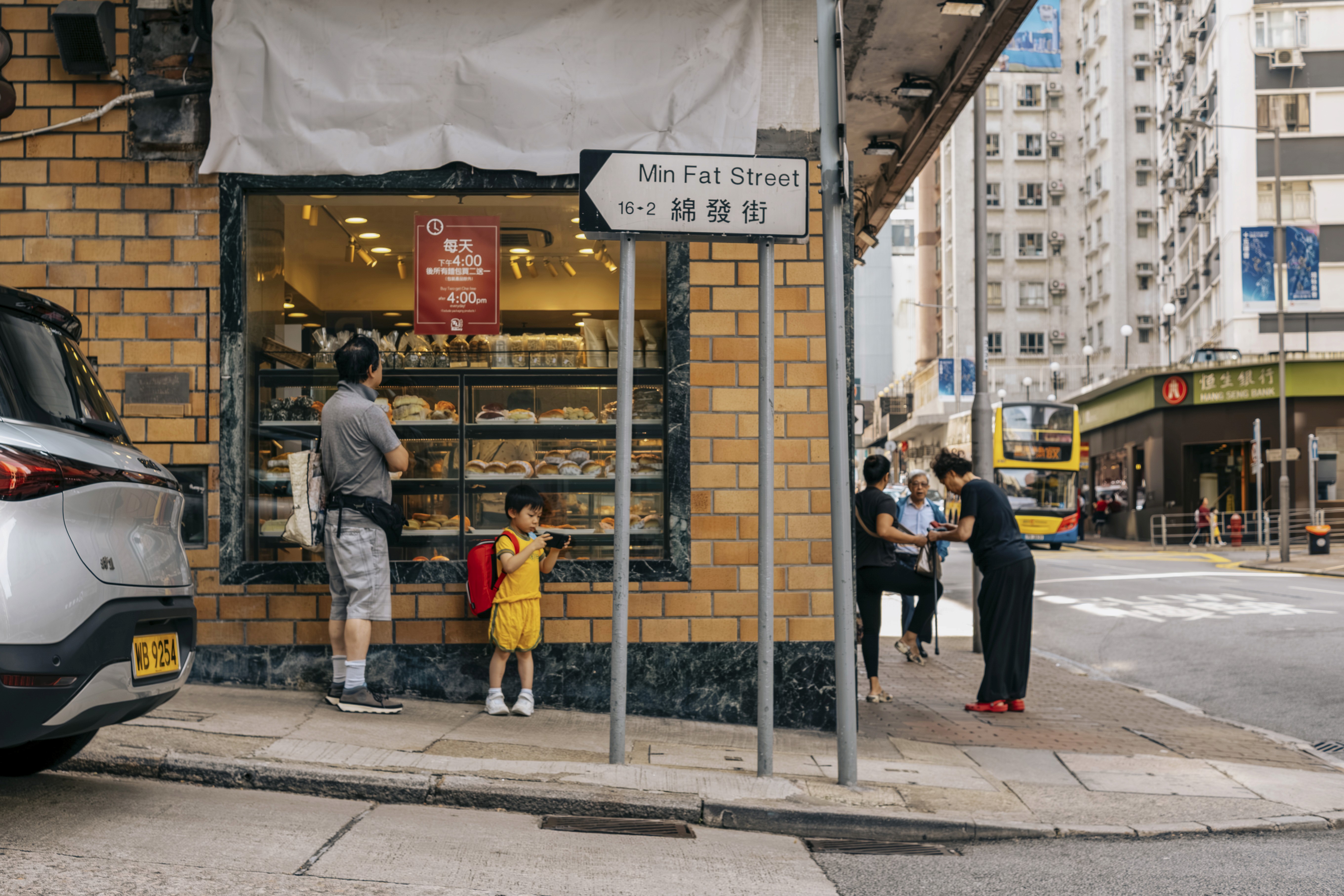
Sausage buns from King’s Bakery were a standout for me as a child. Today, the shop has been replaced with Tin Lok Bakery (天樂烘焙), but what it offers remains nearly the same: fluffy Hong Kong-style buns and pastries like egg tarts and chicken pies.
Tucking into a freshly baked shortcrust egg tart from the tiny Fresh Wheat Bakery (美麥多包餅屋) after Kumon class is also one of my core memories, and the snack remains a superior afternoon treat. I am also partial to Proof, an artisan sourdough bakery peddling flaky croissants and baguettes baked fresh every day.
Photos: Nicole Hurip
Another quintessential dish, fish ball rice noodle soup, featured prominently in my diet as a child. My mother and I would have it together at 合隆麵家魚蛋大王 (Hop Lung), a literal hole-in-the-wall that proclaimed itself the “king of fishballs”.
While Hop Lung didn’t survive the test of time, the dish remains one of my go-to comfort foods when I want something light, quick, and satisfying. Today, I enjoy a good bowl at Sun Cheong Ming Restaurant (新昌明食店) down the street.
What these traditional noodle shops lack in service and ambience, they make up for with flavour and value-for-money. And each shop has its own distinct style of chili sauce, usually homemade, though my mother prefers hers with a big splash of red vinegar.
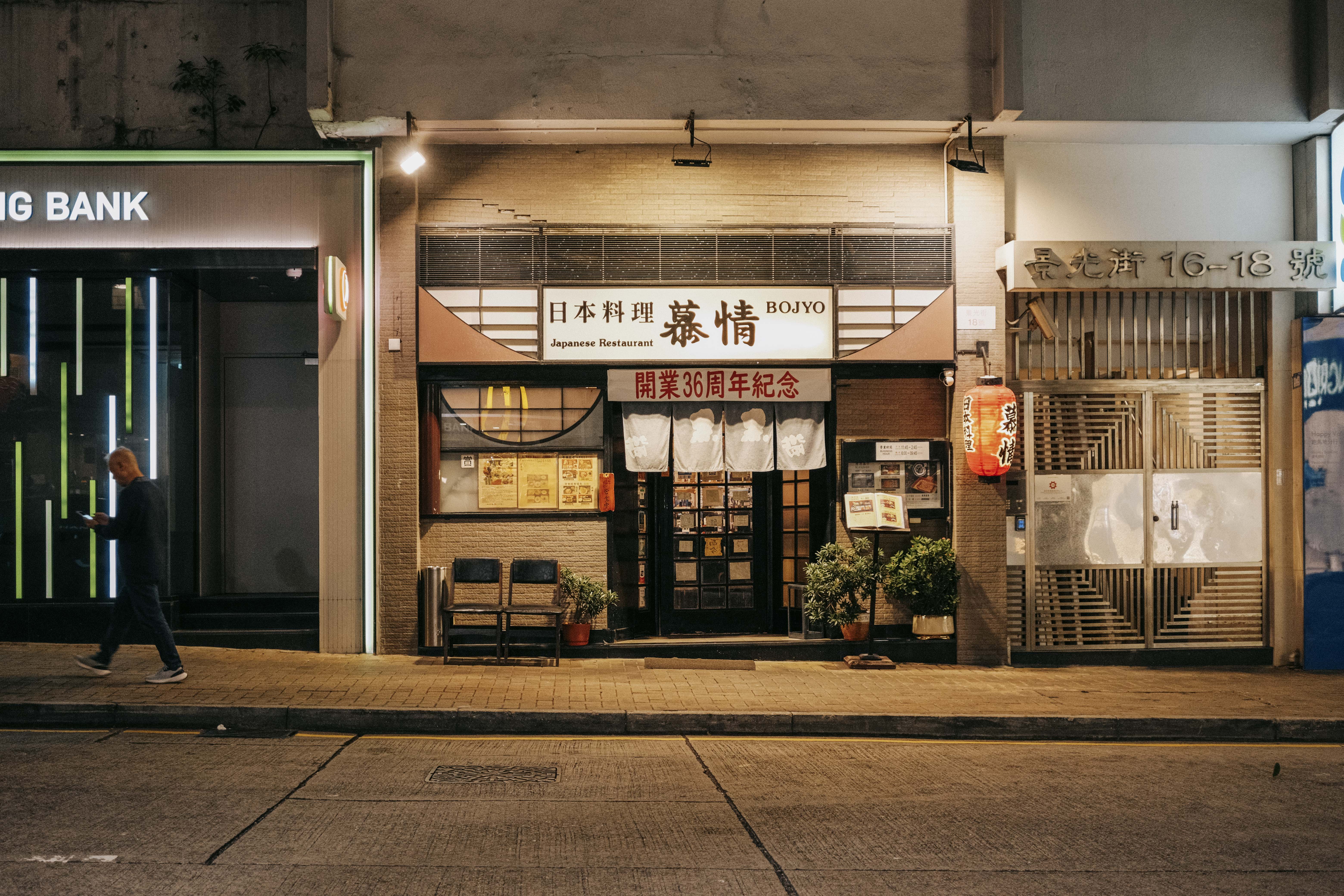
When we had a hankering for bentos and sushi, the whole family would go to Bojyo (慕情), the Japanese izakaya on King Kwong Street. Having just celebrated its 36th anniversary, the restaurant is one of the last old-school institutions still standing in the neighbourhood. The host and co-owner greets you in full traditional Japanese attire, and seems to have a never-ending list of regulars whose orders she knows by heart.
Photos: Nicole Hurip
The best baked sago pudding, a custard dessert with chestnut paste in the middle and a crunchy, buttery crust reminiscent of pineapple bolo buns, used to be found at 譽滿坊, a traditional tea house serving dim sum. I would get little takeaway jars of pudding after dinner, savouring each bite.
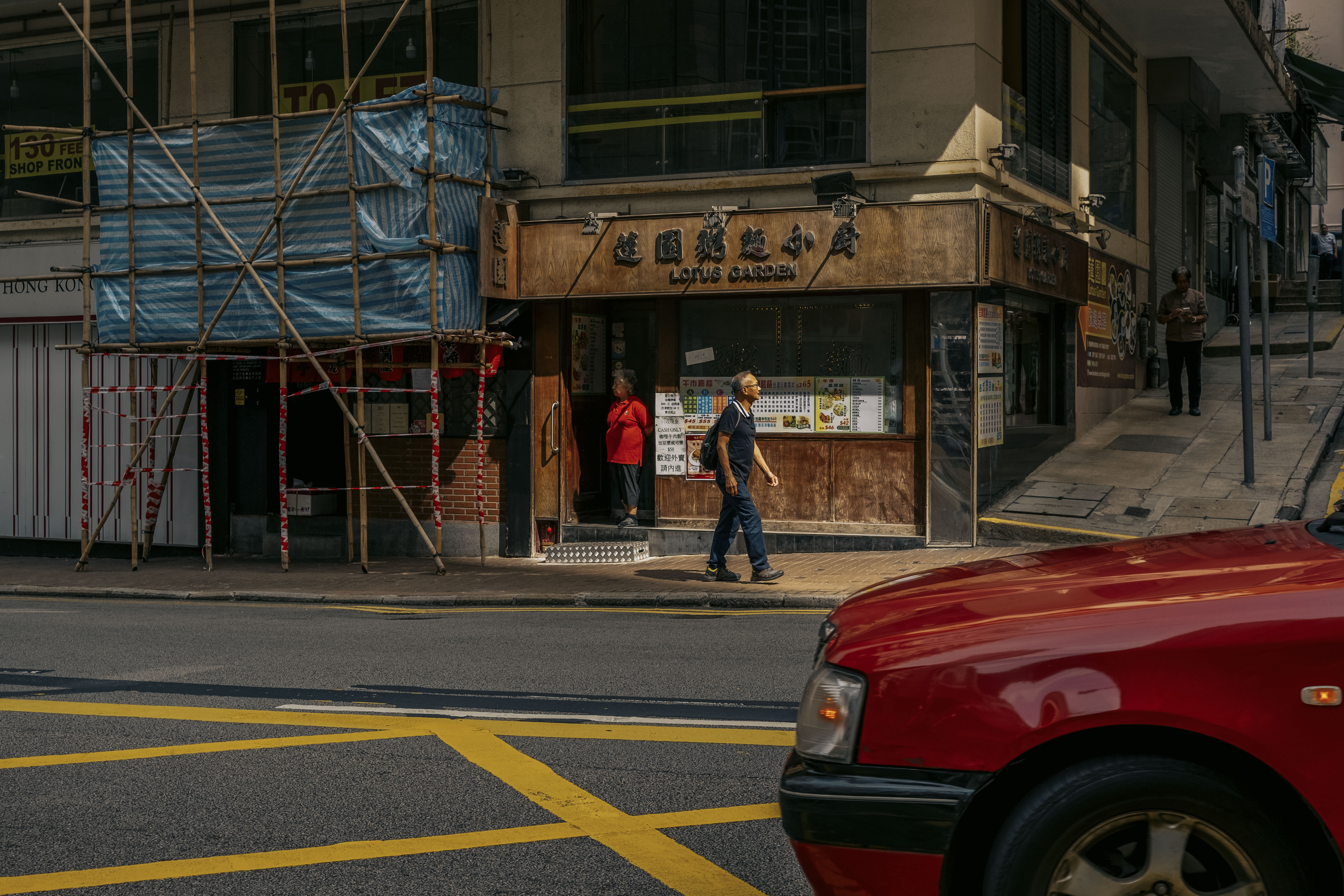
It has since closed, but a few doors down, the notoriously ill-tempered owner of Lotus Garden (蓮園) still sells this moreish treat, albeit with a generous helping of attitude. She runs the 38-year-old restaurant with her husband, both well in their 70s, and can often be seen standing in the doorway, watching the world bustle by.
Remember to order quickly, if you want to avoid a tongue-lashing.
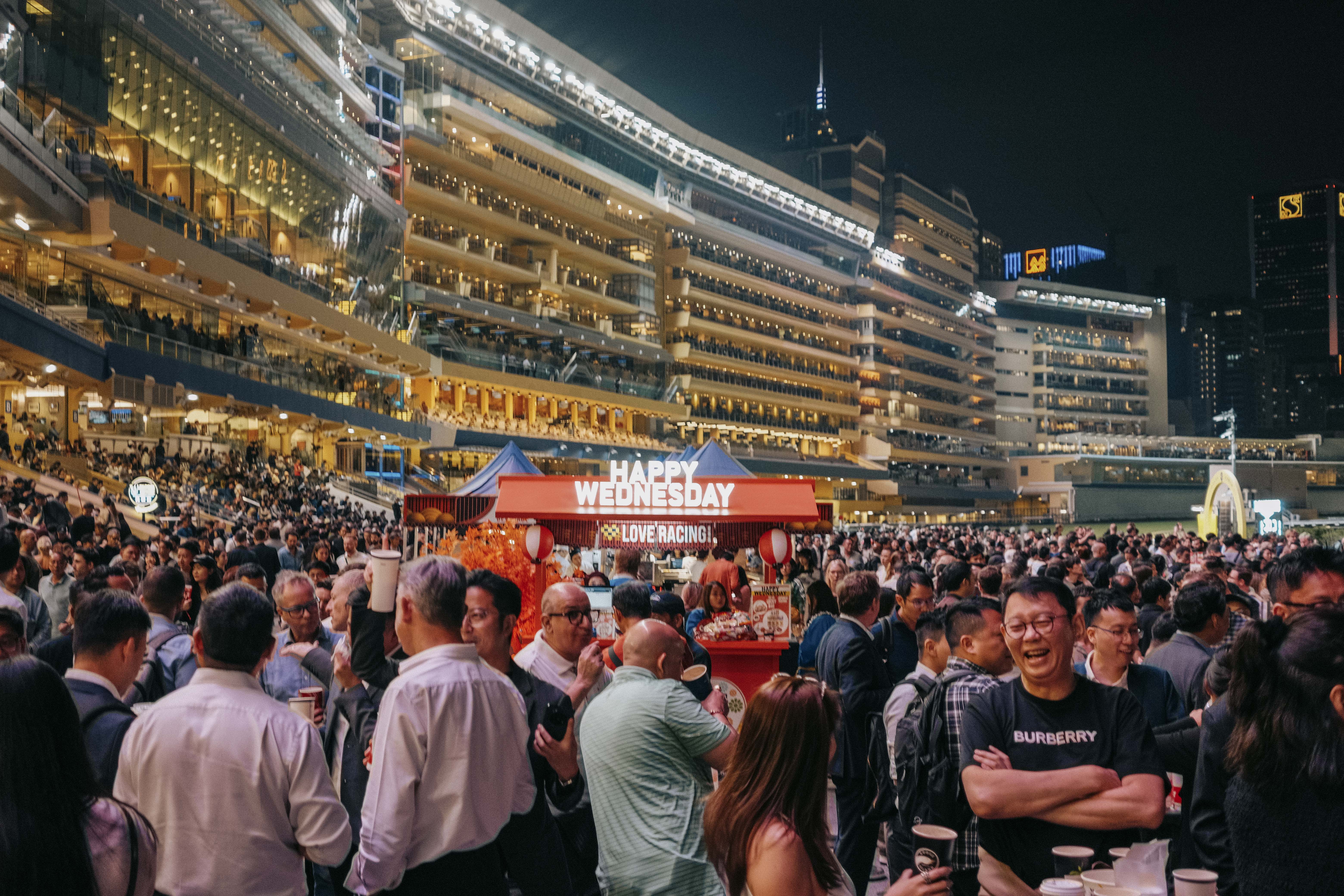
To most, Happy Valley is where horses race. After all, its Chinese name (跑馬地) translates to “the land of horse racing”. Every Wednesday, the neighbourhood plays host to tourists and locals alike, hungry for a taste of adrenaline at the historic track. But I like it best on a still morning, punctuated only by the the local egg seller’s sonorous renditions of Cantopop classics.
To me, Happy Valley is home. It feels familiar, even amidst change. I believe the sentiment can be most adequately summed up by the Chinese term “人情味”, which literally translates to “the taste of human emotion”. Warm, delicious, and full of soul.