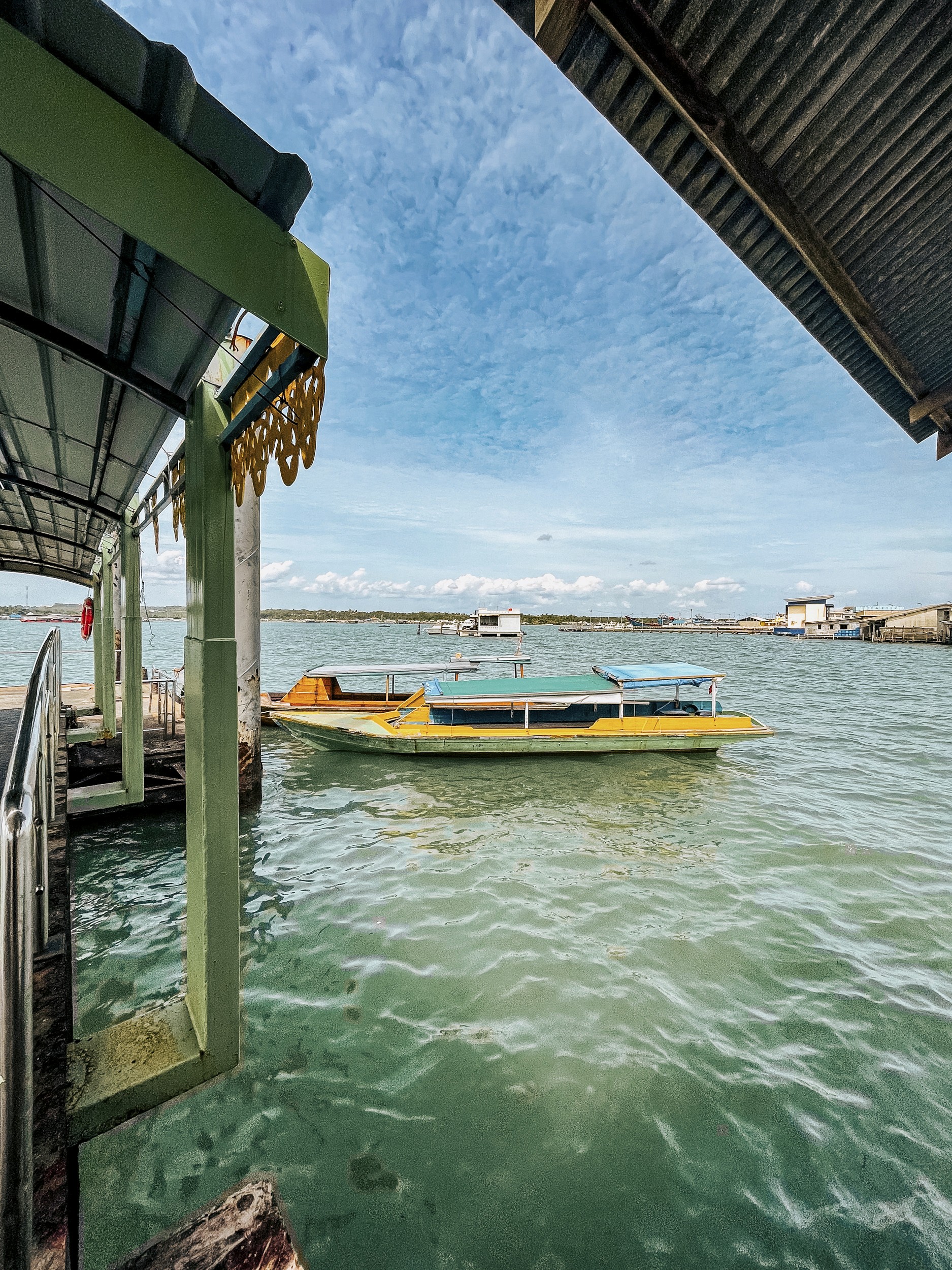
When travellers talk about Bintan or Tanjungpinang, the region’s capital city, the conversation usually drifts toward beaches, resorts and eating – the kind of easy escape that requires little more than a ferry ticket and a sense of adventure.
✦
For me too, living in Batam, a mere 40-minute ferry ride away, they have always been that kind of place: somewhere to quickly satisfy my cravings for lakse, otak-otak and durians, in particular.
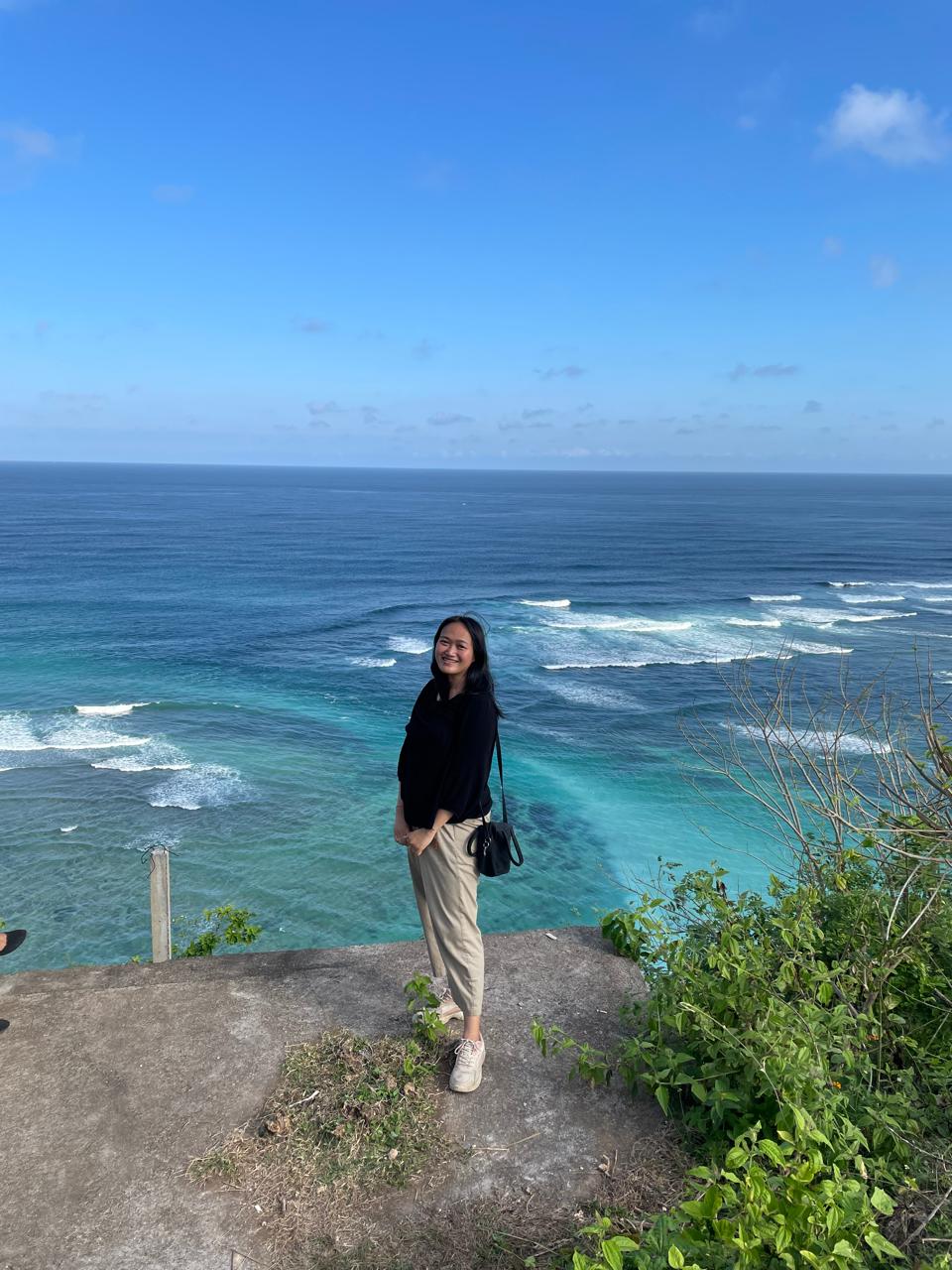
On my most recent trip, I made the familiar journey from Batam to Pelabuhan Sri Bintan Pura, over the waters I’d crossed many times before. But this time, instead of feasting, I met Asti Lalasati. Asti runs Bintan Bertutour, Bintan Island’s most in-depth cultural and heritage walking tour operator, and what began as a promise of casual exploration turned into something far more profound – a revelation that the islands I thought I knew held stories I'd never heard before.
As it turns out, this so-called “playground” of the Riau Archipelago cradles the roots of something much deeper and more enduring: early Malay culture and the linguistic foundations of Bahasa Indonesia, the language now spoken by more than 280 million people.
It’s a legacy often overlooked in favour of Bintan’s more obvious attractions. That said, once you start looking, you can't stop seeing the history everywhere.
Cultural capital
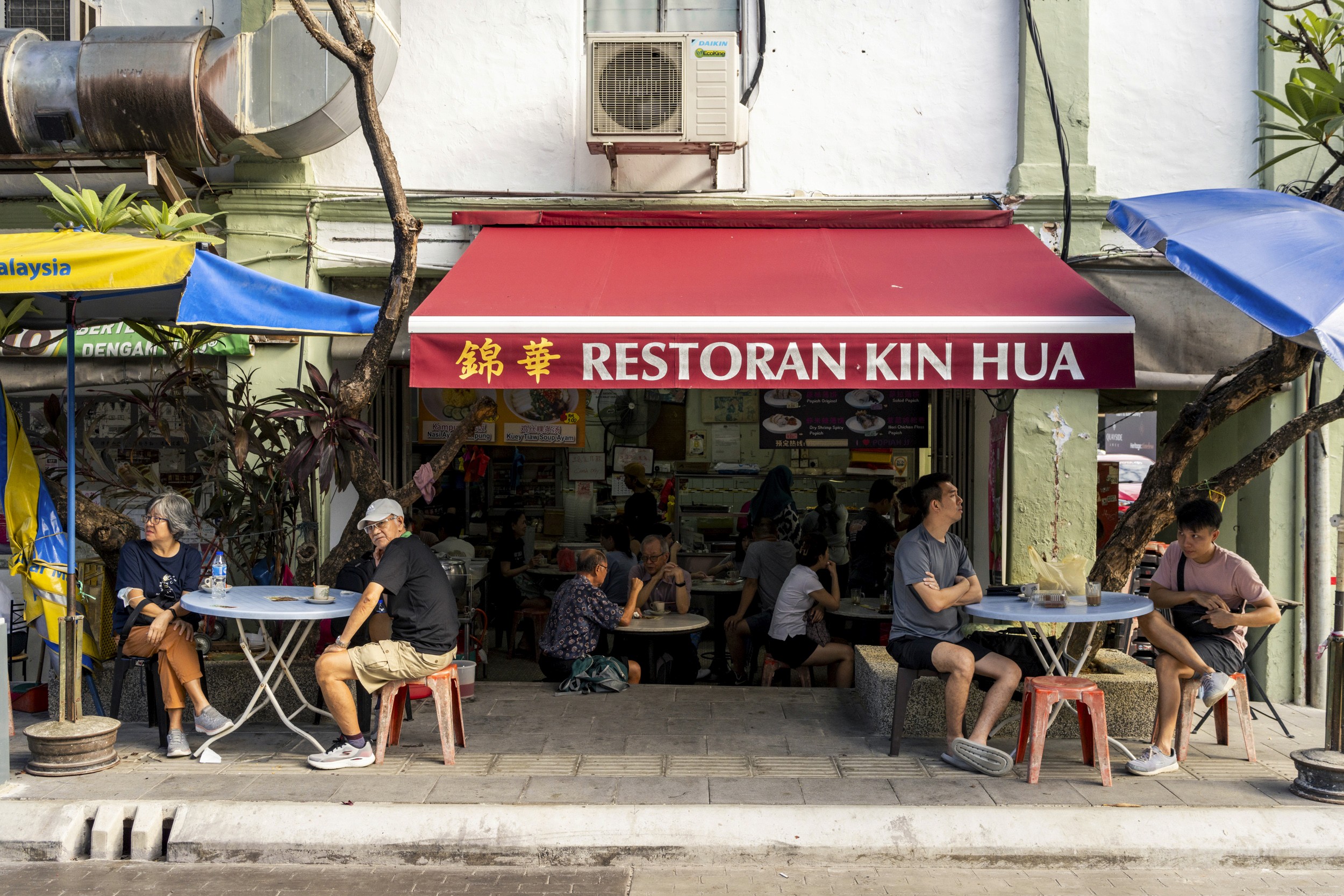
On my first exploration with Bintan Bertutour, Asti and I took a leisurely walk around the Old Town of Tanjungpinang (historically also known as Tanjung Pinang) on Jalan Merdeka. Here, history lives in the architecture – the district was once the beating heart of government and commerce in the Riau Islands, and it’s still dotted with old shophouses and traditional markets that hint at how vibrant the area used to be.
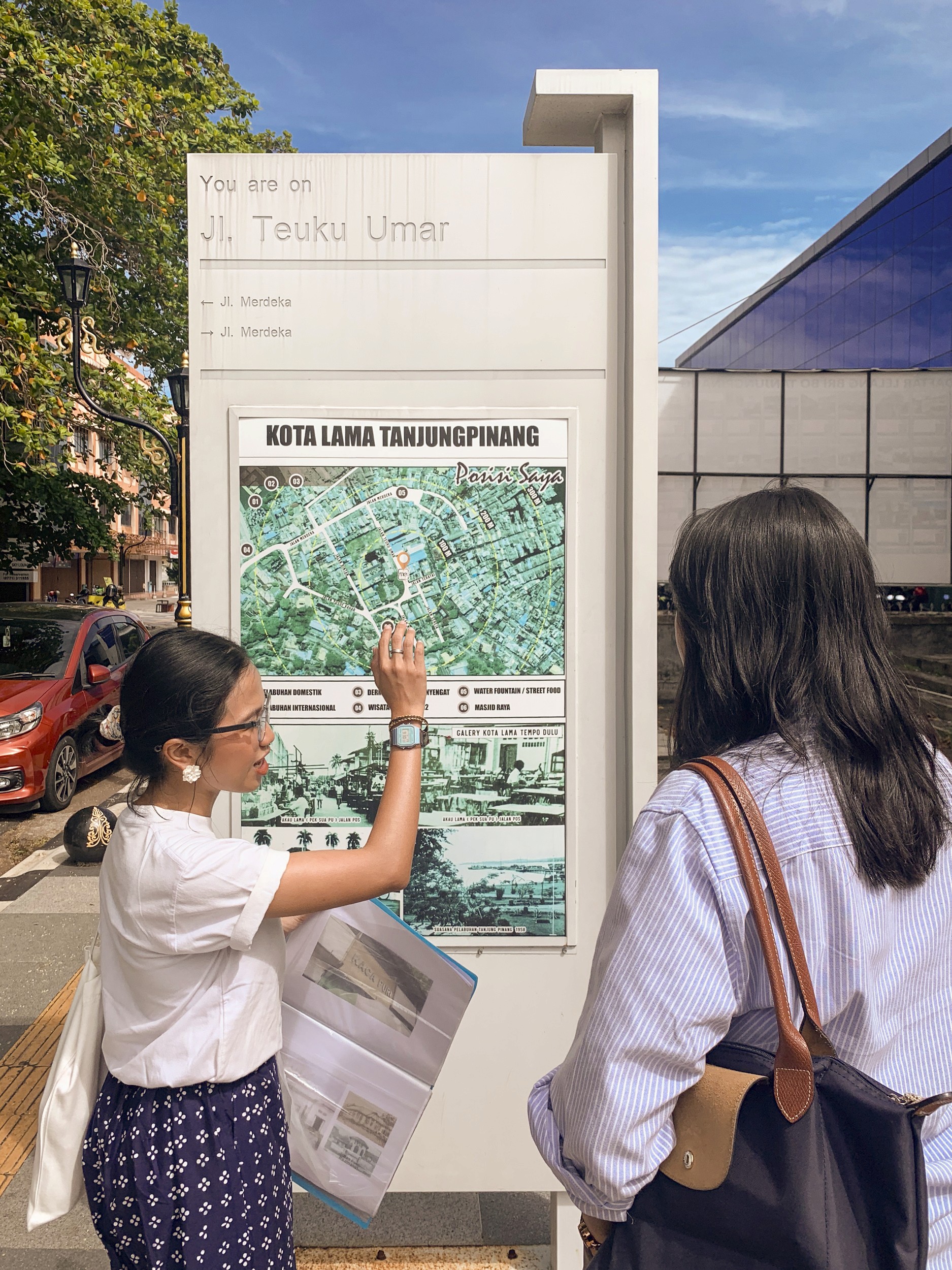

Photos: Yuni Tisna
We stopped at a small kopitiam along the street, a traditional coffee shop that had been around for decades. I ordered an iced coffee that turned out sweet and creamy, while Asti had a hot coffee with milk served in a small ceramic cup in classic kopitiam style. It was the perfect spot to pause and watch local life bustle around us.
As we continued on our journey, Asti described the waves of Chinese migration that have shaped the city. In the 18th and 19th centuries, Chinese workers and traders arrived seeking opportunity, bringing with them skills in commerce, construction and craftsmanship. Many stayed, building temples, opening shops, marrying into local families and weaving themselves into the fabric of the place.
Today, that influence is everywhere: in the temples that dot the landscape; the architectural style of the old shophouses; and the food that has become inseparable from the Riau identity.
One tip: the Old Town is where you'll find some of the best local food. Don't leave without trying lakse and mie lendir – dishes that carry the flavours of generations, with recipes passed down through families; each bowl a small act of cultural preservation.
Photos: Yuni Tisna
A tiny island with great significance
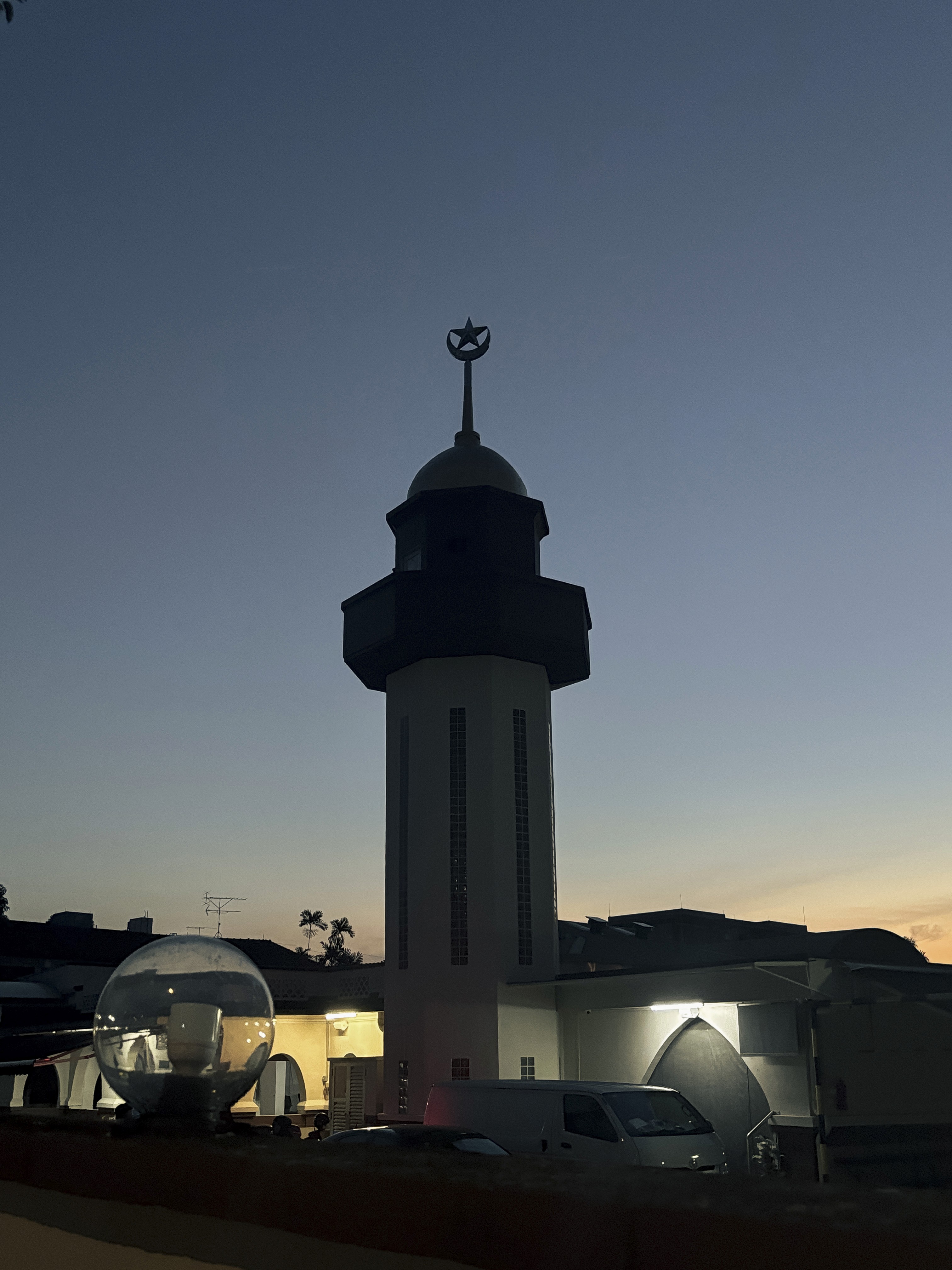
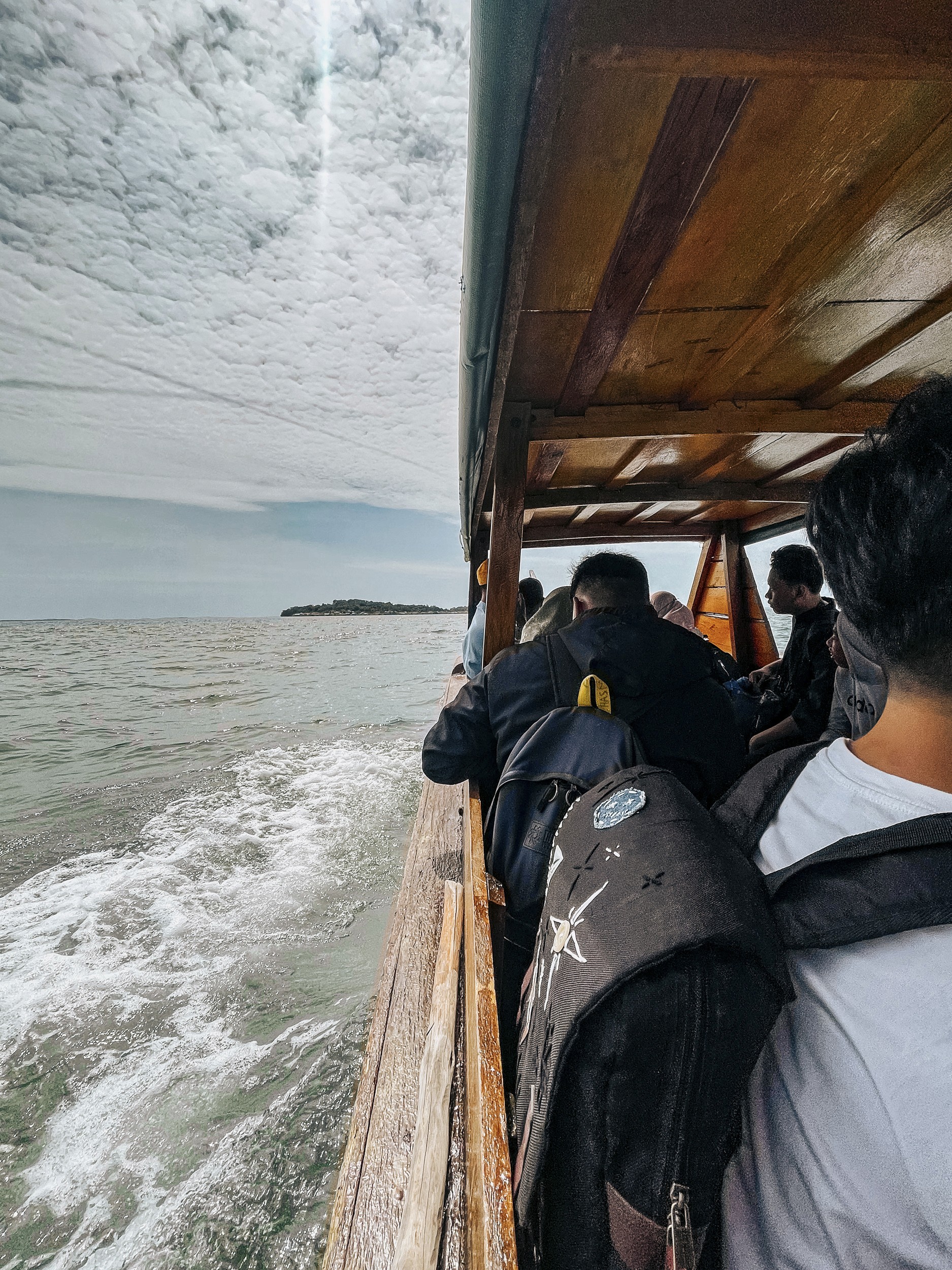
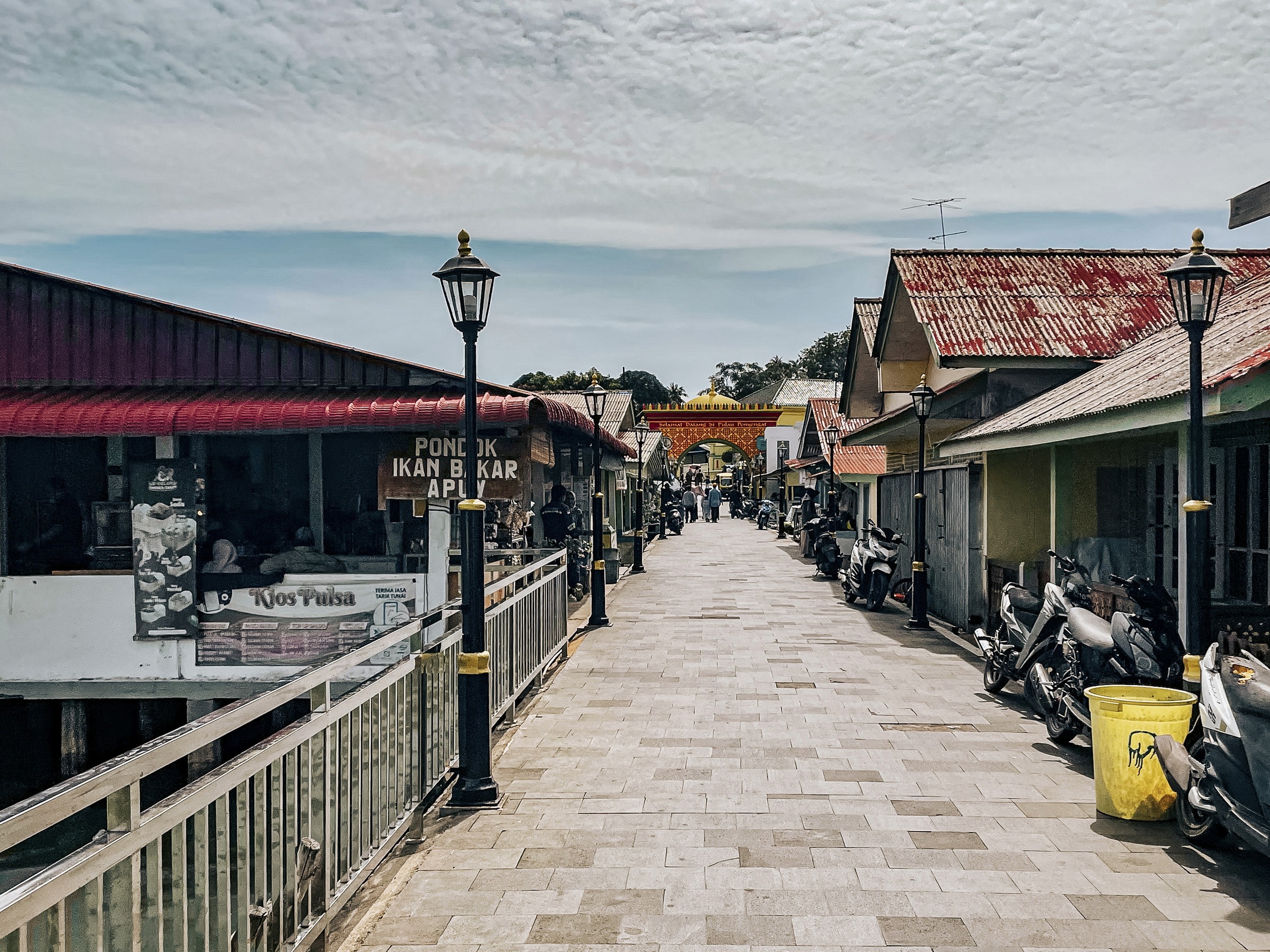
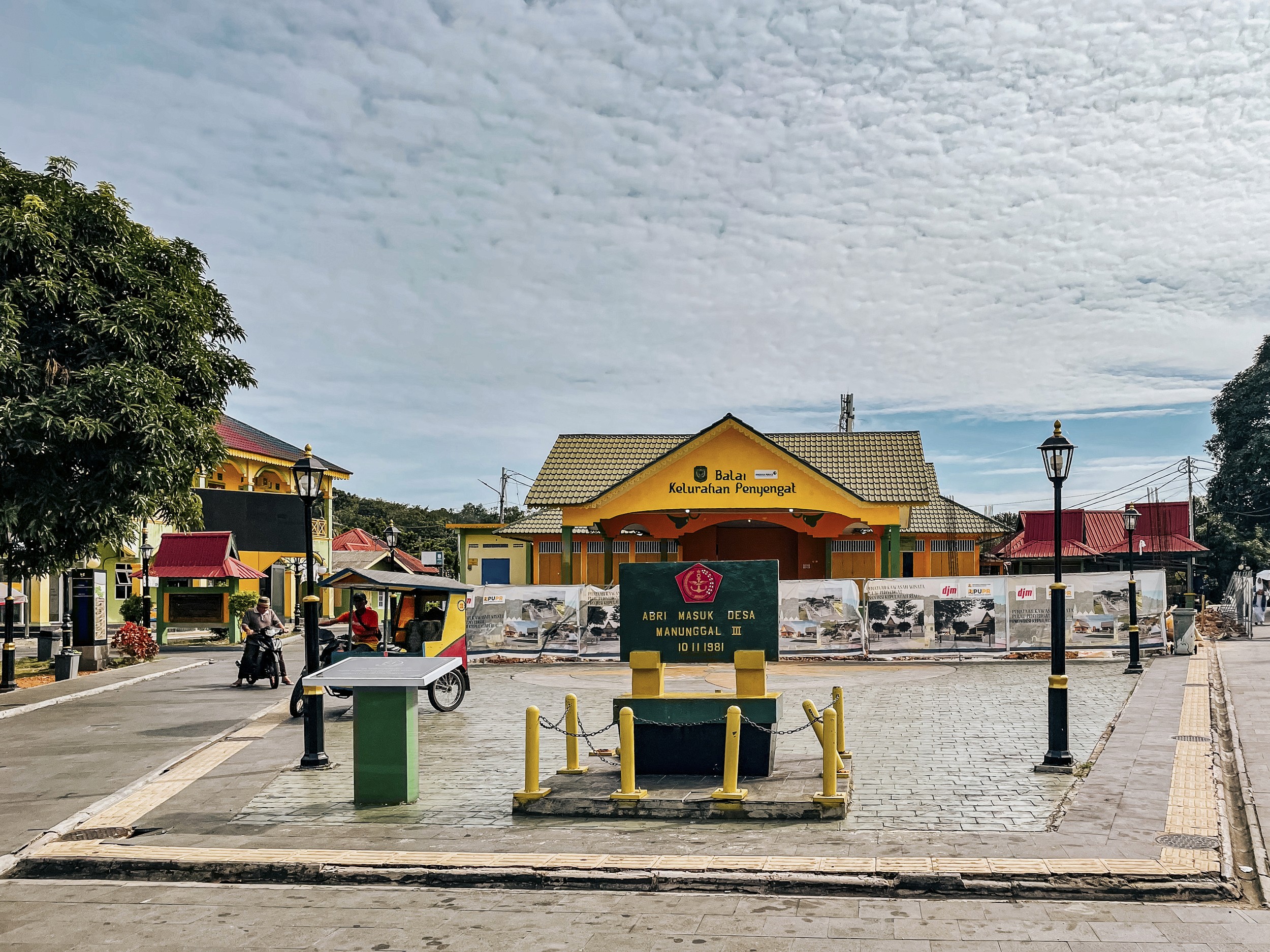
A few days later, I toured Penyengat Island, which is about 10 minutes from Tanjungpinang by a small traditional boat called a pompong. To get there, you depart from the small harbour next to Pelabuhan Sri Bintan Pura, and on arrival, you can hire a becak motor (motorised trishaw) to take you to the island’s historical sites, of which there are a remarkable 46.
It’s also easily doable on foot. Even at a relaxed pace, you can explore all of Pulau Penyengat in about two to three hours. Along the way, you can stop at one of the many local warung (small eateries) to enjoy local dishes such as grilled fish or soup, as well as traditional snacks like deram-deram, otak-otak, and Penyengat’s traditional drink, air dohot – made with local fruits and once a beverage for royals.
Nurfatilla, who goes by the nickname Tiloot, was my Bintan Bertutour guide on this trip. A native of Pulau Penyengat, she was raised with the island’s stories, and her deep understanding of its past truly brought history to life.
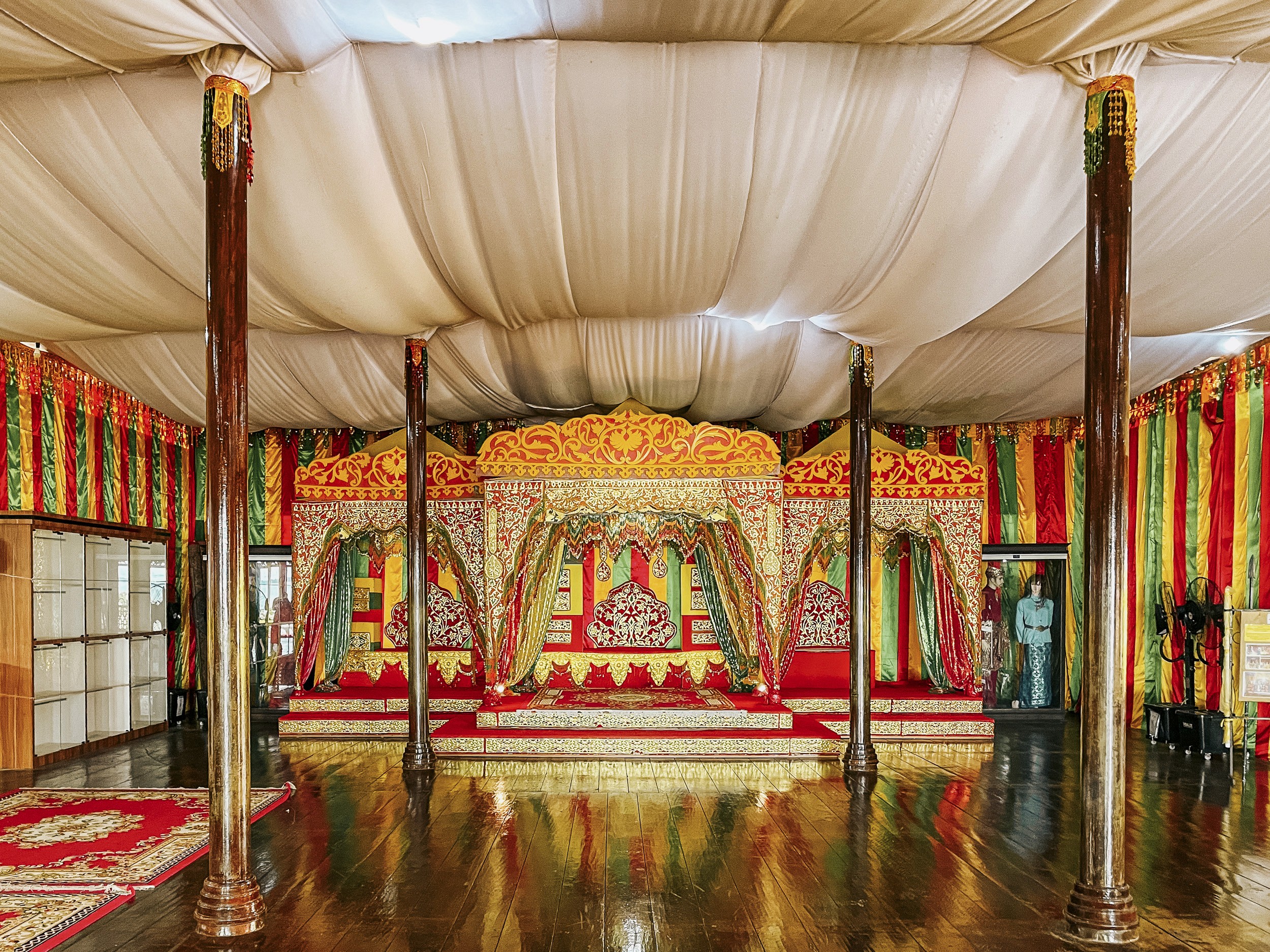
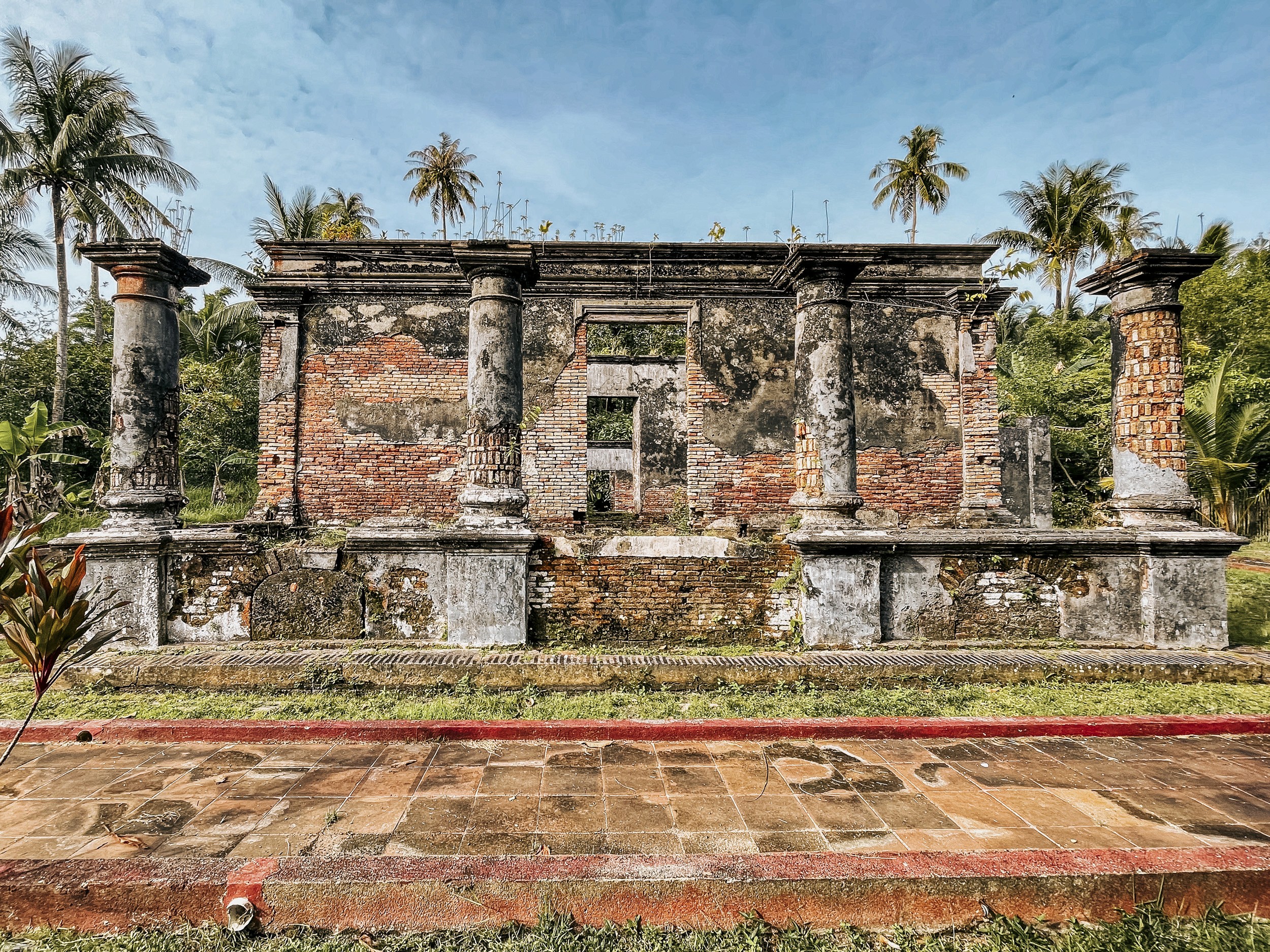
According to Tiloot, Penyengat was developed by Sultan Mahmud Riayat Syah, who presented it in 1803 as a wedding gift to Raja Hamidah. This act of love would transform the 2km-long piece of land into something far greater than a dowry – it would become a fortress, a seat of power, and eventually the intellectual heart of the Malay world.
From the 18th to the early 20th century, Penyengat served as the centre of government for the Riau-Lingga Sultanate, and was home to many Malay noble families and key historical figures. These included Raja Haji Fisabilillah, a Malay warrior, Islamic leader and Indonesian National Hero known for his resistance against Dutch colonial rule in the 18th century, who helped stabilise governance and strengthen Malay political authority in the region.
Photos: Yuni Tisna
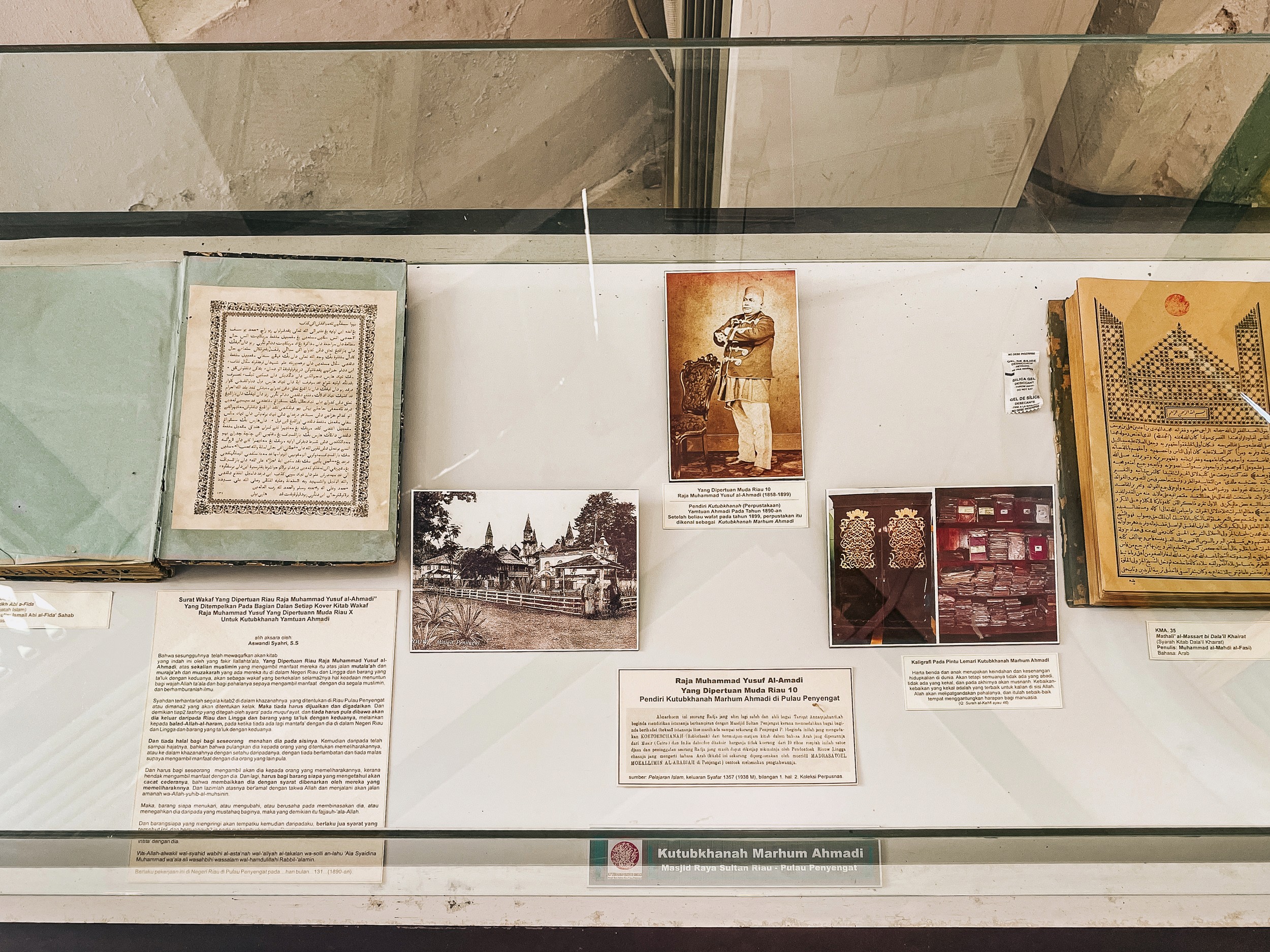
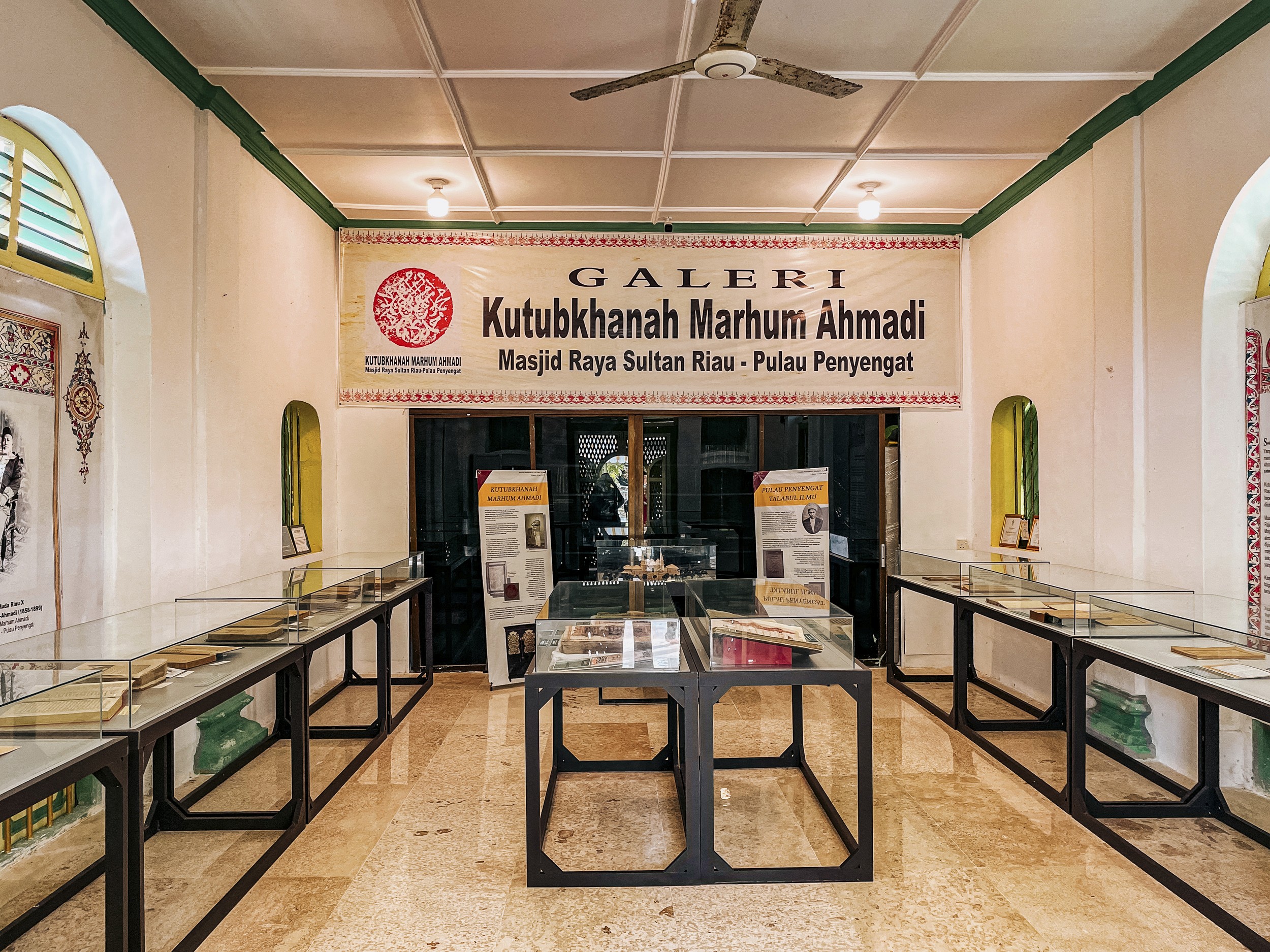
The island also holds a remarkable collection of manuscripts and ancient texts written in Jawi, an Arabic-derived script adapted to write the Malay language. Hundreds of these manuscripts have been discovered, many authored by local scholars. The island’s literary culture flourished even more with the establishment of the Rusydiah Club in 1892, a community of writers, thinkers and politicians who shaped much of the region’s intellectual history.
One of the highlights is the complex that houses the tomb of Raja Ali Haji, one of Indonesia’s National Heroes and among the most important Malay writers of the 19th century.
He left behind many important works, including genealogies of the Malay and Bugis people, traditional poetry and other writings related to literature and Islam.
His masterpiece, The Book of Knowledge of Language, would later become the precursor to the Great Dictionary of the Indonesian Language, while Bustan Al Katibin outlined standardised spelling rules that eventually developed into a source of one of the foundations of the modern Indonesian language. It’s inspiring to see how the work of one person contributed so greatly to building a language that is so widely adopted today.
Similarly, as tiny as it is, Penyengat is an outsized reminder of how much local thinkers and writers shaped the country.
From the old manuscripts to the work of Raja Ali Haji and the lively writing community of the past, the island played a big role in defining Indonesia’s language and identity. It has a disproportionately vast legacy, and no matter how geographically close you are to it (as I am), its stories are sure to inspire anyone who visits.