There’s a particular calm that settles over me every time I touch down in Chiang Mai.
✦
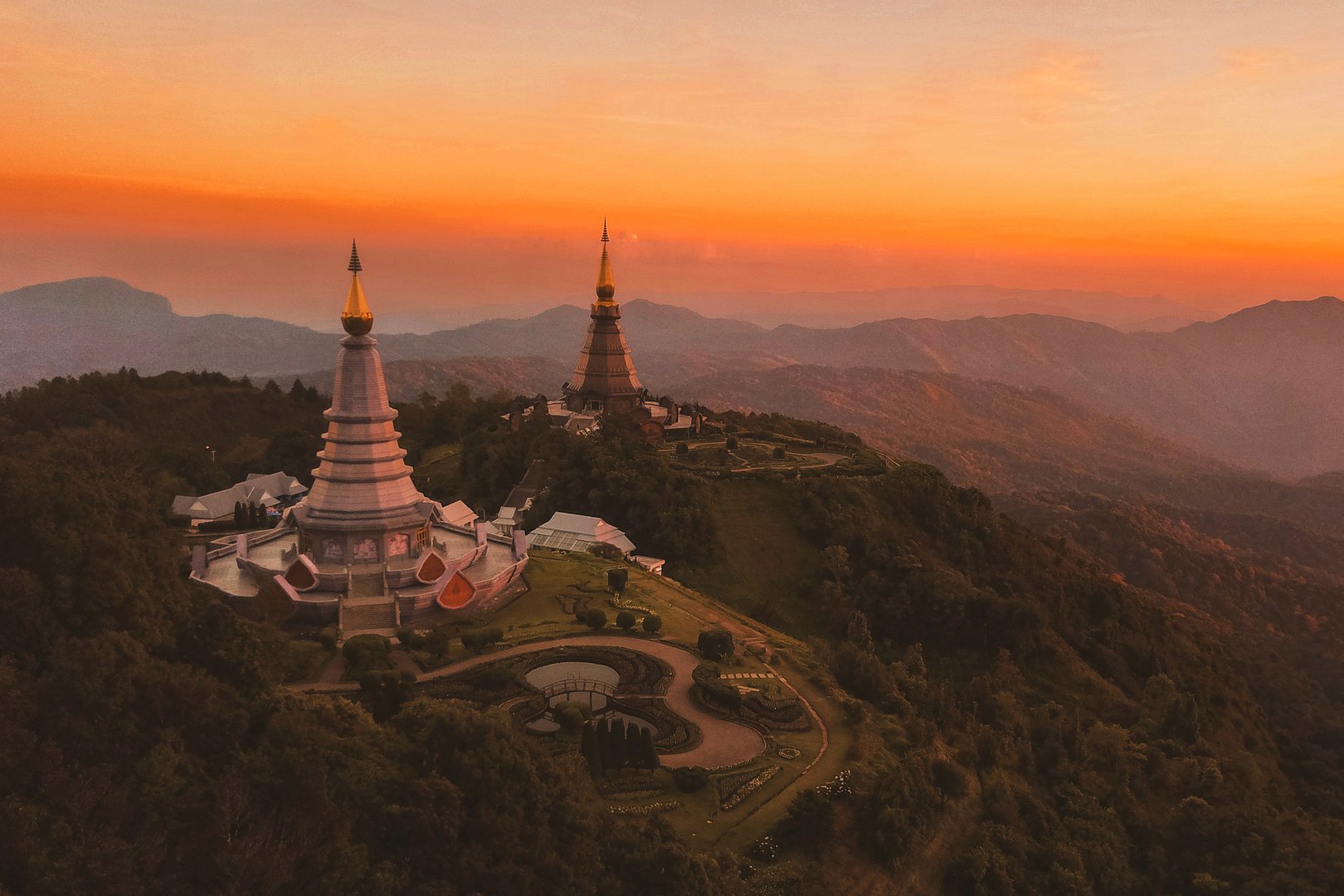
It’s not just the mountain views sprawled out below you as the plane is landing, or the slower rhythm of the north. It’s something subtler, like a shift in energy that makes one breathe a little deeper and walk slower. Chiang Mai, after all, is one of Thailand’s most spiritual cities and has become a major destination for spiritual tourism due to its multitude of temples, surrounding nature, and rich cultural heritage.
This is where I go whenever I need to recharge my spirit, when Bangkok’s city noise begins to echo in my head long after the traffic stops, when deadlines blur into bad sleep, and when my soul begins to crave a spiritual energy boost.
It only takes about an hour and a bit to fly from Bangkok to Chiang Mai, and Chiang Mai airport is located right in the city. I often joke that I’ve been stuck in Bangkok’s traffic longer.
So a day trip is more than feasible – I sometimes fly in in the morning, eat at my favourite mum-and-pop shops, work from a coffee shop after, visit a few temples to restore calm in my life, and squeeze in a foot massage before returning to Bangkok.
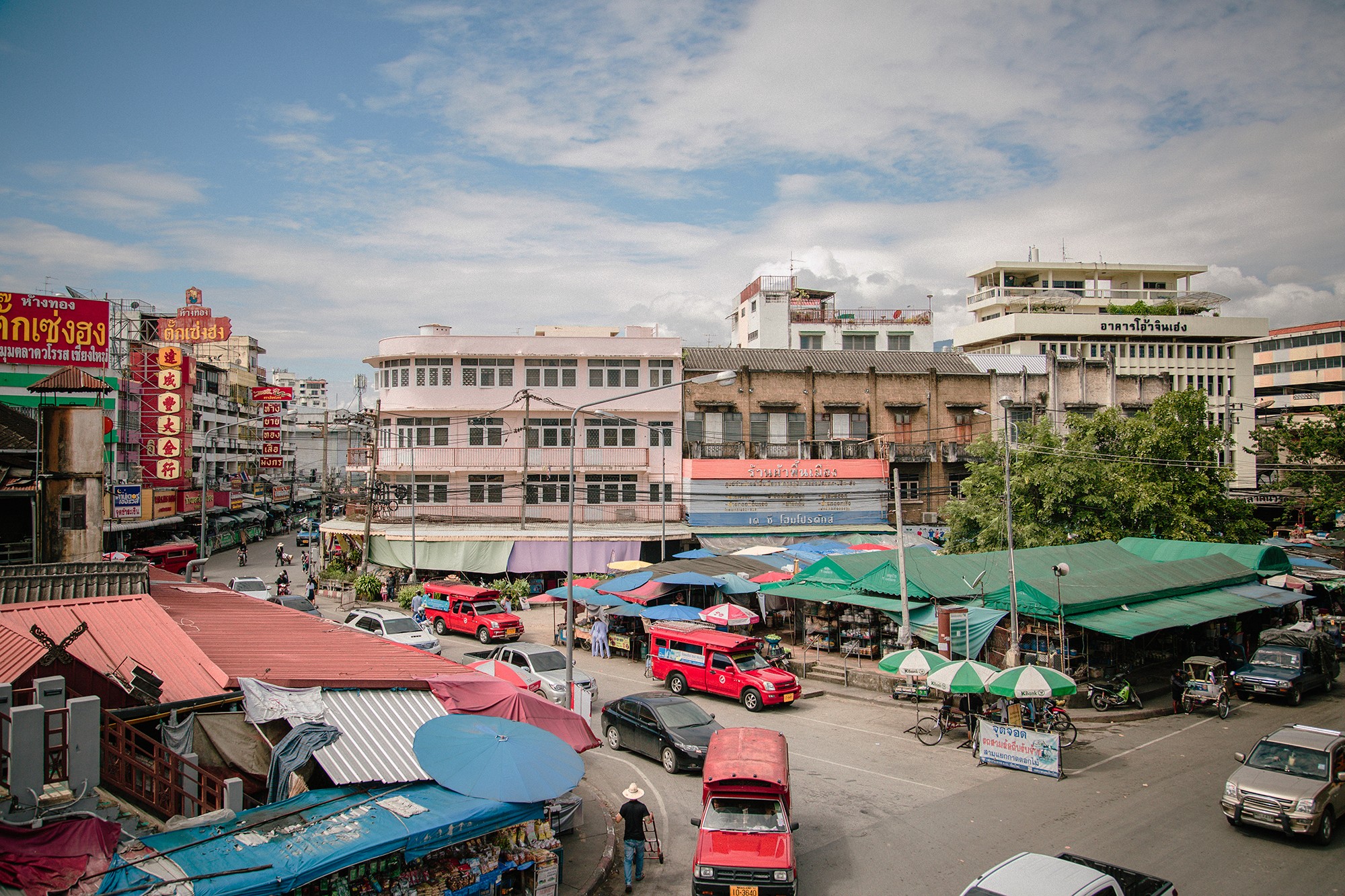
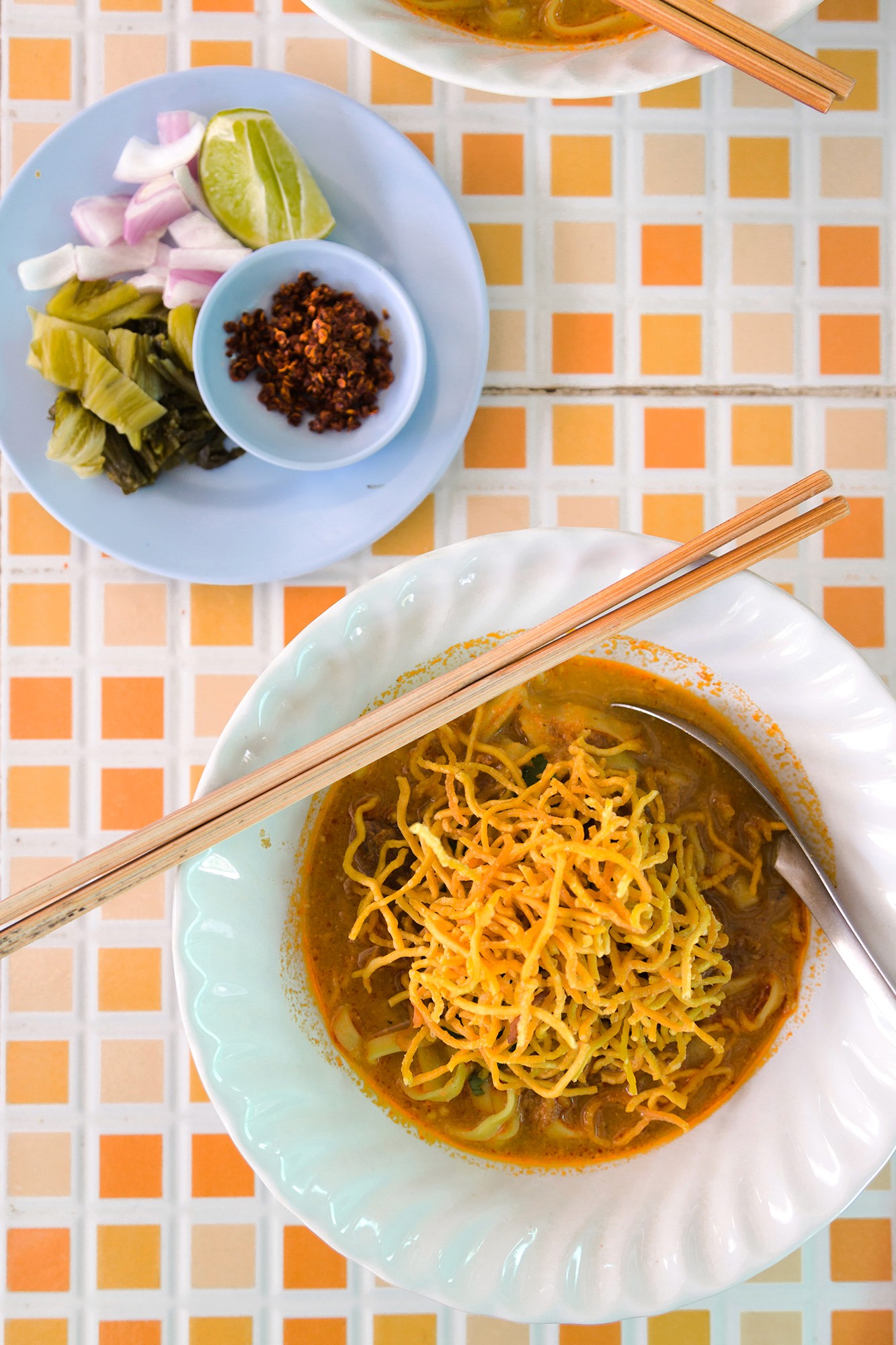
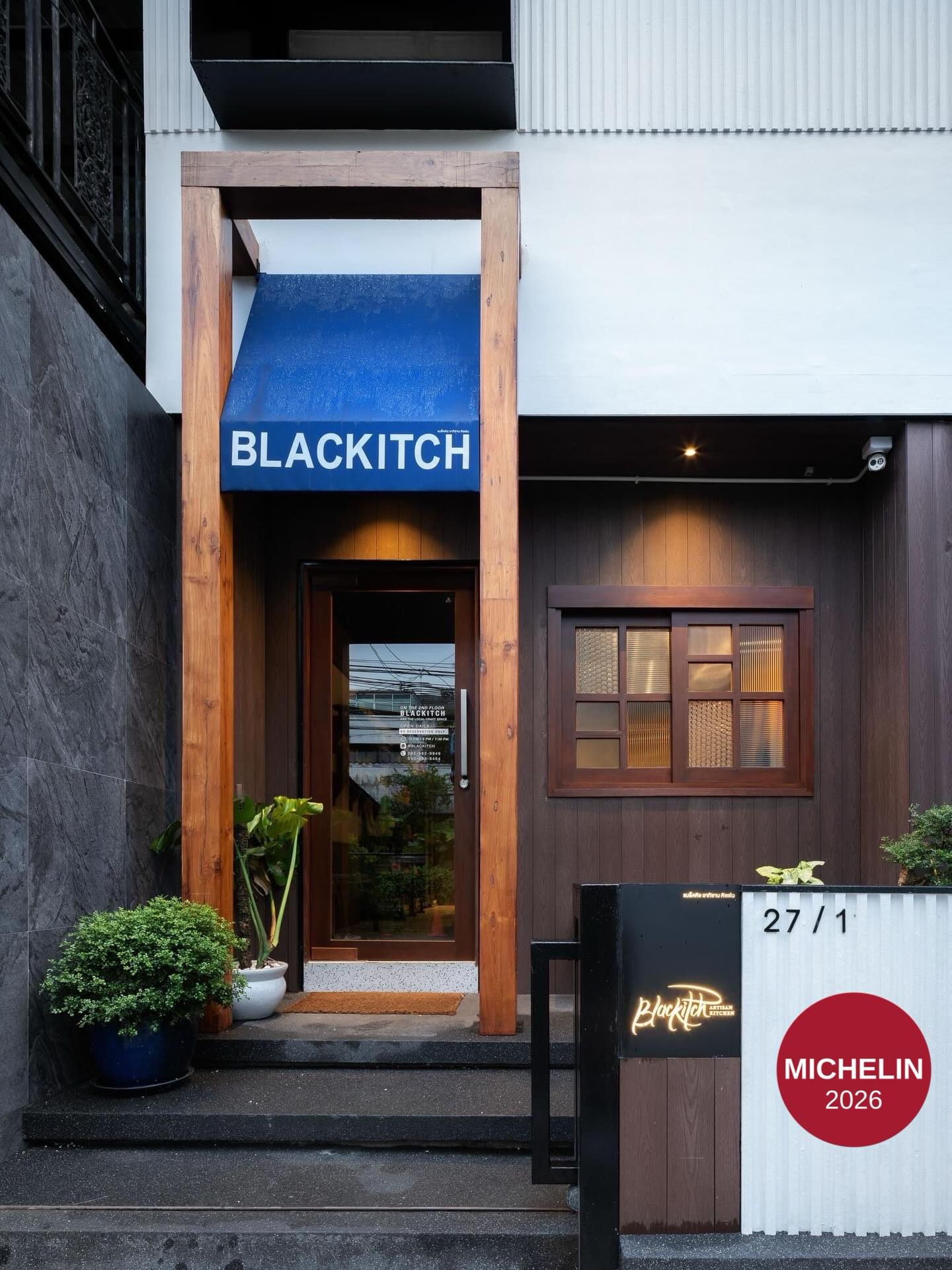
Lead photo: Bharath Mohan. Above photos: Lauryn Ishak (left, centre); Blackitch Artisan Kitchen (right)
Where to eat in Chiang Mai
No matter how long I stay, every visit begins with a meal. I refuse to get northern food in Bangkok, because I find it disappointing. None of it can compare to what’s available in Chiang Mai, so I usually save my khao soi craving for when I’m there.
I always start with khanom jeen nam ngiao at Auntie Pom’s, a northern must-try made of fermented rice noodles, served in clear, tomato-ey broth with pork ribs. My friends and I have tried to keep this place a secret, but tourists have inevitably discovered it. These days, I can barely battle my way through the crowds to get a plate (still priced at just 35 baht), but at least it’s bringing business to Auntie Pom.
Another personal favourite that’s more under-the-radar is Khao Aun.
The name directly translates to “warm rice” and that’s the best description of the vibe of the place: it’s warm, cosy and wholesome.
The restaurant is run by just the owner and an employee, and their dishes are truly authentic and not available at many other places. The prices are also super affordable, ranging between 60 to 80 baht per dish.
For khao soi, I usually go to Khao Soi Lung Prakit Kad Kom. This one is no secret. Owner Loong Prakit has been featured on a few Netflix shows, and his food (50 to 70 baht) definitely lives up to the hype.
Chiang Mai doesn’t only have mum-and-pop shops to offer, but plenty of elevated experiences as well. If you’re feeling a little fancy, reserve a table at Blackitch Artisan Kitchen (as early as you can, because they get booked out weeks in advance). The seasonal tasting menu here takes you around Thailand and features locally sourced ingredients from the different regions, so you’re essentially tasting food from many provinces at one go.
Tranquillity in temples
Whenever I’m in Chiang Mai, visiting a temple is always on my itinerary. Not for religious reasons, but because there’s something about the shrines here that really make me feel calm and at peace. As a bonus, some also come with great views and architecture.
Wat Phra That Doi Kham is an absolute must. Along with a spiritual energy boost, you’ll also get a fantastic panorama of Chiang Mai thanks to its location on the slopes of Mount Kham.
Wat Chediluang Varaviharn, one of the city's most important temples, is another essential stop. Just observing the 14th century ruins of its enormous, crumbling chedi is a really grounding experience.
And then there's Wat Lok Moli. Its elegant chapel is made entirely of teak, and you won’t find anything like it anywhere else. There’s also a charming old pagoda at the back. If you go during Yee Peng – a festival to celebrate the full moon in November, which happens primarily in Chiang Mai – you can get a lantern with your name written on it, hung up for good luck.
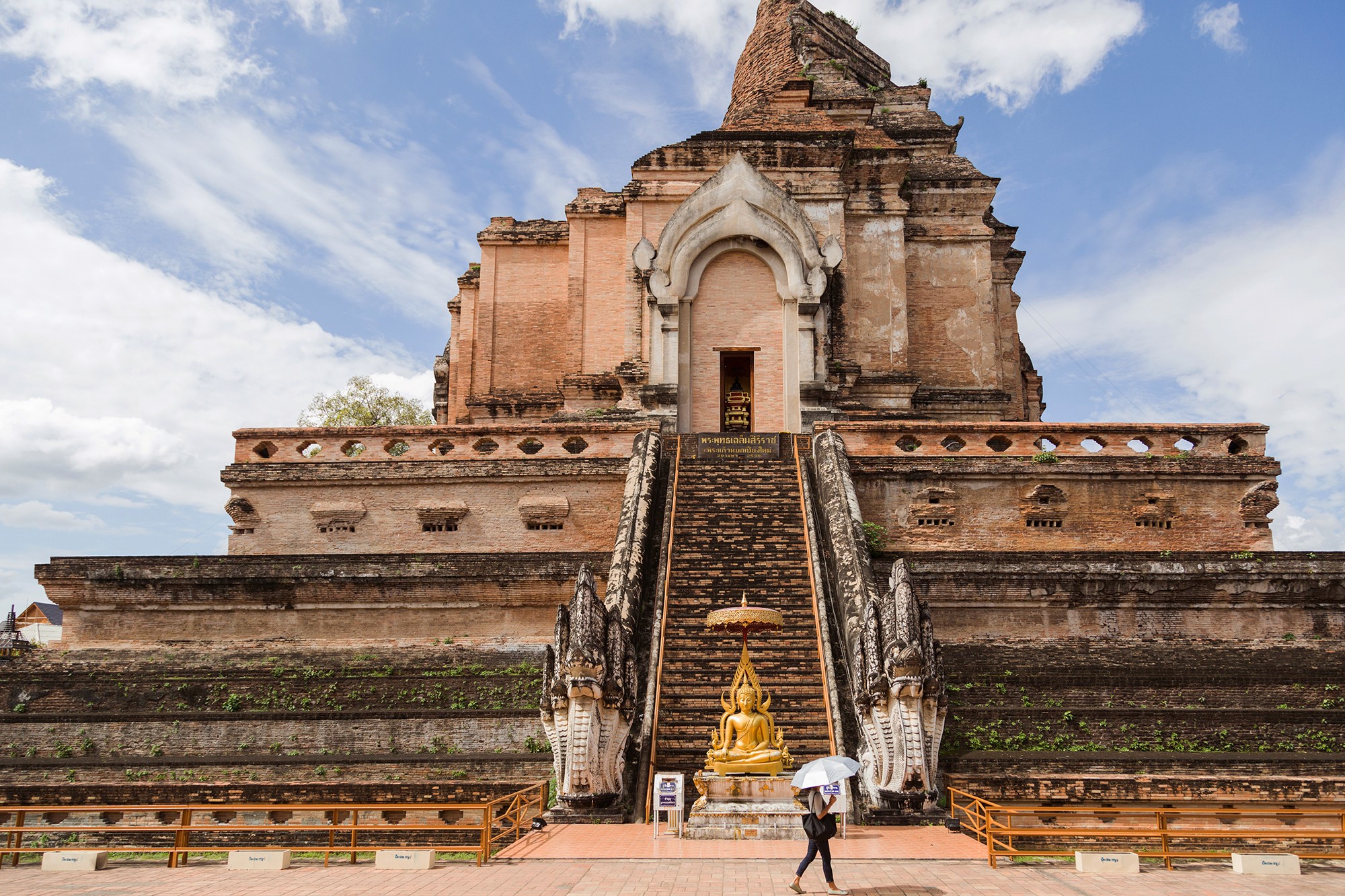
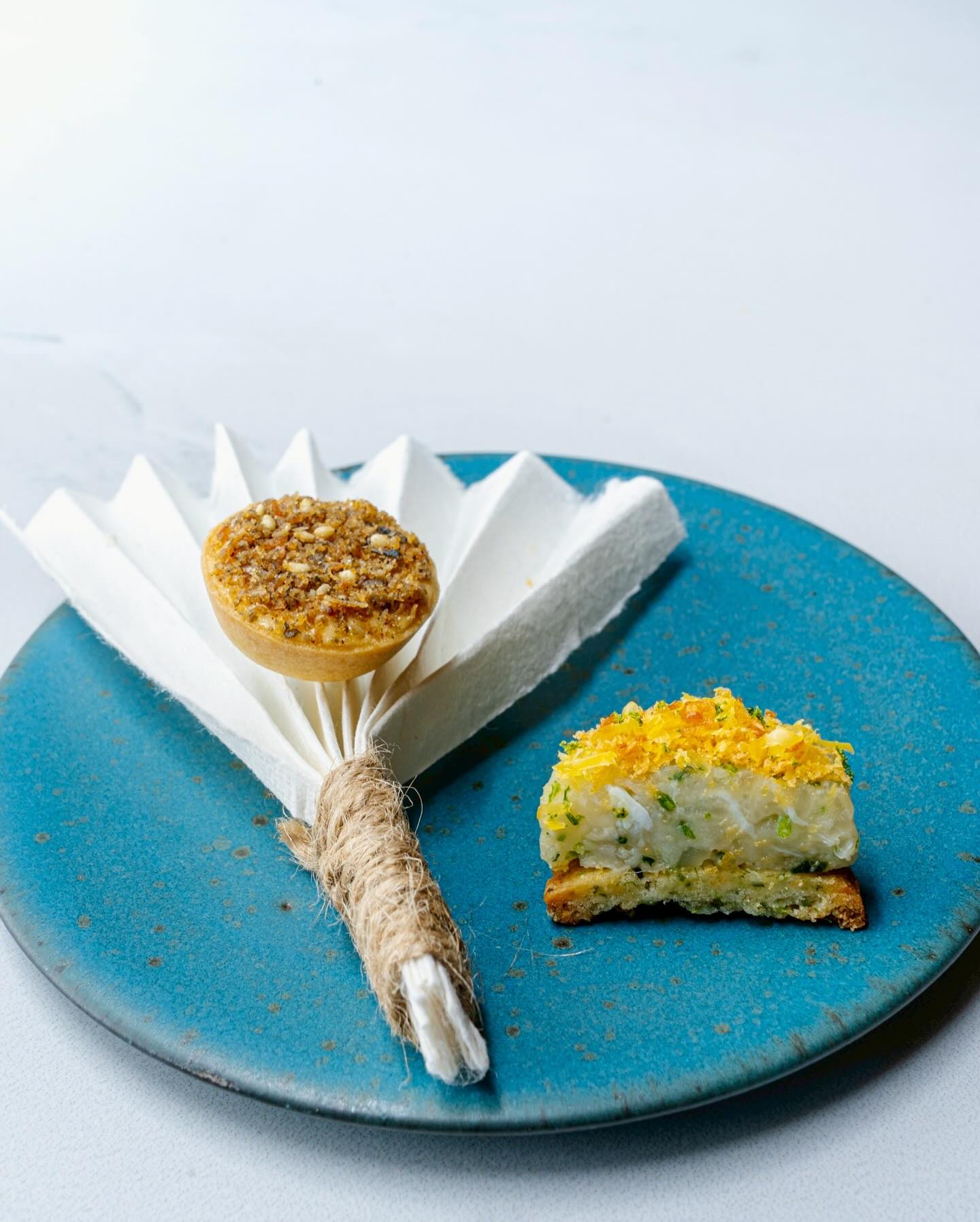
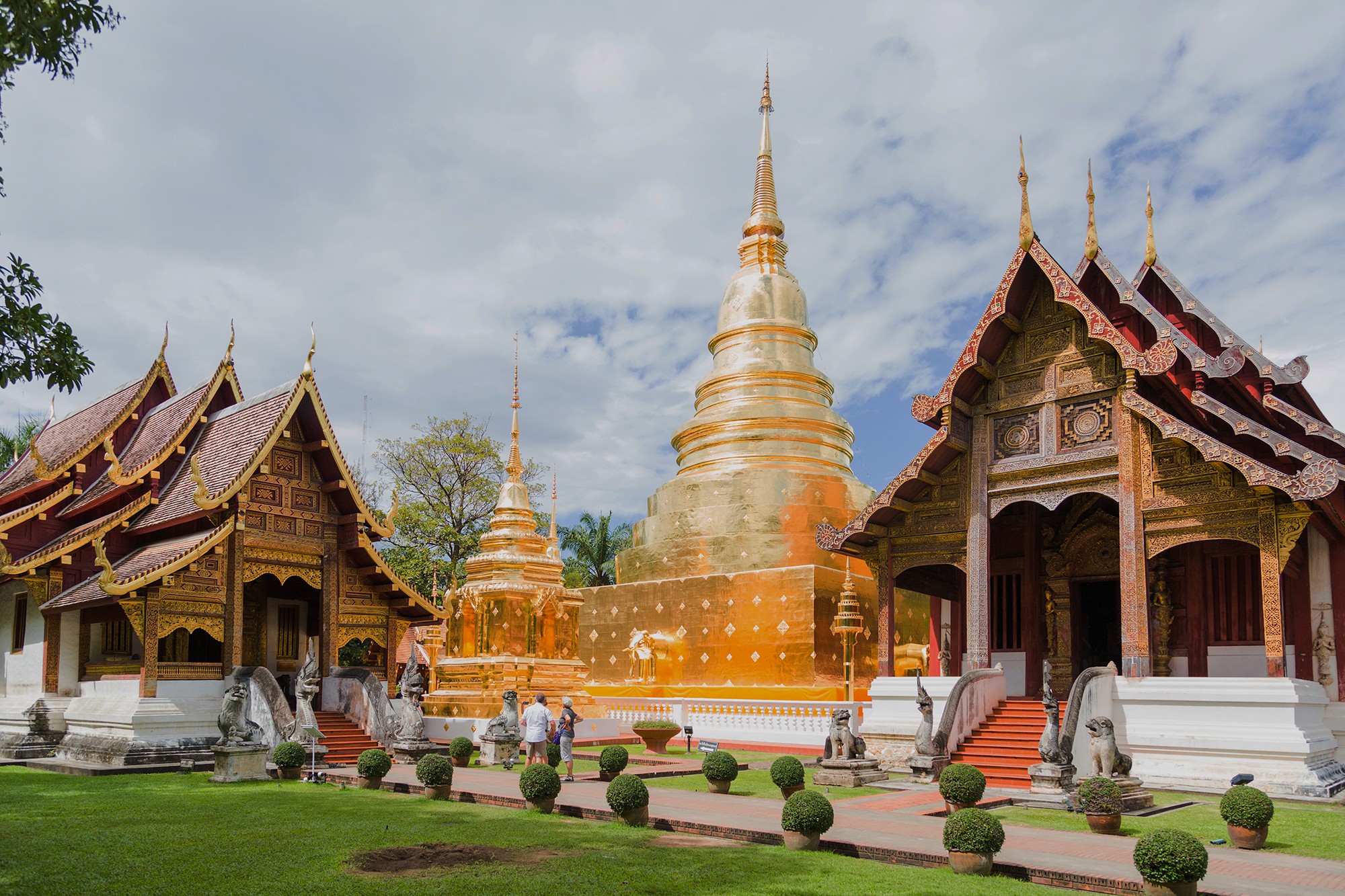
Photos: Lauryn Ishak (left, right); Blackitch Artisan Kitchen (centre)
Nature as medicine
If the temples cleanse the mind and food feeds the body, then nature heals what’s left.
Those who love hiking should head to Wat Pha Lat, a temple connected to the beautiful Monk’s Trail. I discovered it by accident the first time I was there, just wandering down the temple path that connected with the trail.
The whole trek takes around 45 minutes and goes over Mindfulness Hill, which has a breathtaking view.
You can’t research Chiang Mai without coming across mention of its elephant camps (the city is home to more than 30). Yes, it’s a controversial topic, but whatever your opinion, you should know that in this part of the world, many camps are essential to the survival of elephants because of shrinking habitats and a shortage of food in the wild.
That said, there are bad actors that exploit the animals for profit, so if you’re planning to visit one, you need to do your research.
One of those I personally recommend is a small, family-run camp called Smart Elephants Family, which takes care of just four elephants. The family has been involved with raising elephants for generations and when I visited, I was just one of two guests there, which means the elephants weren’t overwhelmed by human interaction.
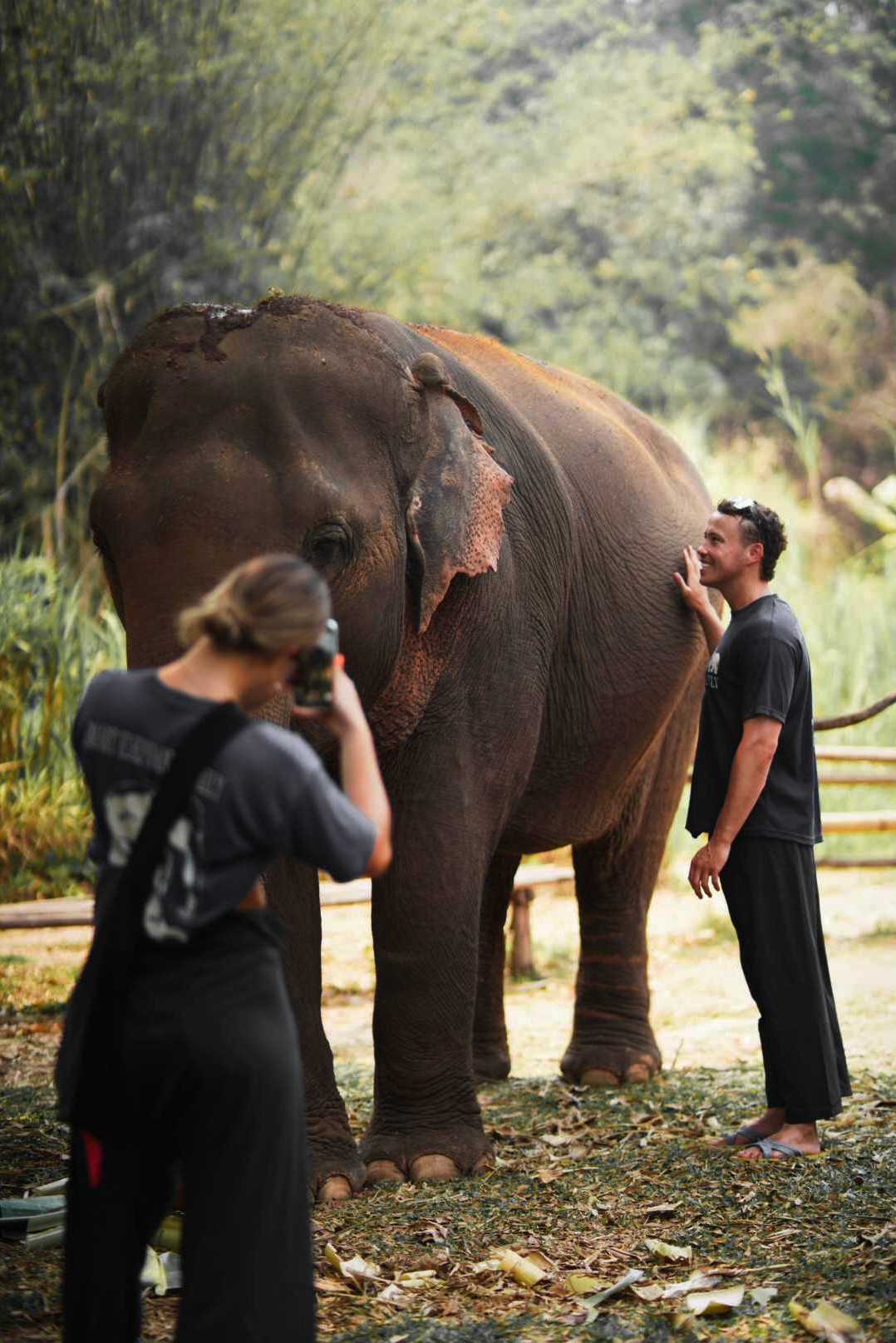
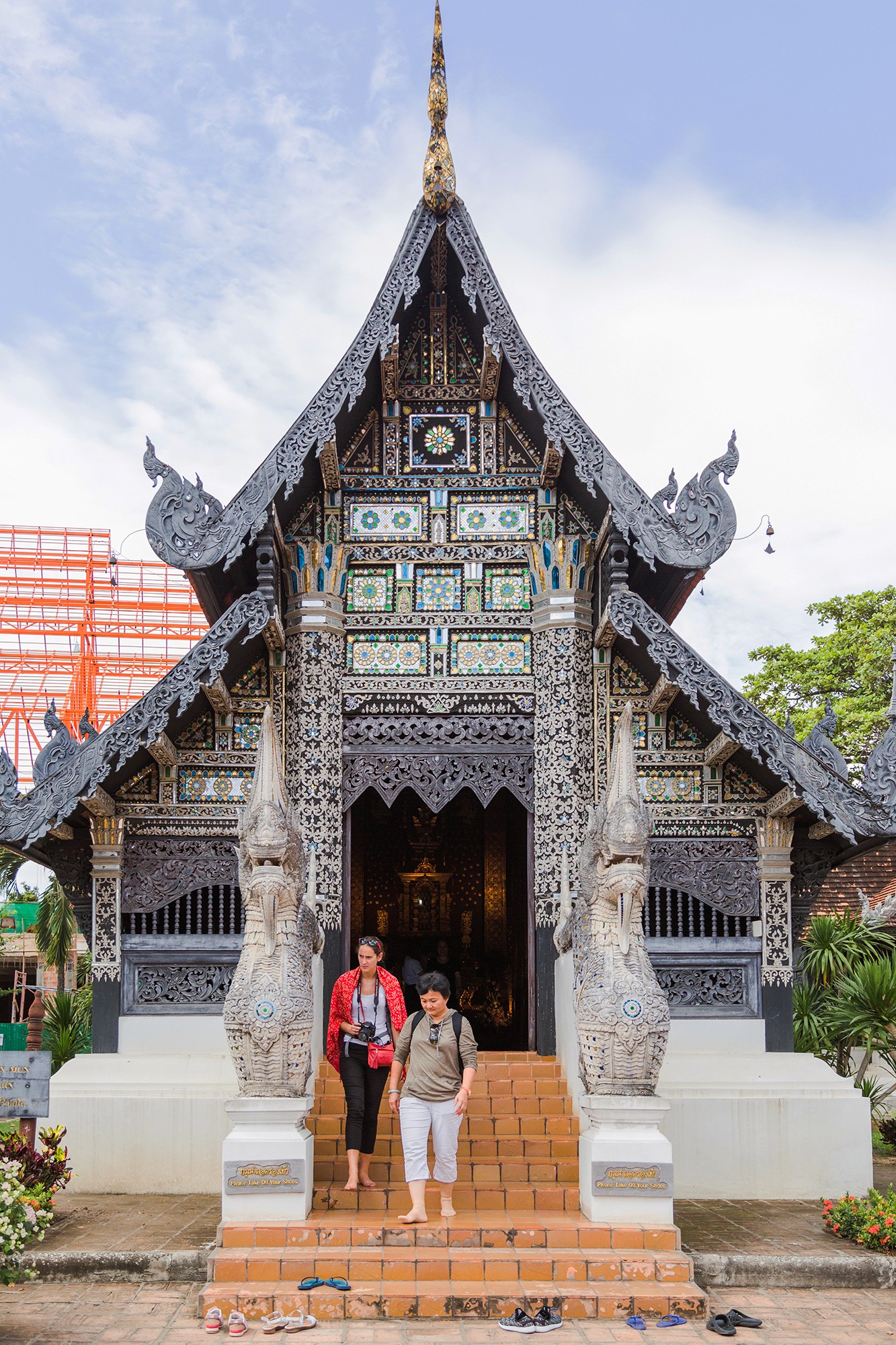
Photos: Smart Elephants Family; Lauryn Ishak
The quiet in between
What I love most when I’m in Chiang Mai, though, are the in-between moments, like getting stuck at a small cafe when it storms after a hike, or strolling back to my accommodations at night in the cool weather.
It feels easier, here, to make time to do less. And that’s the beauty of Chiang Mai – the more I return here, the more I realise how it’s teaching me to be still, to live slowly. And I carry that stillness with me back to Bangkok each time I leave.