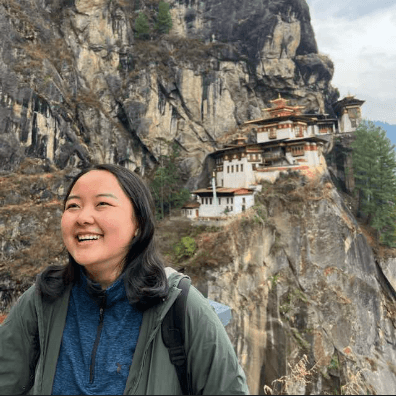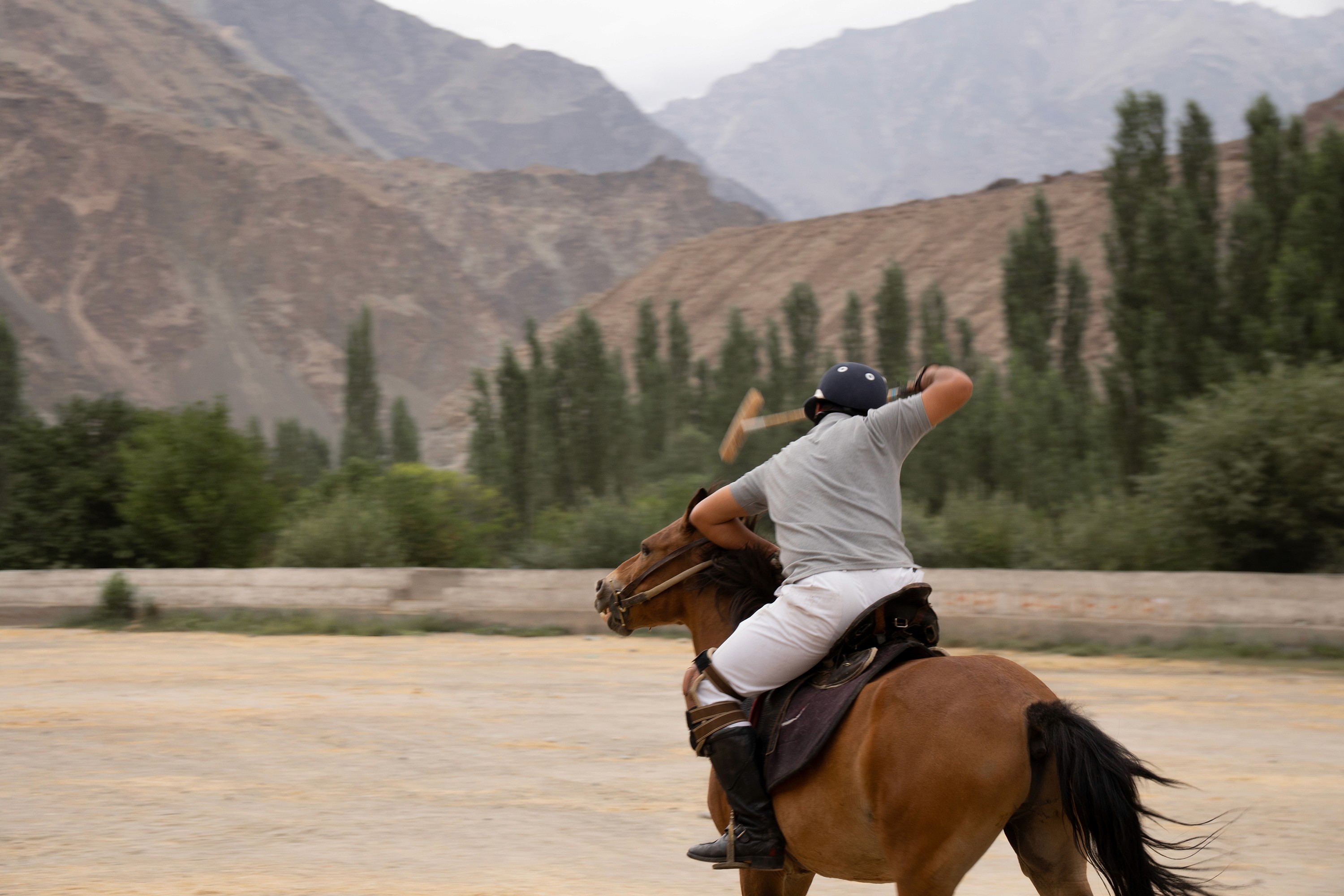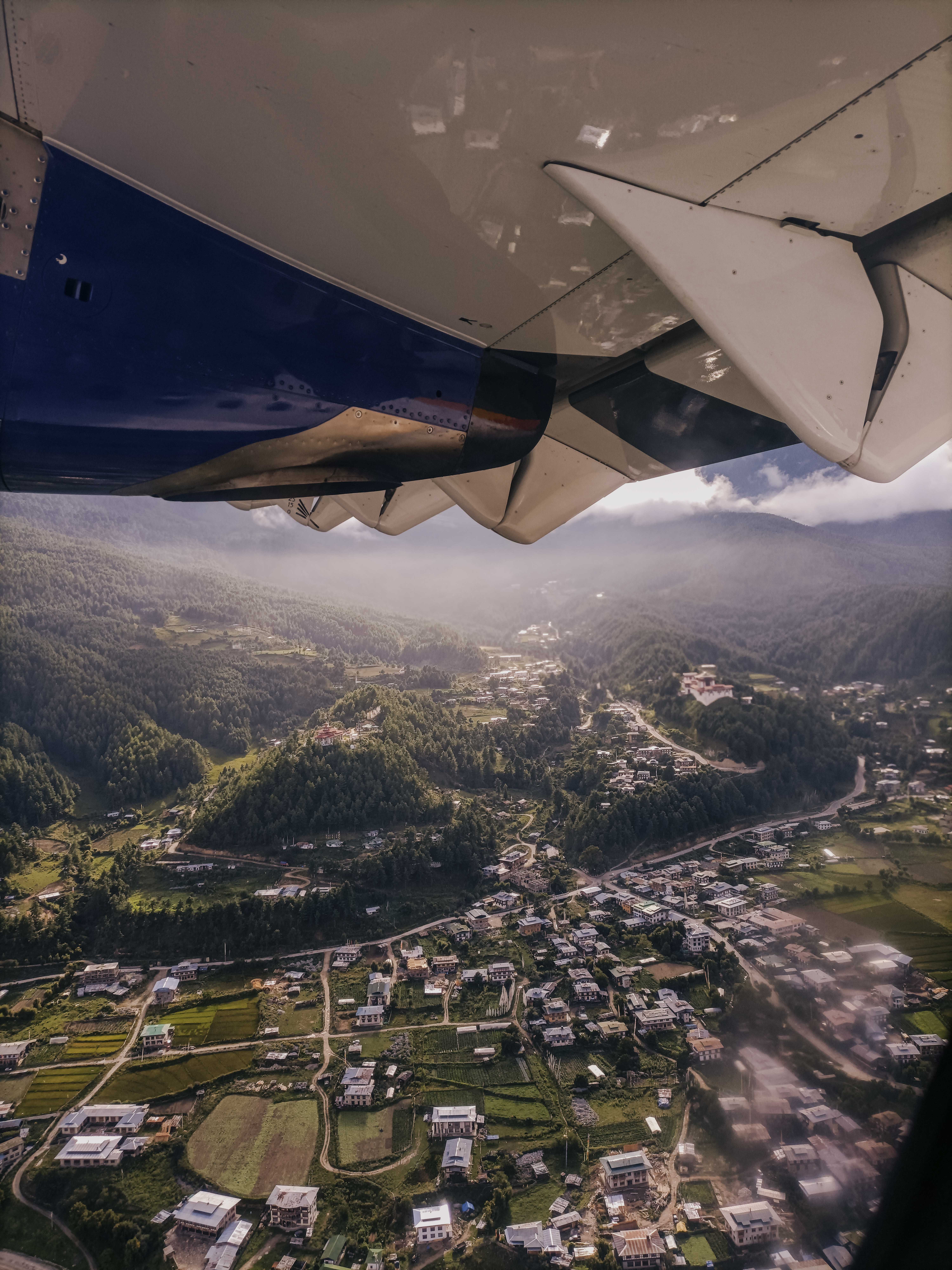
As a Bhutanese, I often get asked by curious travellers: “Where is your favourite place in Bhutan?”
✦
Perhaps they expect my answer to be the vibrant city of Thimphu, where I live, or the balmy riverside of Punakha, where my ancestral home is located.
The truth is, my answer is always Bumthang. Known as the ‘spiritual heartland of the nation’ – because of its many sacred sites and because it is believed to be the first place visited by Guru Rinpoche, Bhutan’s patron saint – this quiet valley in central Bhutan seems to find me whenever I need it the most.
My first trip to Bumthang was in 2011 as part of a volunteer artist camp. A socially awkward teenager, I struggled to connect with others. Yet slowly but surely, those sunny days spent interacting with the school children of Ura Valley and evenings around the bonfire with the Bumtaps (local people) helped me open up. I began to write about my experiences, and that budding love for storytelling followed me into college and beyond.
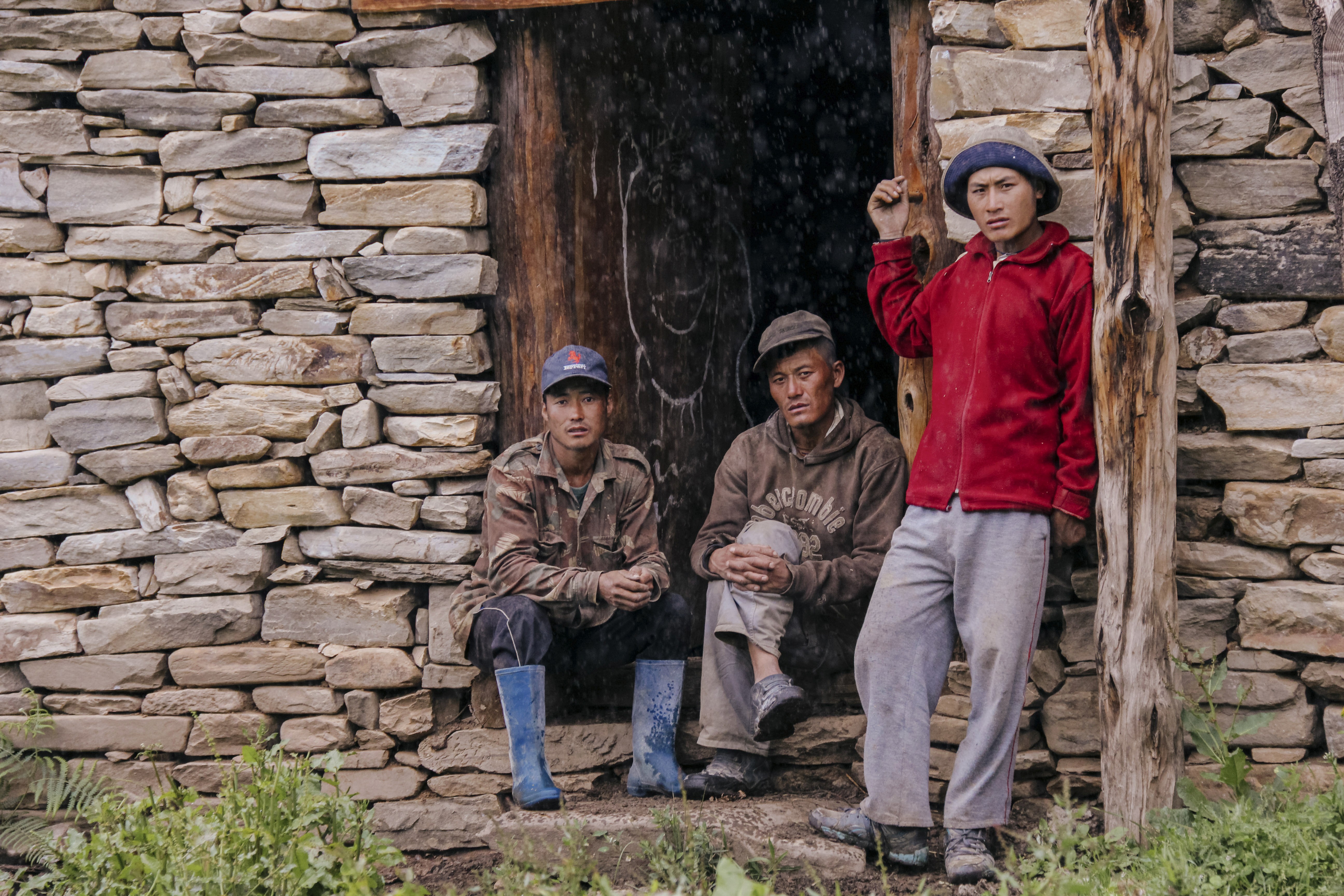
Photos: Kelzang Dorjee, Namgyal Tsheden (middle, right)
Almost a decade later, I went back. It was 2020 and I had just returned from several years studying and working abroad as an English teacher. My mother, an avid hiker, suggested a weekend trip to Bumthang and I readily agreed, hoping to take a break from job applications.
It was during this trip that I first visited Membar Tsho (also known as ‘Burning Lake’). According to legend, 15th century terton (treasure seeker) Pema Lingpa jumped into the water with a burning butter lamp to retrieve a sacred treasure after its location was revealed to him in a dream. As skeptical townsfolk looked on, it is said that he re-emerged holding a chest in one hand and the still-lit lamp in the other.
Listening to the rushing river, I reflected on the importance of believing – not just in wondrous tales, but also in yourself.
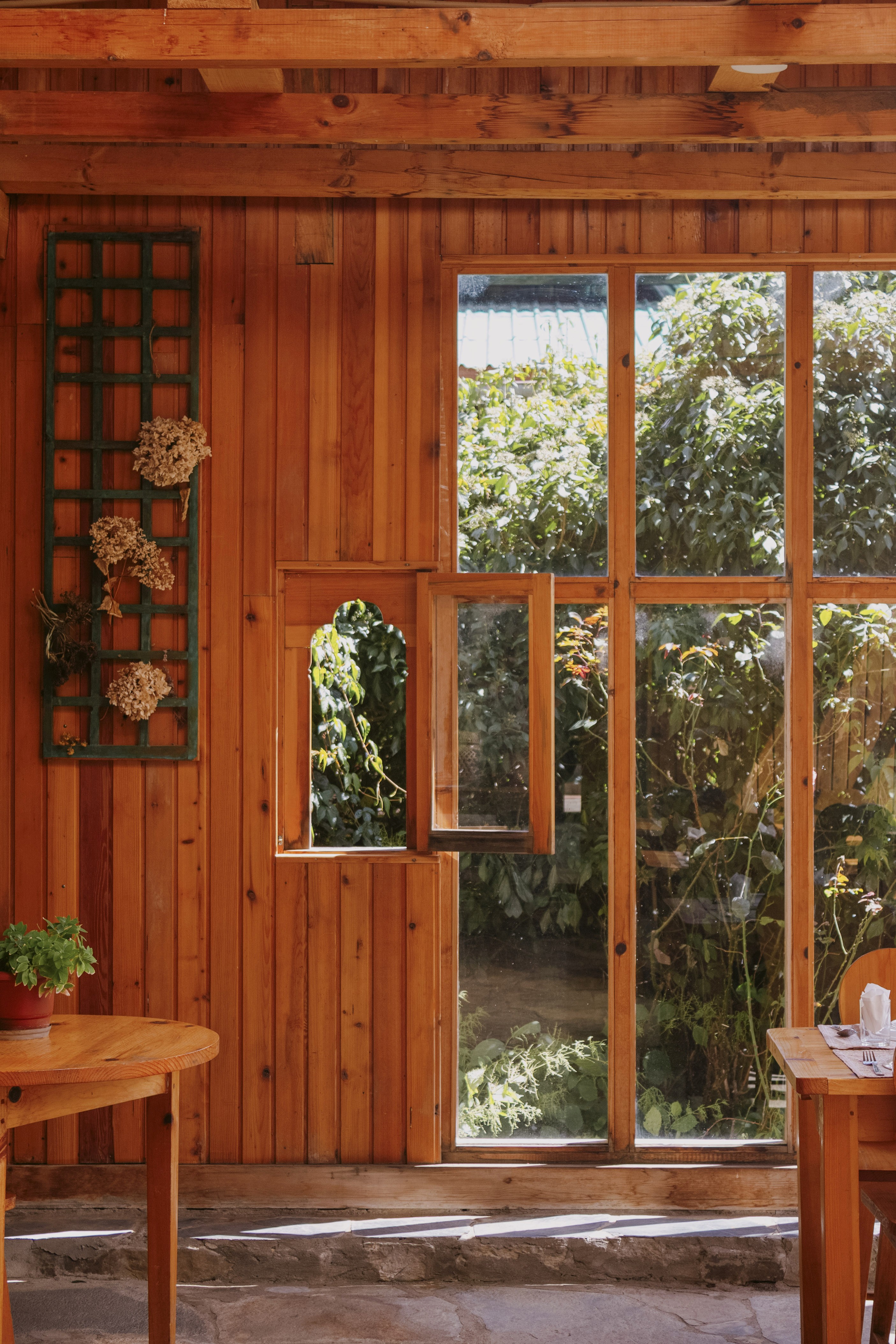
In the evenings, my mother and I stayed at the Swiss Guest House, Bumthang’s first guesthouse, run by a cheesemaker trained in Switzerland. We ate pizzas topped with local cheese, drank Red Panda beer from Bhutan’s first microbrewery, and reconnected after many years apart. That weekend getaway is still one of my favourite memories with her.
It was also during this trip that we visited the revered Jambay Lhakhang, one of Bhutan’s oldest temples, said to have been built by Tibetan King Songtsen Gampo in 659 CE in order to subdue a malevolent ogress.
Trying to find out more about this ancient girlboss, I stumbled upon a lifestyle magazine and digital media company called Yeewong Bhutan. In what you might call divine intervention, there was a job opening for a writer. I applied, got the job and continue to work with them on projects, where I get to meet people across Bhutan and tell their stories.
Photos: Kelzang Dorjee, Namgyal Tsheden (right)
Last year, I visited Bumthang again, accompanied by a friend who had never been. I was excited to introduce her to the magic of the valley, but also needed a distraction. Discouraged by setbacks in my professional life, I was beginning to question both my own capabilities and chosen career path.
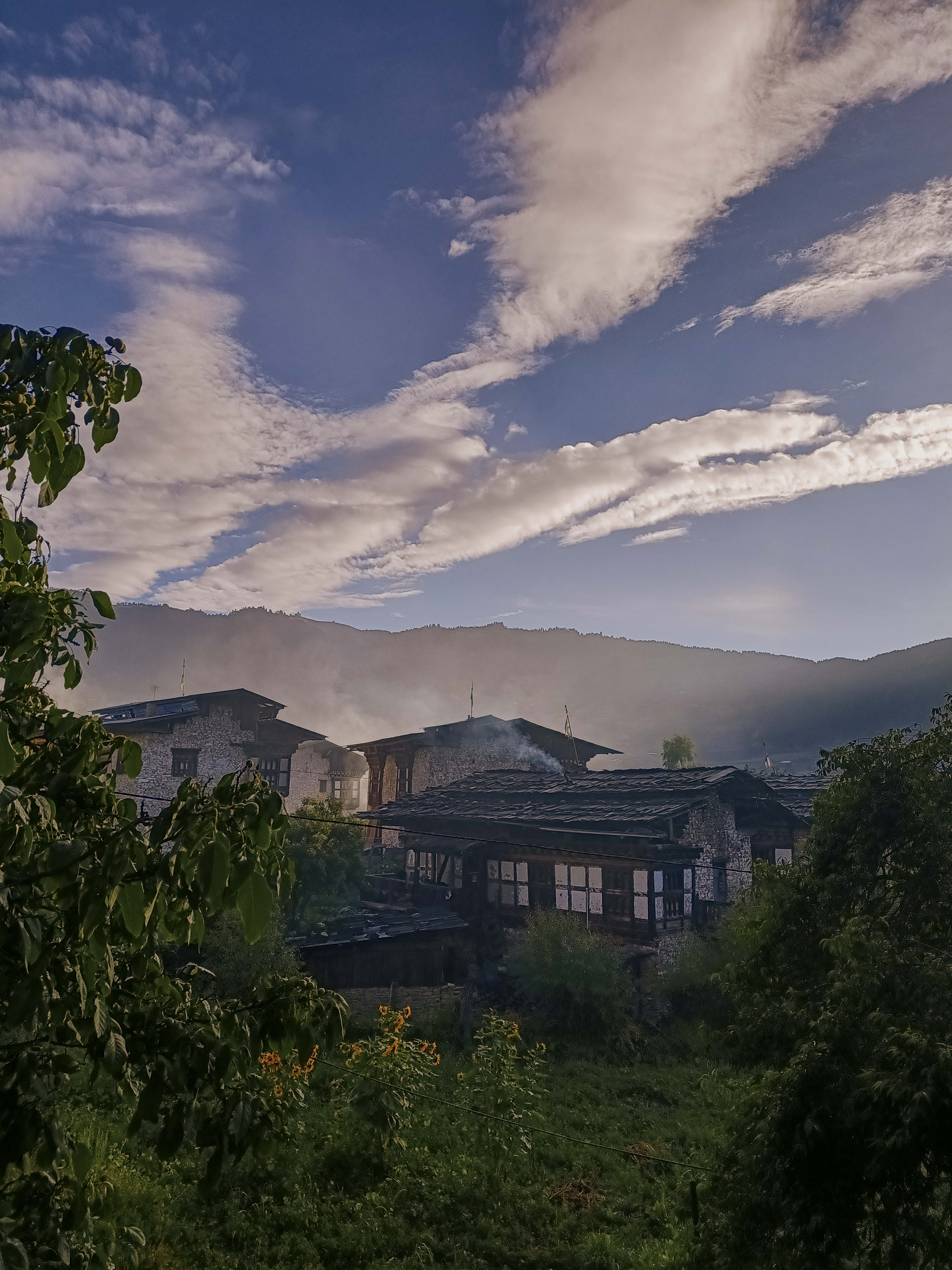
Setting aside my crippling existential crisis, we started our journey early from Thimphu. Though there is an option of a quick plane ride from Paro, we chose instead to take the long road: a scenic seven-hour drive where we could enjoy the crisp autumn air and roads framed by fields of pink cosmos and golden wheat.
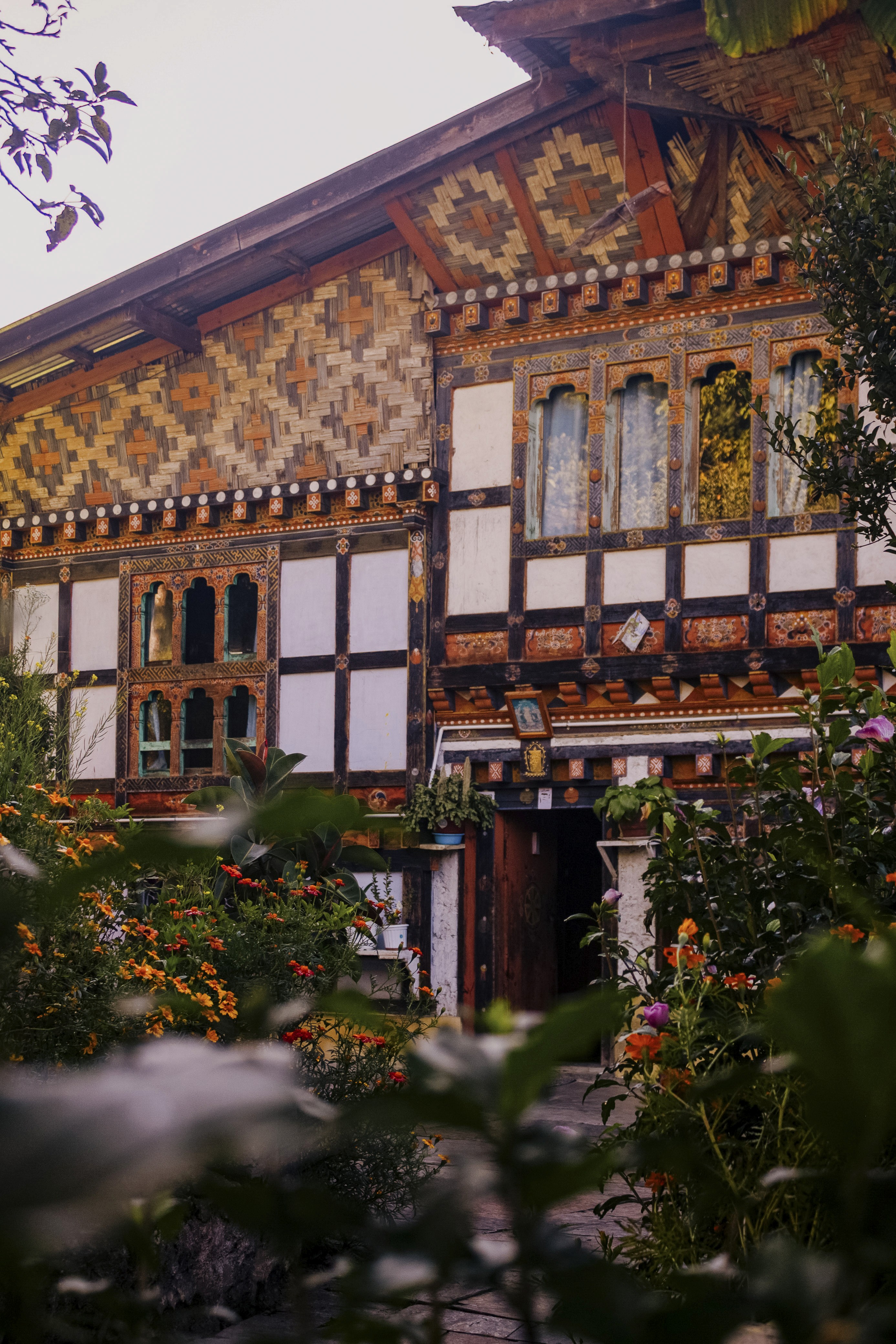
That evening, we were welcomed by our host and her husband to Dorjibee Tshomo Homestay.
Tshomo was warm, chatty and immediately introduced herself to us. Her husband, working quietly in the background, did not. We quickly understood that he was content to have her be the name and face of the business.
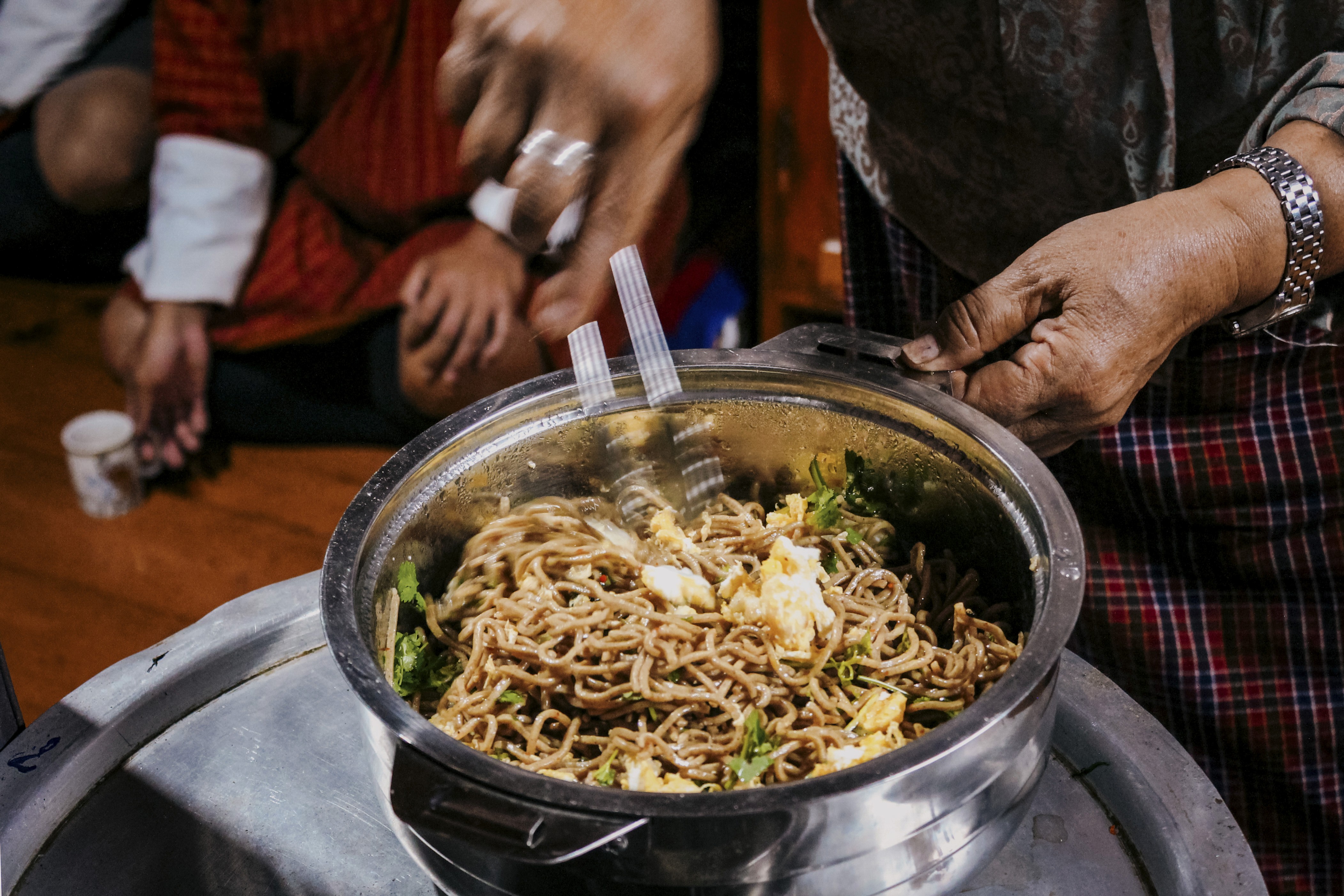
For dinner, Tshomo had prepared local delicacies of jangbuley (thin and flat noodles) and hearty puta (buckwheat noodles). While chatting with other visitors, we sampled ara (local liquor) infused with cordyceps. With a tired body but a lighter heart, I slept peacefully for the first time in weeks.
The next morning, we made our way through the bucolic Tang Valley to the Ogyen Choling Palace Museum, a historic manor that has been renovated into a museum and guest house. Once a noble family residence blessed by the great Buddhist scholar Longchen Rabjam, the museum now houses ancient artifacts, manuscripts and household items.
Here, we had the unexpected honor of meeting Kunzang Choden, whose family home it is. Aum Kunzang is also the executive trustee of the Ogyen Choling Foundation and the first Bhutanese woman to publish a novel in English. Although we couldn’t spend the night in these beautiful surroundings, we enjoyed a quick and filling lunch prepared by her and her team.
Photos: Kelzang Dorjee, Namgyal Tsheden (middle, right)
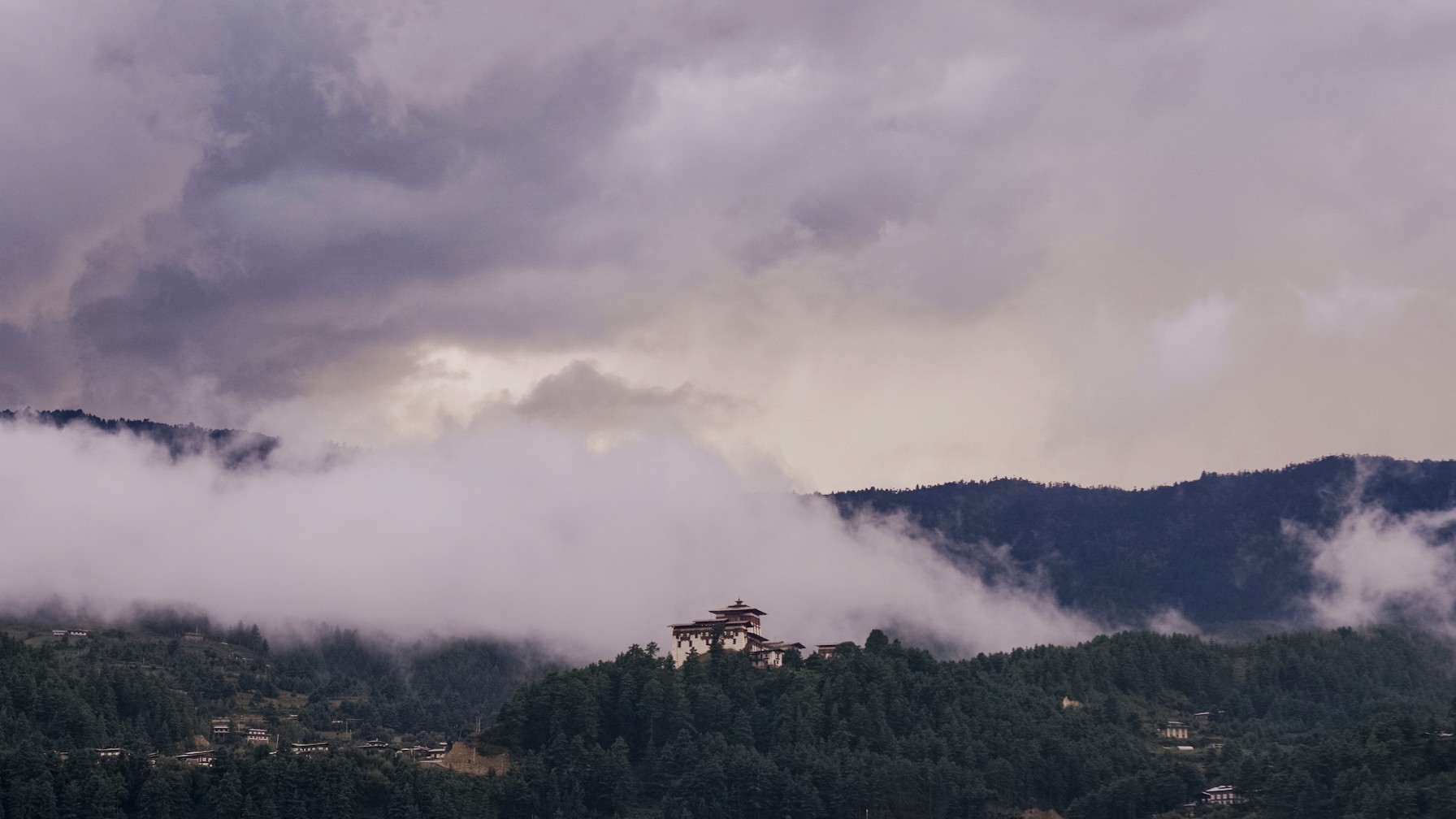
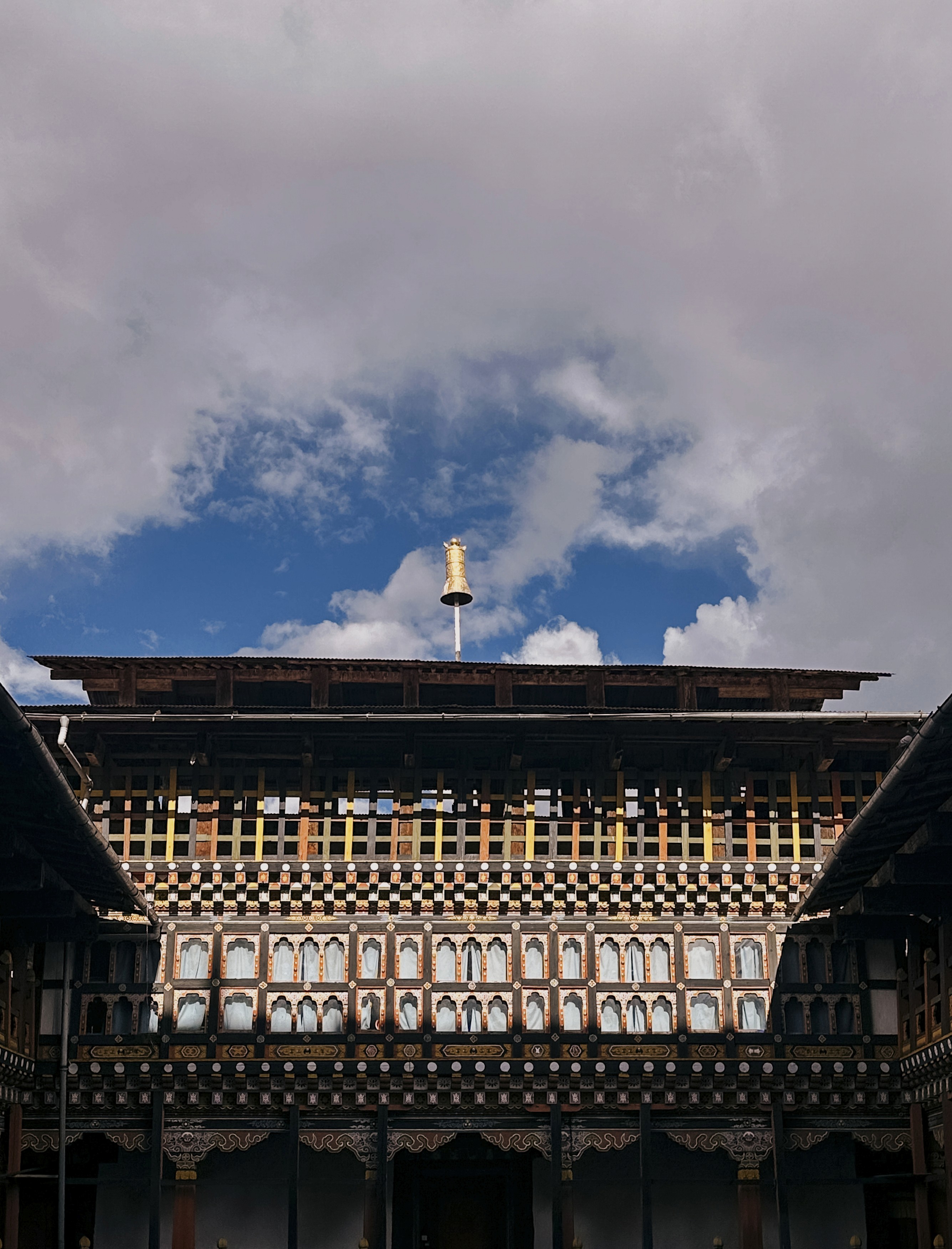
With the sunlight fast fading over the mountains, we found ourselves at Jakar Dzong. Although I have visited many such fortresses across Bhutan, this one captivated my imagination with its unique story. Dubbed the “Castle of the White Bird” from the legend of a white bird that flew to this auspicious site, this dzong played a crucial defensive role during 17th-century battles against invading Tibetan forces.
In a sign of the peaceful era we live in, my friend and I were mostly ignored by the guards on duty at the dzong and the monks living within its walls.
We were free to wander the courtyard, where I was humbled by the rich architecture that spoke of the resilience of our people and leaders. Walking through the quiet corridors, I could imagine the fierce wars that were once waged in this spot, and the decisions made that would shape the future for many generations to come.
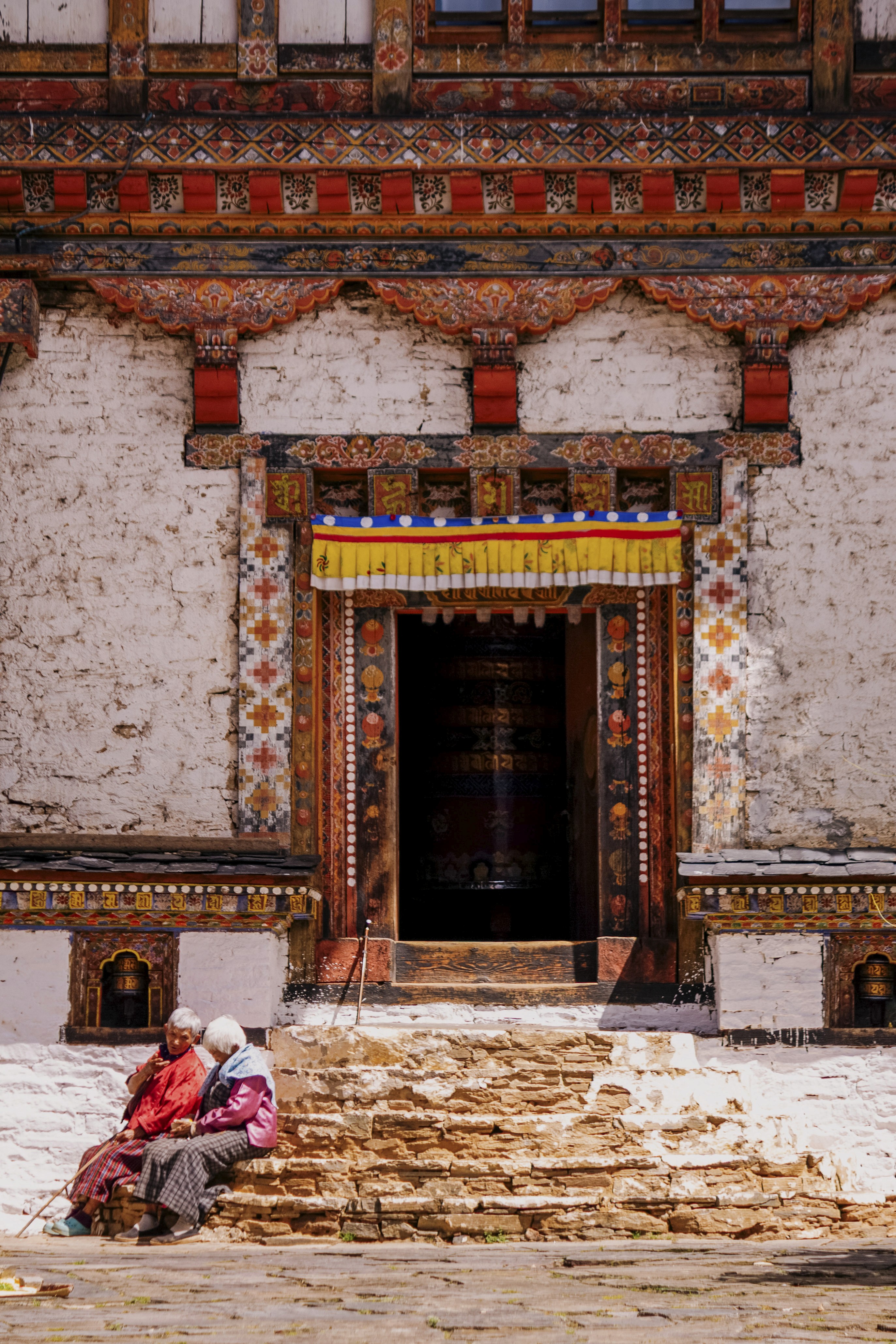
Our final visit was to Kurjey Lhakhang, a deeply sacred site where Guru Rinpoche (the enlightened saint credited with spreading Buddhism in Tibet and Bhutan) is said to have meditated in the 9th century, leaving an imprint of his body on a rock that remains enshrined within the temple.
The complex, surrounded by 108 chortens (shrines) and a towering cypress tree, forms the perfect backdrop for deep thoughts and musings.
Walking through the temple grounds and praying at the shrines, I felt truly at peace. Although not religious, I have been raised with Buddhist beliefs about cycles of suffering, rebirth and nirvana, and while I am very far from enlightenment, this brief trip helped put my problems into perspective and also rekindled my passion for writing.
Bumthang has met me as a shy teenager, a searching young adult, and now, a woman still learning to trust her own rhythm. This is why it will always be my favourite place in Bhutan – as somewhere where treasure hunters, cheese lovers and especially soul seekers, can find exactly what they are looking for.