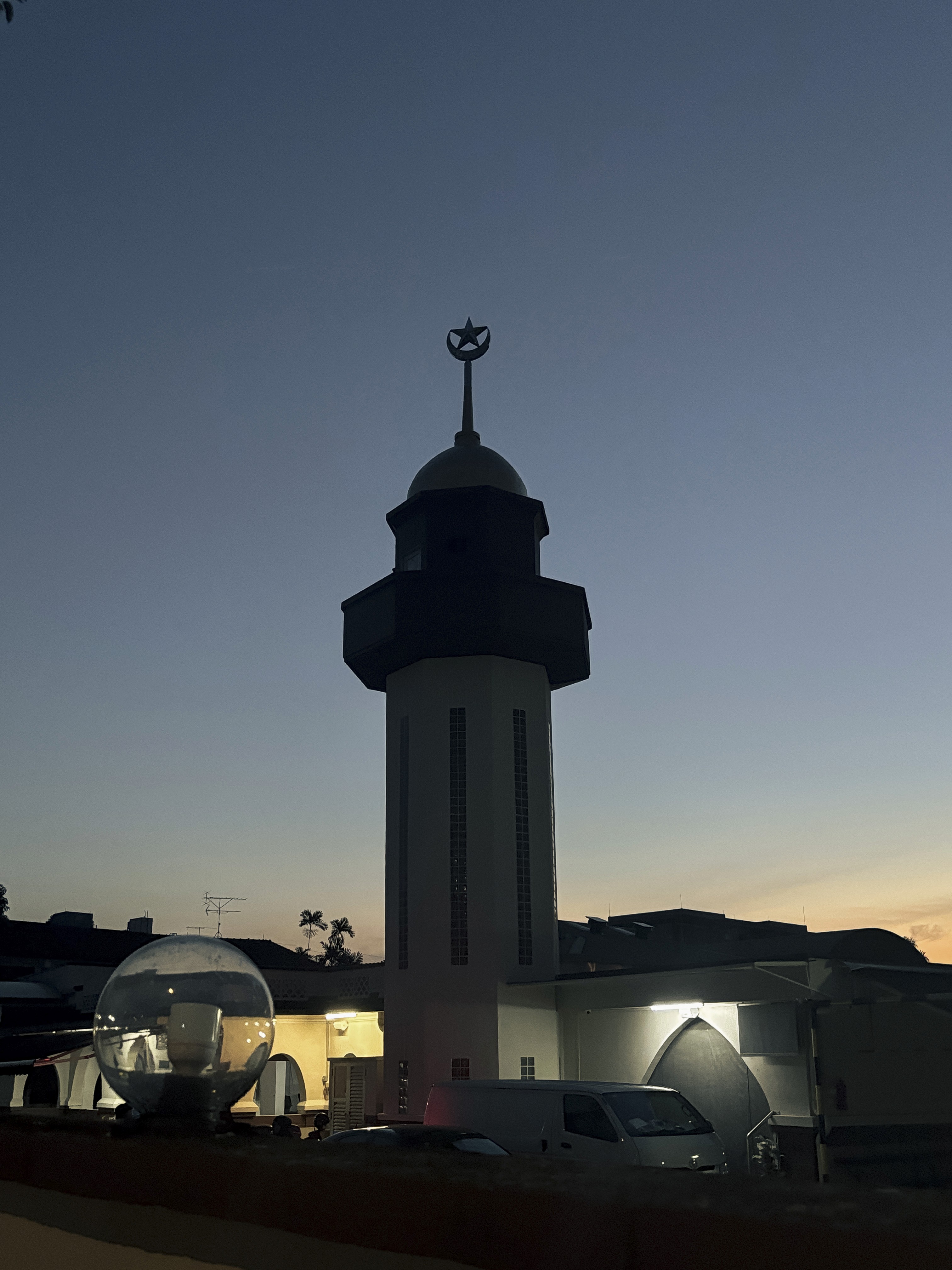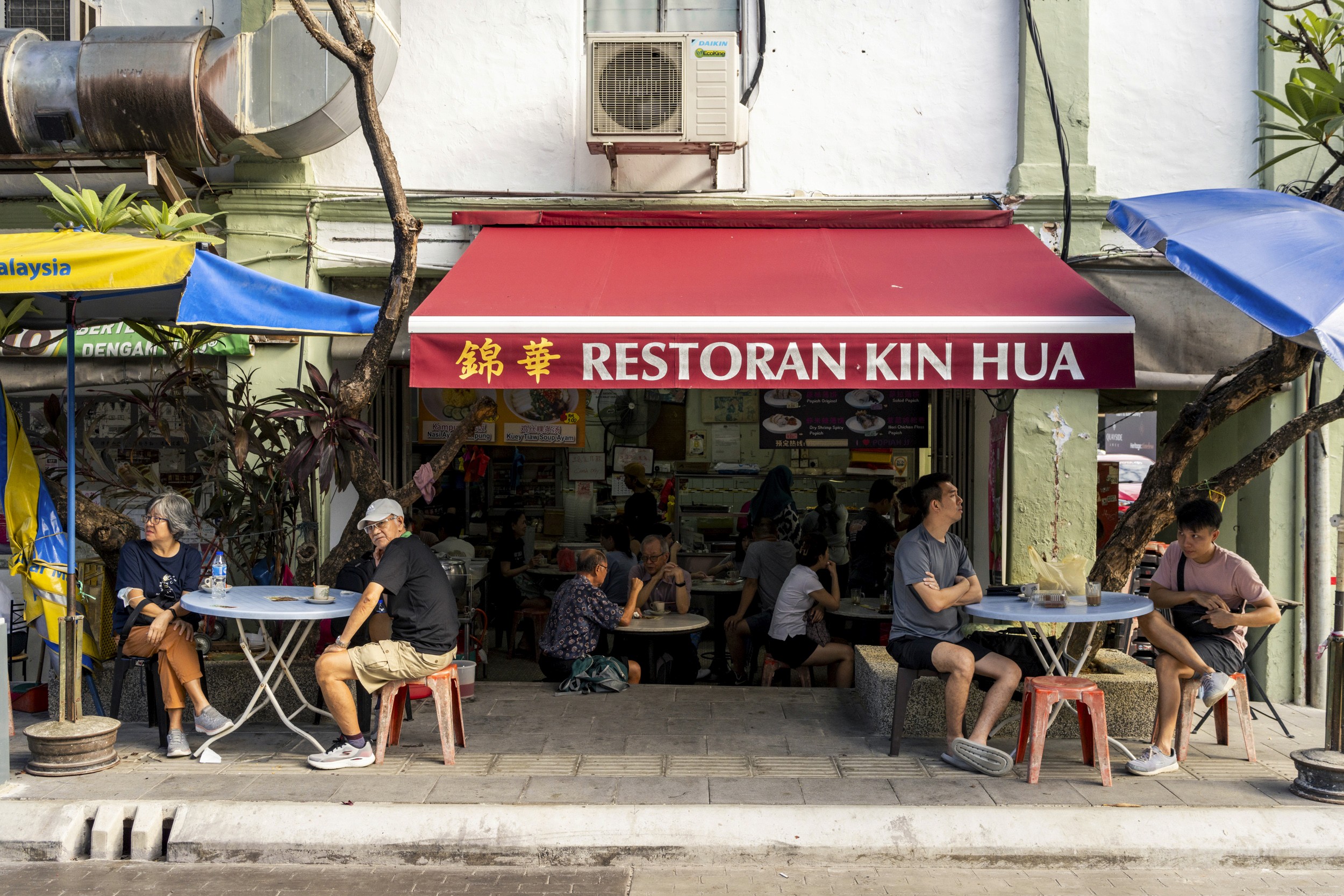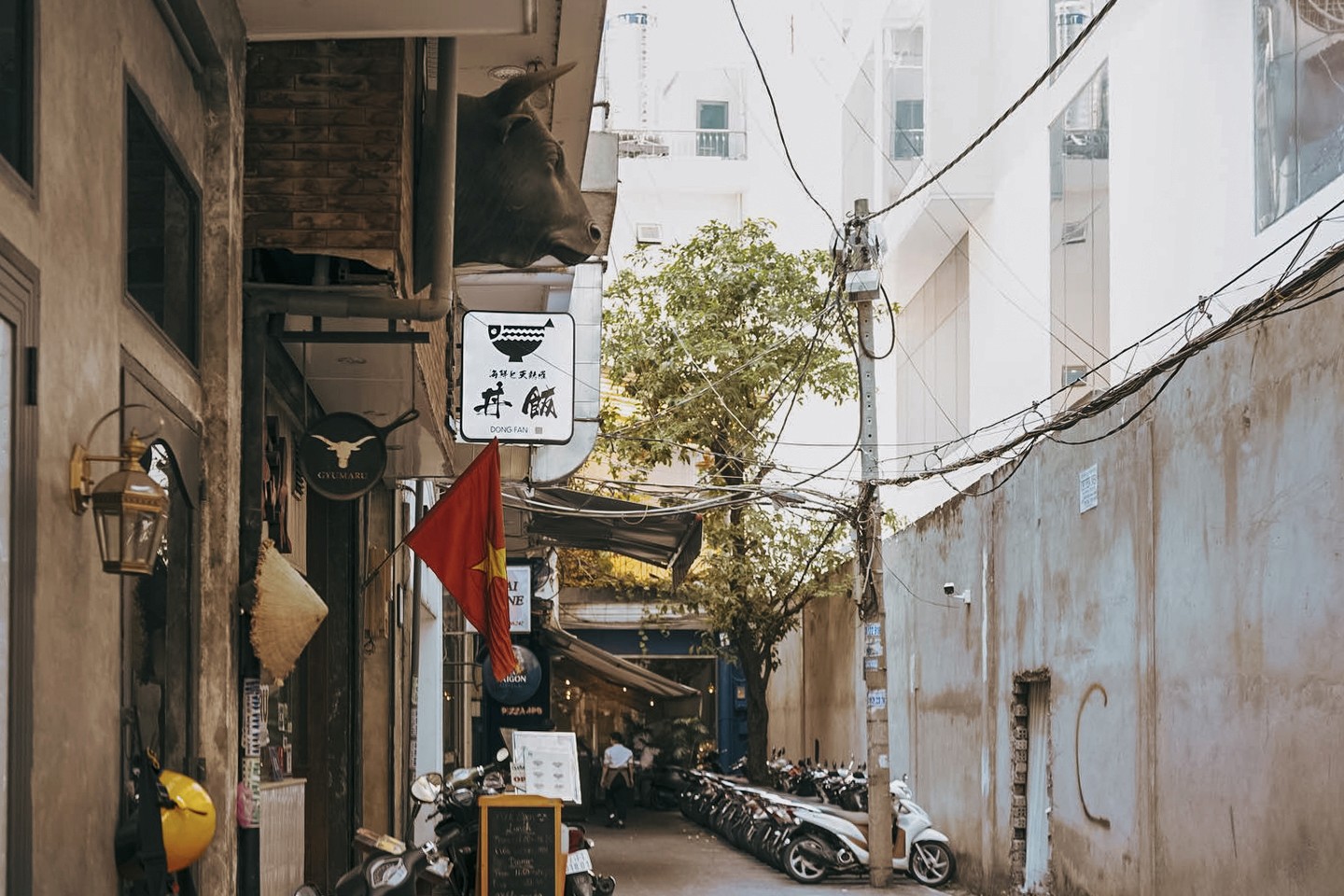
Saigon’s District 1 has the kind of ubiquitous gloss any city chasing economic success wears: shiny office towers; Michelin-approved restaurants; an overall sense of being in a hurry.
✦
But slip off the district’s main thoroughfare of Lê Thánh Tôn into its back alleys, and the landscape shifts. Neon kanji signs buzz in the dark, lanterns decorate doorways, smoke curls slowly from yakitori grills – and you find yourself in Japantown, the city’s best-kept foodie secret.
A hidden history
Japantown didn’t appear overnight – its roots run deep. In the 16th century, Hội An was one of Asia’s largest Japanese merchant quarters (the Japanese Covered Bridge there stands as proof). Later, after Vietnam’s Đổi Mới economic reforms from 1986, Japanese corporations began arriving in Saigon with the ingredients for a self-contained community in tow.
What you’ll find here, then, isn’t some cosplay version of Japan. The chefs, menus and often even the clientele are Japanese. Ingredients – from fish to rice, soy sauce and sake – are flown in from Japan weekly, sometimes daily.
The result is one of the most authentic and surprisingly affordable pockets of Japanese dining outside the Land of the Rising Sun itself.
But food is only half the story. Locals know Japantown has two sides: its ramen counters, izakayas and tonkatsu spots hunker alongside after-dark hostess bars, karaoke lounges and neon-lit whiskey dens. Part comfort-food haven, part red-light district, this is an area that rarely sleeps.
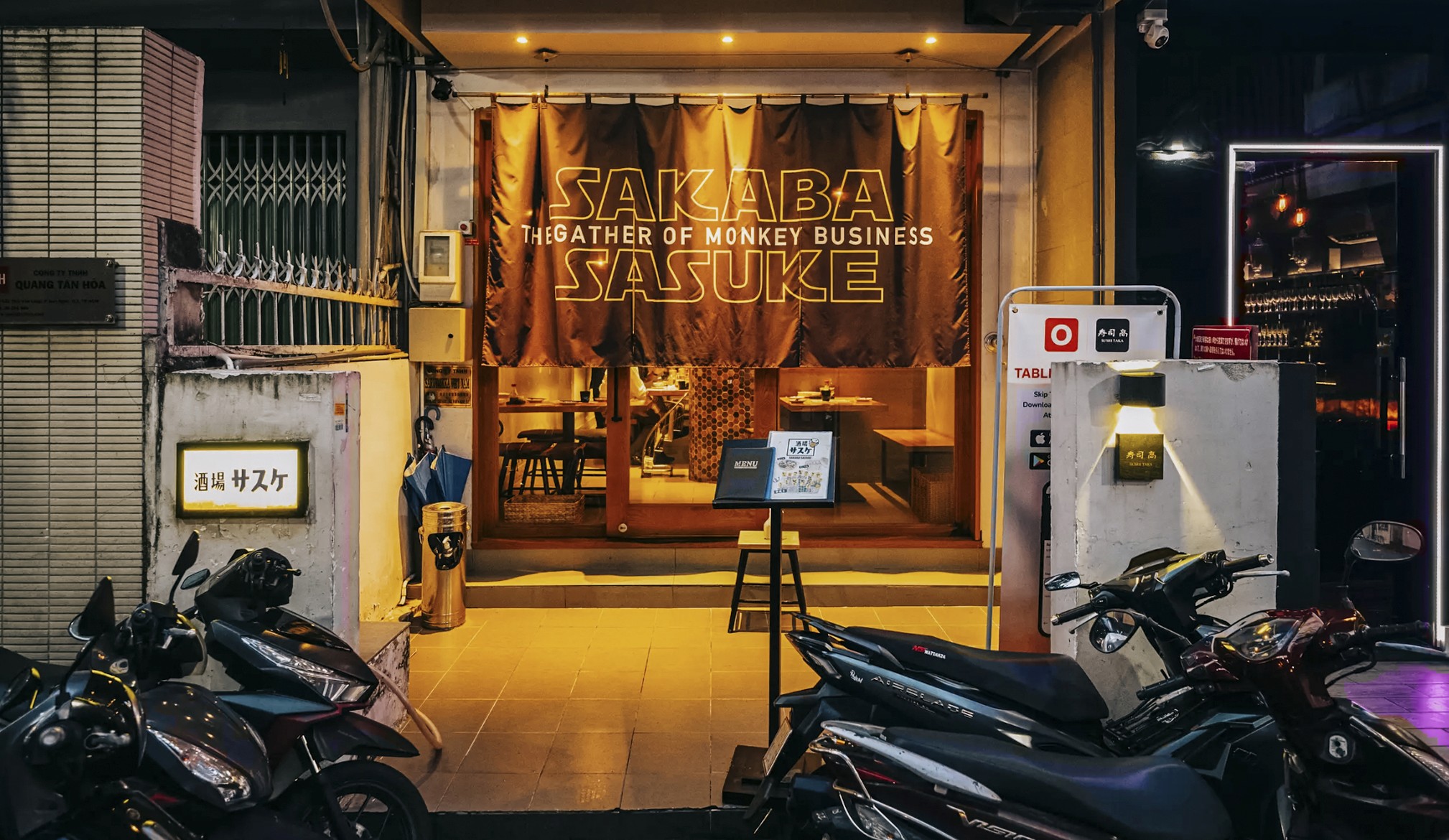
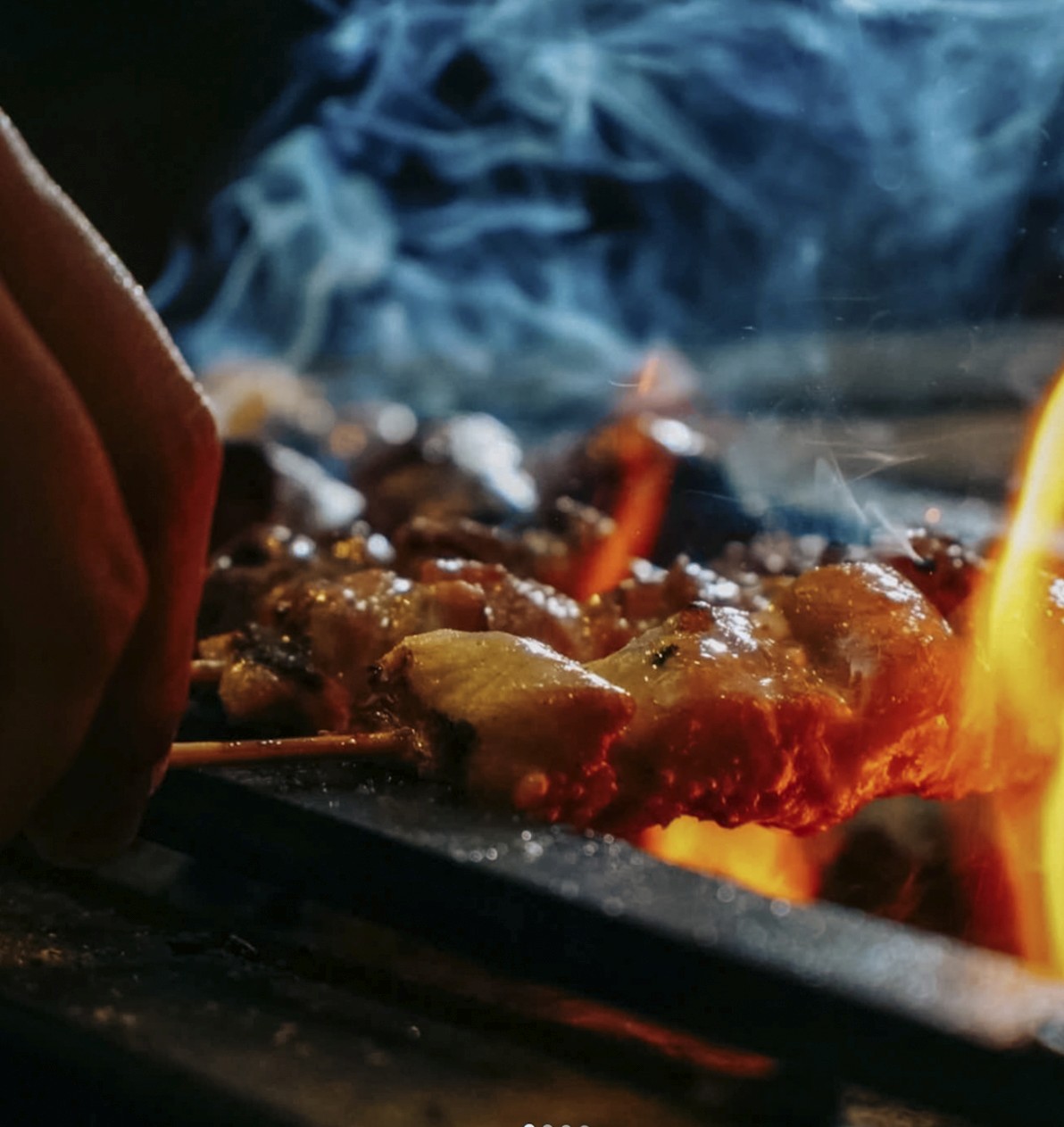
Lead photo: Dong Fan. Above photos: Sakaba Sasuke
How to eat like an insider
With its layered, chaotic and slightly surreal vibe, Japantown isn’t the kind of place you wander through casually to find something to eat. The best spots are hidden behind noren curtains or a flicker of lantern. Menus are in Japanese, staff speak mostly Japanese or Vietnamese, and without an introduction, you’ll probably miss the good stuff.
I’ve spent years exploring these streets and recommend making a beeline for these spots:
Sakaba Sasuke
📍 8A/A22 Thái Văn Lung, District 1
The dramatic, Star Wars-style noren at the door says it all (in charmingly halting English): “The Gather Of Monkey Business.” Step inside, and it makes sense. Compared to some of Japantown’s cluttered izakayas, Sasuke feels stripped-back, although the food is anything but.
Upon entering, you’ll see a large Japanese hot pot simmering with niku dofu, a classic beef and tofu stew that’s one of Sasuke’s signature dishes. The rest of the menu is equally mouthwatering: eel wrapped in fluffy omelette, horse mackerel fried to a crunch, tofu crowned with simmered beef, and yasai kushimaki – vegetables rolled in pork belly.
The standout for me though, is the mushi tsukune, Sasuke’s golf-ball-sized steamed chicken meatballs served four per order and flavoured with everything from traditional Japanese staples like seaweed, mentaiko, burdock or sesame, to aromatics like chives, ginger or garlic. Sometimes, you get unexpected additions like shellfish, hard-boiled egg or sausage, too. The flavours rotate weekly, ensuring no two visits are the same.
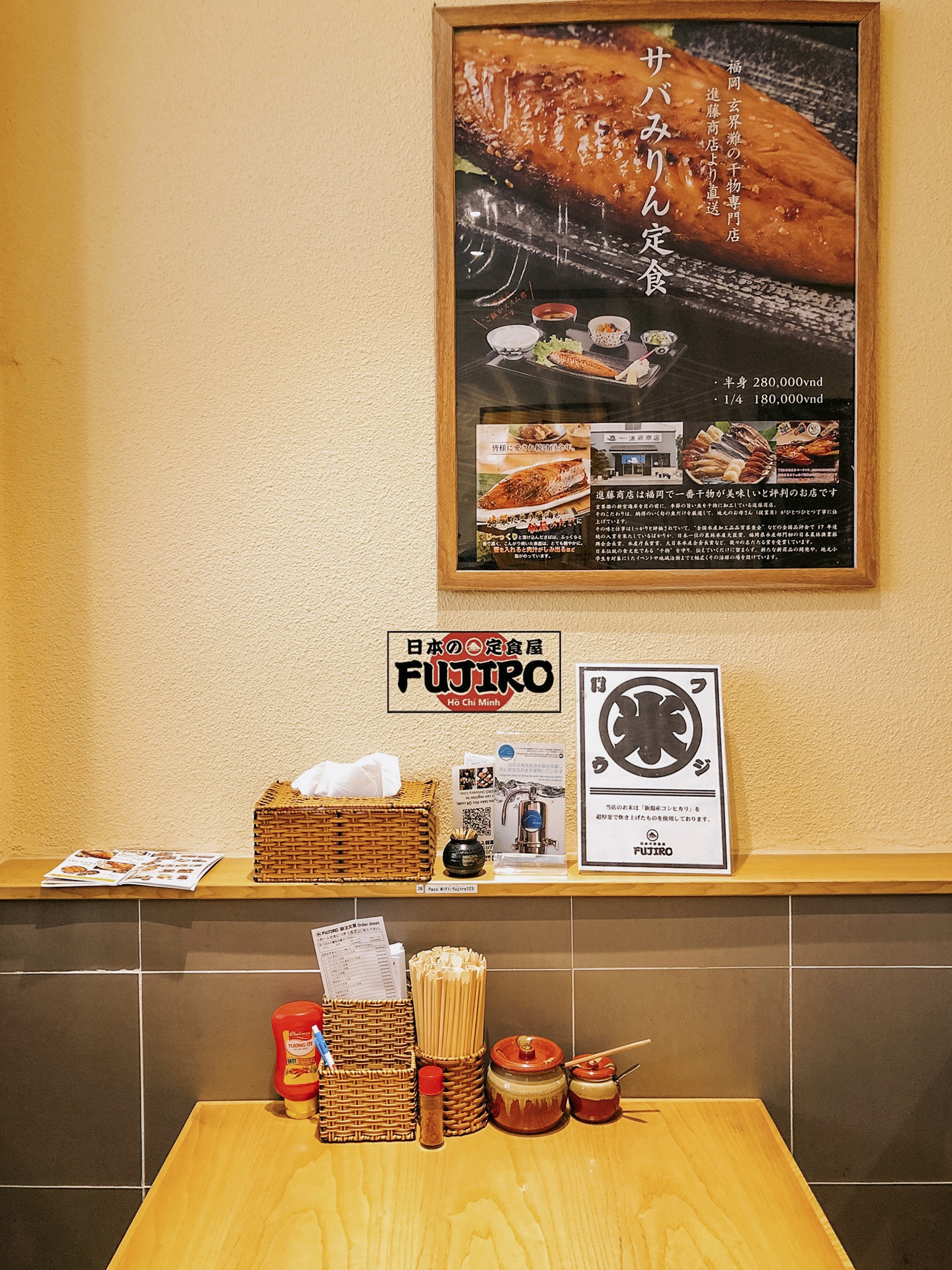
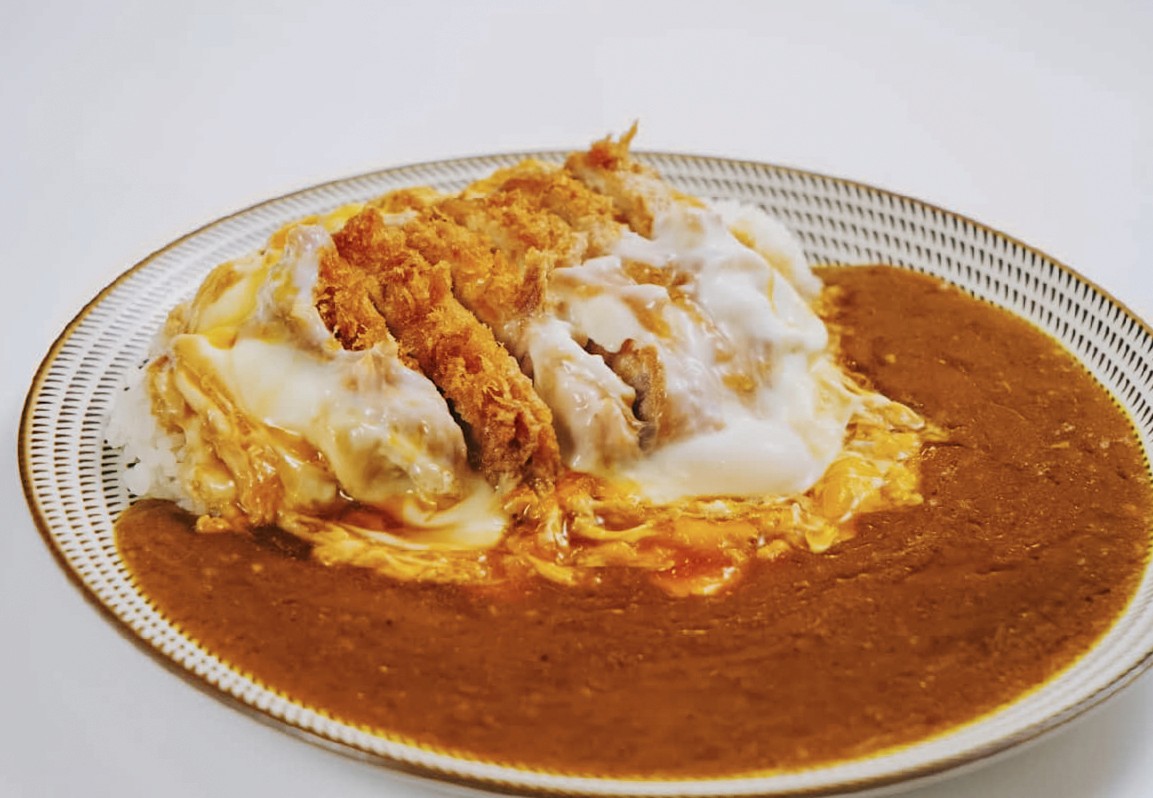
Photos: Fujiro
Fujiro
📍 8A/8B1 Thái Văn Lung, District 1
Every Japanese expat will tell you the same thing: Fujiro is the tonkatsu spot in Saigon. End of story. Tucked inside Japantown’s maze, the cutlets here are fried to order, with a shatteringly crisp panko crust encasing juicy pork, and served with a mountain of shredded cabbage, rice, and miso soup.
The bestseller is the Katsutoji Set, where the cutlet comes simmered with egg and onions for katsudon-like comfort.
You’ll have to wait for your food, but it’s just proof that nothing here sits under a heat lamp.
Or go off-peak for quicker service. Sets range from about VND98,000 to VND260,000.
Ittou Ramen
📍 Lê Thánh Tôn, District 1
Tiny, no-frills, and always bustling, Ittou Ramen is all about the noodles, which are hand-pressed daily and come with that perfect chew that ramen fans obsess over. (You can even customise their doneness, a small but meaningful touch for ramen perfectionists.)
The broth is rich, thick, and full-bodied, balanced with fresh ingredients, and can be adjusted with wari soup, a fish-based addition that softens saltiness while adding natural sweetness.
If you’ve got space, don’t skip the gyoza: petite, flavourful and pan-fried to perfection. Bowls cost around VND150,000, a steal for handmade ramen of this quality. Add to this the attentive, low-key service, and it’s no wonder Ittou keeps ramen lovers coming back.
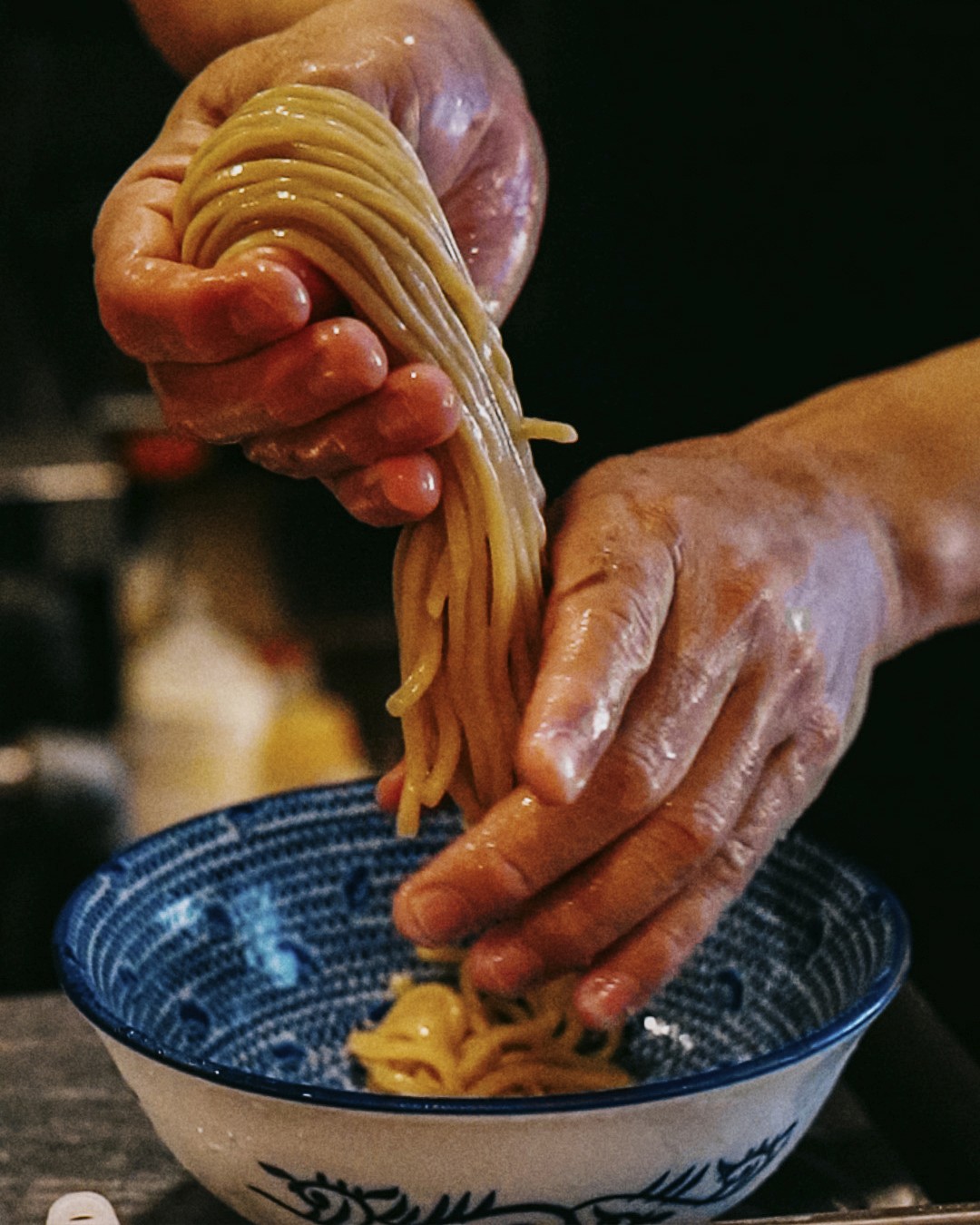
Photos: Ittou Ramen
Sushi Don
📍 Lê Thánh Tôn, District 1
Tucked down a narrow alley off Lê Thánh Tôn, Sushi Don may look modest with its small sushi counter and handful of tables plus a few private rooms. But don’t let that fool you. This is serious sushi, just without the omakase price tag. Chef Shinichi Ueda, trained in kaiseki and kappo, keeps things precise yet approachable.
The 12-piece Nigiri Lunch Set (VND258,000) is a standout: thick cuts of tuna and seasonal fish perched on lightly vinegared Hokkaido nanatsuboshi rice, paired with warm miso soup.
Other essential orders include the Two Kinds of Charcoal-Grilled Fish Set (VND188,000) – which comprises perfectly salted mackerel and glazed yellowtail – and the Date Maguro Tuna Platter (VND188,000), showcasing lean and medium-fatty tuna.
Dong Fan
📍 Thái Văn Lung, District 1
Parked in a narrow alley above a bustling ramen spot, Dong Fan is an intimate space with just 15 seats. Its seafood bowls, however, are anything but modest. The kaisendon is the star – a generous mountain of raw salmon, sea bream, ikura, octopus and creamy Hokkaido uni over seasoned rice.
Every cut is fresh, precise and visually striking, showing the care and skill that goes into each bowl. Better yet, prices hover around VND250,000 to VND350,000 per bowl – exceptional value for this level of quality.
Tempura lovers should make room for the tendon too: plump, sweet, crisply battered golden prawns over perfectly steamed rice, a contrast of texture and flavour that hits just right.