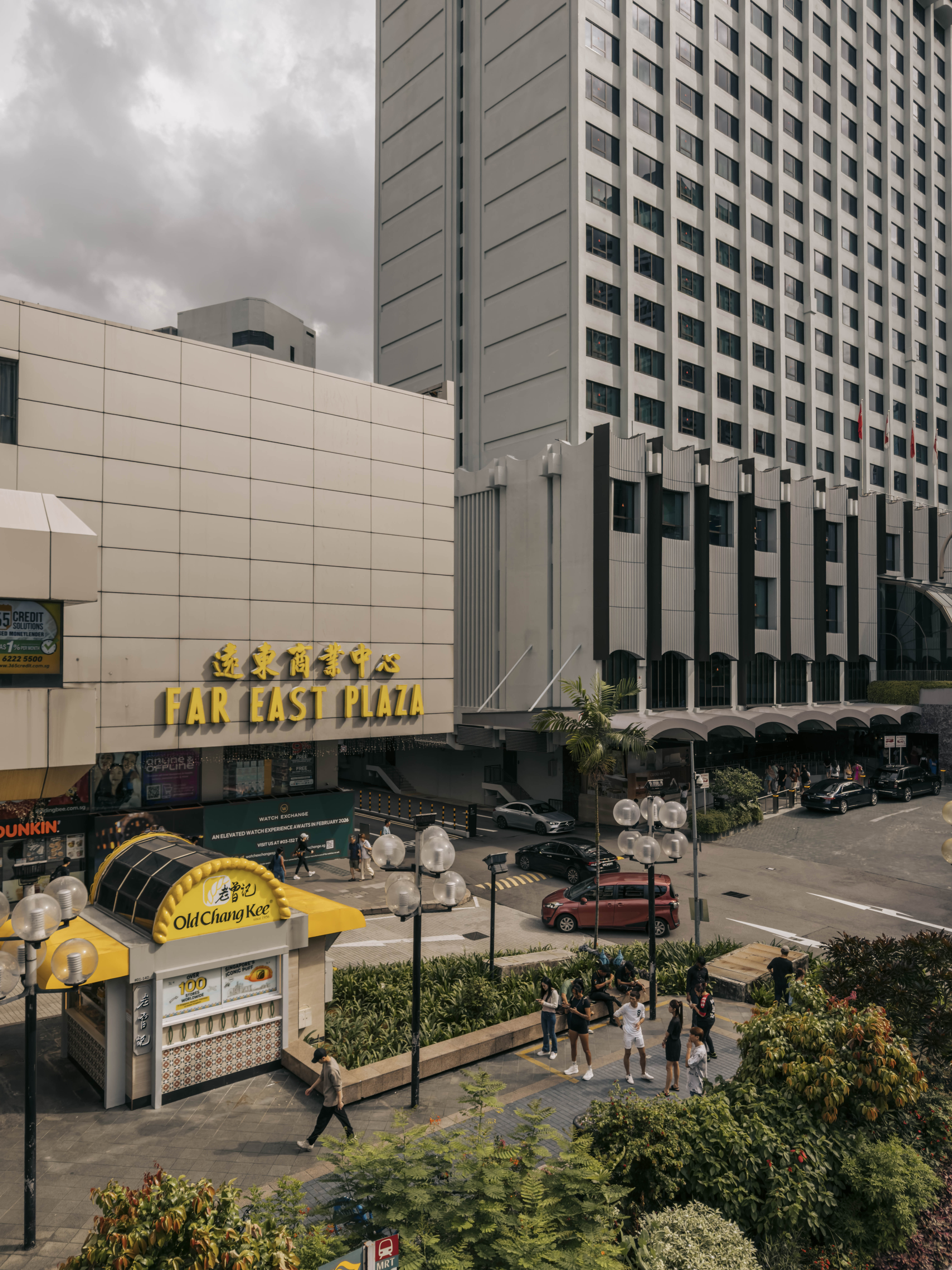
As a teenager in the early 2000s, I spent countless hours wandering the dim corridors of Singapore’s Far East Plaza shopping centre.
✦
I’d linger at streetwear hotspot 77th Street, coveting baggy Alien Workshop jeans, or try on crop tops and mini skirts at This Fashion, the local stand-in for H&M before it arrived on our shores.
Once we were done window-shopping, my friends and I would head to the fifth floor for a plate of chicken rice, then prowl the jumble of tiny fashion stalls on the upper floors of the mall. Bubble tea in hand, we would hunt for studded belts and silver chains that promised an aura of cool my gawky teen self didn’t actually possess.
I didn’t realise then that Far East Plaza’s eclectic mix of tenants existed because of its status as a strata mall.
Unlike the polished malls of today with their formulaic mix of big brand stores, food courts and supermarkets, older places in Singapore like Far East Plaza, Lucky Plaza and Queensway work differently.
Instead of being managed by one landlord, they comprise individually owned units, each one reflecting its owner’s quirks, passions – and, sometimes, sheer stubbornness.
That patchwork ownership is what gives strata malls their soul: sneaker resellers parked next to travel agencies, tattoo studios down the hall from reflexology joints, noodle stalls squeezed between thrift stores.
There may not be much “curation” to the mix of shops found in strata malls, but many have long served as third spaces for niche communities, offering them a place to gather, connect and explore shared interests.
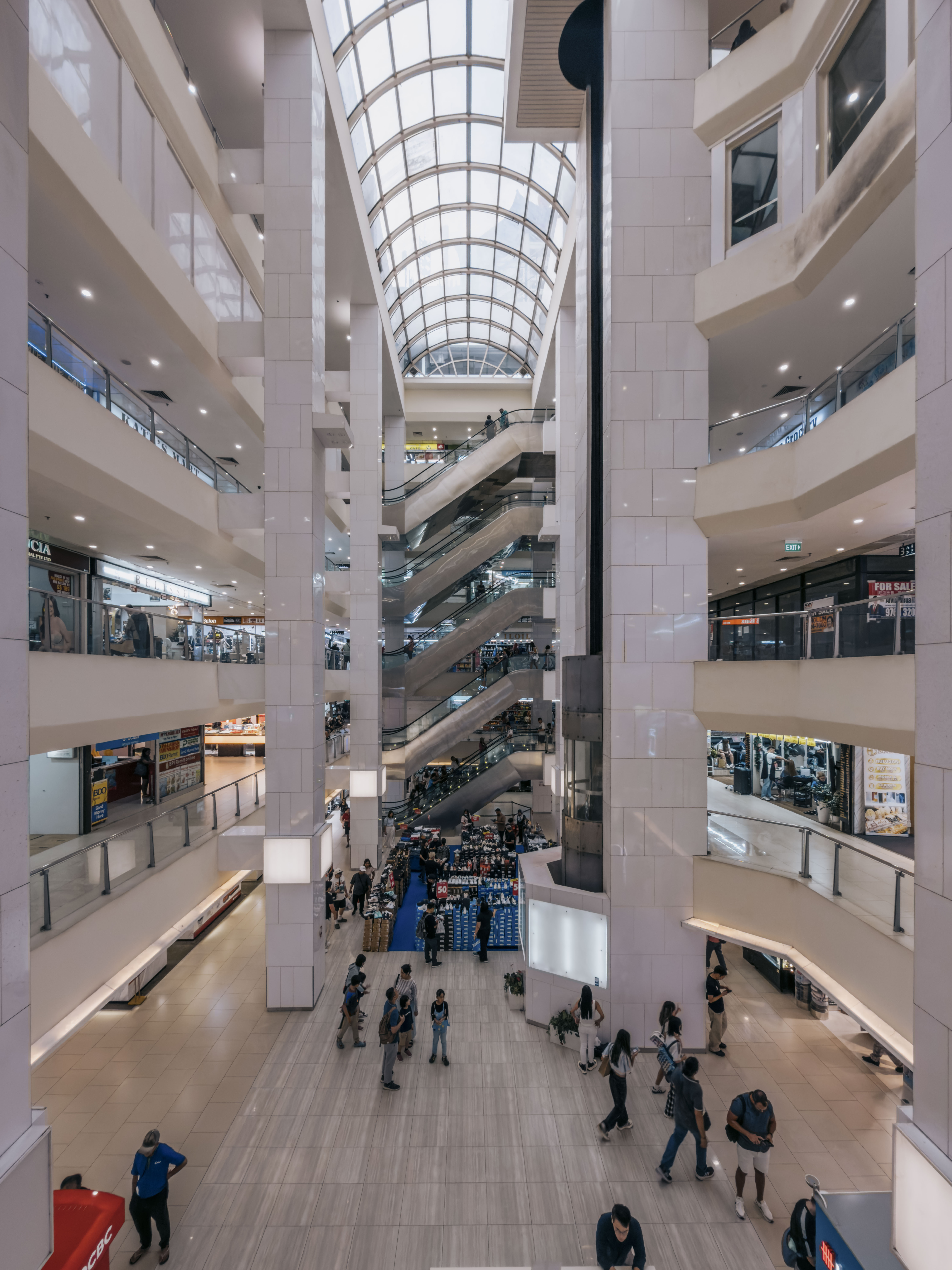
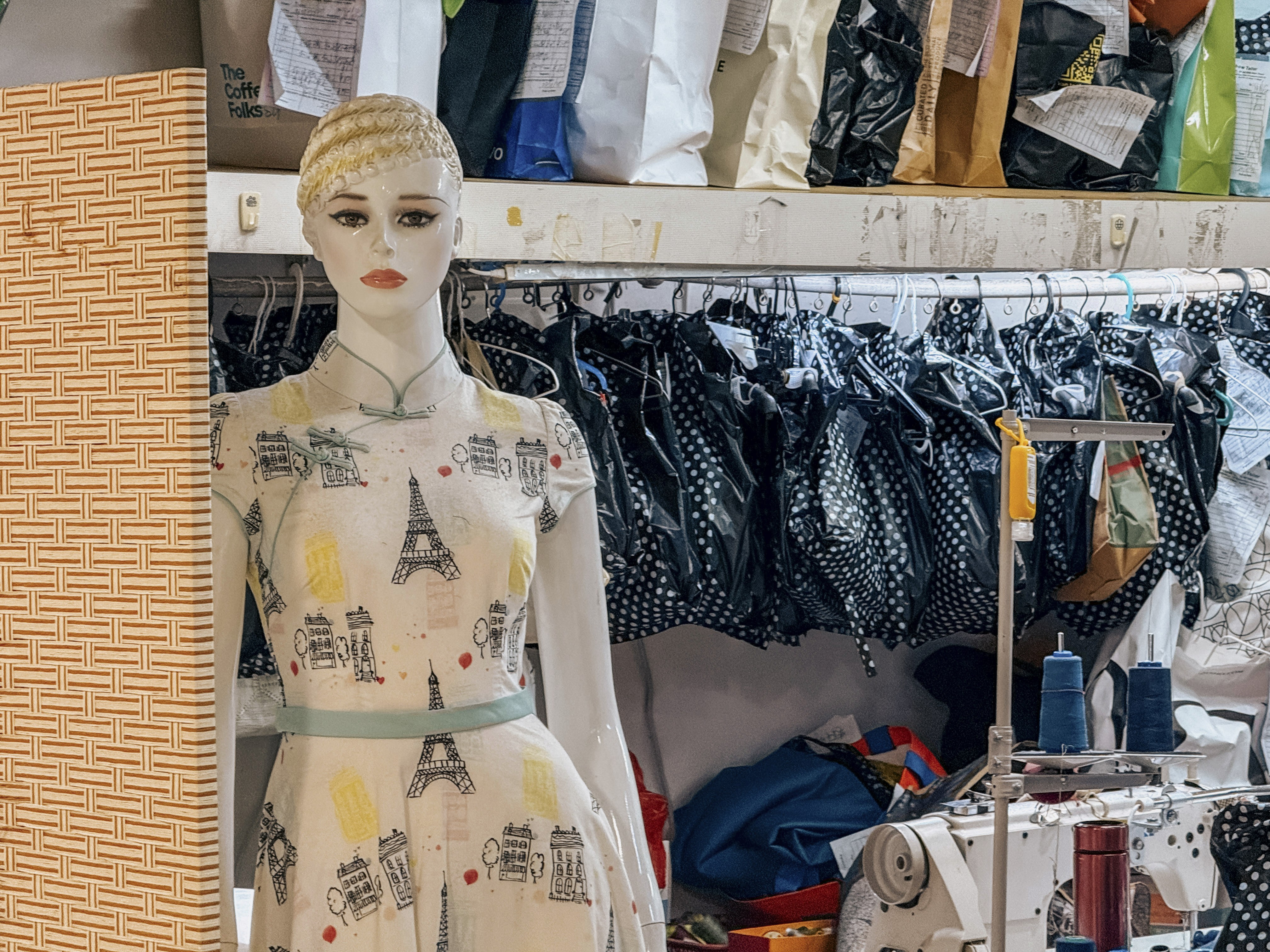
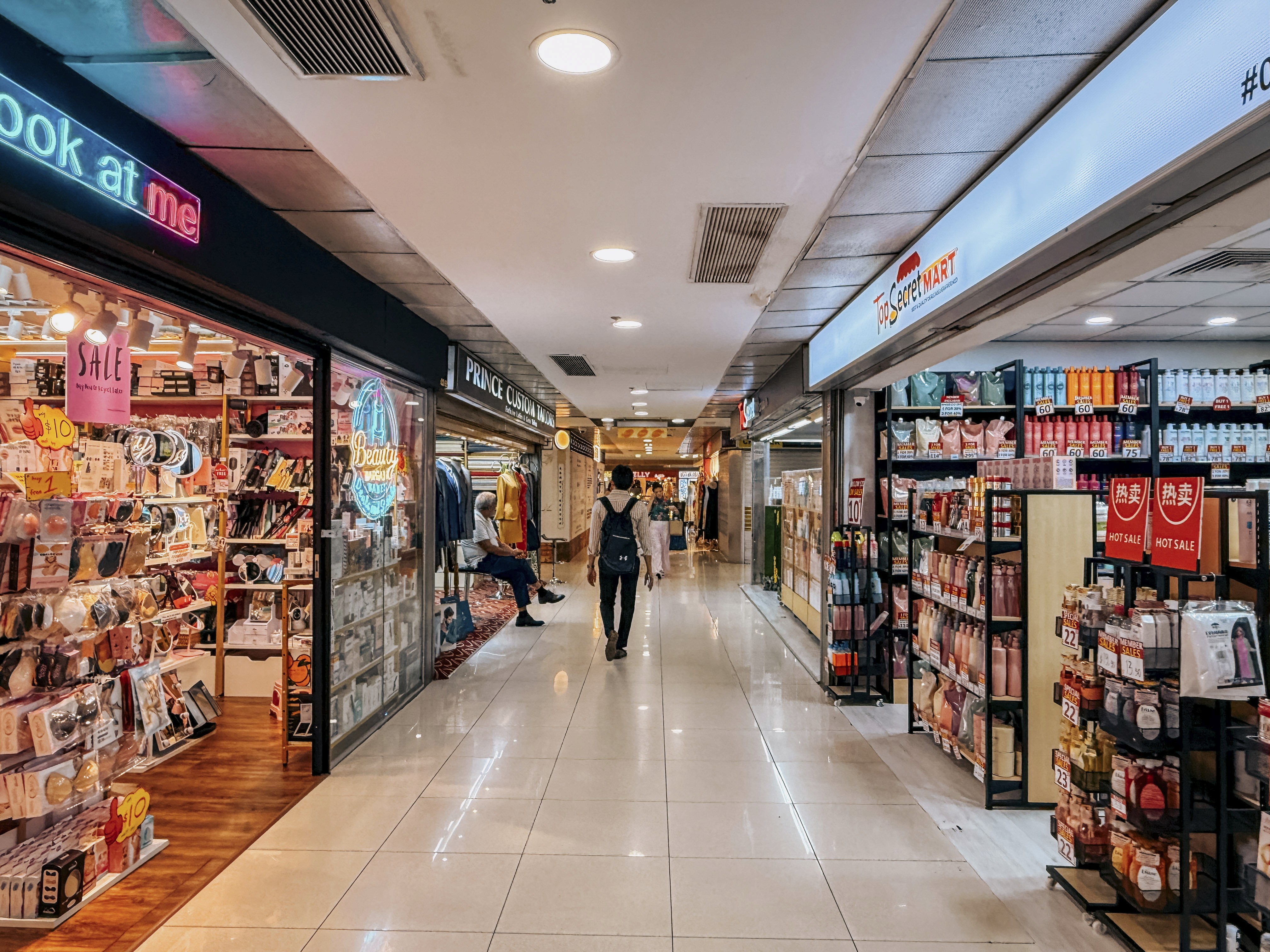
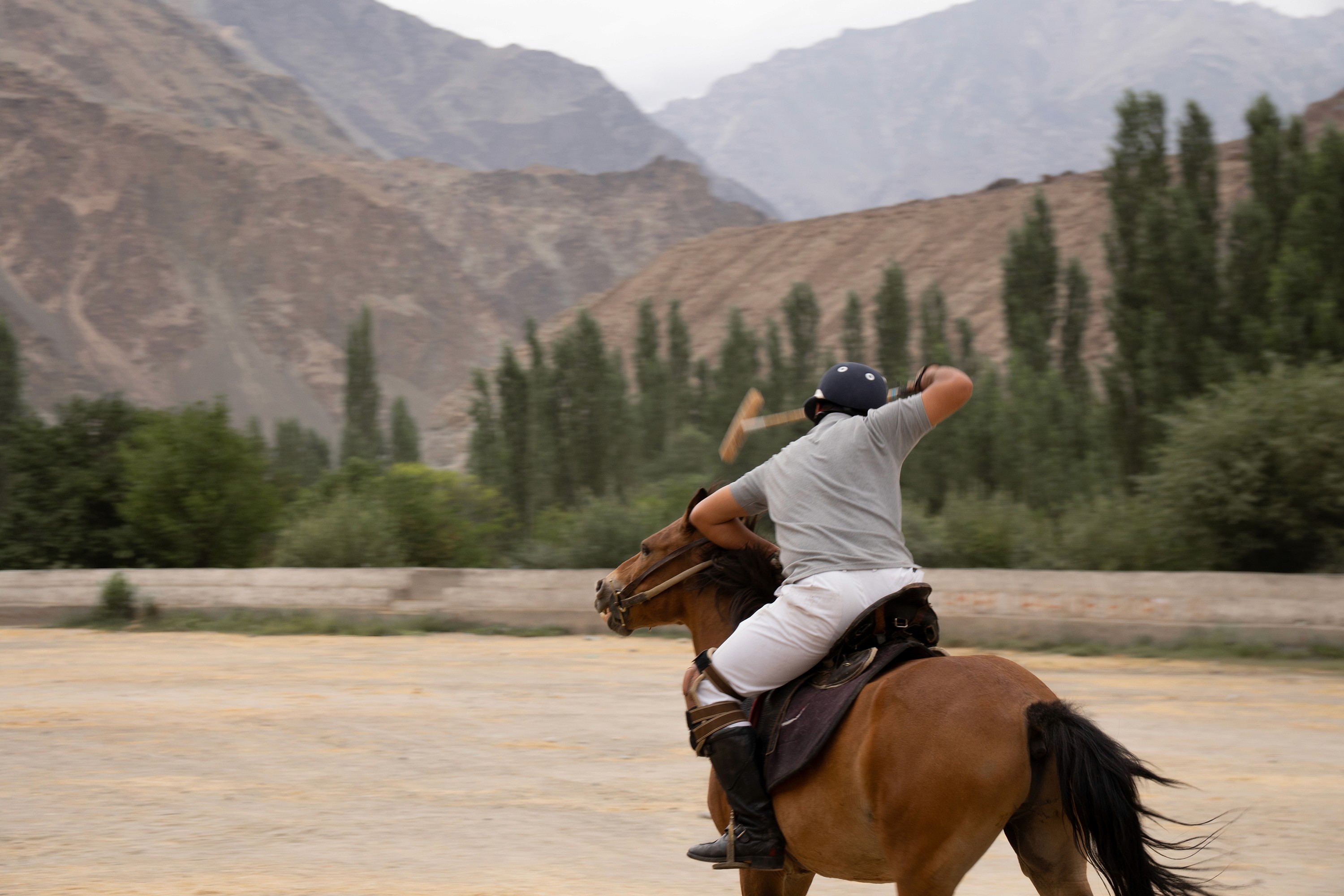
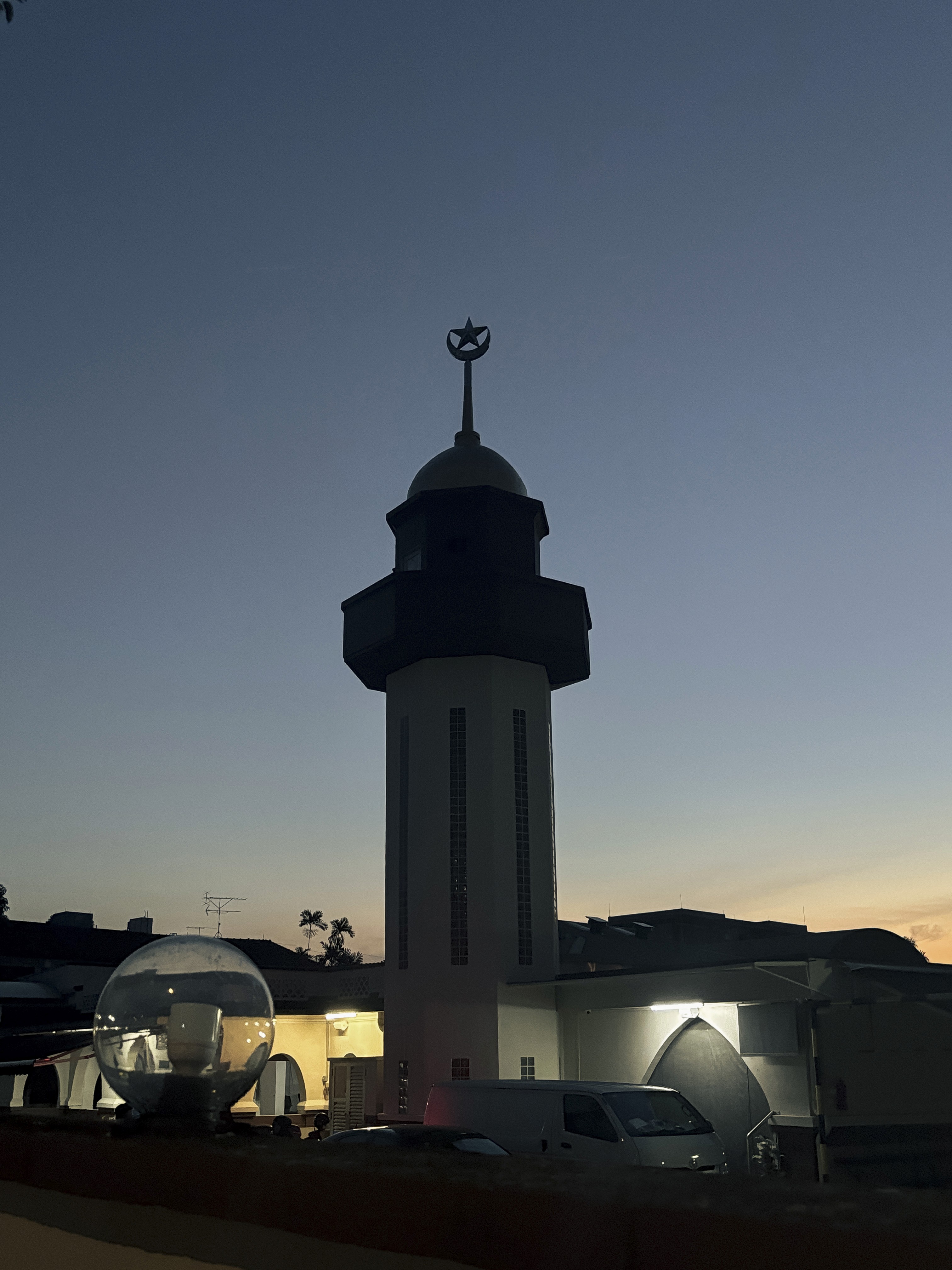
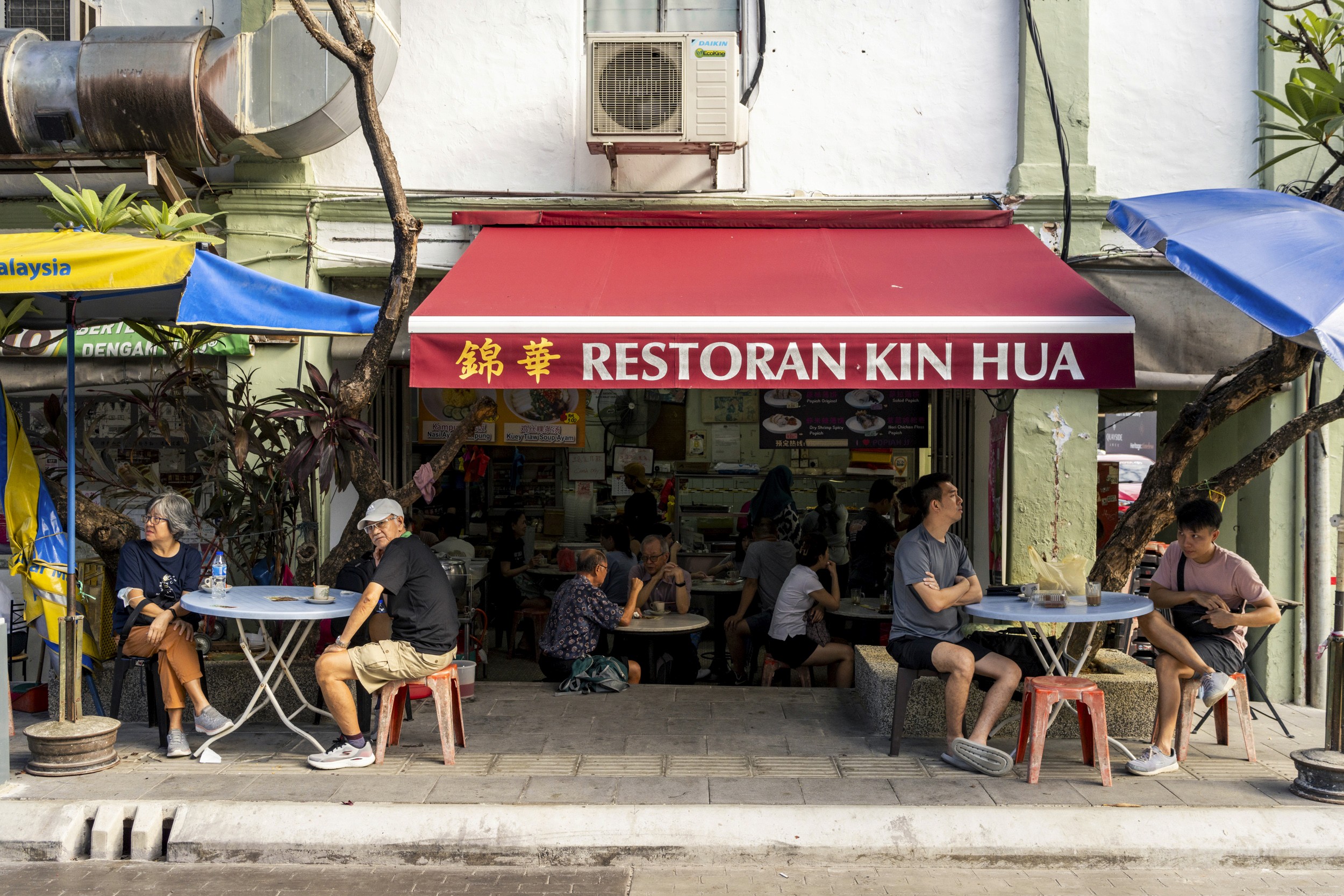
Lead photo: Lauryn Ishak. Above photos: Lauryn Ishak (left), Audrey Phoon (centre, right)
A disappearing breed
Sim Lim Square, for example, is indisputably the place to visit to pick up tech-related products like hard-to-get computer parts, or to get your gear repaired once its warranty has expired. Meanwhile, Peninsula Plaza – also known as Singapore’s Little Myanmar – boasts a range of Burmese eateries that draw crowds from the diaspora every weekend.
In recent years, high-profile closures like Golden Mile Complex (a.k.a Little Thailand) and Liang Court (a.k.a Little Japan) have underscored what’s at stake.
Each had built a niche identity over decades, and their disappearance has dissolved the communities that occupied them and created a-yet-to-be-replaced gap in their wake.
Fortunately, other strata malls live on, retaining the charm and character that made them beloved in the first place. Places like Far East Plaza, Far East Shopping Centre, Beauty World, Queensway Shopping Centre and Katong Shopping Centre continue to defy the cookie-cutter approach of modern malls, with their eclectic mix of shops, labyrinthine corridors, random staircases and crawling escalators.
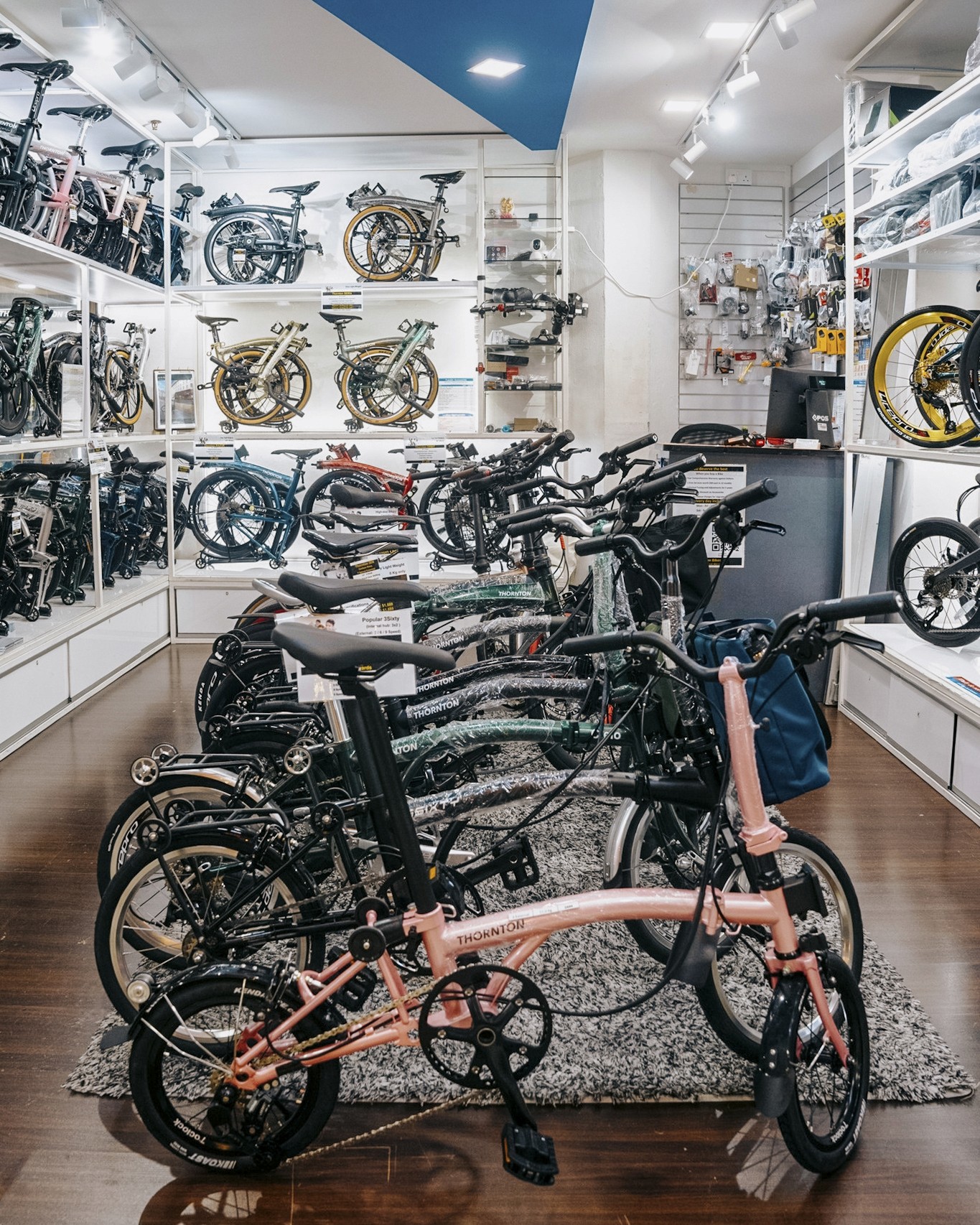
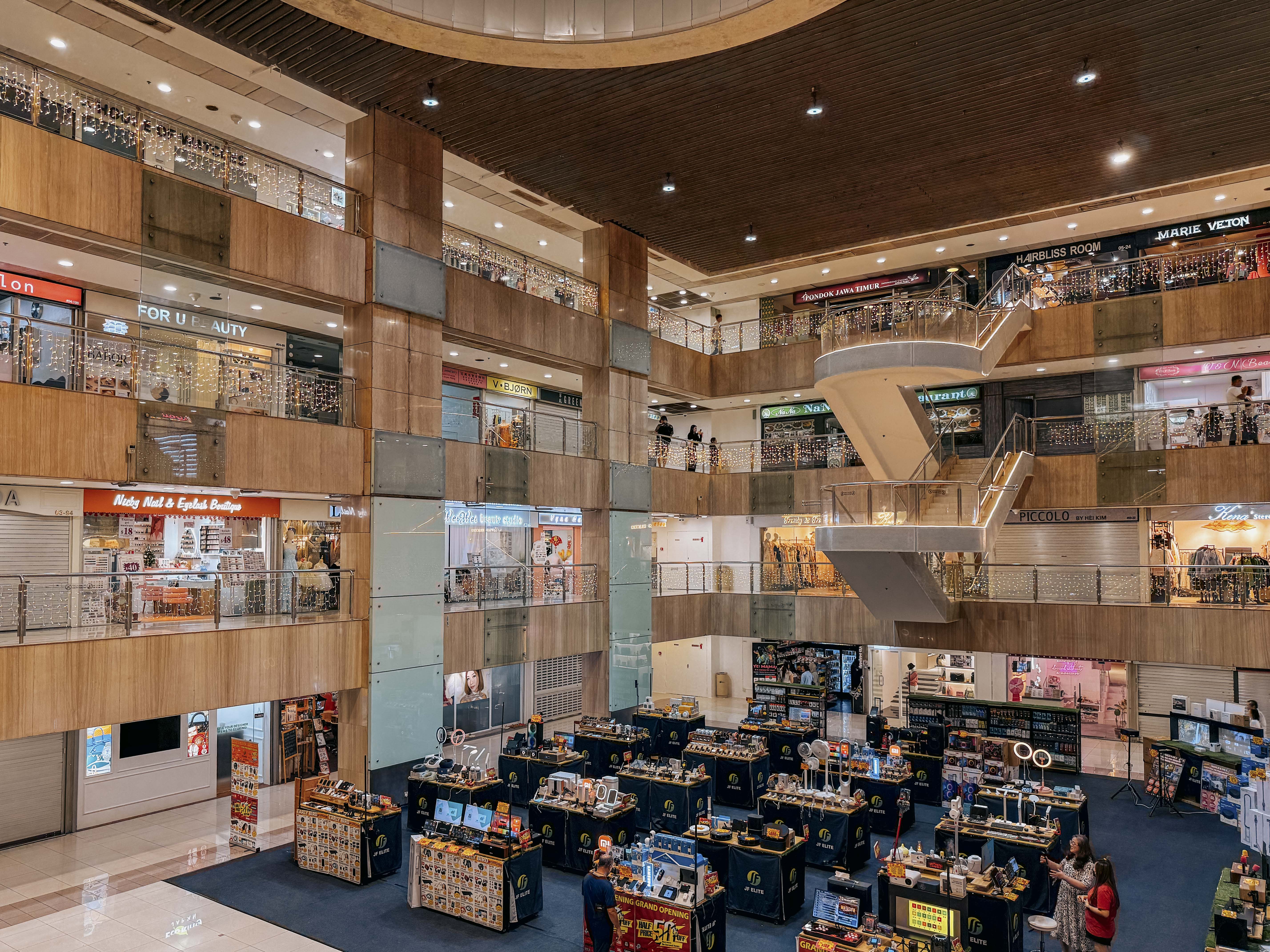
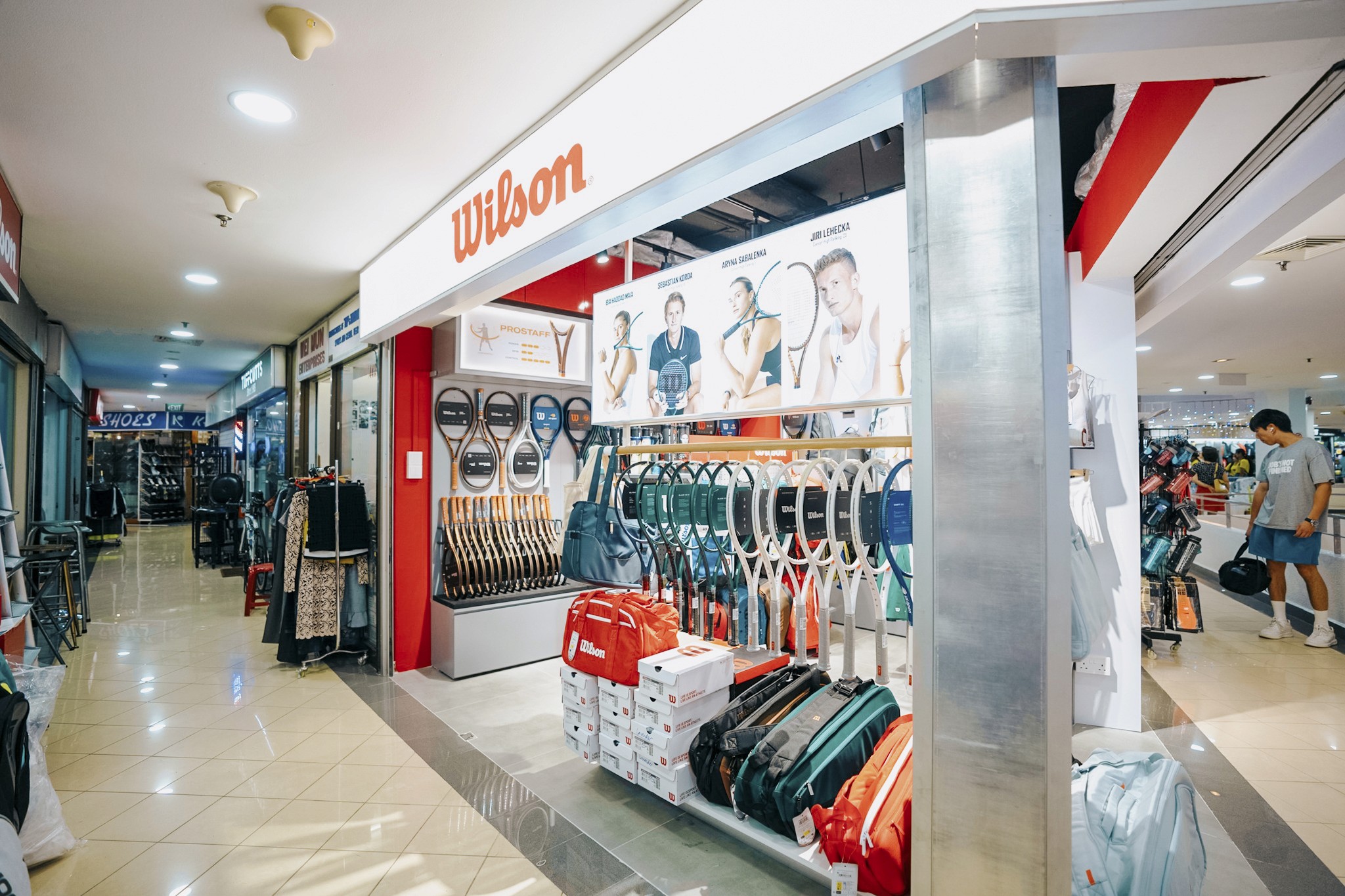
Photos: Queensway Shopping Centre (left, right), Audrey Phoon (centre)
Retro revival
I was reminded of this “beautiful mess” when I stepped into Queensway Shopping Centre recently, drawn by chatter about how several thrift shops had set up alongside the mall’s mainstay mix of sneaker and sporting equipment outlets.
It felt like entering a time capsule. The ground floor was scented with the familiar aroma of laksa and chicken curry wafting from tiny food outlets. Around the main atrium, the decades-old sports shops were still bustling with customers trying on sneakers or haggling over a pair of running shorts.
But tucked into narrow corridors were newer tenants – thrift stores brimming with Y2K-era clothing and accessories like slip dresses and cargo pants. They fit perfectly into Queensway’s jumble, adding to the nostalgic and slightly chaotic vibe of the place. Another change – the replacement of the longstanding McDonald’s outlet on the second floor with a sleek gym – was a telling transformation that reflects the shifting preferences of millennials and Gen Zs.
For old time’s sake, I ordered a bowl of Janggut Laksa, its noodles cut into short strands that could be scooped up in a spoon and slurped together with the fragrant, spicy coconut broth.
The meal reminded me that many strata malls have also evolved into treasure troves of foodie finds where humble stalls and small independent operators – often running on razor-thin margins – have a fighting chance of keeping their business going in Singapore’s tough retail climate.
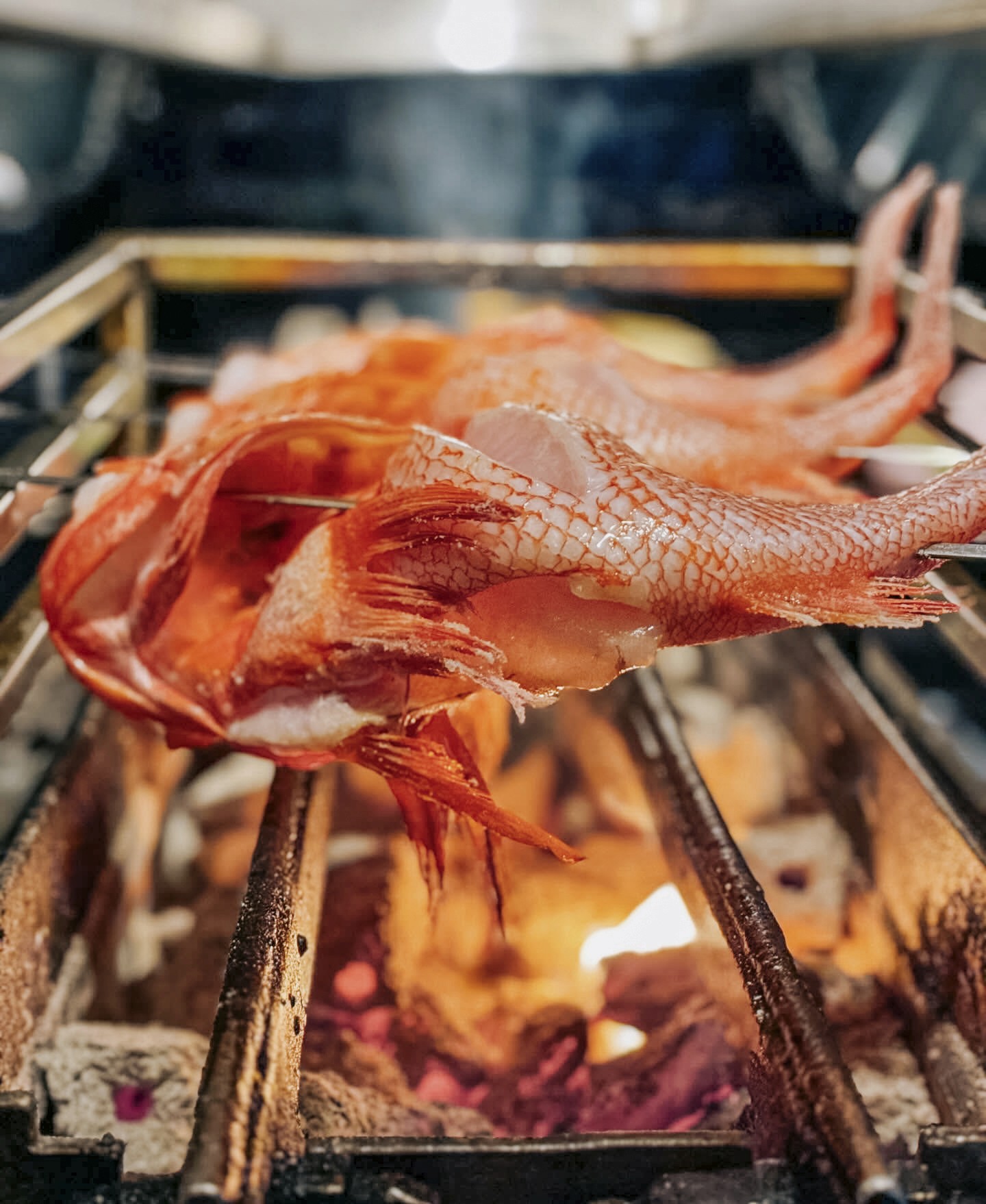
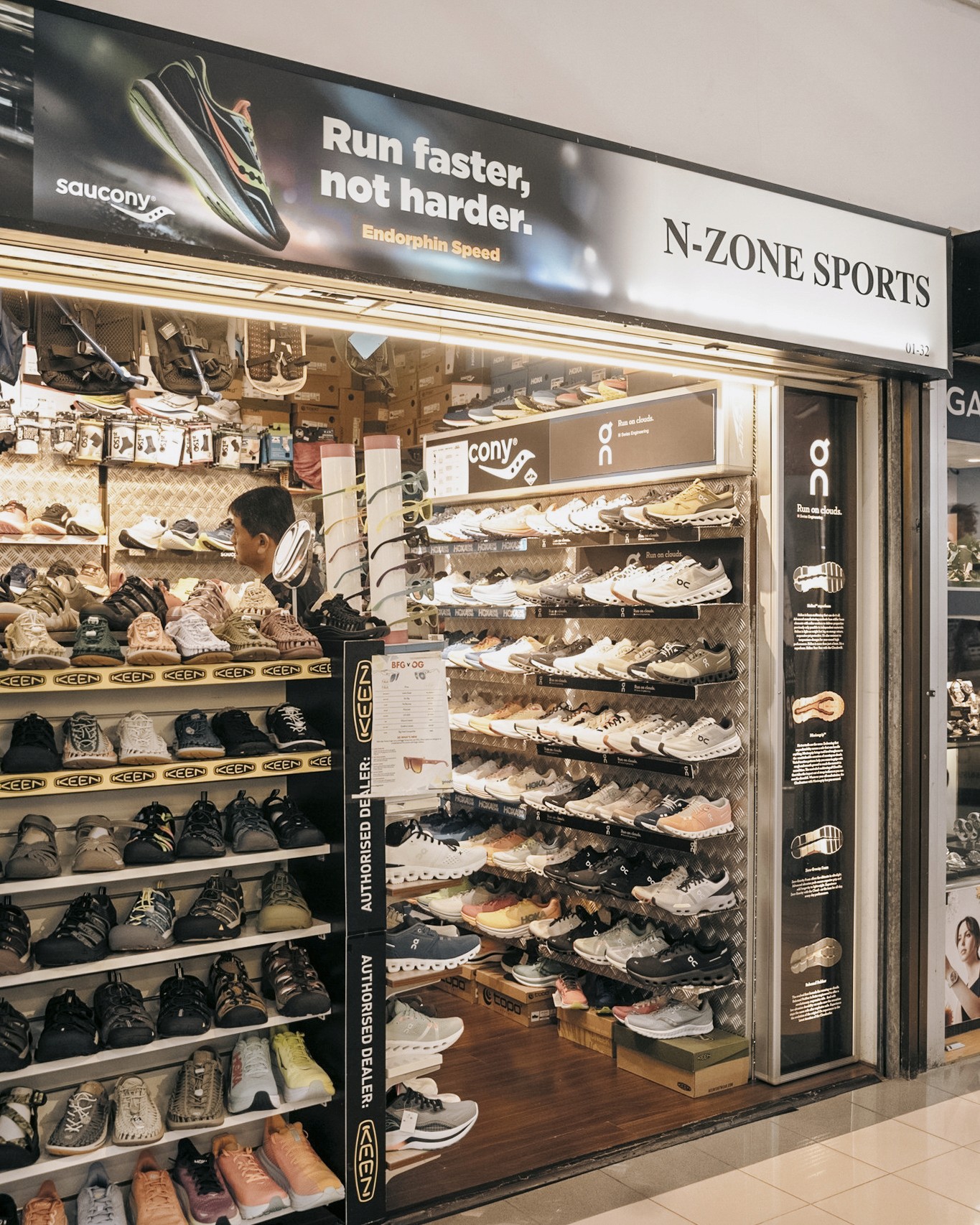
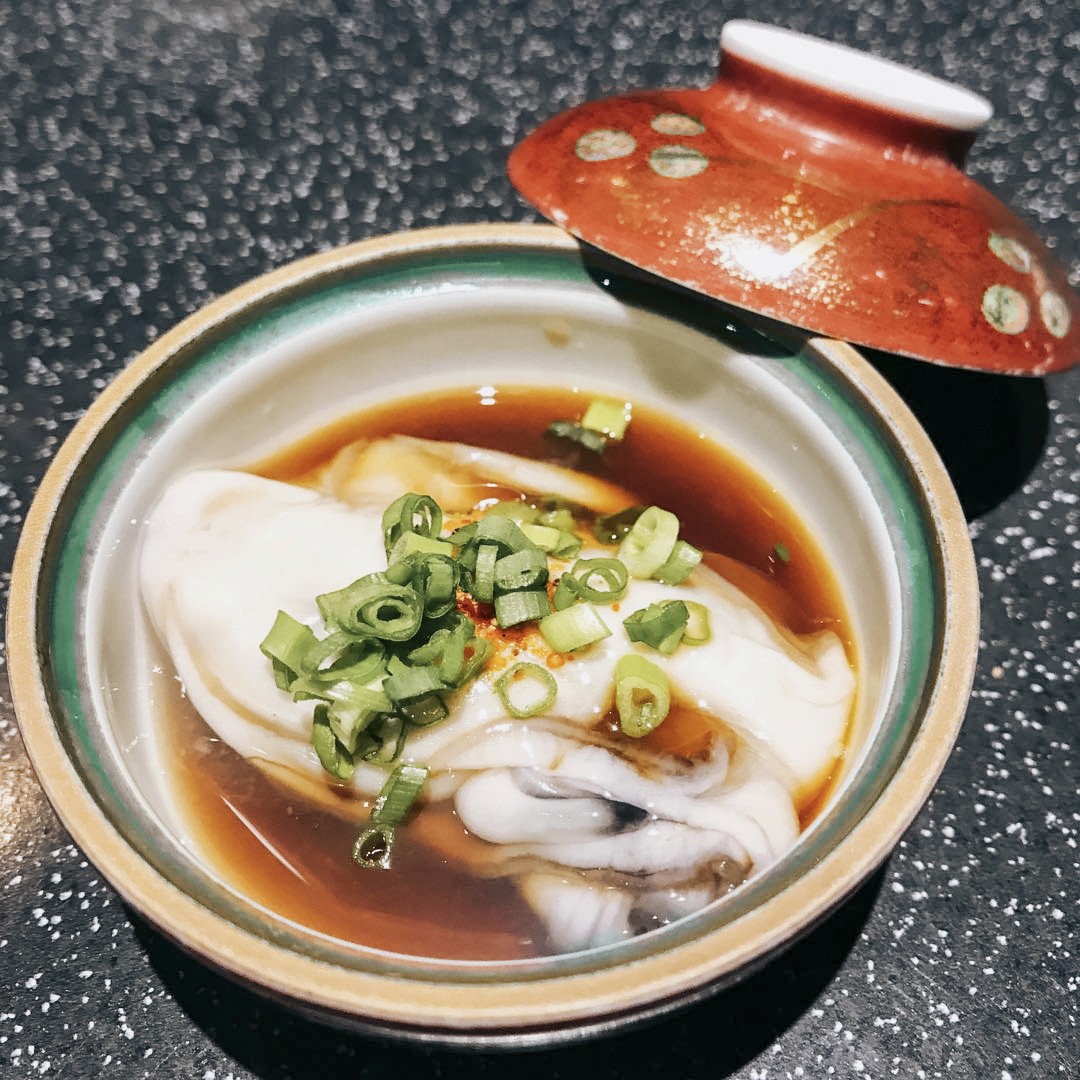
Photos: Kazu Sumiyaki, Queensway Shopping Centre, Bistro Du Le Pin
A service to the people
Far East Plaza has long housed budget-friendly eats, while Lucky Plaza is known for its Filipino fare. In-the-know food lovers obsessed with Japanese cuisine swear by Cuppage Plaza (Kazu Sumiyaki is a long-time favourite for its wholesome izakaya fare) and Orchard Plaza (Bistrot Du Le Pin and Sage by Yasunori Doi).
Beyond food, these malls also house understated but essential services that may not quite fit into gleaming megamalls. My go-to tailor for clothing alterations has worked out of a Far East Plaza storefront the size of a matchbox for as long as I can remember, a constant presence for loyal customers who know exactly where to find him. At Queensway Shopping Centre, students queue outside the many print shops to get notes and assignments photocopied, just as they have done for decades.
Ultimately, these unglamorous nooks reveal more about Singapore than their polished counterparts.
They serve as room for dreams to grow, give space for different worlds and interests to flourish, and provide much-needed creative and economical options in the Singapore landscape. And in their persistence, they remind us that not all progress needs to be shiny to matter.