When I first moved to Colombo in 2015, what slowly pulled me into the city – and still keeps me here – was its love for everything creative.
✦
While most villages across Sri Lanka developed around cottage craft industries like batik, pottery and weaving, Colombo – central to the island’s sociopolitical change – led the way in art and design. It was here that Sri Lanka’s first modern art collective was established in 1943, consisting of nine key painters, whose works are now displayed at the Sapumal Foundation gallery in the upscale neighborhood of Cinnamon Gardens.
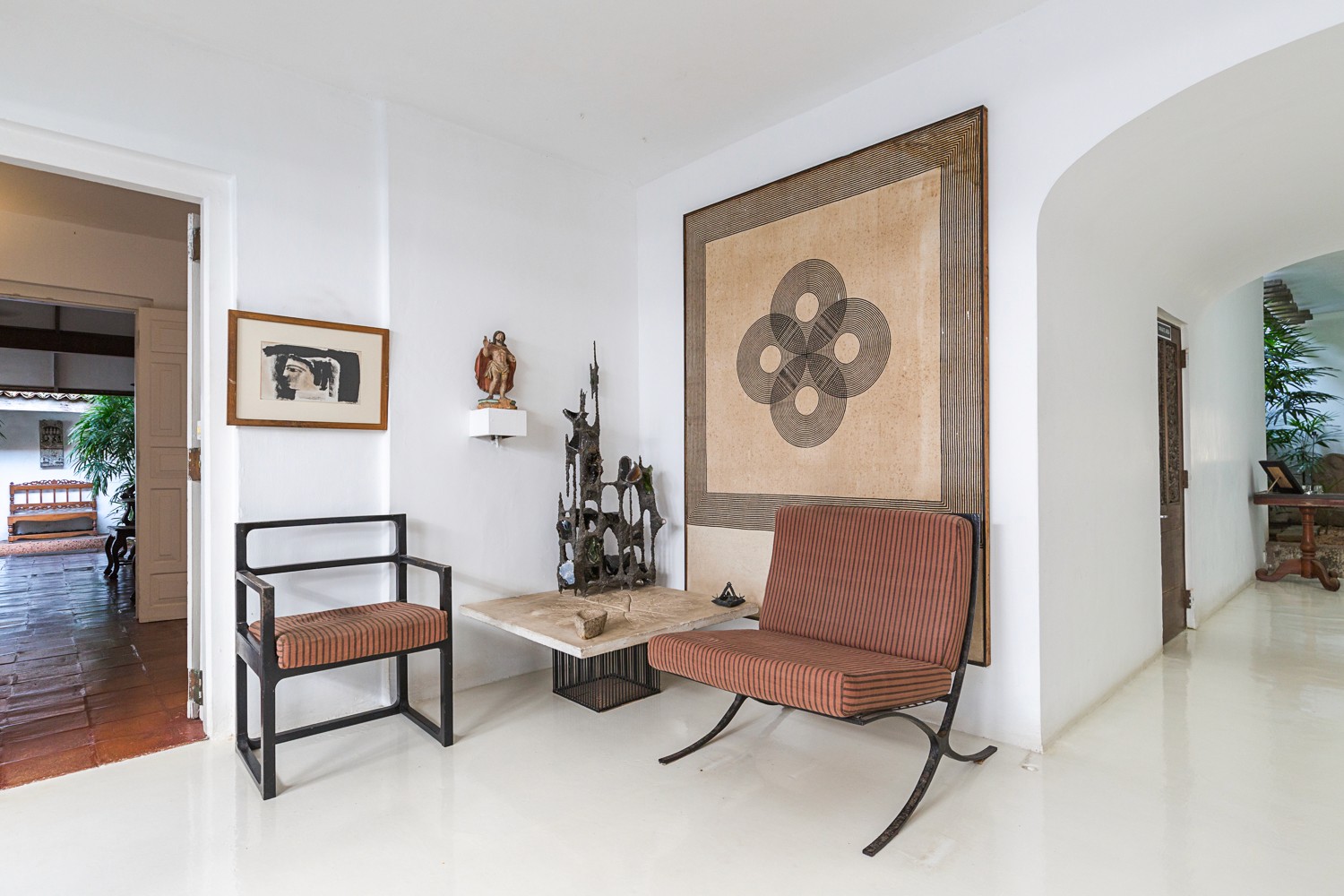
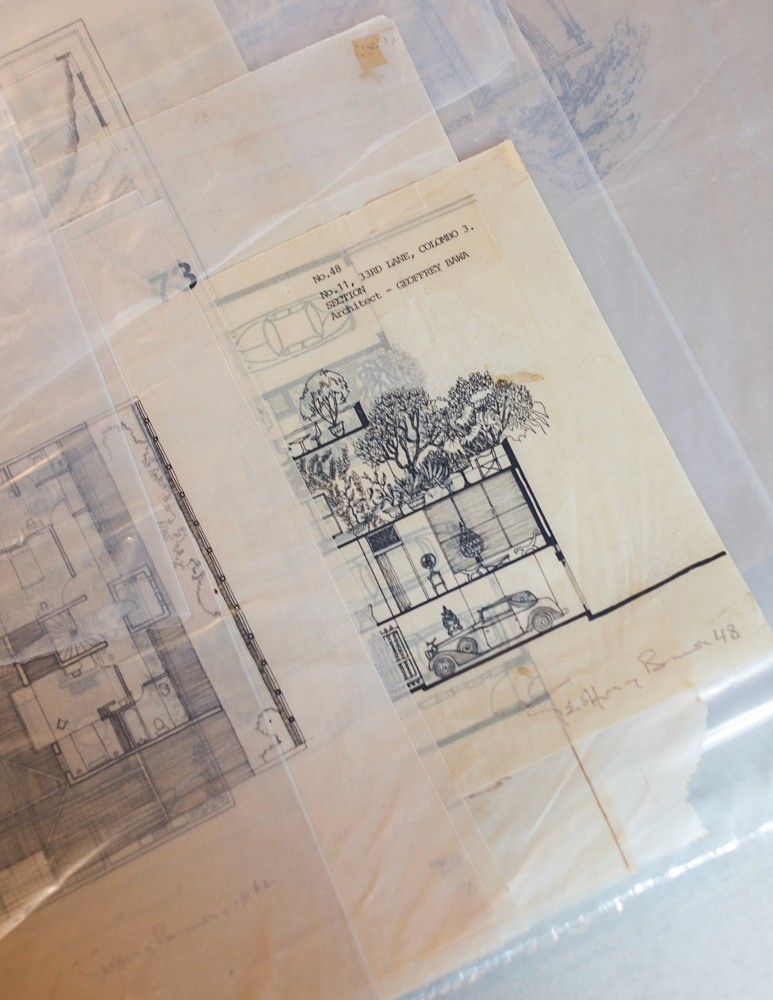
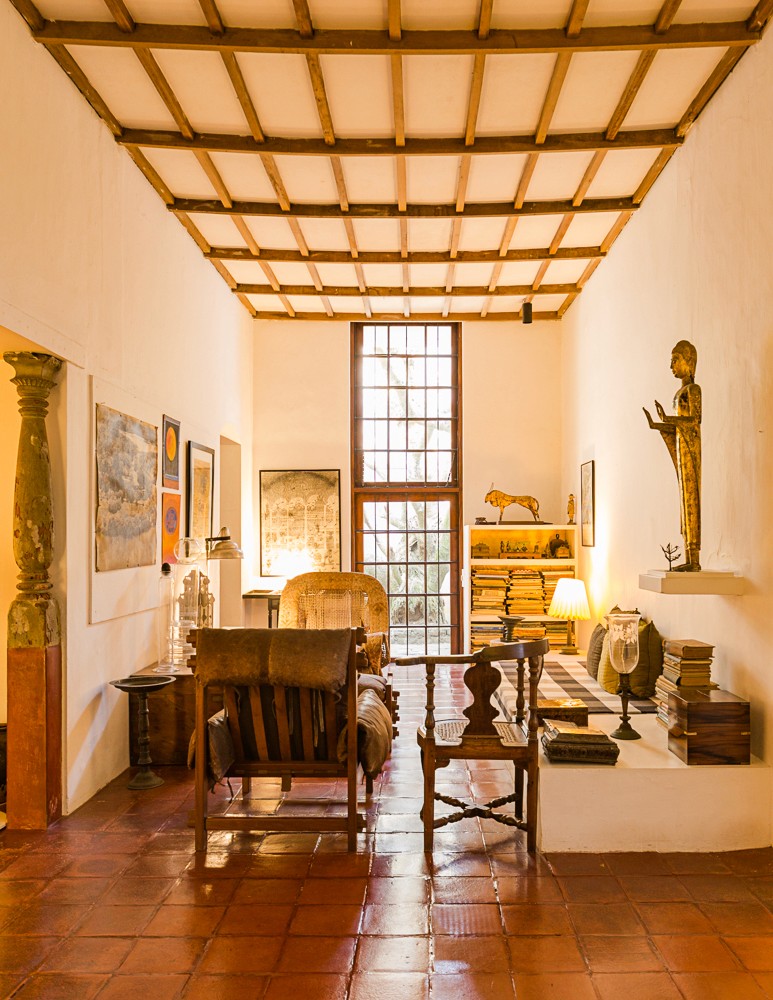
The late Geoffrey Bawa, known as the Father of Tropical Modernism (although he never claimed the title) built his urban home, No. 11, in the capital. The architect’s design principles – rooted in native building philosophies and materials – emerged in response to the movement of air, light and climate, and marked a shift from the international modernist architecture that was dominant in the 1950s to 1960s. Meanwhile, art institutions, colleges, academies, galleries and museums opened and thrived in Colombo.
For more than three-quarters of a century after independence from Britain in 1948, however, Colombo’s creative realm was largely elitist, accessible primarily to those with wealth and social standing.
But that’s changing.
In the decade I’ve lived here, I’ve seen a series of contemporary platforms and a new generation of artists, designers and curators emerge, all working towards making art more inclusive.
Lead photo: MMCA Sri Lanka. Above photos: Lauryn Ishak
One such new-generation space is Studio Kayamai, which functions as a platform for creative expression, activism and community building. “It goes beyond traditional gallery models toward something more participatory and experimental,” says local visual artist Tashiya de Mel.
Studio Kyamai’s recent workshops have included expressive art therapy, drawing sessions for kids involving native plants and fruits, as well as mapping and art-making events exploring ethnobotanical knowledge across the Indian Ocean.
Open to ideas
Colombo-based mosaic artist Rajani Serasinghe tells me that the city’s creative scene is breaking away from traditional ideas of what art and design should be. She says: “There’s a new openness now. Artists are experimenting, collaborating and drawing inspiration from everyday life in ways that feel fresh and honest.”
Serasinghe became a mosaicist simply because she is “drawn to broken materials” – anything from tiles to shards of glass and ceramics. She loved the idea of repurposing them into something that was meaningful, colourful and held stories of reuse. This hobby gradually grew into an artistic practice, where she started studying tessellation and mosaic techniques, and experimented with colour, texture, and light.
For a self-taught artist like Serasinghe, Colombo’s changing art landscape is particularly exciting.
“Using broken and discarded materials has become my way of talking about transformation and resilience, ideas that feel very relevant to where we are as a society,” she says.
"[This change] makes space for alternative voices and materials.”
Photos: Zinara Rathnayake
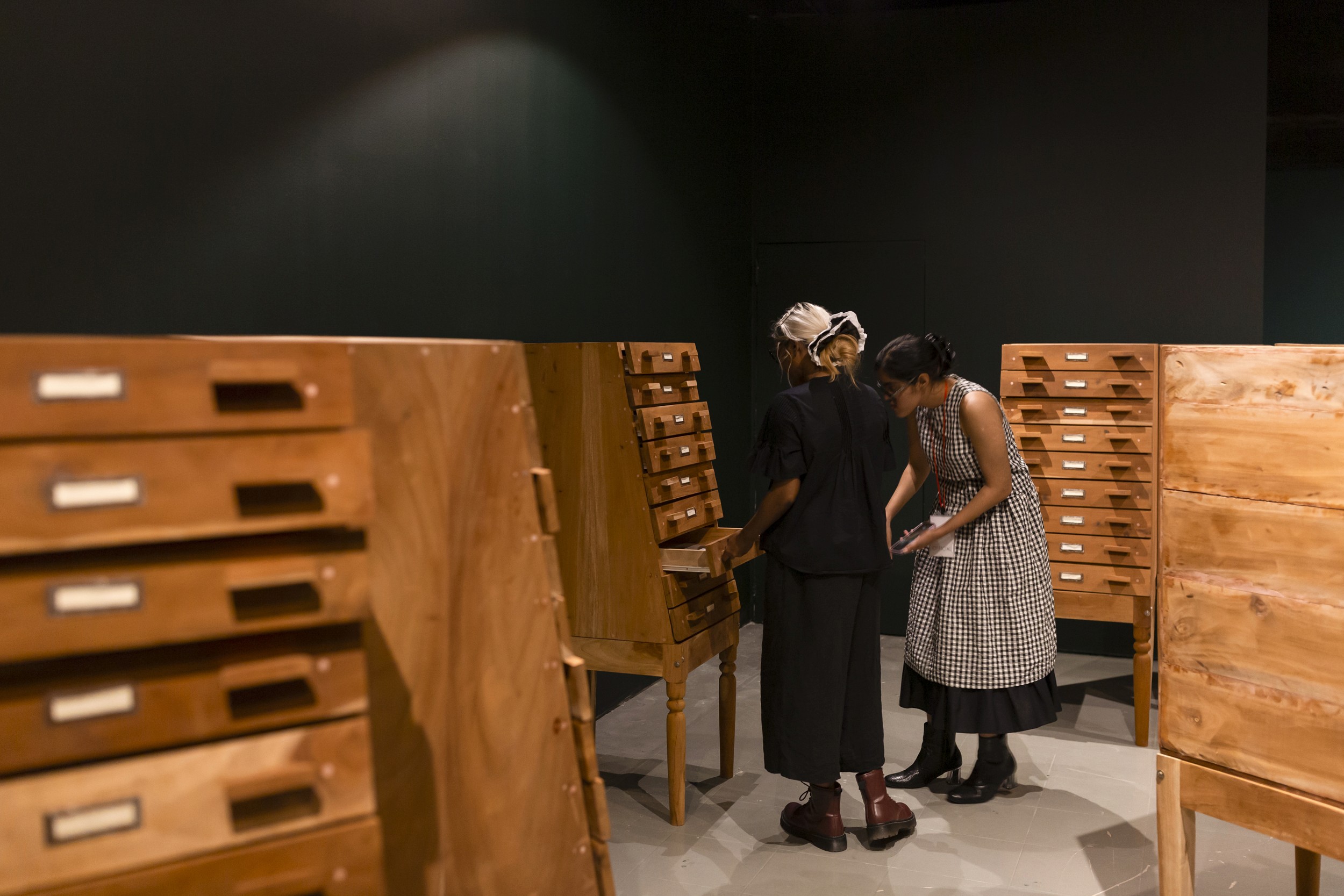
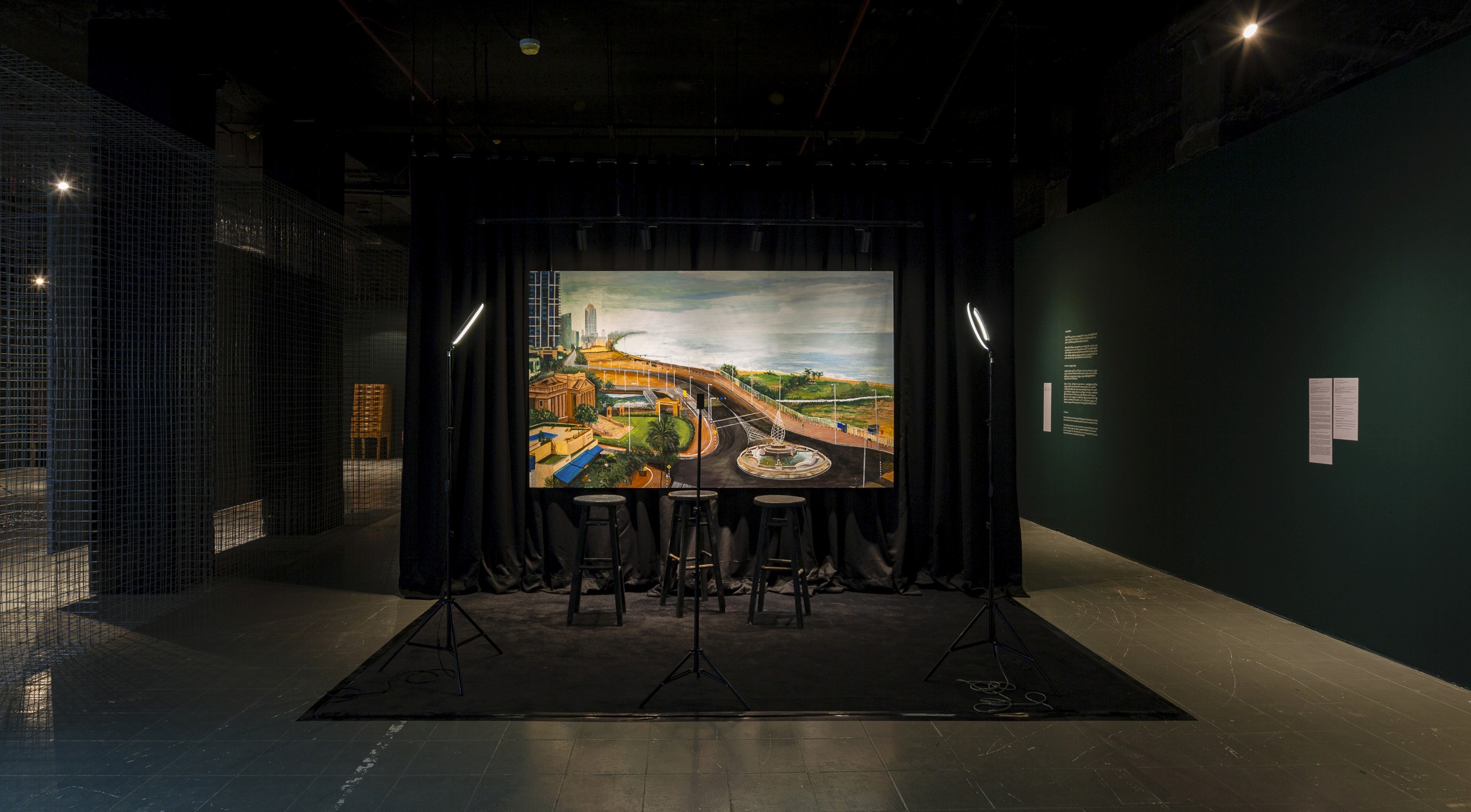
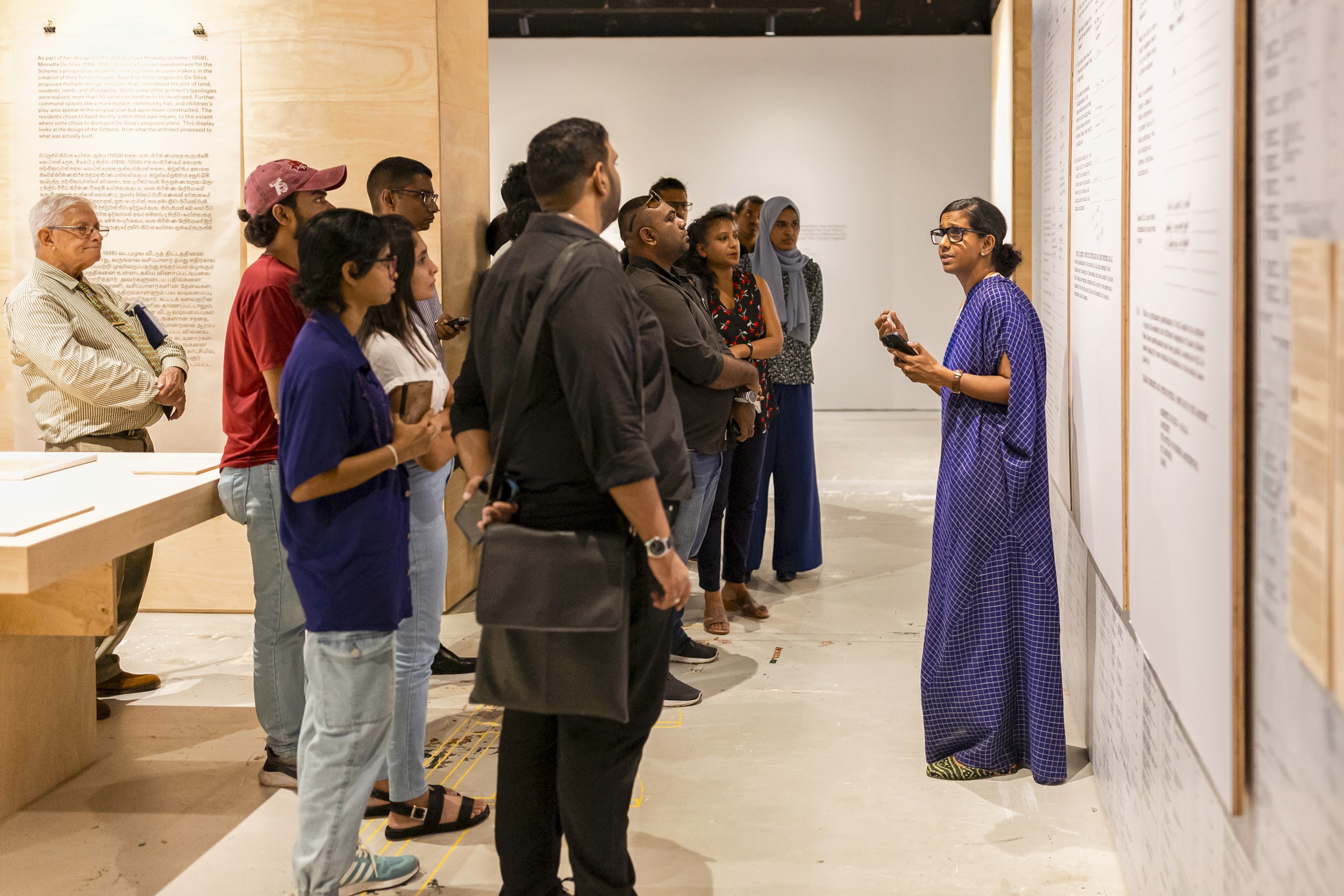
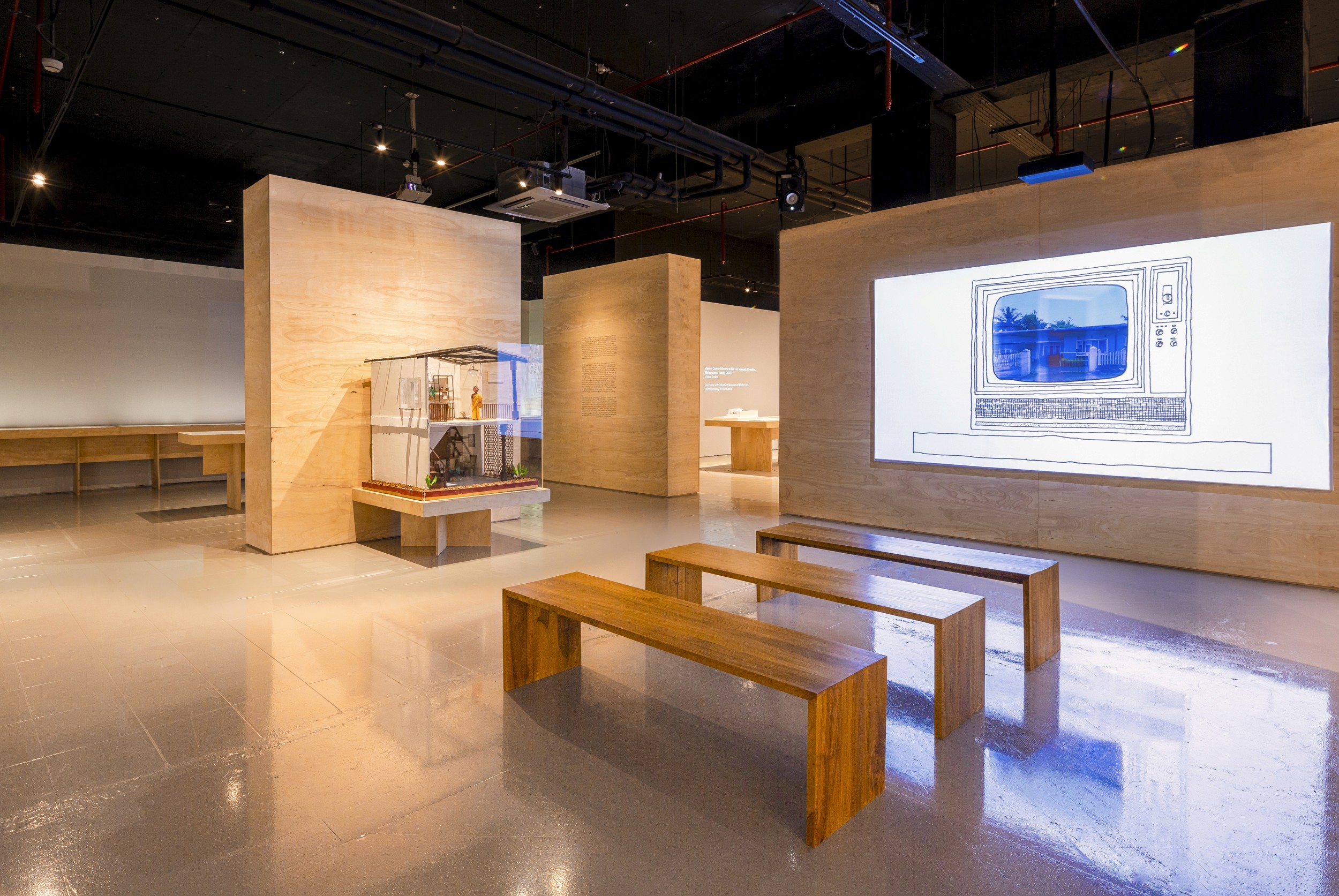
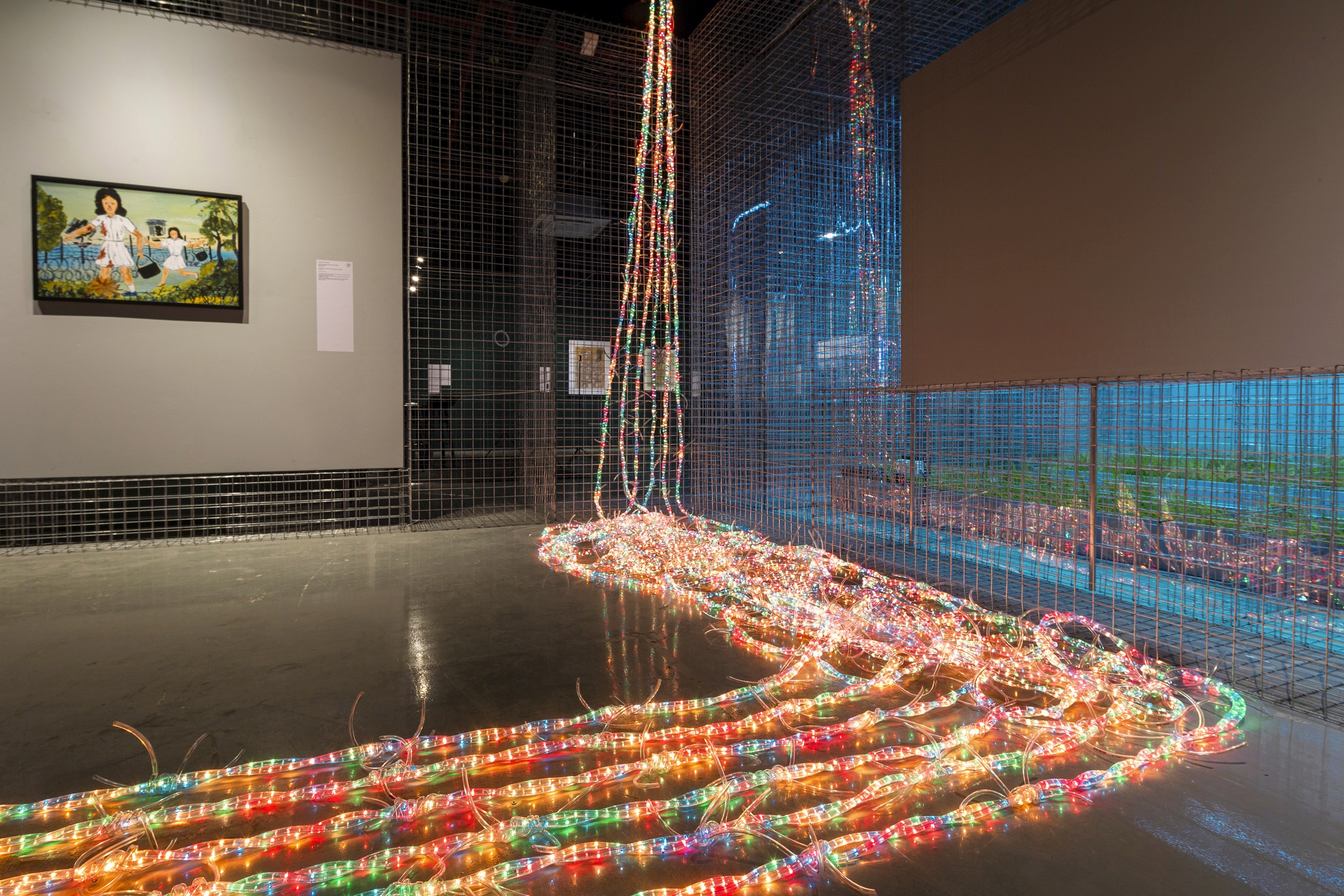
Last year, my quest to discover more inclusive art spaces in Colombo led me to the Museum of Modern and Contemporary Art (MMCA). During my visit, the museum's exhibition Total Landscaping explored the relationship with land, conflictvand transformation, through documentaries, visual galleries and even an archaeological dig by sculptor M Vijitharan, who was forced to flee his home in Sri Lanka’s north during the nearly 30-year-long civil war.
Unlike most other art spaces in the city, the exhibition was free to enter and trilingual, explained in Sri Lanka’s three official languages: Sinhala, Tamil and English.
When I spoke to de Mel, who has exhibited at the museum, she shared that MMCA has taken meaningful steps toward creating a platform that’s not limited by language, class and sociocultural barriers. “It has opened doors for students and more diverse audiences who might otherwise feel excluded from institutional art spaces,” she says.
Room for growth
That said, the artist has noticed that there’s tension between genuine creative energy and structural limitations, especially when it comes to mediums such as photography. While the last decade has seen festivals like Kala South Asia and Colomboscope emerging as platforms for art, photography as a tool for storytelling remains underrepresented, and is largely reduced to commercial and hobbyist work like weddings, wildlife and fashion.
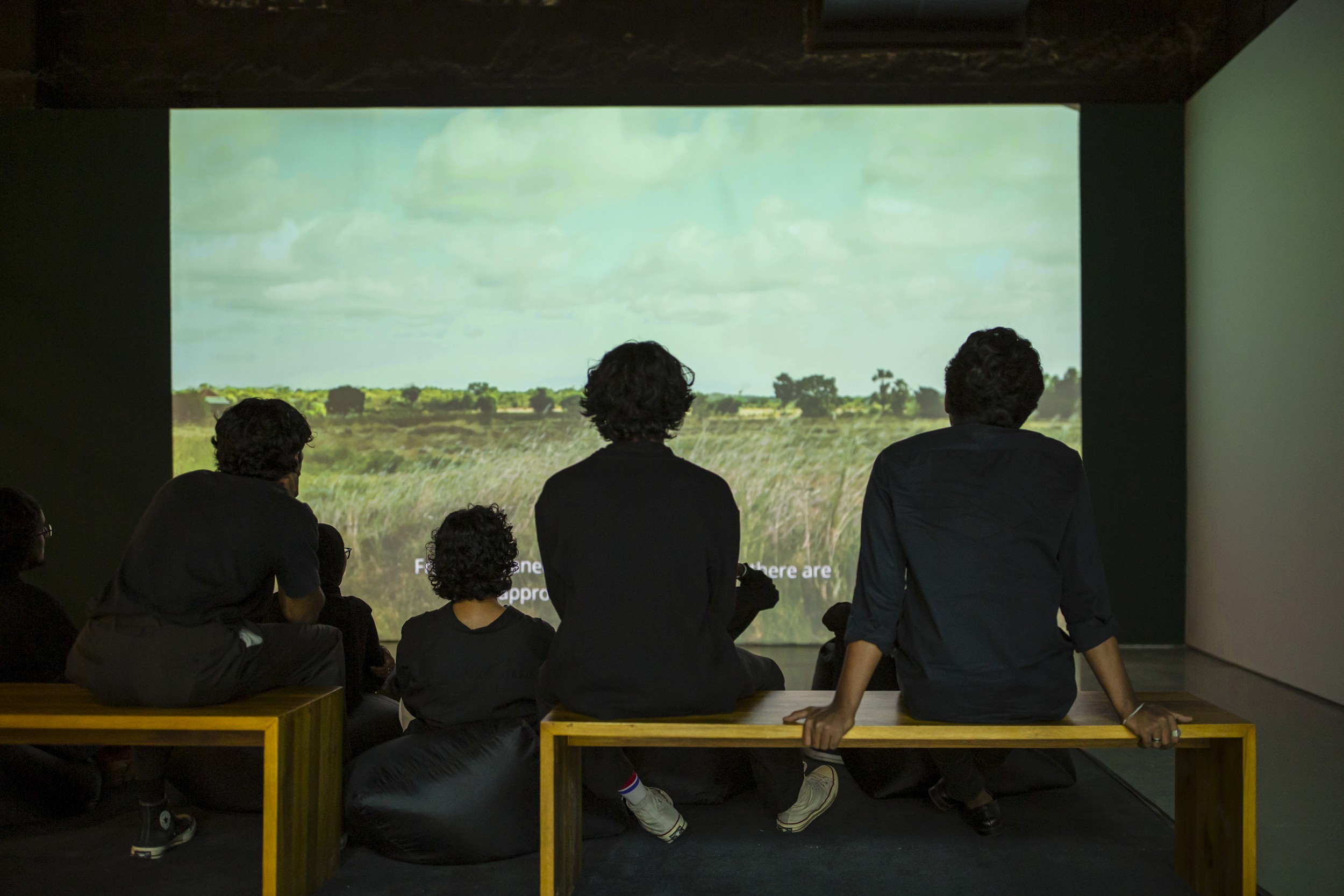
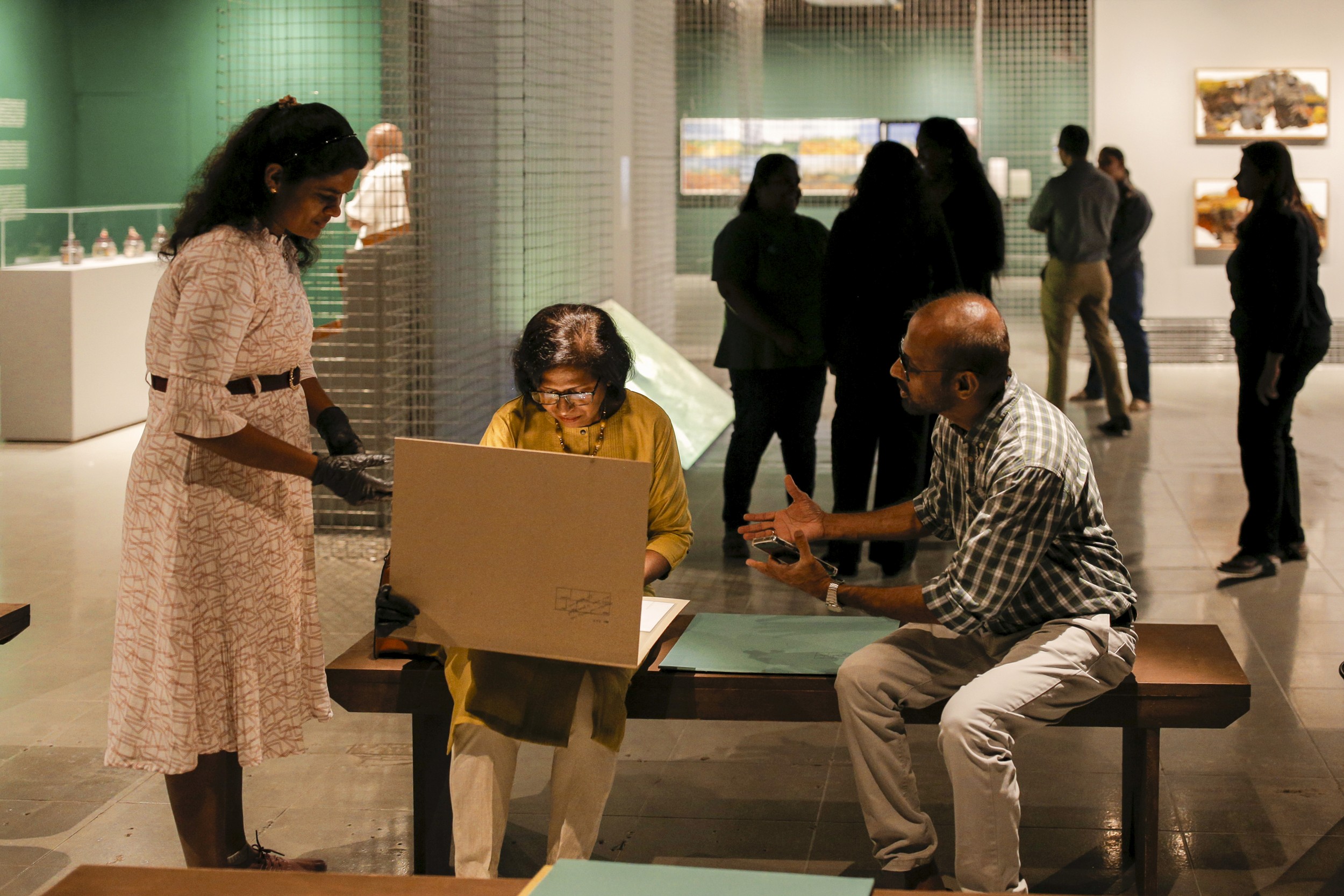
Photos: MMCA Sri Lanka
This points to the lack of formal institutional pathways for non-commercial photography education within Sri Lanka. “There’s an appetite for critical, experimental work,” says de Mel, but it will require effort to build ecosystems and sustain them.
She also highlights the need for broader regional engagement and spaces beyond urban hubs like Colombo.
“Making art truly accessible means reaching communities who have historically been excluded from these spaces,” she says.
Still, it’s heartening to see the number of experimental, grassroots approaches growing compared to about a decade ago. Spaces like the Analogue Film Lab by Mount Studio are making practices like alternative printmaking and photographic processes accessible. Meanwhile, Matara Festival for the Arts is bringing together homegrown ceramists, batik artists, jewellers and illustrators to Matara, a coastal town south of Colombo.
As someone who ventured into art outside the formal system, the mosaicist Serasinghe believes that these new spaces give artists the “opportunities to meet people who might not usually visit a gallery”.
Last year, she hosted her exhibition In to the Mystique as part of the Art Trail curated by ARTRA, a contemporary art magazine in Sri Lanka. The exhibition reflected the environment she lives in, and featured a series of mosaics inspired by Sri Lanka’s flora and fauna, landscapes and cultural motifs.
Says Serasinghe: “I love that someone might discover a mosaic at a market or community event – maybe while shopping for something else – and suddenly connect with it. That kind of accessibility is powerful.”