The first thing I did once I landed in Beijing after a year of living away was to hop into a taxi with some urgency.
✦
Luggage still in hand, without having showered or slept in hours, I told the driver: “Guangxi zhujingban (Guangxi Liaison Office in Beijing), please.”
At my destination, I opened the door – not to the whiff of stale paperwork, but something much more pungent: the fermented scent of sour bamboo shoots, a dish often revered as the soul of Guangxi cuisine from the southwest of China.
Funky-smelling and something of an acquired taste, these crunchy bits aren’t what you’d normally associate with government offices.
Yet here I sat in the zhujingban, fishing for the little strips in a steaming, umami pot of duck feet and river snail soup, each bite punching me further out of jetlag.
As the name suggests, zhujingban are administrative units set up by provincial or local governments in the nation’s capital. They’re designed as places where issues of governance and business can be dealt with, and where local culture can be promoted. So it makes sense that these ‘offices’ take the form of hotels or restaurants, with many run by top chefs deemed good enough to impress important guests.
Some trace the beginnings of zhujingban to the Tang dynasty, when local officials relied on envoys travelling to the capital to make a case for resources and stay updated with the matters of the day. In more recent years, however, these institutions were embroiled in a series of corruption crackdowns that saw the closing of 625 county-level zhujingban.
But for Beijing foodies, the term zhujingban is synonymous with diverse, down-to-earth culinary gems. Endorsed by local governments and jammed full of fresh ingredients from their native areas, they offer comforting grounding in a landscape filled with a dizzying array of flashy new restaurants.
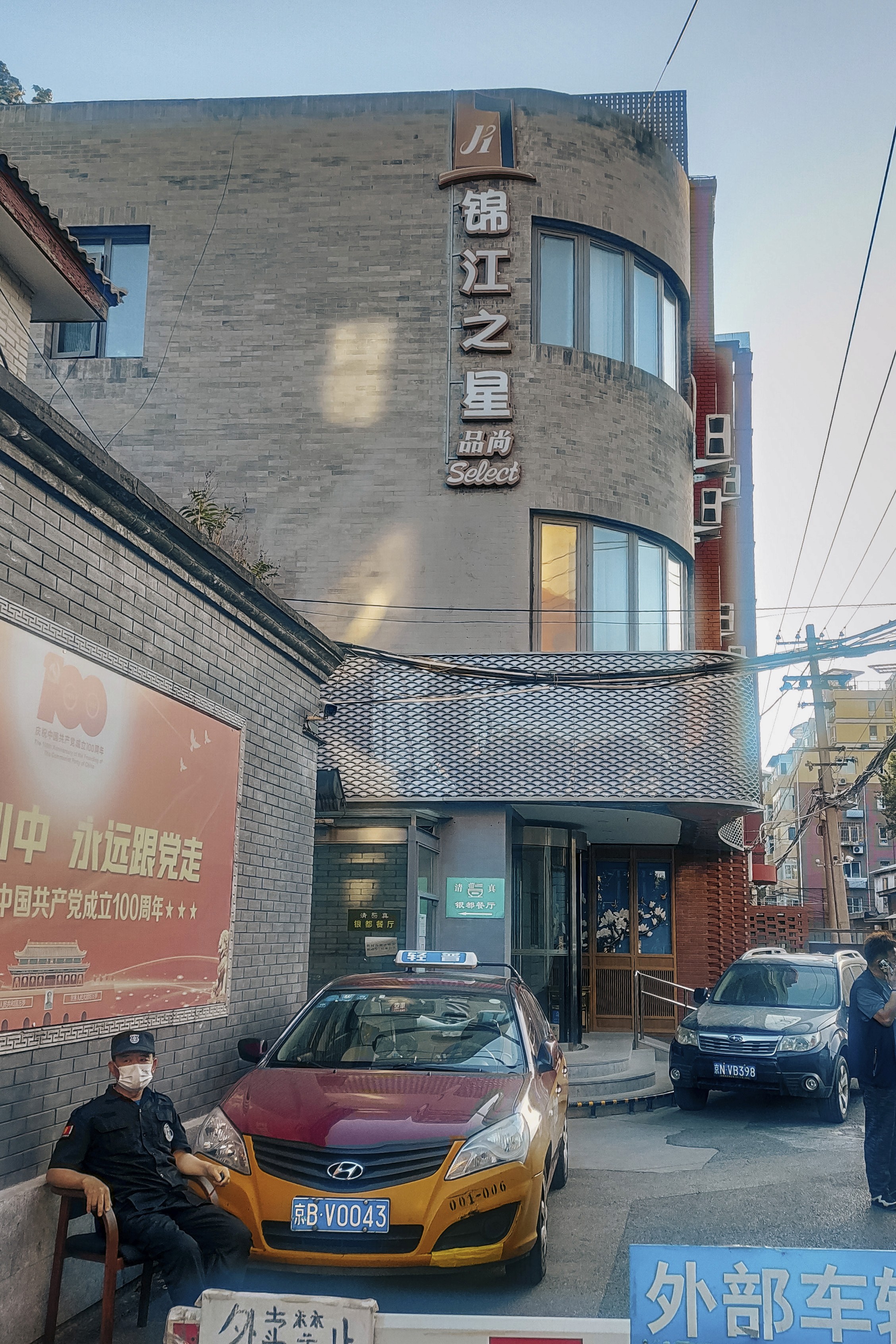
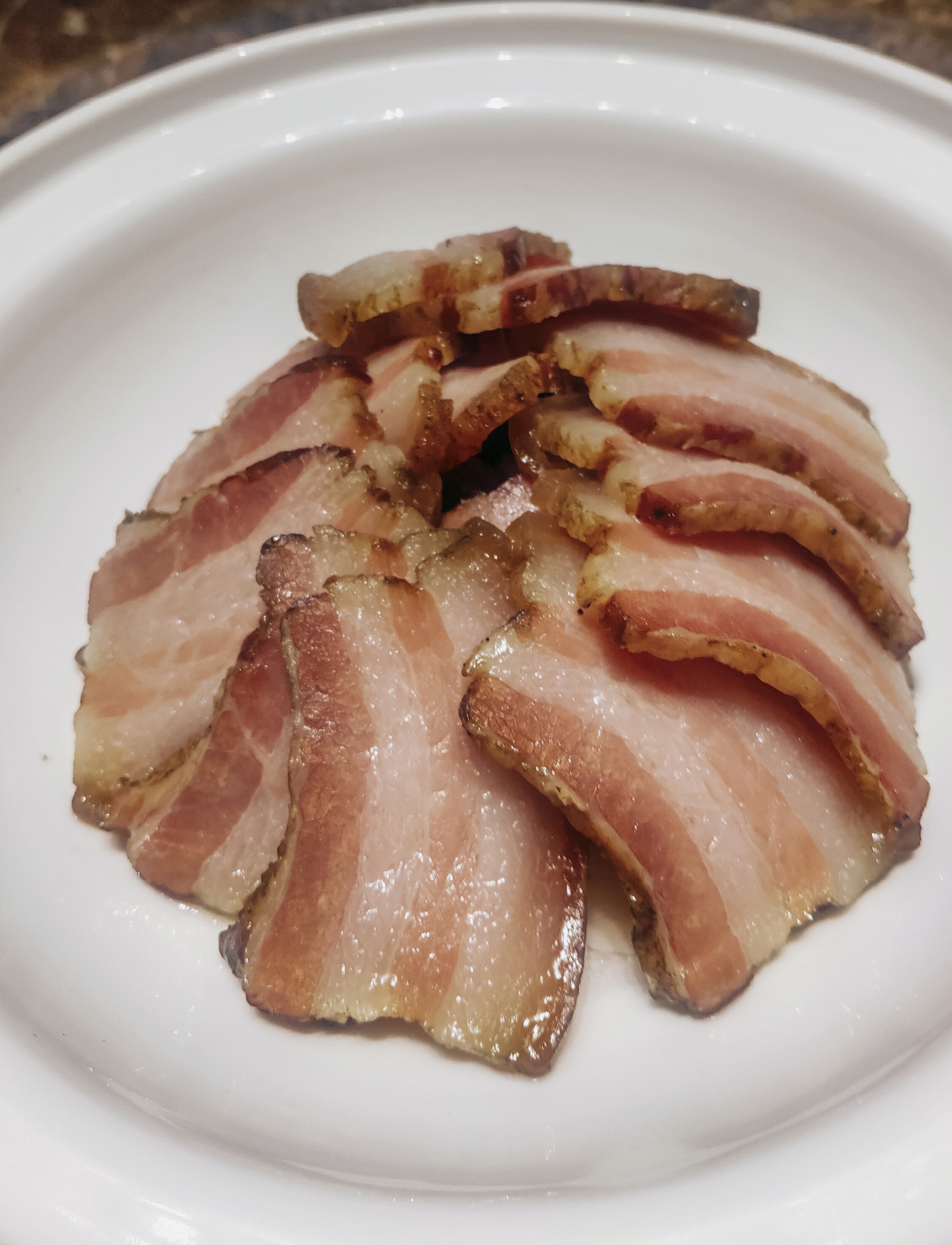
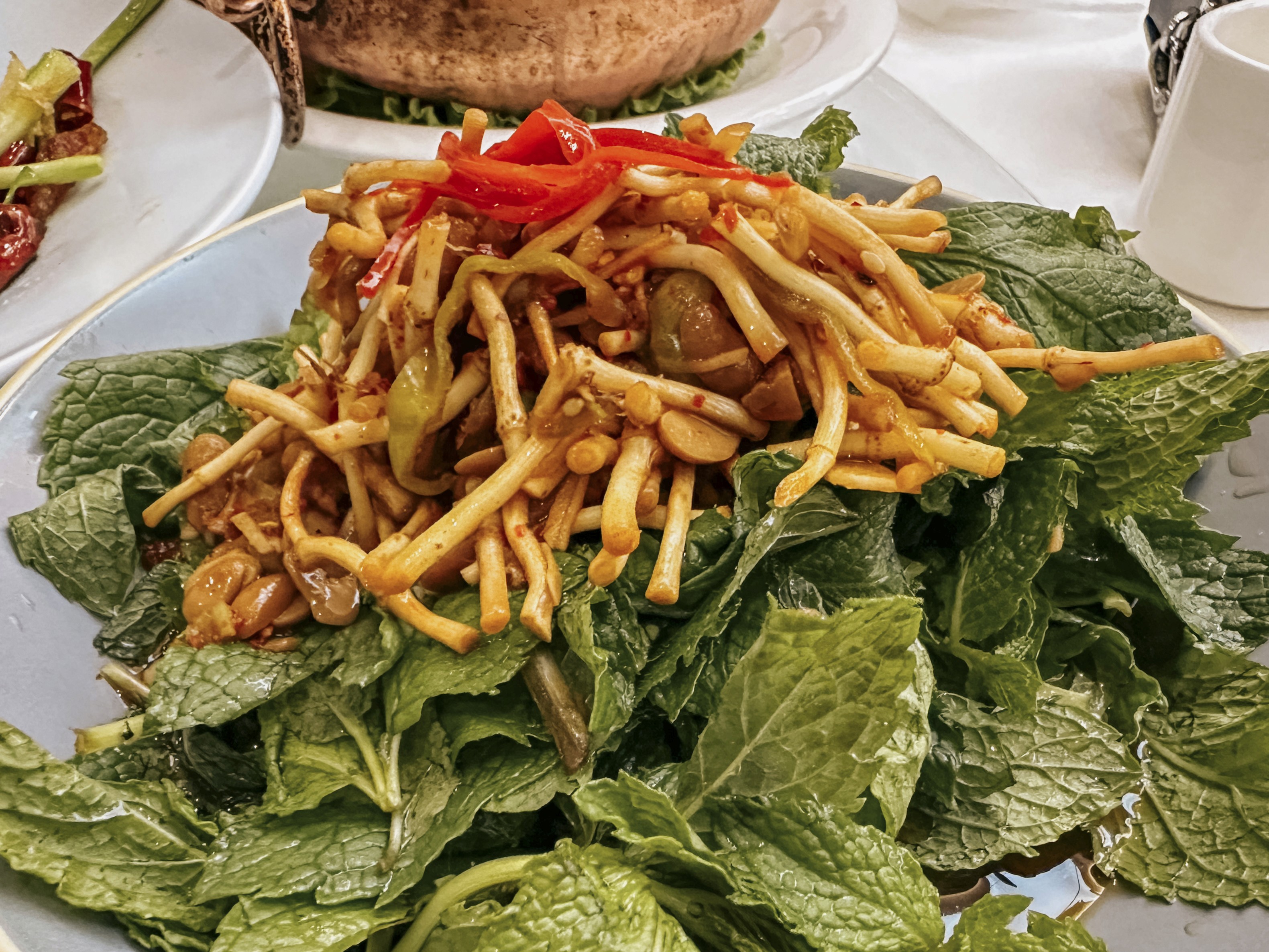
Lead photo: Lu Cangqi. Above photos: Lu Cangqi (left, middle), Provincial Cuisine Club (right)
A journey of discovery
While most used to fly under the radar (like Sichuan’s zhujingban, which opened to the public only after years of serving provincial personnel), a few locations have broken into the mainstream.
For example, Michelin has taken note of Yibin zhujingban’s tender pork slices with garlic sauce and its aptly named "burning noodles", awarding the office from the small Sichuan city Bib Gourmand status and a cautionary note to “be mentally prepared for long lines”.
Recognition or not, much of the fun for me is in exploring neighbourhoods across Beijing to discover flavours that align with my own taste buds.
The Guangxi zhujingban serves its funky snail soup (along with fish stewed in beer, lemon-braised duck, sauce-slicked rice noodles and more) in the middle of the capital’s Central Business District, within a space lightly decorated with textiles and crafts that nod to the region’s ethnic cultures.
To visit the zhujingban for the northwestern city of Yinchuan, however, one has to descend into the dubious-looking basement of a budget hotel and endure spotty mobile phone reception and brusque service for lamb that falls right off the bone.
“Sometimes it feels like stepping into someone’s house for dinner,” says Xi Xi, my friend and partner in crime on countless zhujingban adventures. But not always. At Bijie zhujingban, we once found ourselves ushered into a private room with a gleaming marble table and an electric Lazy Susan better suited to business banquets than our casual gathering of friends. I felt like a school child sneaking onto the adult’s table.
A catalogue circulated among zhujingban enthusiasts counts 105 establishments, although that’s probably not all. When I reached out to the catalogue’s creator, Lu Cangqi – who has checked off more than 50 himself – he told me that his culinary adventures started during the Covid years, when it was difficult to travel outside the capital.
“My mission then was to taste the whole country without leaving Beijing,” Lu says. In order to find dining buddies so he could order more dishes on each visit, he began writing a blog with reviews and pictures of his meals, attracting a sizable group of foodies to join him on his escapes.
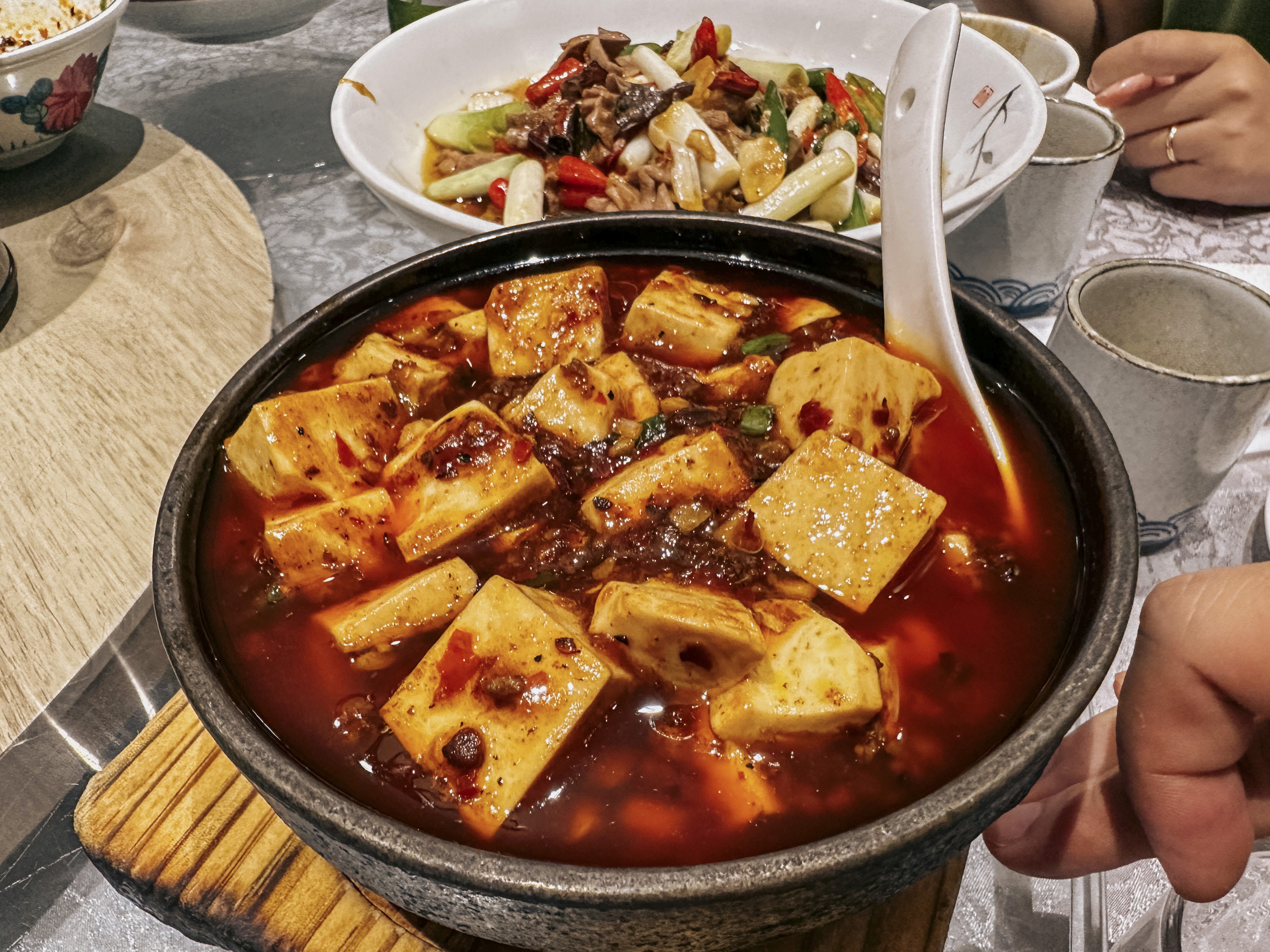
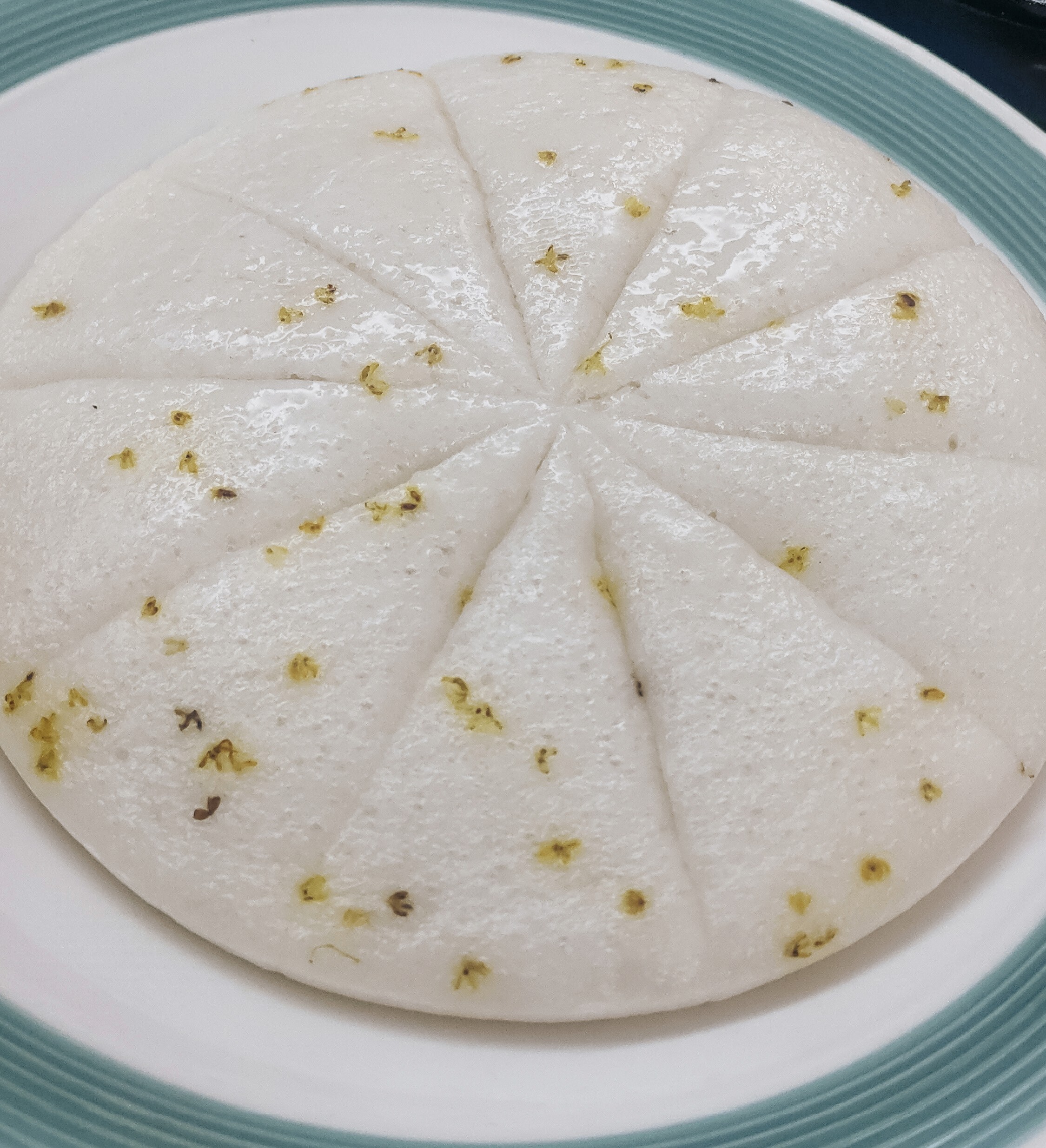
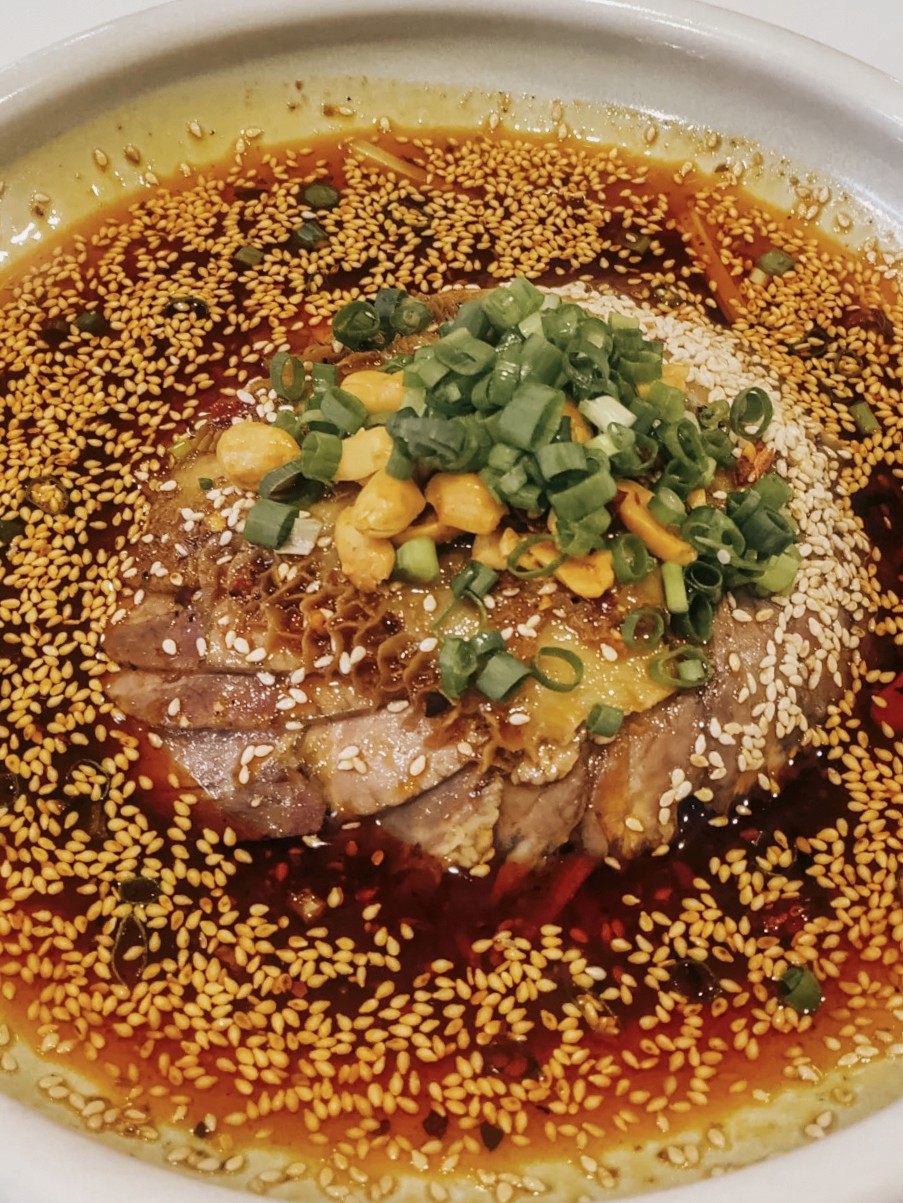
Photos: Lu Cangqi
For Xi Xi and me, the discovery of the zhujingban circuit came thanks to a mutual friend who used to run a group chat organising biweekly zhujingban dinners.
“When I moved back to Beijing, it was a way to meet new people,” says Xi Xi, who has roots in different parts of China and a palate for variety. “But in some sense it eased my social stress… Even if everybody else sucked, at least I had good food!”
In fact, from strangers who tiptoed around which chopsticks to use for dividing a bowl of noodles, some ended up becoming friends and clinking glasses together at each others’ birthdays.
In good company
I particularly love meals shared with friends native to a region. It means you get an expert curating the most authentic flavours, accompanied occasionally by tales of memories evoked by the food – an invitation of sorts to bite into someone’s past. Even the glimmers of nostalgia and hometown pride that slip out in front of a disappointing order (“It’s not as good as the one on my grandma’s street!”) is part of the charm.
These moments are gentle reminders that Beijing is a city of migration, where different walks of life converge. Here in the government-run restaurants, you might spot provincial officials leaving a function; soak in different dialects from diners passing through the capital; meet students pooling their money for a treat; or make friends with foreigners who now call Beijing home.
Alongside this company, even travellers without a local guide can get an intimate taste of a side of Beijing that’s rarely found in guidebooks.
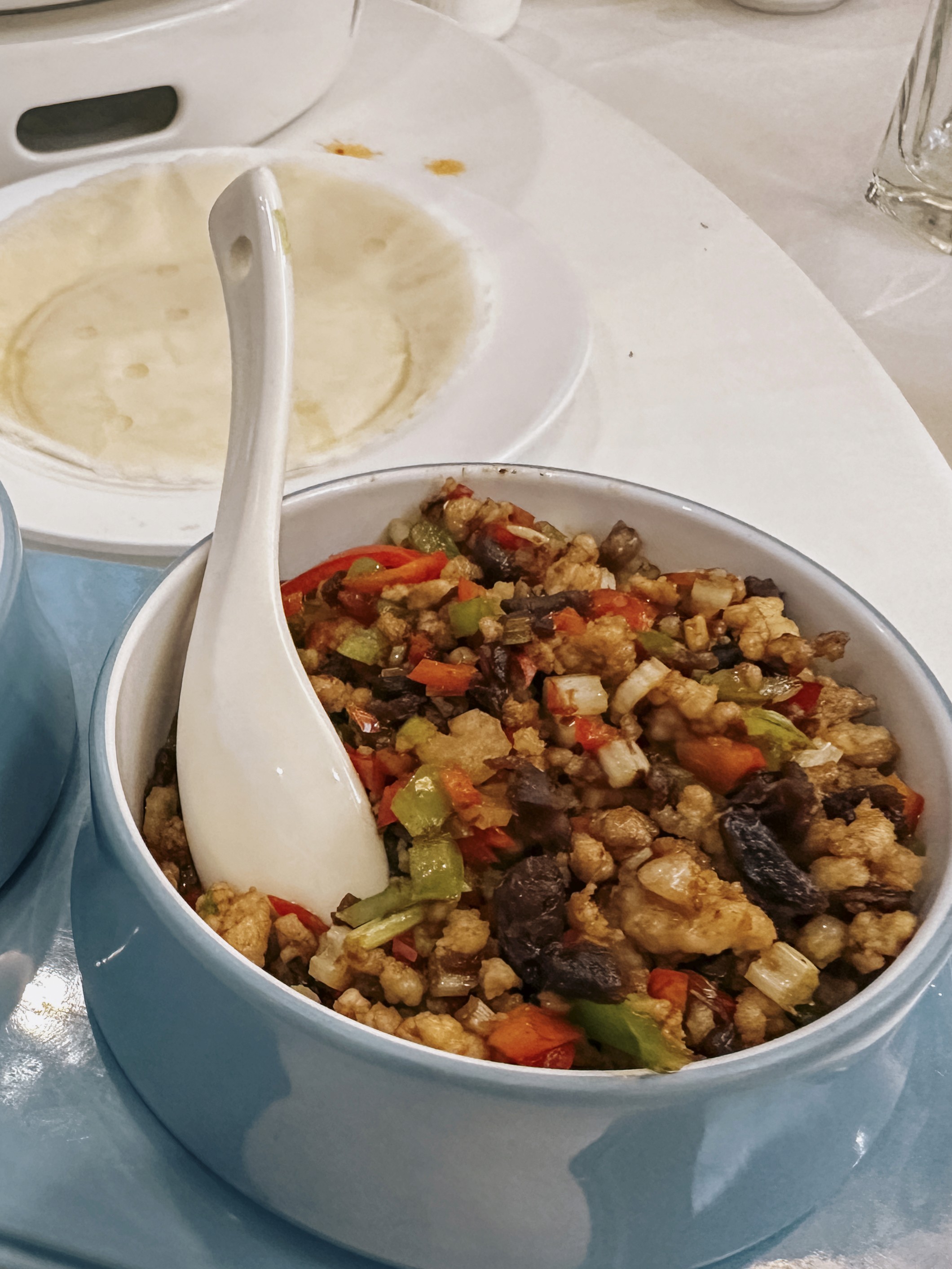
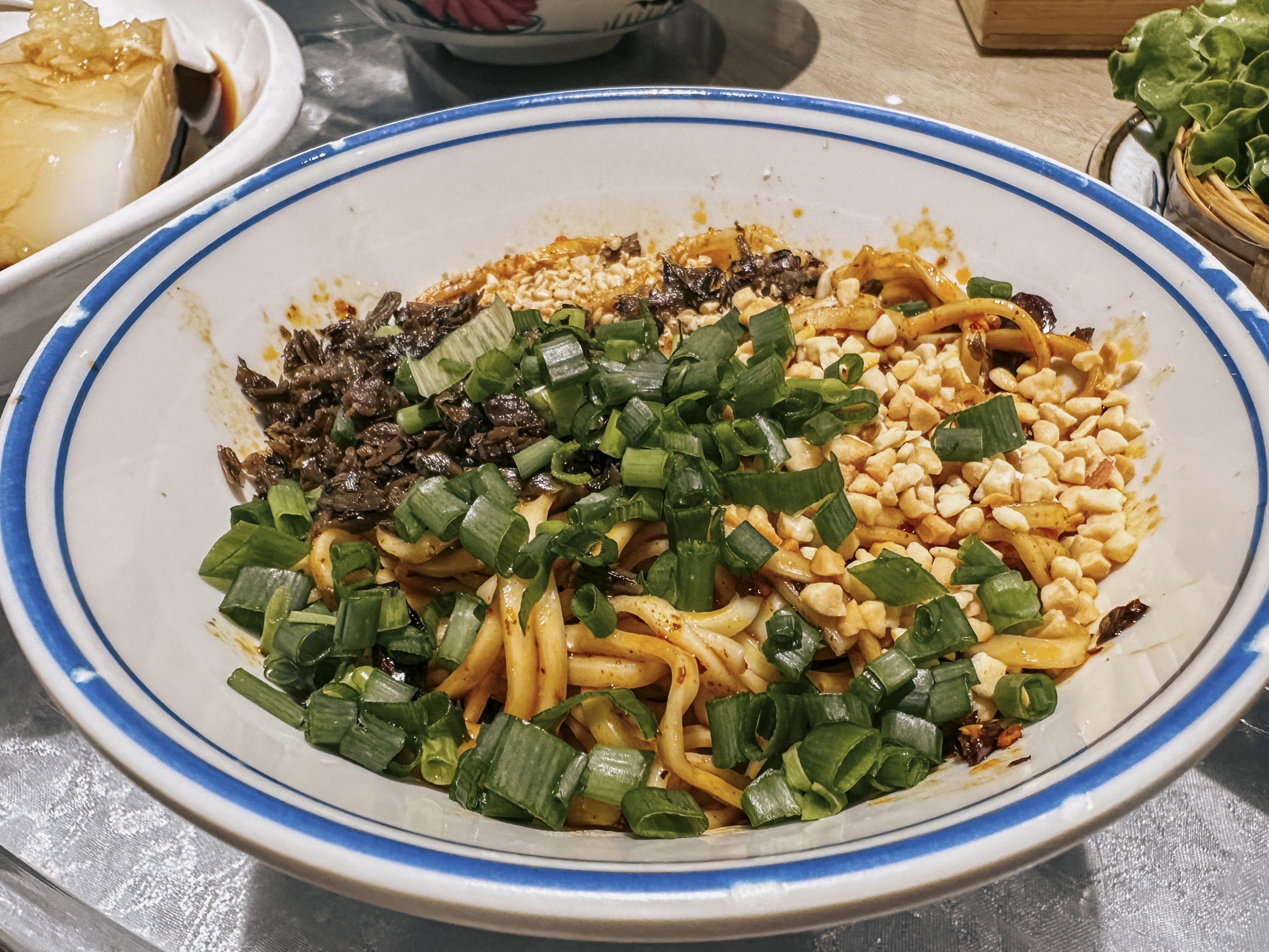
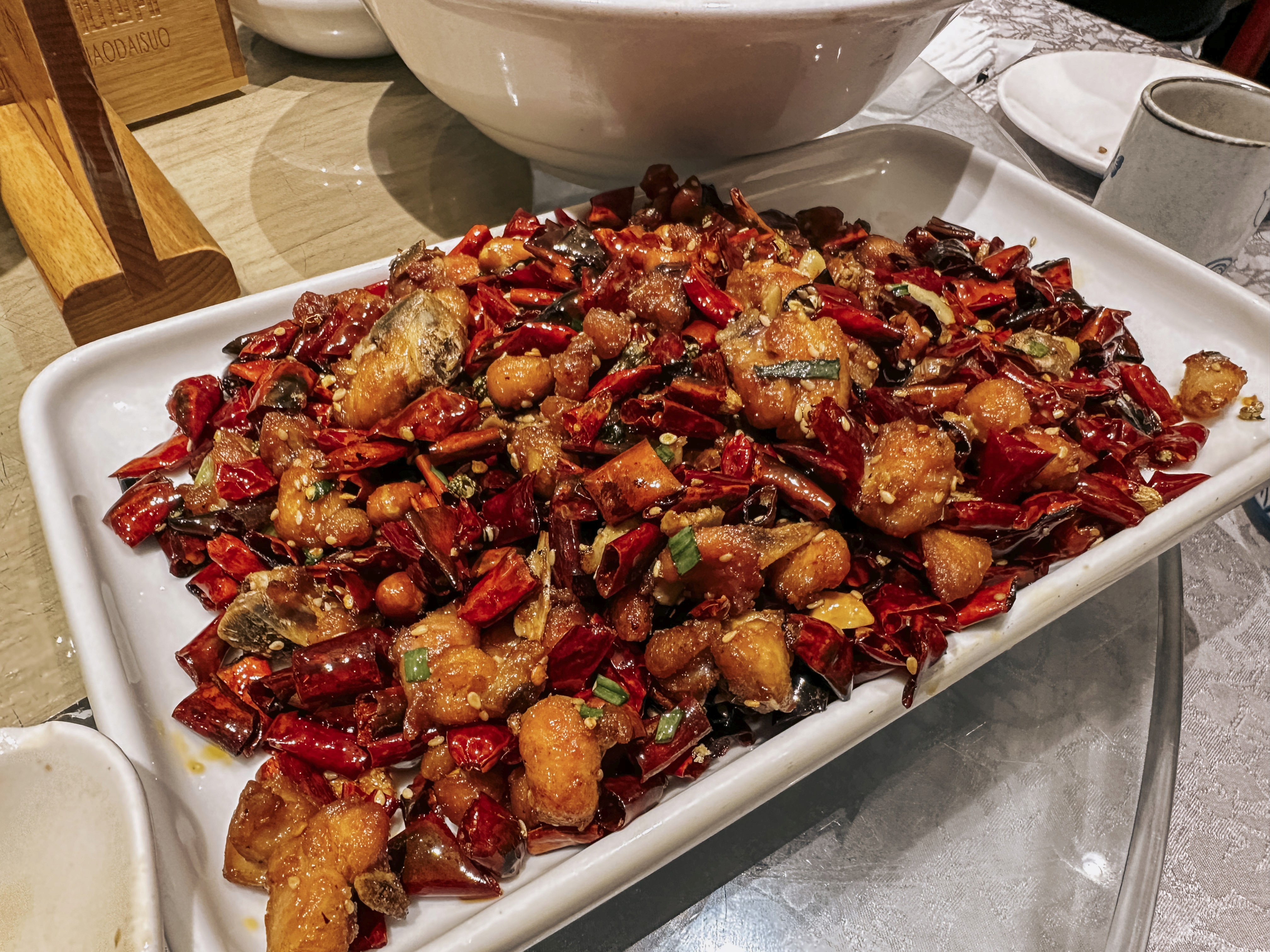
Photos: Lu Cangqi
Where and what to eat
While the fame of Yibin and Sichuan zhujingban precede themselves, and my partiality for Guangxi bites is already professed, this list is a cheatsheet to other locally loved contenders.
Daqianmen Restaurant (from Bijie, Guizhou province)
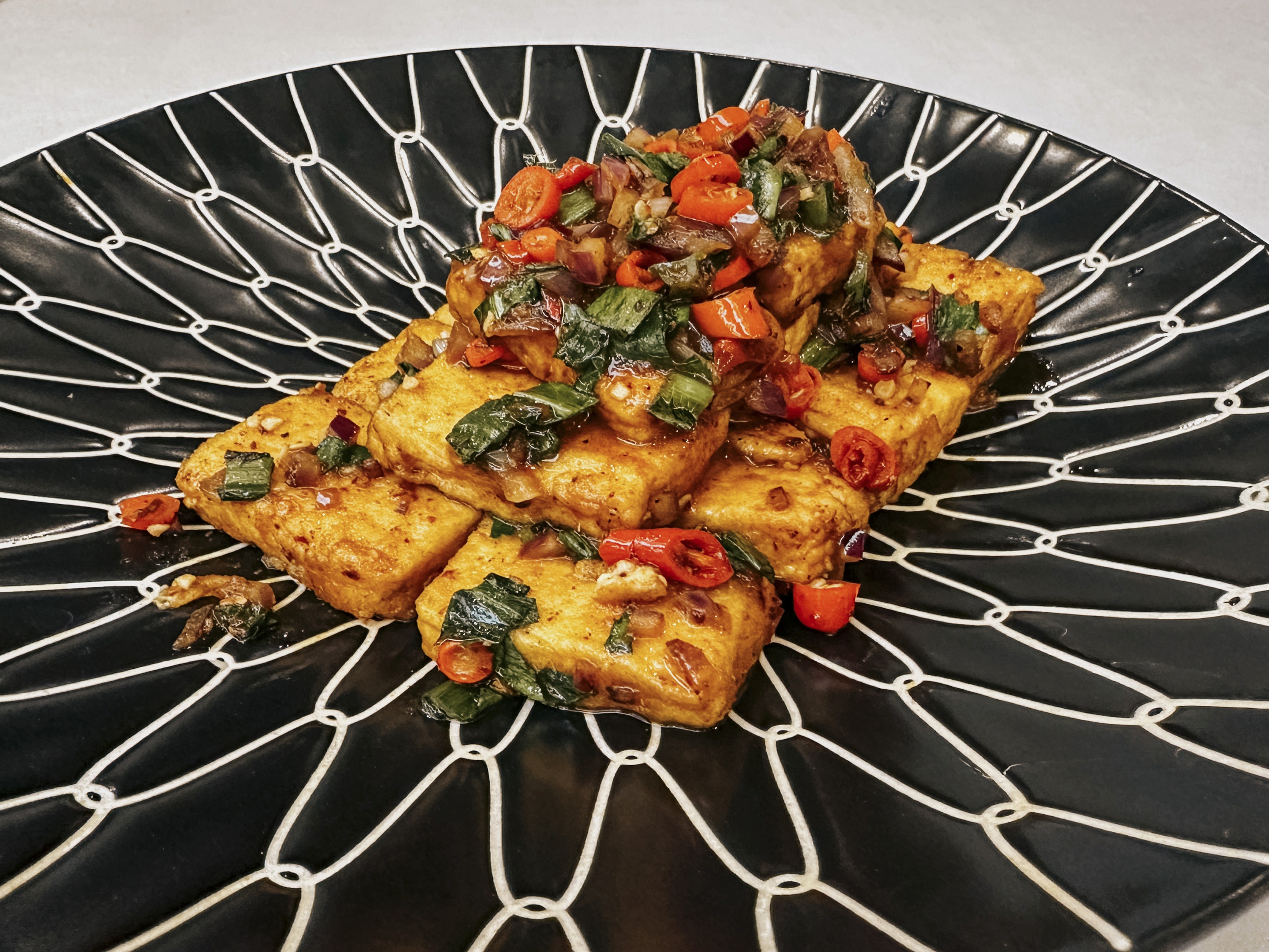
This is perhaps the most peculiar zhujingban, with one chef from the southwestern city of Bijie and another from eastern coastal Taizhou, my hometown. Don’t miss the fish from both regions: river catch boils in hearty fermented tomato soup, while tender deep-sea tofu fish is delicately fried and tumbled in pepper salt. Challenge your palate with a “fishy grass” salad, or top off the meal with a shibingtong, our veggie-filled take on a burrito.
Butterfly Spring Hotel (from Dali, Yunnan province)
Repping a region with vast ethnic and bio diversity, this restaurant serves classics like semi-dried beef fried with mint; herb-stuffed grilled tilapia; and mushroom types that are unique to the region. Pair the dishes with rice infused with ham and potatoes, or sink your sweet tooth into the “milk fan”, a sun-dried sheet of dairy paired with rose jam, common in ethnic Bai cuisine.
Feitian Restaurant (from Gansu province)
Northwestern cuisine often stars high-quality lamb. Whether boiled, grilled on a skewer, or spiced and roasted whole – you can’t go wrong with any of these. While the famed hand-pulled noodles are a must, also try rangpi, a noodle-like dish made from wheat starch slurry, chilled and doused in chili oil and garlic, chewier than its cousins from around the region.
Nanchang Restaurant (from Nanchang, Jiangxi province)
In this underrated spicy regional cuisine, beer-braised duck falls off the bone into a thick, rich gravy; fish roe and swim bladder make for a feast of textures; dried bamboo shoots pack a smokey punch. And all hiss fire so you will inevitably wolf down the accompanying white rice. Take a break from the heat with some Mount Jinggang tofu skin, or if you have room, the fried sticky rice cakes.